One of the most important issues facing our planet today is climate change, which is a result of human activities that release greenhouse gases into the atmosphere. Among its many consequences, the increasing frequency and intensity of extreme weather events such as heatwaves, droughts, and floods stand out as particularly alarming.
These events pose significant risks to human life, ecosystems, and the global economy, underscoring the urgent need for action to mitigate climate change and adapt to its impacts.
In this blog, I try to focus on how climate change is increasing extreme weather. I also focus on the recent climate changes, the effects of climate change, the global warming issue, and how to overcome it.
How Climate Change is Increasing Extreme Weather
- Because of climate change, rainfall and flooding will become more extreme in some regions because of increased evaporation from the surface and greater water vapor in the atmosphere.
- Heated temperatures from climate change increase evaporation which depletes soil moisture during the summer, exacerbating droughts in many areas.
- Higher temperatures dry out vegetation and soil, making wildfires worse.
- Giant atmospheric rivers called planetary waves flow from the Arctic to the tropics. These planetary waves can get stuck, producing persistent droughts or overwhelming rainfall.
- Hurricanes get flooded, and sometimes they bring flooding to places far from the coast.
All these extreme events happen with greater frequency and intensity as temperatures rise. We’ve already seen record-shattering heat waves and widespread flooding during hurricanes.
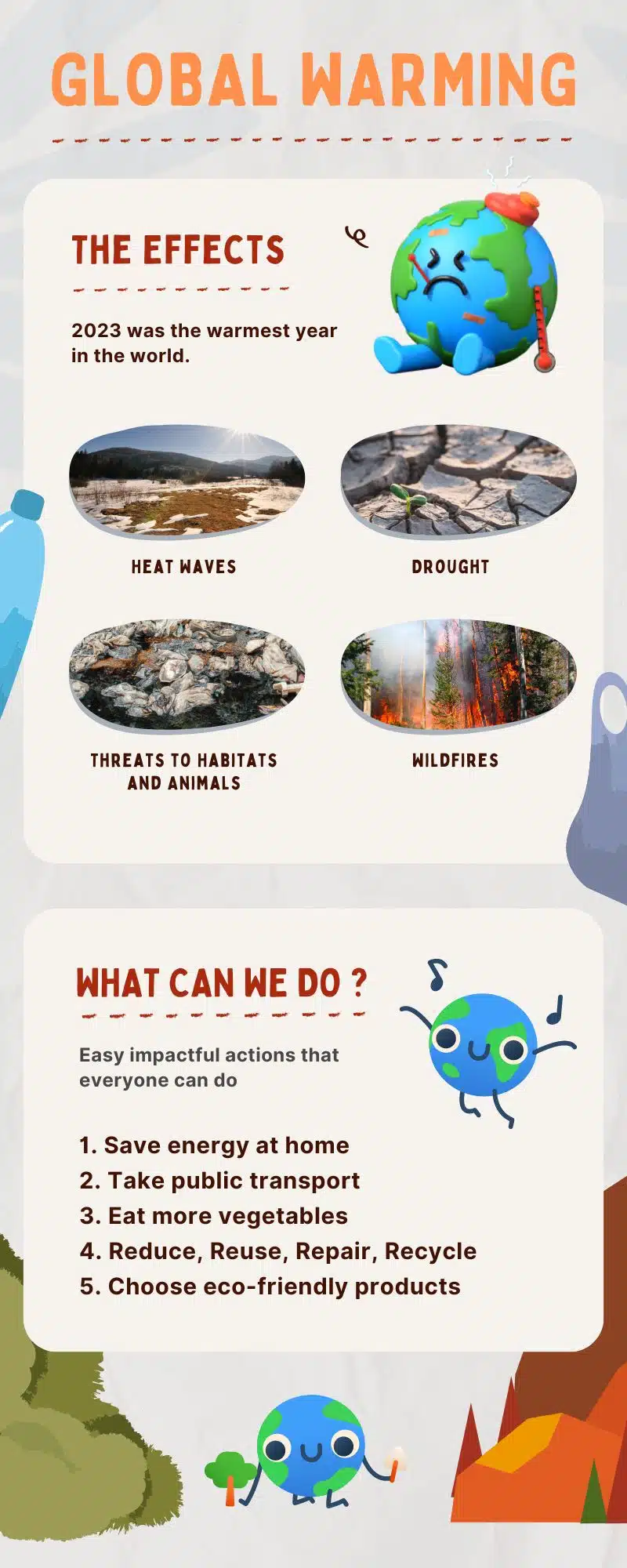
Because of climate changes, extreme to adverse weather effect like heatwaves, droughts, and floods occur.
Heatwaves
Heatwaves, characterized by prolonged periods of excessively hot weather, have become more common and severe in recent years. The summer of 2021 saw an unprecedented heatwave in the Pacific Northwest, with temperatures reaching a record-breaking 49.6°C (121.3°F) in Lytton, Canada. Similarly, Europe experienced its second-hottest summer on record in 2022, with heatwaves affecting countries from Spain to Greece.
Scientific evidence strongly suggests that climate change is making heatwaves more frequent and intense. A study published in Nature Climate Change found that the probability of record-shattering heatwaves has increased by a factor of five due to human-induced climate change.
The impacts of heatwaves are far-reaching and devastating. Prolonged exposure to extreme heat can lead to heat exhaustion, heatstroke, and even death, particularly among vulnerable populations such as the elderly and those with pre-existing health conditions. Heatwaves also strain energy grids as the demand for cooling soars, leading to power outages and further exacerbating the risks to human health. Agriculture suffers as crops wilt under the scorching sun, threatening food security and livelihoods.
Droughts
Droughts, another type of extreme weather event, are becoming more severe and prolonged due to climate change. Droughts occur when an area experiences a prolonged period of below-average precipitation, leading to water scarcity. California’s historic drought from 2011 to 2017 is a prime example, with the state experiencing its driest four-year period in recorded history.
More recently, South Africa faced a severe drought from 2018 to 2020, which brought Cape Town to the brink of “Day Zero,” the day when the city’s taps would run dry.
Climate change intensifies droughts through a combination of reduced precipitation and increased evaporation. As global temperatures rise, more moisture evaporates from the Earth’s surface, leading to drier conditions. At the same time, changes in atmospheric circulation patterns can alter the distribution of precipitation, causing some regions to become drier while others become wetter.
The consequences of droughts are dire, including water shortages, crop failures, and increased wildfire risk. In many parts of the world, droughts are already causing acute water scarcity, forcing communities to rely on water rationing and emergency supplies.
Floods
Floods, on the other hand, are becoming more frequent and severe as climate change alters precipitation patterns and sea levels rise. Flash floods, which occur when heavy rainfall causes rapid water level rise in rivers and streams, have become more common in many parts of the world.
In July 2021, devastating flash floods in Germany and Belgium claimed over 200 lives and caused widespread destruction. Worldwide, coastal flooding poses a growing threat to low-lying communities due to rising sea levels and more severe storms.
The link between climate change and increased flood risk is well-established. As the atmosphere warms, it can hold more moisture, leading to heavier rainfall events. At the same time, rising sea levels due to thermal expansion and melting ice sheets make coastal communities more vulnerable to flooding during storm surges.
The impacts of floods are catastrophic, causing loss of life, displacement of communities, damage to infrastructure, and ecosystem degradation.
Intersection of Extreme Weather Events
One of the most concerning aspects of climate change-driven extreme weather events is their potential to occur simultaneously or in quick succession, compounding their impacts. For instance, a region might experience a protracted drought, then a severe heatwave that dries out the vegetation and makes it ideal for wildfires.
When heavy rains eventually arrive, the parched soil is unable to absorb the water, leading to flash floods and landslides. This scenario played out in Australia during the 2019–2020 bushfire season, which was followed by heavy rains and flooding in early 2020.
The intersection of extreme weather events highlights the cascading effects and compounding risks posed by climate change. Following the Pacific Northwest heatwave in 2021, a number of wildfires spread throughout the area, burning over 1.7 million acres. The smoke from these fires caused air quality to plummet, exacerbating the health risks already posed by the extreme heat.
Similarly, the combination of drought and heatwaves in California has fueled some of the state’s largest and most destructive wildfires in recent years, including the August Complex Fire in 2020, which burned over 1 million acres.
Mitigation and Adaptation Strategies
Mitigating the impacts of climate change-driven extreme weather events requires urgent action on two fronts: reducing greenhouse gas emissions to limit further warming, and adapting to the changes that are already unavoidable. Governments, businesses, and individuals must work together to transition to clean energy sources, improve energy efficiency, and adopt sustainable land-use practices.
At the same time, investments in resilient infrastructure, early warning systems, and disaster preparedness are critical to reducing the risks posed by extreme weather events.
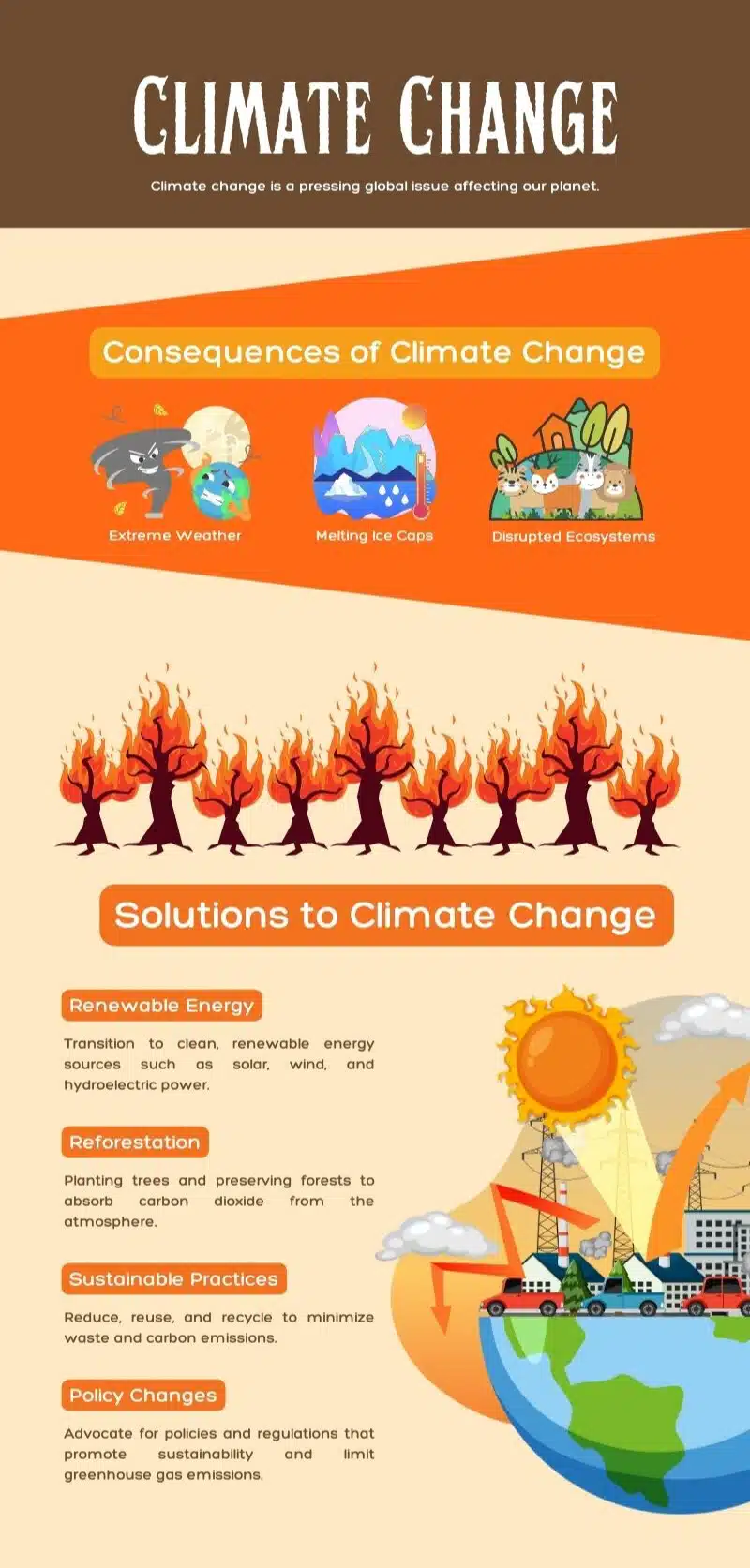
Examples of successful mitigation and adaptation initiatives can be found at various scales. At the international level, the Paris Agreement, which 195 nations signed in 2015, sets challenging goals for lowering greenhouse gas emissions. At the national level, countries like Costa Rica and Denmark have made significant progress in transitioning to renewable energy sources.
Locally, cities are implementing green infrastructure projects, such as green roofs and permeable pavements, to reduce urban heat island effects and manage stormwater runoff.
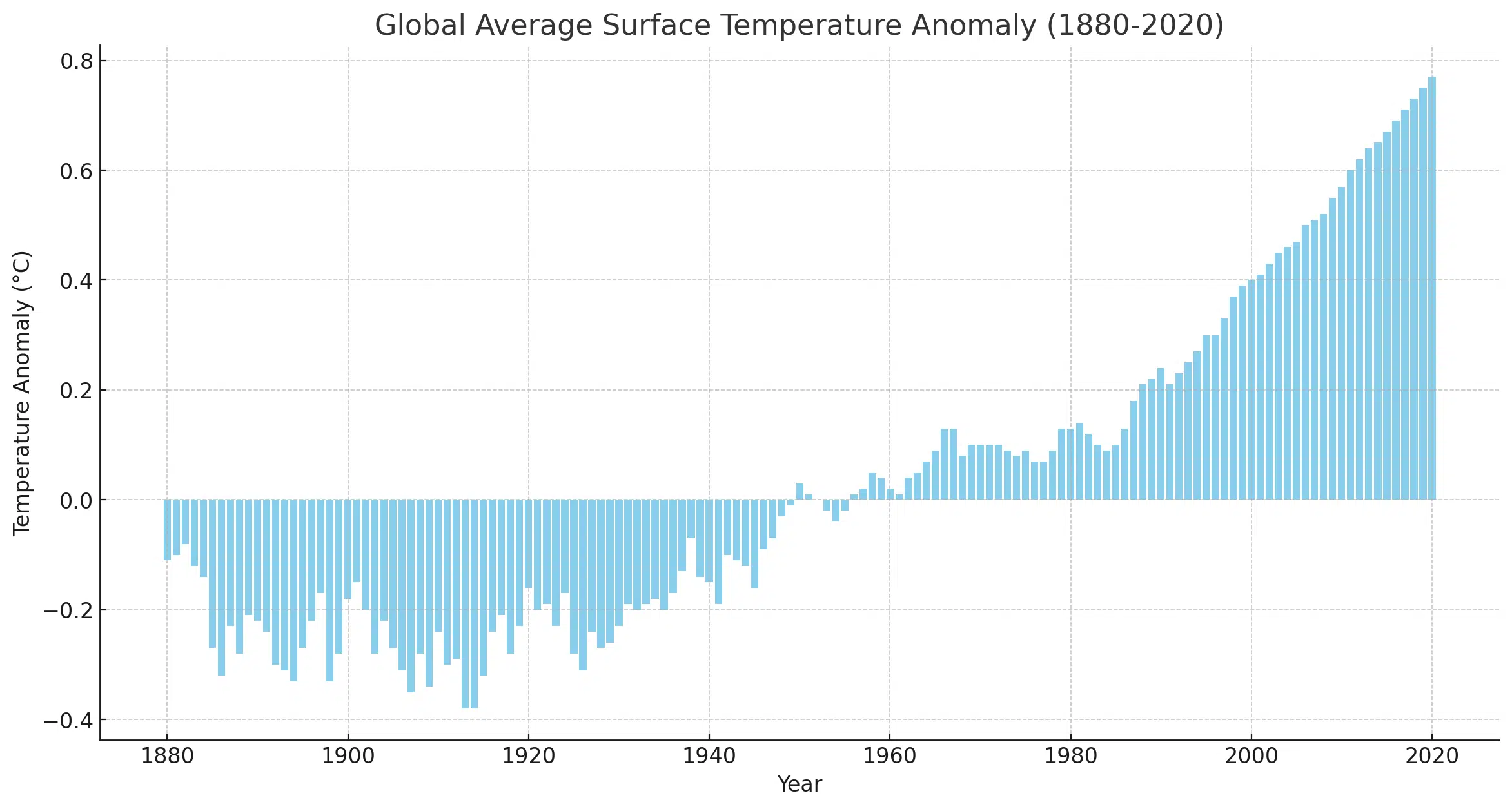
However, the scale and pace of action must be accelerated to avoid the most catastrophic consequences of climate change. The Intergovernmental Panel on Climate Change (IPCC) warns that global warming is likely to reach 1.5°C above pre-industrial levels between 2030 and 2052 if emissions continue at the current rate.
This level of warming would significantly increase the risks of extreme weather events, sea-level rise, and irreversible changes to ecosystems.
Takeaways
In conclusion, the increasing frequency and intensity of heatwaves, droughts, and floods serve as stark reminders of the urgent need for action on climate change. These extreme weather occurrences are not isolated incidents; rather, they are part of a larger pattern of human-driven global climate disruption.
As the impacts of these events become more severe and widespread, it is clear that the cost of inaction far outweighs the cost of transitioning to a low-carbon, resilient future.
Policymakers, businesses, and individuals must recognize the scale of the challenge and take bold, decisive action to reduce greenhouse gas emissions and adapt to the impacts of climate change. This requires a fundamental shift in our energy systems, land-use practices, and consumption patterns, as well as significant investments in resilient infrastructure and disaster preparedness.
The path forward is challenging but not impossible. By working together and leveraging the best available science, technology, and innovation, we can build a more sustainable and resilient future for ourselves and future generations. The time for action is now; the consequences of delay are too dire to ignore.
References:
- World Weather Attribution. (2021). Western North American extreme heat virtually impossible without human-caused climate change. https://www.worldweatherattribution.org/western-north-american-extreme-heat-virtually-impossible-without-human-caused-climate-change/
- Copernicus Climate Change Service. (2022). Copernicus: Summer 2022 Europe’s second hottest on record. https://climate.copernicus.eu/copernicus-summer-2022-europes-second-hottest-record
- Fischer, E. M., Sippel, S., & Knutti, R. (2021). Increasing probability of record-shattering climate extremes. Nature Climate Change, 11(8), 689-695. https://doi.org/10.1038/s41558-021-01092-9
- U.S. Geological Survey. (2021). California Drought. https://ca.water.usgs.gov/california-drought/
- City of Cape Town. (2018). Day Zero. https://coct.co/water-dashboard/
- BBC News. (2021, July 16). Germany floods: At least 100 dead and hundreds unaccounted for. https://www.bbc.com/news/world-europe-57858829
- Climate Council. (2020). Summer of Crisis. https://www.climatecouncil.org.au/wp-content/uploads/2020/03/Crisis-Summer-Report-200311.pdf
- National Interagency Fire Center. (2021). Wildland Fire Summary and Statistics Annual Report 2021. https://www.predictiveservices.nifc.gov/intelligence/2021_statssumm/annual_report_2021.pdf
- CalFire. (2021). Top 20 Largest California Wildfires. https://www.fire.ca.gov/media/4jandlhh/top20_acres.pdf
- United Nations Framework Convention on Climate Change. (2015). Paris Agreement. https://unfccc.int/sites/default/files/english_paris_agreement.pdf
- Government of Costa Rica. (2019). National Decarbonization Plan 2018-2050. https://unfccc.int/sites/default/files/resource/NationalDecarbonizationPlan.pdf
- Danish Energy Agency. (2020). Denmark’s Energy and Climate Outlook 2020. https://ens.dk/sites/ens.dk/files/Basisfremskrivning/deco20.pdf
- U.S. Environmental Protection Agency. (2021). Green Infrastructure. https://www.epa.gov/green-infrastructure
- IPCC. (2018). Global Warming of 1.5°C. An IPCC Special Report on the impacts of global warming of 1.5°C above pre-industrial levels and related global greenhouse gas emission pathways, in the context of strengthening the global response to the threat of climate change, sustainable development, and efforts to eradicate poverty. https://www.ipcc.ch/sr15/