

Home improvements can significantly increase the value, comfort, and efficiency of your property. However, not every upgrade guarantees a return on investment.
To maximize your spending and ensure that your improvements pay for themselves, it’s important to focus on upgrades that enhance both the functionality and energy efficiency of your home.
Here are 7 home improvements that not only elevate your living space but also deliver long-term financial benefits.
7 Home Improvements That Pay for Themselves
Here is what you need to know about the home improvements that pay for themselves.
1. Energy-Efficient Windows
Upgrading to energy-efficient windows is one of the most effective home improvements that can pay for itself over time.
These windows are designed to minimize heat transfer, keeping your home warmer in the winter and cooler in the summer, reducing the need for heating and cooling systems to work overtime.
As a result, homeowners can save up to 25-30% on their energy bills.
Increased Curb Appeal
In addition to reducing energy costs, energy-efficient windows enhance the overall aesthetic of your home.
This improvement not only saves you money in the long run but also adds value when it comes time to sell. Buyers are increasingly looking for homes with energy-saving features, making your property more attractive on the market.
With the ability to recoup about 70–85% of the initial investment, this home improvement offers both immediate and long-term financial benefits.
2. Solar Panels
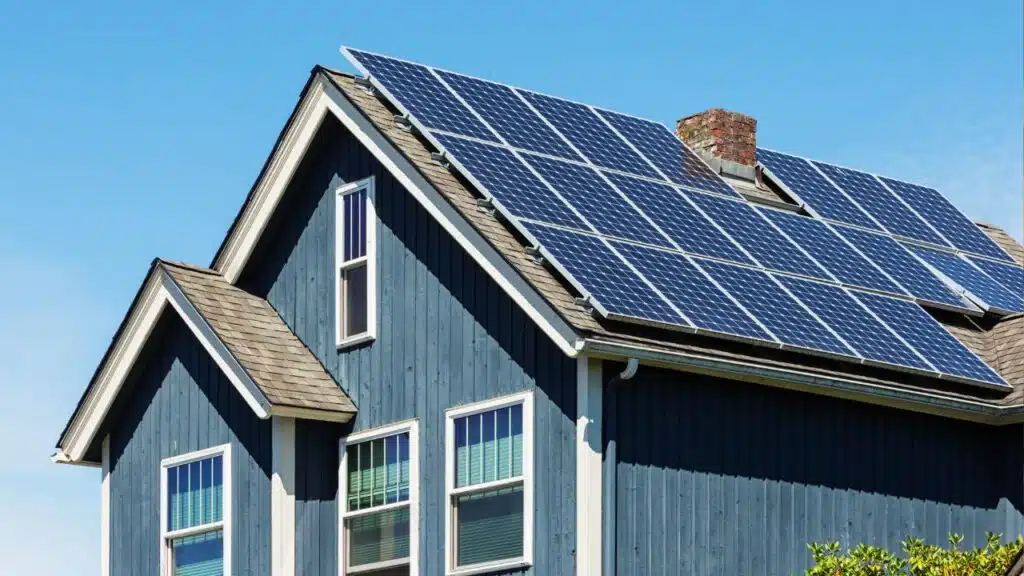
Installing solar panels is a substantial investment, but one that can pay for itself in just a few years.
By harnessing the power of the sun, homeowners can drastically reduce or even eliminate their monthly electricity bills. Depending on your location and energy consumption, solar panels can save homeowners thousands of dollars each year on electricity costs.
Potential for Government Incentives
Additionally, many local, state, and federal governments offer tax incentives or rebates for installing solar panels, further reducing the initial cost of the investment.
Over the lifespan of the solar panels (typically 20-30 years), homeowners can save tens of thousands of dollars, making solar energy an investment that pays for itself in both energy savings and increased home value.
3. Kitchen Remodel
A kitchen remodel is often cited as one of the best home improvements in terms of ROI. A well-executed kitchen renovation can increase your home’s value by up to 80% of the project cost, especially if it includes energy-efficient appliances, updated countertops, and modern cabinetry.
Potential buyers are often willing to pay more for a home with a renovated, functional kitchen, making it a key selling point.
Energy Efficiency and Modern Appeal
Beyond boosting property value, a kitchen upgrade can significantly improve energy efficiency if you opt for Energy Star-rated appliances.
These appliances consume less water and energy, leading to lower utility bills. Modern features, such as LED lighting and water-saving faucets, further enhance the functionality and cost-saving potential of the space, offering long-term financial benefits.
4. Insulation Upgrades
Improving your home’s insulation is one of the simplest and most cost-effective upgrades that can pay for itself.
Proper insulation keeps your home at a more consistent temperature by preventing heat loss in the winter and heat gain in the summer.
By reducing the need for your heating and cooling systems to work harder, insulation can save you 10–20% on your energy bills annually.
Long-Term Durability
Insulation is a low-maintenance upgrade with long-lasting benefits. Whether you’re adding insulation to your attic, walls, or floors, this investment not only provides immediate energy savings but also enhances your home’s overall energy efficiency for years to come.
It’s an improvement that buyers look for, making your home more appealing when it comes time to sell, thus increasing its resale value.
5. Smart Home Technology
Smart home technology offers a range of products, from smart thermostats and lighting systems to security cameras and door locks.
A smart thermostat, for example, allows homeowners to control their heating and cooling remotely, optimizing energy use based on when you’re home. This can result in significant savings on utility bills—up to 10-15% annually on heating and cooling costs.
Boosting Home Value and Market Appeal
Incorporating smart home technology is increasingly attractive to tech-savvy buyers. Features like automated lighting, remote security monitoring, and energy-efficient systems can make your home stand out in the real estate market.
These additions are not only convenient but also help lower energy consumption, ensuring that the investment pays for itself over time. Homes with smart technology often sell faster and at a premium compared to those without.
6. Bathroom Renovation
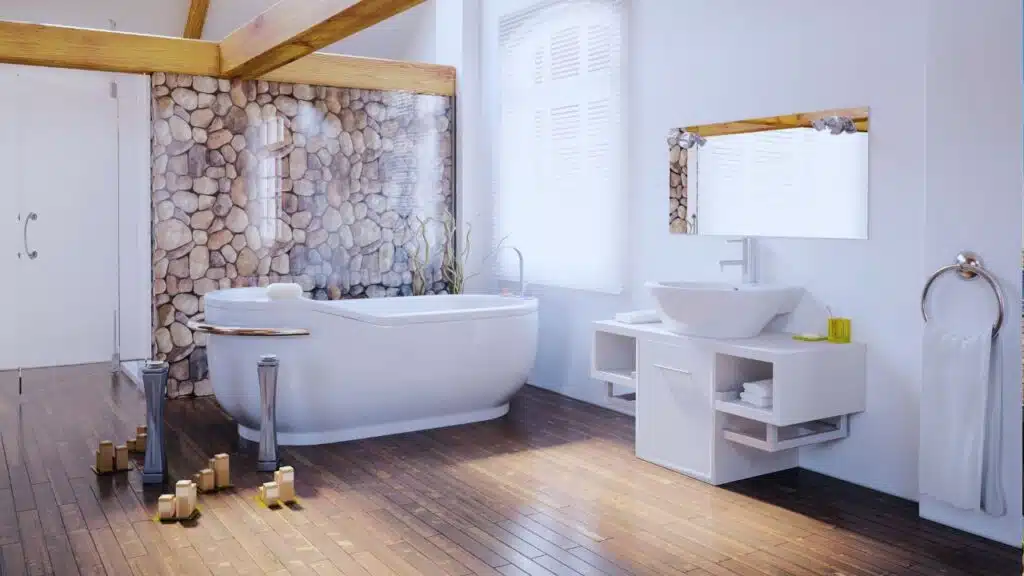
Like the kitchen, a bathroom renovation is one of the most impactful home improvements in terms of ROI. Upgrading outdated fixtures, installing new tiles, and adding modern amenities like water-saving toilets or energy-efficient showerheads can enhance the comfort and appeal of your home.
Bathroom renovations typically recoup between 60-70% of their costs at resale.
Energy and Water Efficiency
Beyond improving aesthetics and functionality, a bathroom remodel can significantly reduce water and energy usage. Water-efficient fixtures, such as low-flow toilets and faucets, reduce water bills, while energy-efficient lighting and ventilation systems lower electricity costs.
These savings, combined with the increased home value, ensure that bathroom renovations pay for themselves over time.
7. Landscaping and Curb Appeal Improvements
Landscaping improvements, such as installing new sod, adding trees, shrubs, and flowers, or updating pathways, can significantly enhance your home’s curb appeal.
While these changes are aesthetic, they increase your property’s overall value and help create a positive first impression for potential buyers.
Simple upgrades like planting trees not only add beauty but also provide shade that can reduce cooling costs by 10-20% during summer months.
Low-Maintenance Landscaping
Opting for low-maintenance landscaping—such as drought-resistant plants or a xeriscaped garden—reduces water consumption and ongoing maintenance costs.
These sustainable landscaping choices are becoming increasingly popular with eco-conscious buyers, making your home more attractive on the market.
Over time, the reduced water and maintenance costs, combined with the added value, make landscaping improvements an investment that pays for itself.
Conclusion: Invest in Smart Home Improvements That Pay for Themselves
Home improvement projects don’t have to be expensive gambles. By focusing on upgrades that enhance energy efficiency, improve functionality, and increase your property’s value, you can ensure that your investment will pay off in the long run.
From installing solar panels and energy-efficient windows to renovating your kitchen and adding smart home technology, these 7 home improvements are smart, sustainable, and guaranteed to offer long-term returns.
By prioritizing these upgrades, you’ll not only enjoy a more comfortable and efficient home but also increase its market appeal, ensuring that you recoup much of your initial investment when it comes time to sell.
These improvements are a win-win: they enhance your lifestyle while offering financial benefits over time.
























