

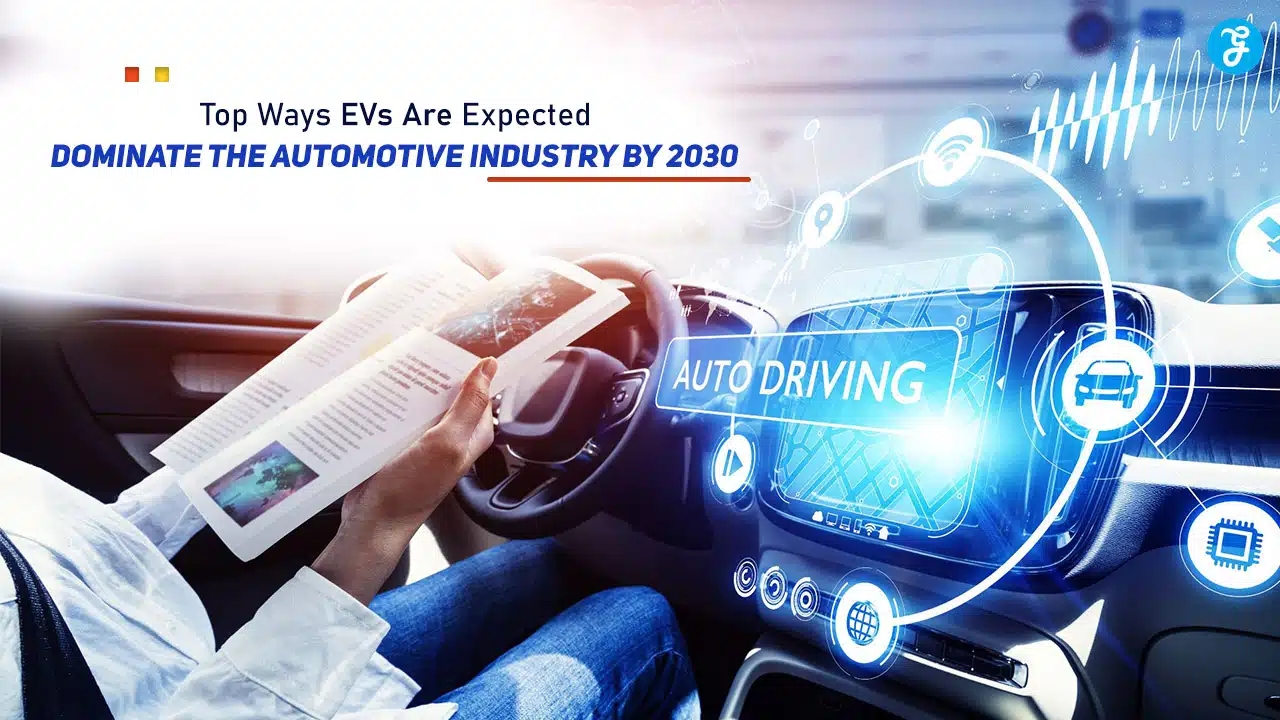
The automotive industry is on the brink of a seismic shift, and electric vehicles (EVs) are leading the charge.
As the world races toward a more sustainable future, EVs are poised to become the dominant force in transportation by 2030. This shift isn’t just about replacing gas-powered cars with electric ones; it’s a revolution that encompasses technology, infrastructure, consumer behavior, and global energy policies.
Why are EVs taking over? Several factors drive this transformation, including advancements in battery technology, increased environmental awareness, government mandates, and consumer demand for cleaner, more efficient transportation options.
By 2030, experts predict that EVs will account for a significant portion of global car sales, reshaping the automotive landscape and paving the way for a greener future.
Let’s delve into the 10 key ways EVs are expected to dominate the automotive industry by 2030, exploring the innovations and trends shaping this exciting transition.
1. Rapid Advances in Battery Technology

Battery technology is the backbone of the EV revolution, and ongoing advancements are making electric cars more practical and accessible. Improvements in energy density, cost, and charging speed are helping EVs overcome some of their biggest hurdles.
Key Developments:
- Extended Range: New batteries allow EVs to travel over 400 miles on a single charge, reducing range anxiety.
- Faster Charging: Innovations in fast-charging technology mean EVs can be charged to 80% in under 30 minutes.
- Lower Costs: The price of lithium-ion batteries has dropped by 89% since 2010, making EVs more affordable for the average consumer.
- Solid-State Batteries: This emerging technology promises greater efficiency, safety, and longevity compared to traditional lithium-ion batteries.
Why It Matters:
Better batteries make EVs more competitive with internal combustion engine (ICE) vehicles, accelerating their adoption across the globe.
2. Government Mandates and Policies
Governments worldwide are enacting strict policies to reduce greenhouse gas emissions, and EVs are at the center of these efforts. By setting clear targets for phasing out ICE vehicles, policymakers are driving the transition to electric mobility.
Key Developments:
- Bans on Gas-Powered Cars: Countries like Norway, the UK, and France have set deadlines for ending the sale of petrol and diesel vehicles, some as early as 2030.
- Incentives for EV Buyers: Subsidies, tax breaks, and rebates make EVs more appealing to consumers.
- Carbon Neutrality Goals: Governments are mandating automakers to produce a higher percentage of EVs to meet emissions targets.
Why It Matters:
Government policies create a favorable environment for EVs, pushing automakers to accelerate their transition and incentivizing consumers to make the switch.
3. Massive Expansion of Charging Infrastructure
For EVs to dominate the market, charging infrastructure must be as ubiquitous as gas stations. Significant investments by governments and private companies are ensuring this becomes a reality.
Key Developments:
- Public Charging Stations: The number of public chargers is expected to grow exponentially by 2030.
- Ultra-Fast Chargers: New stations can recharge vehicles in under 15 minutes.
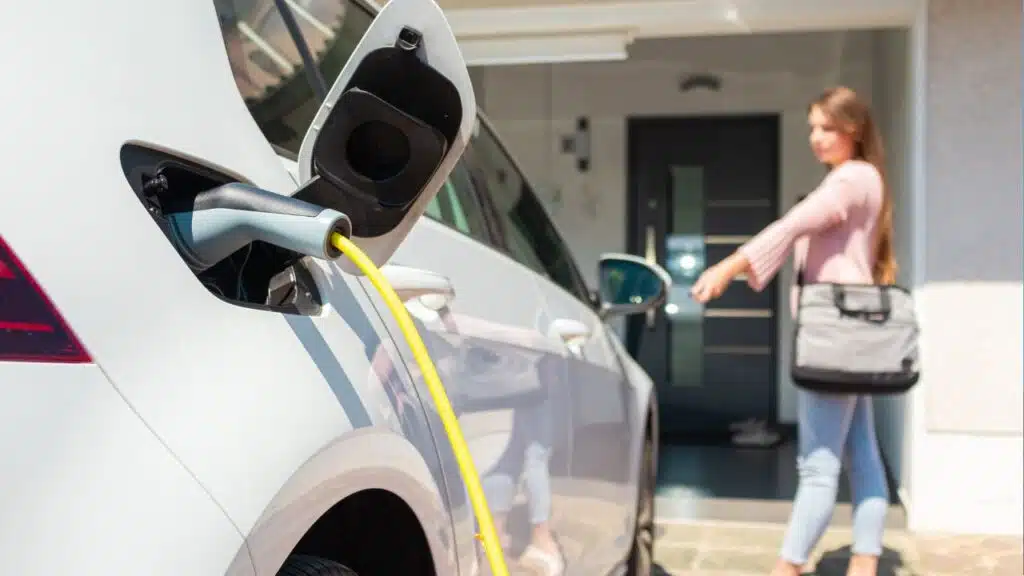
- Home Charging Solutions: Affordable at-home chargers make it convenient for consumers to keep their vehicles powered.
- Wireless Charging: Emerging technology allows EVs to charge without plugging in, enhancing convenience.
Why It Matters:
A well-developed charging network eliminates range anxiety and makes EV ownership practical for everyone, from city dwellers to rural residents.
4. Cost Parity with ICE Vehicles
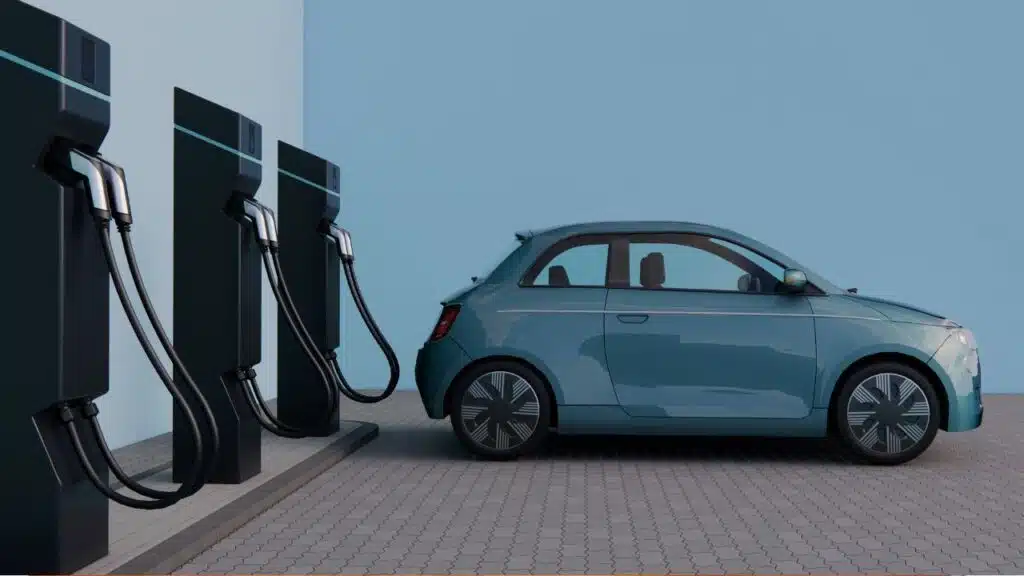
Historically, EVs have been more expensive than their gas-powered counterparts, but this is rapidly changing. By 2030, EVs are expected to achieve cost parity with ICE vehicles, thanks to declining battery costs and economies of scale.
Key Developments:
- Lower Battery Costs: Batteries now account for less than 30% of an EV’s price, down from over 50% a decade ago.
- Increased Production Efficiency: Automakers are streamlining manufacturing processes to reduce costs.
- Tax Incentives: Continued government subsidies help lower upfront costs for buyers.
Why It Matters:
As EVs become more affordable, they will no longer be seen as luxury items, opening the market to a broader range of consumers.
5. Automaker Commitments to Electrification
Automakers are committing to electrification at an unprecedented pace, with many announcing plans to transition entirely to EV production within the next decade.
Key Developments:
- Dedicated EV Platforms: Automakers are designing cars from the ground up to be electric.
- Massive Investments: Companies like Tesla, Ford, and Volkswagen are investing billions in EV production facilities and research.
- New EV Models: From compact cars to luxury SUVs, automakers are expanding their EV lineups to cater to all market segments.
Why It Matters:
These commitments ensure that EVs will dominate showrooms and driveways by 2030, offering consumers a wide variety of options.
6. Enhanced Sustainability Practices
Sustainability is a cornerstone of the EV movement, from manufacturing to end-of-life recycling. Automakers and governments are working to minimize the environmental impact of EV production and usage.
Key Developments:
- Recyclable Batteries: Innovations in battery recycling reduce waste and make EVs even greener.
- Renewable Energy Integration: Charging networks powered by solar and wind energy reduce carbon footprints.
- Eco-Friendly Manufacturing: Automakers are adopting cleaner production practices to reduce emissions.
Why It Matters:
Sustainable practices ensure that EVs live up to their promise of being an environmentally friendly alternative to gas-powered vehicles.
7. Increased Consumer Demand
Shifting consumer attitudes are playing a significant role in the rise of EVs. With growing awareness of climate change and the benefits of electric mobility, more people are choosing EVs over traditional cars.
Key Developments:
- Improved Awareness: Marketing campaigns and educational initiatives highlight EV benefits.
- Performance Appeal: EVs offer instant torque, smooth acceleration, and a quiet ride.
- Stylish Designs: Modern EVs are sleek, futuristic, and appealing to younger buyers.
Why It Matters:
As consumer demand grows, manufacturers will prioritize EV production, further accelerating the shift.
8. Integration of Autonomous Technology
Electric vehicles are leading the way in integrating autonomous driving technologies, paving the way for safer and more efficient transportation.
Key Developments:
- Advanced Driver Assistance Systems (ADAS): Features like autopilot and lane-keeping are becoming standard in EVs.
- Autonomous Fleets: Companies like Waymo and Tesla are developing self-driving EV fleets for ride-sharing.
- Regulatory Support: Governments are laying the groundwork for autonomous vehicle deployment.
Why It Matters:
The synergy between EVs and autonomous technology will revolutionize mobility, making transportation safer and more convenient.
9. Electrification of Commercial Vehicles
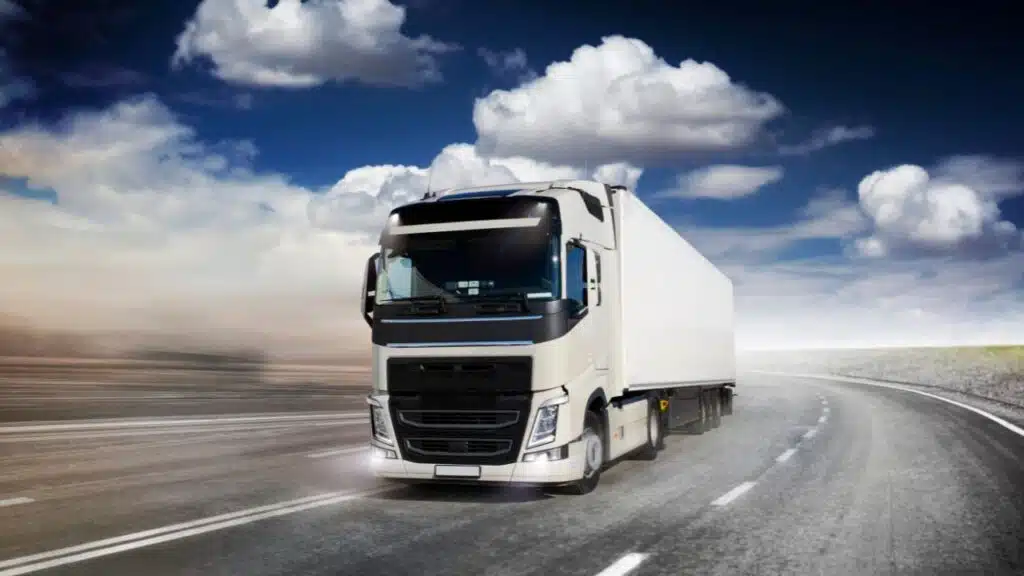
The adoption of EVs isn’t limited to passenger cars; commercial vehicles like trucks, buses, and delivery vans are also going electric.
Key Developments:
- Electric Trucks: Companies like Rivian and Volvo are launching electric trucks for long-haul transportation.
- Zero-Emission Buses: Public transit systems worldwide are transitioning to electric buses.
- Fleet Electrification: Major logistics companies like Amazon and UPS are adopting EV fleets to reduce operational costs and emissions.
Why It Matters:
Electrifying commercial vehicles will significantly reduce global carbon emissions and set a precedent for sustainable logistics.
10. Revolution in Energy Storage and Grid Integration
Electric vehicles are becoming more than just transportation—they’re integral to the future of energy.
Key Developments:
- Vehicle-to-Grid (V2G) Technology: EVs can store and return energy to the grid during peak demand.
- Energy Independence: Solar-powered EV charging reduces reliance on fossil fuels.
- Grid Stabilization: EVs help balance energy supply and demand.
Why It Matters:
EVs will play a critical role in creating a more resilient and sustainable energy grid, benefiting both consumers and utilities.
Conclusion
Electric vehicles are not just a trend; they are the future of the automotive industry. Due to advancements in technology, government support, and shifting consumer preferences, EVs will rule the market by 2030.
These 10 ways highlight how EVs are reshaping transportation and setting the stage for a cleaner, smarter, and more sustainable future.
The road ahead is electric, and the revolution is well underway.





















