

Electric vehicles (EVs) are rapidly transforming the automotive industry, and advancements in battery technology are at the heart of this evolution.
As consumers demand longer ranges, faster charging times, and more sustainable options, manufacturers and researchers are racing to innovate.
The next decade promises to bring breakthrough battery technologies that will address many of the current limitations in EVs, making electric transportation more accessible, efficient, and environmentally friendly.
Here, we delve into 10 future trends in EV battery technology that are set to revolutionize the EV landscape.
1. Solid-State Batteries
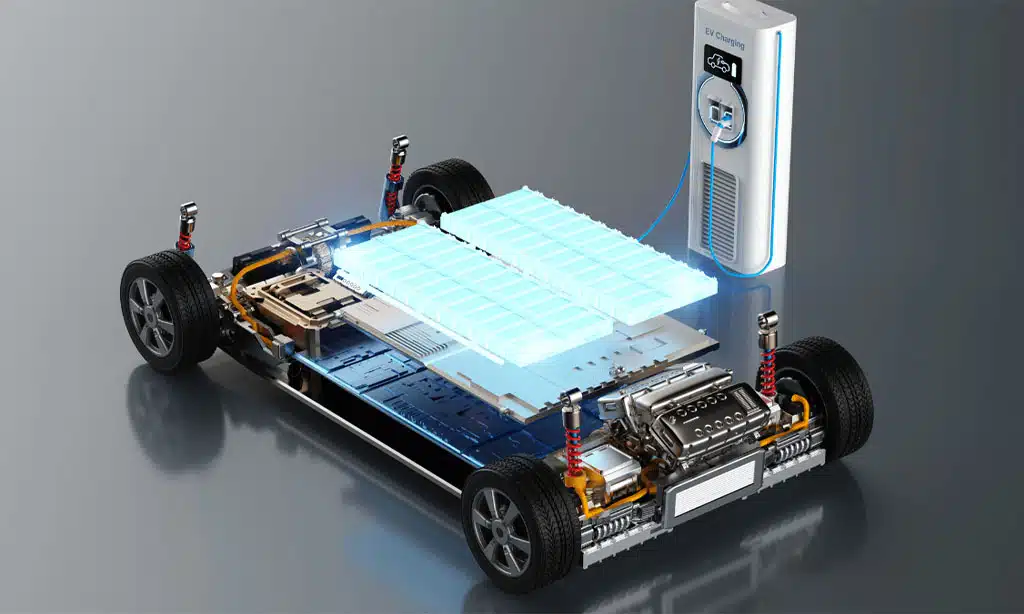
Solid-state batteries are one of the most talked-about trends in EV battery technology.
Unlike traditional lithium-ion batteries, which use a liquid electrolyte, solid-state batteries use a solid electrolyte.
This switch promises to make batteries safer, longer-lasting, and more energy-dense, enabling vehicles to travel farther on a single charge.
Key Advantages of Solid-State Batteries
- Higher Energy Density
Solid-state batteries can store more energy in a smaller space, allowing for longer ranges without increasing battery size. - Improved Safety
The solid electrolyte is less likely to cause thermal runaway, reducing the risk of fires and making the battery safer. - Longer Lifespan
Solid-state batteries experience less wear over time, potentially doubling the lifespan of EV batteries.
Solid-state technology is still in the developmental stages, but major companies like Toyota and QuantumScape are making strides toward commercial production.
As these batteries reach the market, they could dramatically increase the viability of EVs for long-distance driving.
2. Lithium-Iron Phosphate (LFP) Batteries
Lithium-Iron Phosphate (LFP) batteries are emerging as a popular alternative to the traditional lithium-ion chemistry.
Known for their stability and lower cost, LFP batteries have become increasingly popular, particularly in China.
These batteries use lithium iron phosphate as the cathode material, which reduces the risk of overheating and offers enhanced safety features.
Benefits of LFP Batteries
- Increased Thermal Stability
LFP batteries are less prone to overheating and do not easily catch fire, making them safer for consumers and suitable for hot climates. - Cost-Effective
LFP batteries rely on more abundant materials, lowering production costs and making EVs more affordable. - Longer Cycle Life
They have a longer cycle life, meaning they can be charged and discharged more times before degrading.
With companies like Tesla incorporating LFP batteries in their models, this trend is likely to grow, offering a safer and more cost-effective solution for mass-market EVs.
3. Silicon Anode Batteries
Silicon anodes represent a major advancement in EV battery technology.
Traditional lithium-ion batteries use graphite for the anode, but replacing graphite with silicon can significantly increase energy density, enabling vehicles to go farther on a single charge.
Key Advantages of Silicon Anode Batteries
- Higher Energy Capacity
Silicon anodes can store up to 10 times more lithium ions than graphite, dramatically increasing battery capacity. - Faster Charging
With improved capacity, silicon anode batteries can potentially charge more quickly, improving EV convenience. - Reduced Battery Weight
Silicon anodes contribute to lighter batteries, which can reduce the overall weight of the vehicle and enhance efficiency.
Companies like Sila Nanotechnologies are actively working on commercializing silicon anode batteries, and this technology is expected to hit the market in the near future, pushing EV performance to new heights.
4. Cobalt-Free Batteries
Cobalt is a key component in traditional lithium-ion batteries, but it is also one of the most controversial materials due to its environmental impact and ethical concerns.
Cobalt-free batteries aim to eliminate cobalt from battery chemistry, reducing costs and environmental harm.
Benefits of Cobalt-Free Batteries
- Reduced Environmental Impact
Mining cobalt has significant environmental implications, and reducing its use can make EVs greener. - Lower Production Costs
Cobalt is one of the most expensive battery materials; eliminating it reduces battery costs and, by extension, EV prices. - Ethical Sourcing
Cobalt mining often involves unethical practices. By removing cobalt, manufacturers can address these ethical issues and create more sustainable products.
Tesla and other companies are investing in cobalt-free alternatives, and as this trend grows, it will make EVs more affordable and eco-friendly.
5. Battery Recycling and Reuse
Battery recycling and reuse are critical to creating a sustainable EV ecosystem.
As EV adoption increases, managing used batteries responsibly will become essential.
Innovations in battery recycling aim to recover valuable materials like lithium, nickel, and cobalt, which can be reused to make new batteries.
Key Trends in Battery Recycling
- Advanced Recycling Techniques
New technologies allow for the efficient extraction of materials from old batteries, making recycling more economically viable. - Second-Life Applications
Used EV batteries can be repurposed for energy storage solutions, giving them a second life in applications like grid storage or home energy systems. - Reduced Resource Dependence
Recycling batteries reduces the demand for raw materials, lessening the environmental impact of mining.
Companies like Redwood Materials and Li-Cycle are pioneering advanced recycling methods that make battery recycling more efficient, supporting a circular economy in the EV industry.
6. Wireless Charging
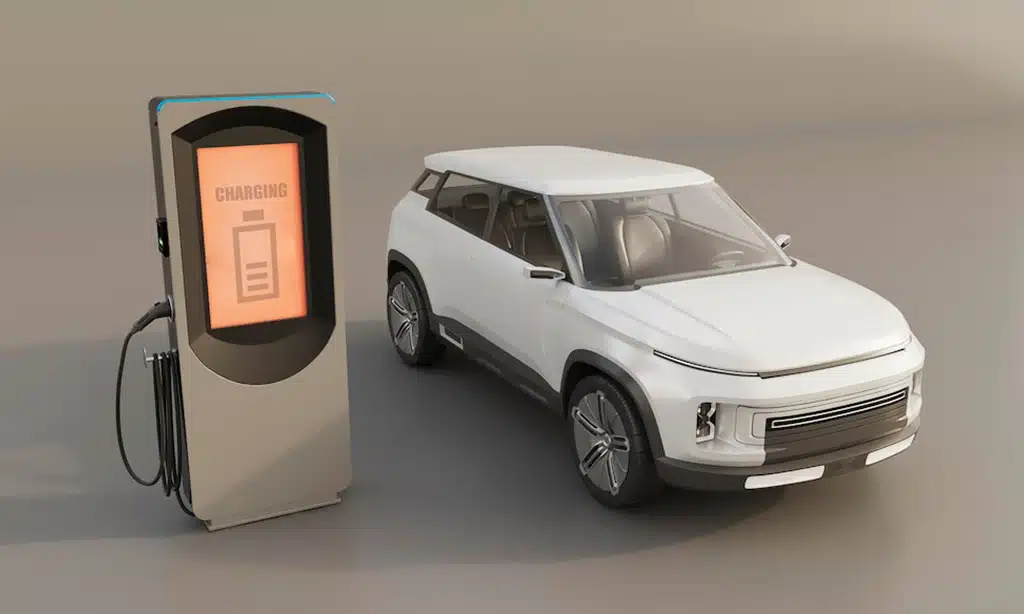
Wireless charging technology has been popular in the consumer electronics industry, and now it’s being developed for EVs.
This technology allows vehicles to charge simply by parking over a charging pad, making charging more convenient and accessible, especially for urban settings or autonomous vehicles.
Benefits of Wireless Charging
- Enhanced User Convenience
Drivers no longer need to handle charging cables, making the process easier, especially in public spaces. - Potential for Autonomous Vehicles
Wireless charging enables autonomous vehicles to charge without human intervention, which is critical for the future of self-driving fleets. - Reduced Wear and Tear on Connectors
By eliminating physical connectors, wireless charging systems are less prone to wear, making them more durable.
Companies like WiTricity and Qualcomm are at the forefront of wireless EV charging, and this technology could become a standard feature in EVs over the next few years.
7. Ultrafast Charging Technology
Ultrafast charging aims to reduce charging times from hours to just a few minutes, addressing one of the biggest hurdles for EV adoption.
By using higher-powered charging stations and advanced battery materials, ultrafast charging technology is set to make EVs more convenient for long-distance travel.
Advantages of Ultrafast Charging
- Improved Charging Convenience
Fast charging times make EVs more practical for road trips and long commutes, similar to refueling a gasoline car. - Battery Optimization
Advanced battery chemistries designed for ultrafast charging reduce the wear associated with high-speed charging. - Enhanced User Experience
Shorter charging times lead to a more convenient and enjoyable EV ownership experience, encouraging adoption.
Companies like Tesla and Porsche are developing high-powered chargers and compatible batteries, and this trend is likely to continue as EV technology evolves.
8. Battery-as-a-Service (BaaS)
Battery-as-a-Service (BaaS) is an innovative model where users lease or subscribe to batteries rather than owning them outright.
This approach makes EVs more affordable upfront, as customers pay only for battery usage while swapping or upgrading batteries as needed.
Key Benefits of BaaS
- Reduced Upfront Costs
By separating the cost of the battery from the vehicle, BaaS lowers the initial purchase price of EVs, making them more accessible. - Battery Upgrades
With a subscription model, customers can swap their battery for an upgraded model, ensuring they always have access to the latest technology. - Extended Battery Life
BaaS providers handle battery maintenance, ensuring that batteries are well-maintained and properly recycled.
Companies like NIO have successfully implemented BaaS in China, and this model may expand to other markets as EV ownership continues to grow.
9. Graphene Battery Technology
Graphene batteries use graphene, a single layer of carbon atoms, to increase battery capacity, reduce charging times, and improve overall durability.
Graphene’s remarkable electrical and thermal conductivity properties make it an ideal material for advanced EV batteries.
Key Advantages of Graphene Batteries
- High Energy Density
Graphene batteries can hold more charge, potentially allowing EVs to achieve greater ranges. - Ultrafast Charging
Graphene’s conductivity enables faster charging times, making it ideal for high-demand applications. - Increased Durability
Graphene batteries are less prone to degradation, leading to longer battery life and greater reliability.
Graphene battery technology is still emerging, but companies like Grabat and Samsung are exploring its potential.
If successful, graphene could become the material of choice for the next generation of EV batteries.
10. Self-Healing Battery Technology
Self-healing batteries represent a groundbreaking advancement in EV battery technology.
These batteries are designed with materials that can repair themselves when damaged, reducing wear and prolonging battery life.
This technology could be revolutionary for EVs, as it minimizes the degradation that typically shortens battery lifespan.
Key Benefits of Self-Healing Batteries
- Extended Battery Lifespan
Self-healing materials allow batteries to recover from small damages, extending their operational life. - Reduced Replacement Costs
Longer-lasting batteries reduce the need for frequent replacements, saving costs for both consumers and manufacturers. - Environmental Benefits
Self-healing batteries produce less waste, contributing to a more sustainable EV ecosystem.
Researchers at the University of California, Riverside, and other institutions are making progress in self-healing technology, and we may see practical applications for EVs within the next decade.
Takeaway: The Future of EV Battery Technology
The advancements in EV battery technology promise to address many of the current limitations of electric vehicles, making them more viable, convenient, and sustainable.
From solid-state batteries to self-healing technology, each trend brings us closer to a future where EVs are not only practical but also the standard mode of transportation.
As these trends develop, the electric vehicle landscape will continue to evolve, paving the way for a cleaner, more energy-efficient future.
























