As electric vehicles (EVs) grow in popularity, so do questions—and sometimes misunderstandings—about EV charging.
Many potential buyers hesitate to go electric due to misconceptions about charging times, costs, infrastructure, and battery health.
Let’s explore the 10 most common misconceptions about EV charging and set the record straight, helping you make informed decisions about transitioning to an EV.
Why Understanding EV Charging Misconceptions Matters
In a world moving towards sustainable transportation, understanding the realities of EV charging is key to widespread adoption.
Addressing misconceptions helps build confidence in the EV experience, reduces “range anxiety,” and provides clarity on costs, charging options, and maintenance.
Below are the most common EV charging myths, debunked with the latest facts and insights.
1. Misconception: EV Charging Takes Too Long
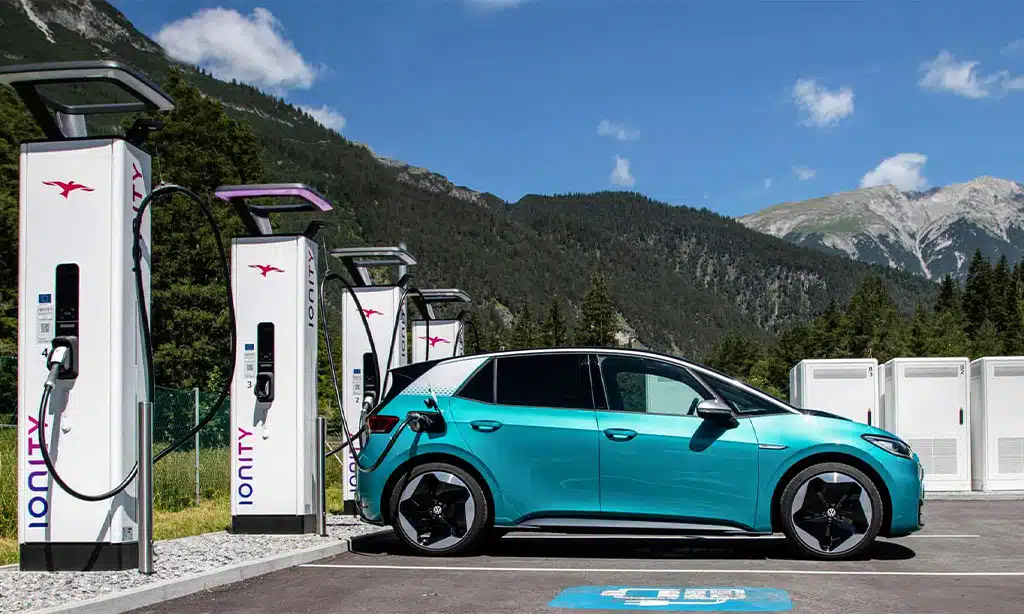
One of the biggest misconceptions about EVs is that charging takes an impractical amount of time.
Many people assume they’ll be waiting hours at charging stations or that EV charging will disrupt daily life.
- Reality Check:
EV charging times vary based on the type of charger used, the EV model, and battery capacity. Level 1 chargers, typically installed at home, are slower and provide about 3-5 miles per hour of charge. However, Level 2 chargers can charge an EV fully in 4-8 hours, and DC fast chargers provide up to 80% charge in 30 minutes or less, making them ideal for road trips. - Why It’s Manageable:
For most drivers, charging can be done overnight or during downtime, making the process highly convenient. Charging at home is similar to charging your phone overnight—it’s ready to go in the morning, no extra time needed during your day. - Pro Tip:
Use a DC fast charger only when necessary, such as on road trips, to preserve battery life and enjoy the convenience of charging at home or work.
2. Misconception: EV Charging Is Too Expensive
Some people worry that the cost of charging an EV will be comparable to, or even more expensive than, filling up with gasoline, especially if using public chargers.
- Reality Check:
Charging an EV is generally more affordable than fueling a gasoline vehicle. Home charging costs depend on local electricity rates, but it typically costs around $10-$15 for a full charge, which often provides hundreds of miles of range. Even with public chargers, costs are usually lower than fueling up with gas. - Affordable Options Exist:
Many EV owners charge at home or work for convenience and cost savings. Public charging networks offer competitive rates, with some even providing free charging options. Additionally, governments and businesses are incentivizing EV ownership with rebates on home charging setups. - Pro Tip:
Take advantage of time-of-use electricity rates, which offer lower rates during off-peak hours, making home charging even more affordable.
3. Misconception: EV Charging Infrastructure Isn’t Ready Yet
A common belief is that charging stations aren’t readily available, making EVs impractical for long-distance travel or rural areas.
- Reality Check:
EV charging infrastructure has rapidly expanded over the past few years, with thousands of public charging stations available worldwide. Major EV networks like Tesla Superchargers, ChargePoint, and Electrify America are continuously growing their networks, including in rural areas and along major highways. - Growing Network of Chargers:
With smartphone apps, EV drivers can easily locate nearby charging stations, even planning routes with charging stops. Some chargers are located in shopping malls, restaurants, and hotels, making it easy to charge while you go about your day. - Pro Tip:
Plan your charging stops in advance, especially for long trips, to ensure convenient charging options. Many EV apps allow you to reserve charging stations, eliminating wait times.
4. Misconception: Frequent Fast Charging Damages the Battery
Many people believe that frequent use of fast chargers (DC fast chargers) will degrade their EV battery, shortening its lifespan.
- Reality Check:
While using DC fast chargers exclusively can lead to some degree of battery degradation, most modern EVs are designed to handle occasional fast charging without significant impact on battery health. Manufacturers optimize batteries for durability, with protections in place to minimize degradation. - Balanced Charging Is Best:
Using a combination of Level 2 chargers for daily charging needs and fast chargers for road trips or occasional boosts is a balanced approach that helps preserve battery life. Fast charging only slightly accelerates the natural aging process, but this is minimal if used occasionally. - Pro Tip:
For routine charging, stick to Level 2 chargers. Reserve DC fast chargers for travel or emergency situations to optimize battery longevity.
5. Misconception: EV Batteries Don’t Last Long and Are Expensive to Replace
Some prospective EV buyers are concerned that EV batteries degrade quickly and will need frequent, costly replacements.
- Reality Check:
Modern EV batteries are engineered for longevity, with many lasting over 200,000 miles or more. Advances in battery technology and improved battery management systems (BMS) help slow degradation, and most EV manufacturers offer warranties on batteries ranging from 8 to 10 years. - Battery Technology Advances:
Newer battery chemistries, like solid-state batteries, promise even longer lifespans. Additionally, battery costs have dropped significantly, making replacements more affordable than before. - Pro Tip:
Follow the manufacturer’s guidelines on charging practices to preserve battery health, such as keeping the battery level between 20% and 80% for daily driving.
6. Misconception: EV Charging Is Complicated
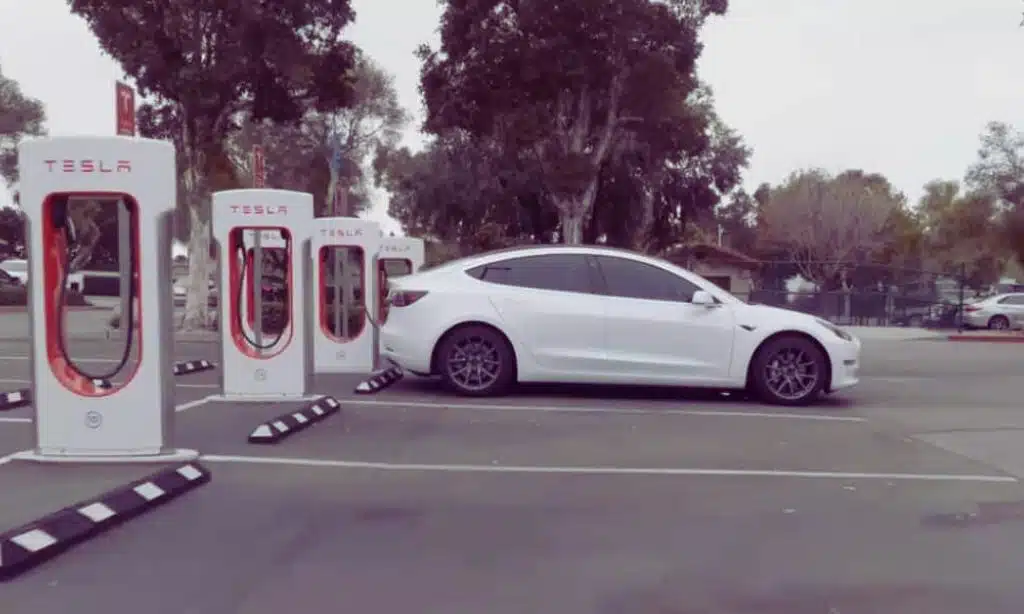
Many people assume that EV charging is a complex process involving special knowledge, adapters, or time-consuming steps.
- Reality Check:
EV charging is quite simple and straightforward, similar to plugging in any electronic device. Most charging connectors are standardized, like the J1772 plug for Level 2 chargers and the CCS plug for DC fast chargers, ensuring compatibility across brands. - Ease of Use:
Charging stations often have user-friendly interfaces, and most EVs have apps that allow drivers to start, stop, and monitor charging remotely. Additionally, Tesla owners have the proprietary Tesla Supercharger network that is exclusive to Tesla vehicles but extremely simple to use. - Pro Tip:
Familiarize yourself with different charging connectors and download an EV charging app to simplify your experience. Most apps provide real-time updates, charging rates, and availability of nearby stations.
7. Misconception: Charging at Public Stations Is Unsafe
Concerns about the safety of public EV charging, including the risk of electric shock or charging port damage, deter some people from using public chargers.
- Reality Check:
Public EV chargers are designed with strict safety protocols to prevent electric shock or other hazards. Charging ports are engineered to detect any abnormalities before delivering power, automatically shutting off if issues are detected. - Safety Features in Place:
Charging stations are equipped with protective features such as temperature control, grounding, and emergency shut-off functions. Public chargers meet rigorous safety standards, making them safe for everyday use. - Pro Tip:
Inspect the charging equipment briefly before plugging in, just as you would with any appliance. Look for signs of damage to the cable or plug for peace of mind, but rest assured that public EV chargers are built with safety as a top priority.
8. Misconception: You Can’t Drive Long Distances with an EV
A common myth is that EVs are only practical for short commutes and can’t handle long-distance travel due to limited range and charging availability.
- Reality Check:
Many modern EVs have ranges exceeding 300 miles per charge, making them capable of long-distance travel. Additionally, with a growing network of DC fast chargers along highways, EV drivers can comfortably travel long distances by planning charging stops. - Range Capabilities Have Improved
EVs are more than capable of handling road trips, and the expansion of high-speed charging networks further enables long journeys. Apps like PlugShare, ChargePoint, and A Better Routeplanner make it easy to map out trips with convenient charging stops. - Pro Tip:
Plan your route and charging stops in advance. Knowing where and when to charge can reduce “range anxiety” and give you a smoother driving experience.
9. Misconception: All EV Chargers Are the Same
People often think all chargers provide the same speed and functionality, which can lead to confusion when it comes to charging times and compatibility.
- Reality Check:
There are several types of EV chargers, each with different power outputs and speeds. Level 1 chargers provide the slowest charge, Level 2 chargers are faster, and DC fast chargers are the quickest option, capable of charging an EV to 80% in about 30 minutes. - Understanding Different Charging Levels
Recognizing the differences between charger levels helps EV drivers choose the right one for their needs. Home Level 1 and Level 2 chargers are suitable for overnight charging, while DC fast chargers are best suited for quick top-ups during travel.
- Pro Tip:
Familiarize yourself with the different levels of charging available and choose chargers based on your needs. For example, home charging with a Level 2 charger may be ideal for regular, overnight charging, while DC fast chargers are excellent for road trips or quick boosts during the day. Knowing where and how to use different chargers makes EV ownership smoother and more convenient.
10. Misconception: EVs Are Just as Harmful to the Environment Due to Electricity Generation
A common concern is that EVs aren’t significantly better for the environment because they rely on electricity, which may come from fossil fuels, negating their eco-friendly benefits.
- Reality Check:
Studies show that EVs are generally more environmentally friendly than gasoline vehicles, even when accounting for electricity generated from fossil fuels. This is because EVs have higher energy efficiency and zero tailpipe emissions. Additionally, as renewable energy sources like wind and solar continue to grow, the carbon footprint of EV charging is expected to decrease further. - Long-Term Environmental Benefits
Many countries, including South Africa, are increasing investments in clean energy sources, gradually greening the electricity grid. This shift means EVs are becoming even more sustainable over time. Moreover, improvements in battery recycling technology are reducing the environmental impact associated with EV battery production and disposal. - Pro Tip:
If possible, consider charging your EV at times when renewable energy sources, such as solar and wind, are contributing to the grid. This small change can help further reduce your vehicle’s environmental footprint, making EV ownership even more sustainable.
Final Thoughts: Separating Myths from Reality in EV Charging
Understanding the facts about EV charging is essential for making informed decisions when considering an electric vehicle.
While misconceptions about EVs and charging infrastructure still linger, the truth is that EV technology has come a long way, with improvements in range, charging speed, infrastructure, and affordability.
As the world transitions towards more sustainable transportation, understanding and debunking these myths can help more people feel confident in adopting EVs.
Whether you’re concerned about charging costs, battery lifespan, or the availability of charging stations, the reality is that EVs offer a convenient and increasingly practical alternative to traditional gasoline vehicles.
Embracing EV technology not only benefits the environment but also offers long-term savings and a more enjoyable driving experience.
By educating yourself on these common misconceptions and learning the truth, you can become part of the movement towards a greener, more sustainable future—without the confusion and hesitation caused by outdated myths.