

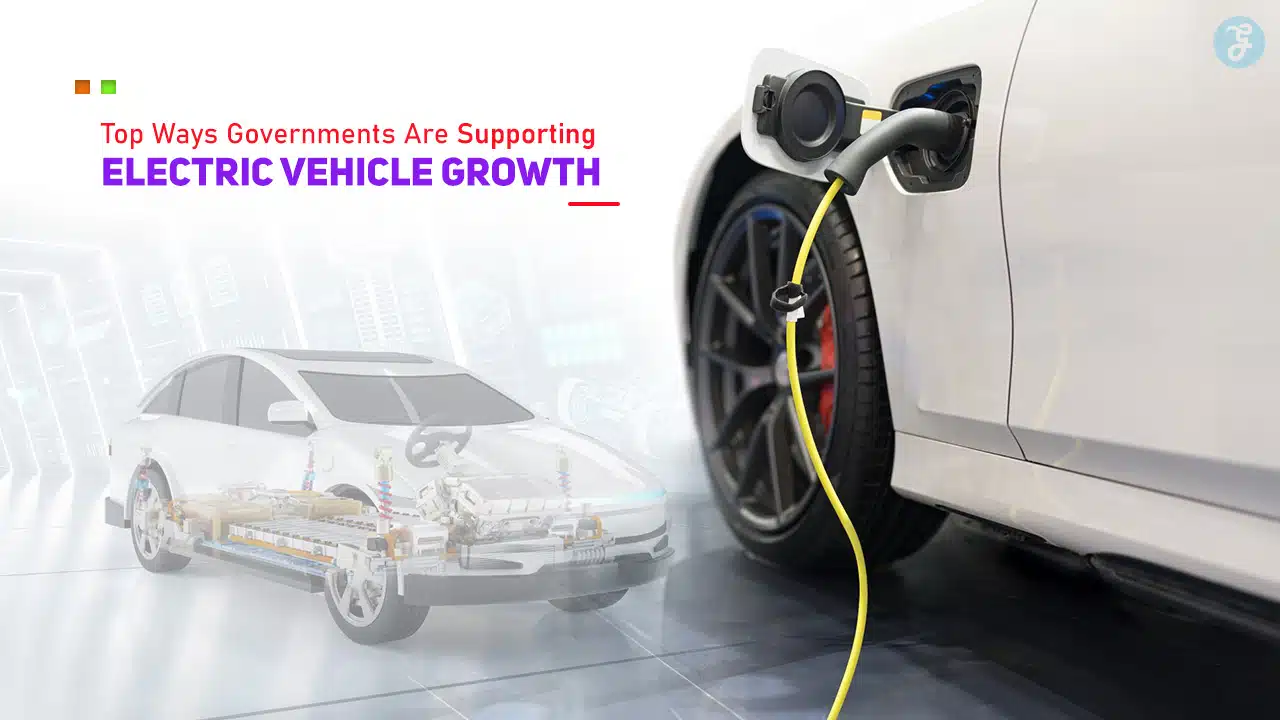
As environmental concerns escalate and the need for sustainable transportation solutions becomes more urgent, governments worldwide are stepping up their efforts to support the growth of electric vehicles (EVs).
Through a combination of financial incentives, regulatory policies, infrastructure investment, and research funding, governments are making EV adoption more accessible and appealing to consumers and businesses alike.
This article explores 10 effective ways that governments around the world are fostering electric vehicle growth.
Each strategy underscores the importance of a sustainable transportation future, helping to reduce greenhouse gas emissions, decrease reliance on fossil fuels, and create cleaner, more livable cities.
Why Government Support is Crucial for Electric Vehicle Growth?
Electric vehicles have the potential to transform the automotive landscape by reducing pollution, improving air quality, and combating climate change.
However, without significant government intervention, EV adoption rates would likely remain low due to higher upfront costs, limited charging infrastructure, and general consumer hesitation regarding new technologies. Here’s why government support is essential:
- Incentivizes Adoption: Financial incentives lower the entry barrier for EV buyers, making these vehicles more affordable and accessible.
- Encourages Infrastructure Development: Government investments in charging infrastructure make EV ownership more practical for drivers.
- Promotes Environmental Benefits: Emission regulations and green energy initiatives are crucial in reducing the environmental impact of transportation.
Let’s delve into the 10 major ways that governments are supporting electric vehicle growth and creating a more sustainable future.
1. Offering Financial Incentives and Rebates
One of the most powerful tools governments have at their disposal to encourage EV adoption is financial incentives. Through rebates, grants, and subsidies, governments can offset the higher upfront costs associated with EVs, making them more accessible to a wider range of consumers.
- Direct Rebates on Purchase Price: Governments offer direct rebates that reduce the initial cost of purchasing an EV, sometimes covering up to 30% of the purchase price.
- Subsidies for Battery and Component Manufacturing: To encourage domestic production, governments offer subsidies to manufacturers of EV components, including batteries, which helps bring down costs for consumers.
- Grants for Low-Income Families: Some governments offer grants specifically aimed at making EVs affordable for low-income households, promoting widespread adoption across demographics.
Examples of Financial Incentives
In the United States, the federal government provides a tax credit of up to $7,500 for eligible electric vehicles. In Germany, the government offers rebates of up to €9,000 for EV purchases, encouraging more consumers to make the switch to electric.
2. Tax Credits and Reductions for EV Buyers

In addition to rebates and subsidies, tax credits and reductions are commonly offered to EV buyers. These tax incentives can significantly reduce the cost of EV ownership, making it more financially appealing for both individuals and businesses.
- Income Tax Credits: Many governments offer tax credits that can be claimed by individuals purchasing EVs, reducing their taxable income.
- Reduced Registration and Road Taxes: EV owners are often eligible for reduced registration fees and road taxes, which further reduce the cost of ownership.
- Corporate Tax Benefits for Fleets: Businesses investing in electric fleets can receive corporate tax deductions or credits, encouraging a transition to EVs in commercial sectors.
Examples of Tax Incentives
In Norway, EV owners are exempt from vehicle registration taxes and toll charges, making EV ownership more cost-effective. China also offers exemptions from vehicle purchase taxes, providing substantial savings for consumers.
3. Investing in EV Charging Infrastructure
A robust and accessible charging infrastructure is essential for making EV ownership practical and convenient. Governments around the world are investing heavily in building public charging stations to alleviate “range anxiety” and make EV charging as convenient as refueling a gasoline vehicle.
- Building Public Charging Networks: Governments fund the installation of public charging stations in urban, suburban, and rural areas, ensuring that EV owners have access to charging facilities wherever they are.
- Support for Fast Charging Stations: High-speed charging infrastructure is critical for long-distance travel, and governments support its development to allow EVs to be charged in minutes rather than hours.
- Incentives for Private Charging Stations: Governments offer grants and subsidies for individuals and businesses to install charging stations at homes and workplaces, promoting widespread access to charging.
Examples of Charging Infrastructure Investment
The UK government has committed over £1 billion to expand its EV charging network, with a goal of having over 300,000 public charging stations by 2030. In the meantime, with significant state funding, California has set ambitious goals to add thousands of charging points statewide.
4. Setting Emission Reduction Targets and Regulations
By setting stringent emission reduction targets, governments are creating regulatory pressure for both consumers and manufacturers to adopt cleaner technologies. Regulations can force automotive manufacturers to shift production towards EVs and encourage consumers to transition away from traditional vehicles.
- CO2 Emission Standards for Automakers: Governments impose CO2 emission limits on manufacturers, pushing them to produce more EVs to meet these targets.
- Vehicle Emission Restrictions in Cities: Some cities impose restrictions on fossil-fuel-powered vehicles in specific areas, incentivizing consumers to switch to EVs.
- Zero-Emission Mandates: Some countries have implemented mandates requiring that a certain percentage of new vehicles sold must be zero-emission vehicles.
Examples of Emission Regulations
In the European Union, new car emission targets require manufacturers to reduce the average CO2 emissions of their fleets, incentivizing EV production. California has a zero-emission vehicle mandate that requires automakers to ensure that a growing percentage of their sales are electric or hybrid vehicles.
5. Supporting EV Research and Development (R&D)
Governments are investing in research and development to drive innovation in EV technologies. This funding accelerates advancements in battery life, charging speed, and overall vehicle performance, making EVs a more attractive option for consumers.
- Funding for Battery Technology Innovations: Governments provide grants and subsidies to companies researching advanced battery technologies that improve EV range and reduce charging time.
- Investment in Alternative Materials: R&D funding supports the development of sustainable materials for batteries, reducing reliance on scarce or harmful resources like cobalt.
- Collaborations with Universities and Private Sector: Governments often partner with academic institutions and private companies to research new EV technologies, accelerating the transition to electric transportation.
Examples of R&D Support
The US Department of Energy funds numerous EV-related research initiatives, including battery development and recycling technologies. Similarly, South Korea has invested billions of dollars in battery research, aiming to establish itself as a leader in EV technology.
6. Enforcing Fuel Efficiency Standards
Fuel efficiency standards are a regulatory approach that compels automakers to produce more fuel-efficient vehicles, indirectly promoting EVs. By making it more challenging for gasoline and diesel vehicles to meet efficiency targets, these standards push manufacturers to include more EVs in their lineup.
- Higher Efficiency Targets for Combustion Engines: Stricter standards for fuel efficiency make traditional vehicles less viable, leading manufacturers to shift focus towards EVs.
- Penalties for Non-Compliance: Manufacturers that fail to meet fuel efficiency standards face penalties, encouraging them to prioritize EV production.
- Encouraging Hybrid and EV Options: To comply with fuel efficiency standards, automakers are incentivized to develop hybrid and electric options that help balance their fleet’s overall fuel efficiency.
Examples of Fuel Efficiency Standards
The EU’s Corporate Average Fuel Economy (CAFE) standards require that automakers achieve increasingly stringent fuel efficiency levels each year. In Australia, the government is exploring the implementation of similar standards, which would further promote the growth of EVs.
7. Implementing Green Energy Incentives for EV Charging
Governments are not only focusing on EV adoption but also on ensuring that EVs are powered sustainably. Through green energy incentives, governments encourage the use of renewable energy sources for EV charging, reducing the environmental impact of electric vehicles.
- Grants for Solar-Powered Charging Stations: Some governments provide grants for businesses and municipalities to install solar-powered EV charging stations, promoting clean energy usage.
- Tax Credits for Renewable Charging Solutions: Tax incentives are offered to homeowners and businesses that install renewable energy sources, like solar panels, to power their EVs.
- Green Energy Requirements for Public Chargers: In some regions, governments mandate that public EV charging stations must use a certain percentage of renewable energy, aligning EV growth with sustainability goals.
Examples of Green Energy Initiatives
Germany has introduced subsidies for renewable-powered charging stations, and by 2035, the state of California will require all new public EV chargers to use renewable energy.
8. Educating the Public on EV Benefits
Public awareness campaigns play a vital role in educating consumers about the environmental and economic benefits of electric vehicles. By addressing common concerns—such as range anxiety, charging infrastructure, and maintenance costs—governments help make EV adoption more appealing to a wider audience.
- Addressing Misconceptions: Public awareness campaigns clarify common misunderstandings about EVs, such as concerns over range or high maintenance costs.
- Promoting Environmental Benefits: Campaigns highlight the positive impact of EVs on air quality and climate change, encouraging environmentally conscious choices.
- Providing Resources and Tools: Governments often create informational websites and tools that help consumers understand the benefits, costs, and incentives associated with EVs.
Examples of Public Awareness Campaigns
The UK government launched the “Go Ultra Low” campaign to educate the public on the benefits of EVs. In Australia, several state governments have funded informational campaigns to dispel myths and encourage EV adoption.
9. Partnering with Private Companies for Charging Solutions
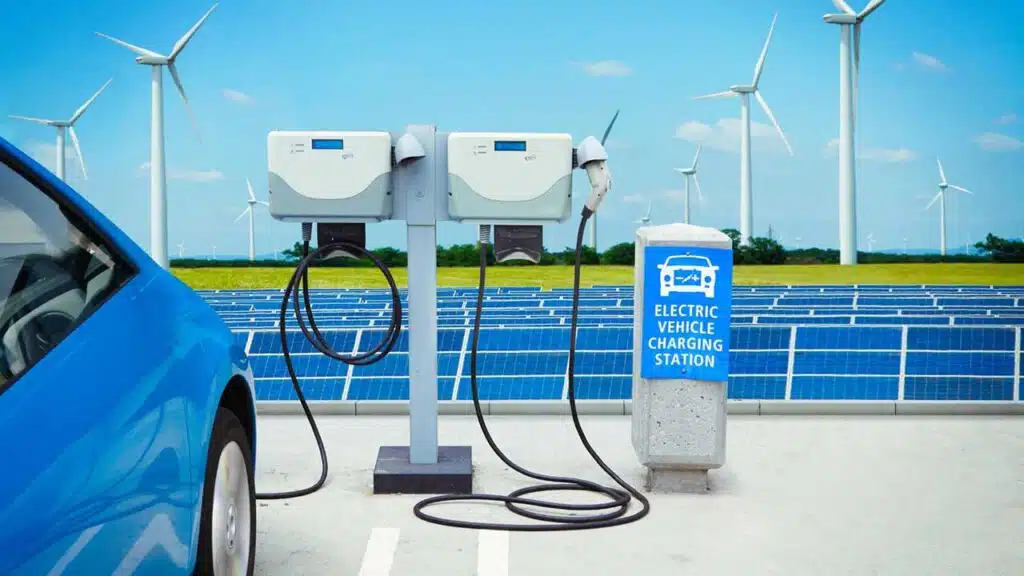
To ensure that EV infrastructure keeps pace with demand, many governments are partnering with private companies to expand the availability of charging stations. These collaborations allow for faster development of charging networks and reduce the financial burden on the public sector.
- Public-Private Charging Networks: Through partnerships, governments and private companies co-invest in building extensive public charging networks, often with priority in high-traffic areas.
- Incentives for Businesses: Many governments offer grants and tax breaks to private companies willing to invest in EV charging infrastructure.
- Creating Interoperable Networks: These partnerships often focus on creating standardized charging systems that work across various EV brands, making the experience seamless for drivers.
Examples of Public-Private Partnerships
In the United States, the government has partnered with companies like ChargePoint and Tesla to install chargers across highways. Similarly, the European Union collaborates with multiple private-sector companies to accelerate charging infrastructure deployment across member countries.
10. Setting Zero Emission Goals and Bans on Fossil Fuel Vehicles
Governments around the world are setting ambitious zero-emission goals and announcing bans on fossil fuel vehicles, creating a long-term vision for a sustainable future. By establishing a clear timeline for the phase-out of internal combustion engines, governments are encouraging manufacturers and consumers to embrace EVs.
- National Zero-Emission Goals: Countries are setting nationwide targets for zero-emission vehicles, encouraging all sectors to adopt clean energy technologies.
- City Bans on Fossil Fuel Vehicles: Many cities are implementing bans on gasoline and diesel vehicles in specific areas, accelerating the need for EVs in urban centers.
- Creating a Roadmap for Transition: These mandates provide a clear roadmap, enabling manufacturers to focus R&D efforts on electric and zero-emission technologies.
Examples of Zero Emission Mandates
The UK plans to ban the sale of new gasoline and diesel vehicles by 2030, and California has set a target to achieve 100% zero-emission vehicle sales by 2035. Norway has set an even more ambitious goal, aiming to phase out fossil fuel cars by 2025.
Conclusion
Governments around the world are playing an instrumental role in fostering the growth of electric vehicles through a combination of incentives, infrastructure investments, and regulatory measures.
By implementing these 10 strategies, governments are making EVs more accessible, appealing, and practical for everyday use.
The transition to electric vehicles is essential for creating a sustainable future, and government support will remain a key driver in achieving this goal.
As policies evolve and technology advances, the momentum behind EV adoption will only grow stronger, leading to a cleaner and greener transportation landscape.





















