Your wallet feels the burn when heat sneaks out of tiny cracks around doors and windows, or when your heater and AC run nonstop. Installing energy-efficient windows and doors can reduce heat transfer and improve energy efficiency.
This post will show you 8 Ways To Make Your Property Energy Efficient Without Breaking The Bank, from sealing air leaks and adding attic insulation to swapping in LED light bulbs and fitting a programmable thermostat.
Keep reading.
Key Takeaways
- Seal gaps in doors and windows with foam sealant and weatherstrips. This can cut heat loss and lower cooling bills by up to 10%.
- Swap out incandescent and halogen bulbs for ENERGY STAR LED lamps. They use 75% less electricity, emit 90% less heat, and may qualify for tax credits.
- Use a programmable thermostat. Raising the setpoint by 1°F saves 5–8% on cooling, and you can slash total HVAC energy use by up to 30%.
- Boost insulation in key areas: add 18″ of attic insulation to reach R-49 and cut cooling costs by 50%, wrap ducts in R-6 sleeves, and seal all joints.
- Install a 1.5 gpm low-flow showerhead to cut water use by 40%. Plug electronics into a surge strip and switch it off to stop phantom energy drain.
Seal Air Leaks Around Windows and Doors
Air gaps cost you cash. You can cut heat loss and boost energy efficiency fast.
- Scan frames with a thermal scanner or sound-based detector in dark rooms at night.
- Seal visible cracks with polyurethane foam sealant, push it in using a caulk gun.
- Fit adhesive weatherstripping along door bottoms and window sashes to block drafts.
- Lock and latch windows tight to seal conditioned air inside and cut energy consumption, this can lower cooling costs by up to 10%.
- Inspect the building envelope in attic crawl spaces, seal gaps around sill plates.
- Retest leaks with a lit candle draft check and note any new spots, seal again.
Upgrade to Energy-Efficient LED Lighting
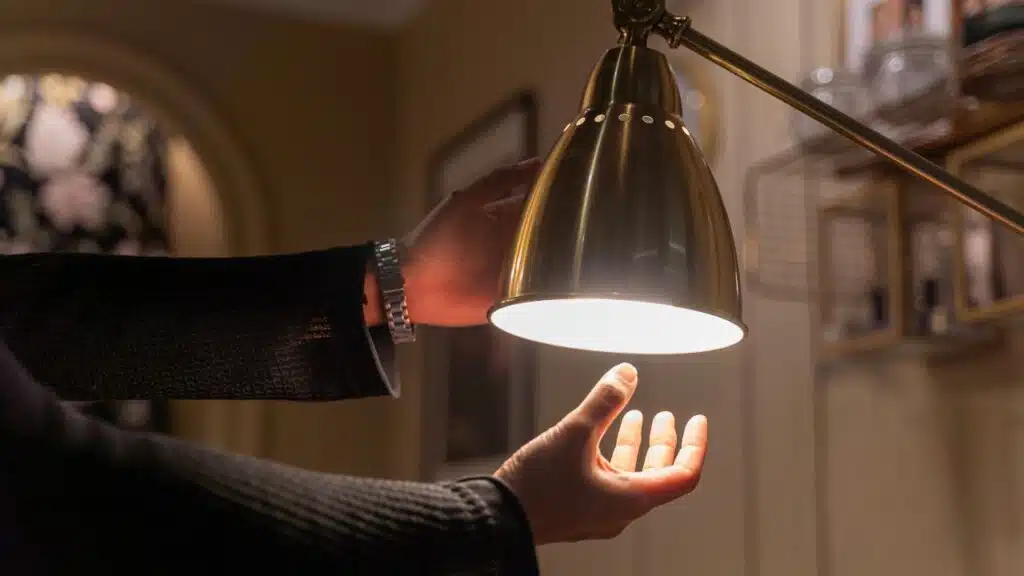
LED lights cut costs and bright rooms with less power. You see big energy savings and lower utility bills fast.
- Walk through your home and note each fixture, check if it holds screw-in bulbs or tube lamps and record current wattage.
- Swap out incandescent and halogen lamps for A19 LED bulbs or CFL units, they trim energy use by 75% and last for years.
- Ditch halogen options, they waste power and heat up the room, LED bulbs emit 90% less heat so your HVAC system works easier.
- Pick bulbs with ENERGY STAR labels to meet strict home energy efficiency rules and qualify for tax credits in many states.
- Install smart lighting controls or dimmer switches, cut standby power with smart plugs, tailor brightness and boost energy savings.
- Check utility bills month to month to spot lower energy costs, track your gains and fine-tune bulb selection for peak performance.
Install a Programmable Thermostat
Clever gadgets called programmable thermostats let you cut heating and cooling costs. A smart dial can save up to 30 percent energy with timed shifts. You set 6 a.m. to 9 a.m. at 75°F.
Then aim for 80°F from 9 a.m. to 5:30 p.m. Switch back to 75°F from 5:30 p.m. to 11 p.m. Sleep mode kicks in at 80°F from 11 p.m. to 6 a.m.
Each 1°F rise on your HVAC control can slash cooling bills by 5 to 8 percent. Heat pumps or air conditioners link with that gadget to boost home energy efficiency. Utility bills can shrink, so you spot real savings.
Add or Improve Insulation in Key Areas
Cold air sneaks in through tiny cracks and gaps. Good insulation can slash utility bills and boost energy efficiency.
- Do a home energy audit and seal leaks around lights, vents, and pipes. Add 18 inches of attic insulation or fill to R-49 to cut cooling costs by 50 percent.
- Fasten 1-inch styrofoam sheets to your garage door and seal edges with tape to stop drafts. This extra layer eases the work on your heating and cooling systems.
- Push R-22 fiberglass batt into wall studs, caulk around outlets and smart plugs, then tape seams with foil. This step cuts heat loss and shrinks your bills.
- Wrap air ducts with R-6 sleeves and seal every joint with duct seal. You keep cool air inside and trim waste from vampire power.
- Lay R-30 batts under the floor in crawl spaces, sealing vents and pipes first. This traps warmth in winter, blocks summer heat gain, and cuts greenhouse gas emissions.
Switch to Low-Flow Showerheads and Faucets
Cutting water flow saves cash and energy. You can swap fixtures fast.
- Pick a low-flow showerhead rated at 1.5 gallons per minute, slashing water use by up to 40%, and cut hot water demand on your Pump Heater.
- Add a faucet aerator that limits flow to 0.5 gallons per minute, so you shave off about 1,000 gallons per year, and ease strain on your water heater.
- Check flow with a bucket and stopwatch, so you spot leaks or old models that waste gallons, and curb your carbon footprint.
- Clip in a twist-on fixture kit in minutes, so you skip a plumber fee, slash utility bills, and laugh at big water stacks.
- Pair low-flow heads with a thermostatic valve to keep pressure strong, let you enjoy a warm rinse, and shrink energy consumption.
Use Energy-Efficient Appliances
Old fridges guzzle power. Energy Star appliances zip through chores with less juice. New front-load washing machines sip electricity, they cut energy bills by 25 percent. Heat pump water heaters trim water heating costs.
Smart plugs let you time laundry for cooler nights, they sync with solar panels or off-peak rates.
Microwave ovens and toaster ovens keep kitchens cool, they ease stress on air conditioning. Induction cooktops heat fast, they use far less energy than standard ranges. Grills outside cook dinner, you catch backyard breezes and spare your HVAC system extra work.
Maximize Natural Light and Ventilation
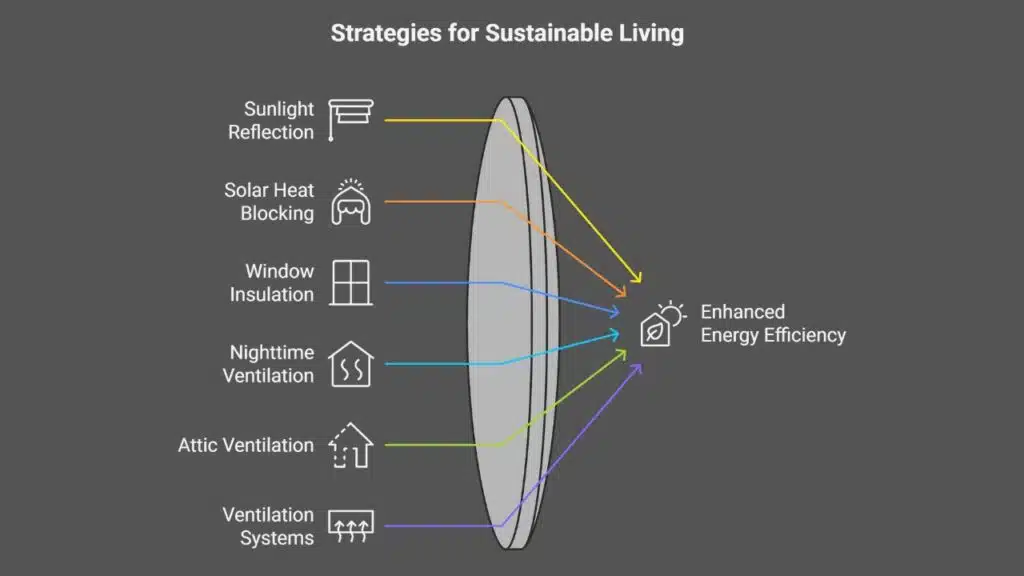
Sunlight brightens rooms and cuts energy use. Light-colored curtains reflect sunlight. Awnings or tinted films block solar heat and ease hvac strain. Triple-pane windows enhance home energy efficiency.
Open windows at night and run box fans to circulate cool air. Gable vents in attics lower temperatures by about 10°F. The Texas Cool method brings fresh air in morning and evening.
Ventilation systems improve indoor air quality and trim cooling bills.
Unplug Electronics to Reduce Vampire Energy Drain
Idle gadgets can sip power even when off. These phantom loads swell your energy bills like secret leaks in a dam.
- Plug gadgets into a surge protector, then kill the strip to stop vampire energy in its tracks.
- Affix a label on each strip, so you know which hub controls your gaming console or soundbar.
- Pick a smart outlet to schedule power cuts, you can trim phantom loads right from your phone.
- Shift little-used appliances to a single power board, it slashes idle draws without extra effort.
- Unplug phone chargers, toaster oven, slow cooker after every cycle, you curb wasted watts.
- Scan behind your TV and stereo, ghost draws love hiding in stray electrical outlets.
- Ask a home energy auditor to find stealthy phantom loads, you boost home energy efficiency and cut greenhouse gas emissions.
Takeaways
You can cut bills and boost comfort at once. Sealing gaps, boosting attic insulation, or fitting high-efficiency tube bulbs makes a big difference. You might swap old doors for energy-efficient windows or plug in sun cells to tap solar energy.
A setback timer and smart plugs help you tweak settings from anywhere. Save money, lower greenhouse gases, and enjoy a greener home.
FAQs
1. How can I cut my utility bills right away?
Swap old bulbs for LED light bulbs, plug in energy-efficient appliances, seal air leaks with weather stripping or spray foam, boost attic insulation. Each step will reduce energy consumption, and you will spot savings fast.
2. Is solar energy worth the cost on a tight budget?
You can add small solar panels tied to a battery storage kit, so you store sun power for later. It is a form of renewable energy that helps combat climate change, and it cuts your bills over time.
3. What winter energy-saving tips help my heating and cooling?
Seal gaps around doors and windows, tune up your HVAC systems and air conditioning units, and add more attic insulation. This keeps home heating costs low and trims greenhouse gas emissions.
4. Are energy-efficient windows a smart buy?
Yes. Double-pane windows or triple-pane windows with a good solar heat gain coefficient block drafts and glare. You can even add window films to keep your home cozy or cool, and raise property value.
5. How do smart thermostats and connected gadgets save energy?
Smart thermostats learn your routine, so they heat or cool only when you need it. A connected gadget can switch off idle devices, so you cut waste without lifting a finger.
6. Do I need a home energy audit before I upgrade?
A home energy audit spots leaks in your heating system and shows where air sealing helps most. It points to fixes for HVAC equipment, and it can guide you to upgrades that boost home energy efficiency.