

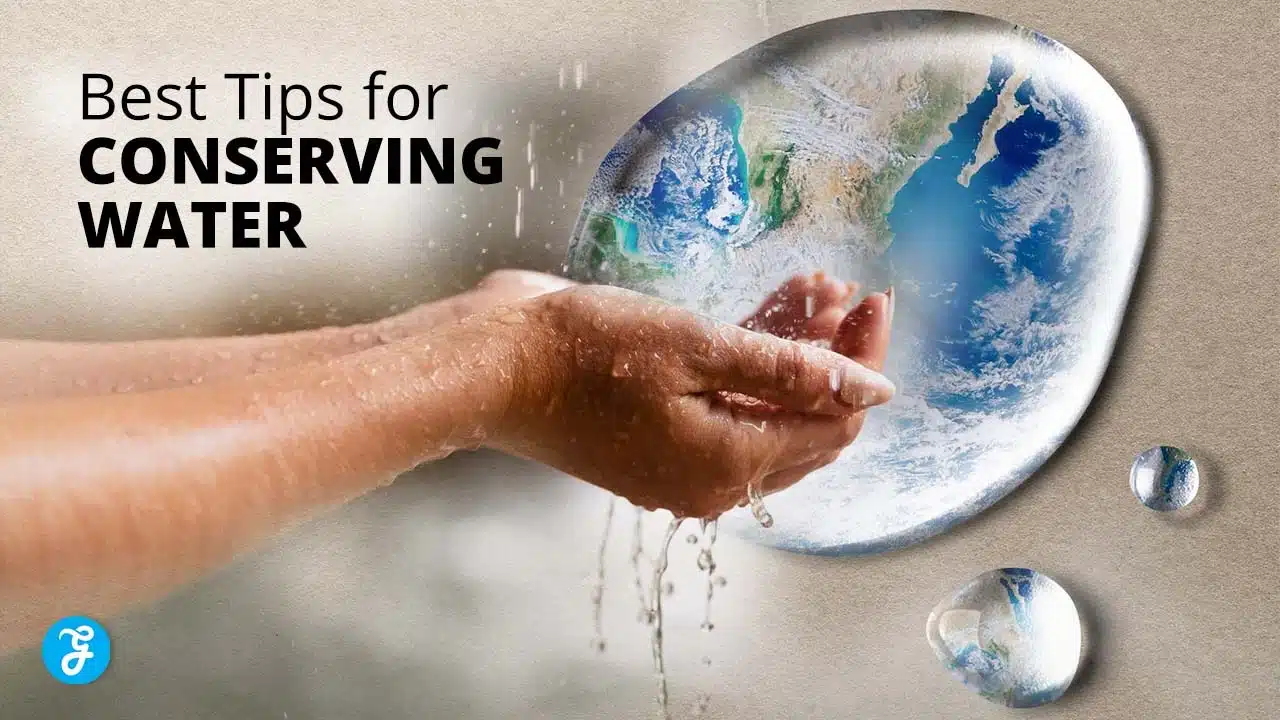
Water conservation is a critical practice for preserving one of our most valuable resources. Not only does conserving water benefit the environment, but it also helps save money on your water bill.
By finding simple ways to reduce water usage daily, you can make a significant impact on both your ecological footprint and your finances.
Why Should We Conserve Water?
Conserving water is essential for several reasons. Environmentally, it helps sustain our ecosystems and reduce the energy required for water treatment and distribution.
Economically, it can lead to substantial savings on utility bills. As the cost of water increases due to infrastructure investments and water scarcity in some regions, reducing water use becomes even more critical.
1. Install Water-Saving Bathroom Fixtures
One of the easiest ways to save water is by installing water-efficient fixtures in your bathroom. Dual-flush toilets allow you to control the amount of water used per flush.
Low-flow showerheads and faucets reduce water flow without compromising performance. These small changes can significantly cut down your water usage with minimal effort.
Tip: When upgrading your bathroom, always opt for water-saving fixtures to maximize conservation.
2. Limit Dishwasher and Washing Machine Usage
Household appliances like dishwashers and washing machines account for a large portion of home water use. To conserve water, only run these appliances with full loads.
Modern dishwashers are efficient and don’t require pre-rinsing of dishes, saving both water and time. Upgrading to energy-efficient models can also reduce water consumption.
Tip: Look for appliances with the EPA Energy Star label to ensure they are water- and energy-efficient.
3. Turn Off the Water When Brushing Your Teeth or Shaving
A simple yet effective way to save water is by turning off the faucet while brushing your teeth or shaving. Many people let the water run continuously, wasting gallons each day. By only using water when necessary, you can significantly reduce your water usage.
Tip: Develop a habit of turning off the tap when it’s not in use during your morning routine.
4. Turn Off the Faucet While Washing Dishes or Preparing Food
In the kitchen, avoid letting the faucet run unnecessarily. Fill a basin or the sink to wash dishes or rinse fruits and vegetables. The water used for rinsing can be reused to water household plants or gardens, making your water use more efficient.
Tip: Limit the use of garbage disposals and compost food waste instead to save water.
5. Take Shorter Showers
Long showers can be relaxing, but they also use a lot of water. Try to limit your daily showers to five minutes or less. You can save even more water by turning off the shower while lathering and turning it back on to rinse off.
Tip: Use a timer to help keep your showers short and efficient.
6. Fix Leaks Promptly

Leaky faucets and pipes can waste a significant amount of water over time. Regularly check for and fix leaks in your plumbing to prevent water wastage. Even small drips can add up to gallons of wasted water each day.
Tip: Test your toilet for leaks by adding a few drops of food coloring to the tank. If the color appears in the bowl without flushing, you have a leak.
7. Clean Outdoor Areas with a Broom
Instead of using a hose to clean driveways, sidewalks, and patios, use a broom. This method saves a considerable amount of water. When washing your car, fill a bucket with soapy water for cleaning and only use the hose for rinsing.
Tip: Consider taking your car to a carwash that recycles water.
8. Water Your Lawn Smartly
Lawn and garden watering can consume a lot of water. Water your lawn early in the morning or late in the evening when temperatures are cooler to reduce evaporation. Adjust sprinklers to avoid watering sidewalks or driveways and install a shut-off valve on hoses to control water flow.
Tip: Use a rain gauge to monitor rainfall and adjust your watering schedule accordingly.
9. Install a Rain Barrel
Collecting rainwater is an excellent way to water your garden without using tap water. Rain barrels capture runoff from your roof and store it for future use. This method not only conserves water but also reduces your water bill.
Tip: Use rainwater for watering plants, gardens, and even indoor plants to make the most of this free resource.
10. Plan a Water-Efficient Garden
Design your garden with water efficiency in mind. Choose native plants that require less water and use mulch to retain soil moisture. Group plants with similar water needs together to optimize watering.
Tip: Incorporate drought-resistant plants and efficient irrigation systems to further reduce water use.
11. Avoid Decorative Water Features
While water features like fountains and ponds can enhance your landscape, they can also waste water. Opt for features that recycle water or place them in shaded areas to reduce evaporation. Turning them off during hot days can also help conserve water.
Tip: If you must have a water feature, choose one that is solar-powered and recycles water.
12. Carry Drinking Water with You
Instead of relying on public drinking fountains, which can waste water, carry a reusable water bottle. This practice not only conserves water but also reduces plastic waste from disposable bottles.
Tip: Choose a high-quality, reusable water bottle to stay hydrated on the go and reduce environmental impact.
Conclusion
Conserving water is a crucial practice that benefits both the environment and your finances. By implementing these 12 tips, you can significantly reduce your water usage and help preserve our most precious resource. From simple habits like turning off the tap while brushing your teeth to investing in water-saving appliances and fixtures, every small action contributes to a larger impact.





















