The rise of solar energy in real estate isn’t just a passing trend—it’s becoming a core pillar of sustainable living. The Benefits of Solar Energy for Green Real Estate are vast, ranging from reducing energy costs to increasing property value.
With energy prices continuing to rise and environmental concerns escalating, solar energy is quickly becoming a must-have feature for homeowners, businesses, and real estate investors.
In this article, we’ll dive deep into the compelling advantages that solar energy brings to the green real estate market, providing actionable insights, examples, and real-time data to show you why solar power is the future of real estate.
Introduction to Solar Energy in Green Real Estate
Solar energy has surged in popularity, not just for its environmental benefits but also due to significant advancements in technology, affordability, and efficiency. As of 2023, the U.S. solar industry installed nearly 24 gigawatts (GW) of new capacity, bringing total solar capacity to over 150 GW.
This surge is supported by improved solar panel efficiency and decreasing costs—solar panels have become 90% cheaper in the last decade. The transition to solar is now not only affordable but also practical, making it a strategic move for green real estate developers and property owners alike.
Solar Energy’s Role in Sustainable Real Estate
The integration of solar energy into green real estate aligns with the overarching goals of reducing carbon footprints, conserving energy, and supporting sustainable communities. With increasing pressure from both consumers and governments, developers are finding that energy-efficient buildings with renewable energy solutions like solar panels are more attractive to buyers and tenants.
Example: In 2022, the U.S. Green Building Council reported that over 90% of new commercial buildings in the U.S. sought energy-efficient certifications like LEED (Leadership in Energy and Environmental Design). These buildings often incorporated solar energy solutions as part of their design to achieve such certifications.
Solar Energy and Sustainable Development Goals (SDGs)
The role of solar energy in achieving the United Nations Sustainable Development Goals (SDGs) is undeniable. By reducing reliance on non-renewable energy sources, solar energy directly supports SDG 7 (Affordable and Clean Energy) and SDG 13 (Climate Action). Real estate projects that integrate solar energy not only meet global sustainability targets but also enhance the environmental credibility of the developers and homeowners who adopt them.
Top 10 Benefits of Solar Energy for Green Real Estate
Let’s take a look.
1. Reduces Energy Costs for Homeowners and Businesses
Reducing energy costs is one of the most immediate and obvious benefits of installing solar panels. Properties equipped with solar panels can significantly lower their electricity bills, providing an efficient and long-term solution to rising energy prices.
How Solar Panels Lead to Financial Savings
While the initial investment for solar systems can be high, the return on investment (ROI) is substantial. The average U.S. homeowner can save approximately $10,000 to $30,000 over the lifetime of their solar panels, depending on their location and energy usage. Moreover, solar energy systems often have payback periods of just 5 to 7 years.
Real-Time Example: A family in Arizona installed a 6 kW solar system and saved around $2,400 annually. Their initial system cost $18,000 but was offset by state incentives, tax credits, and immediate savings on energy bills.
| Solar System Size (kW) | Location | Annual Savings | Payback Period | Total Installation Cost |
| 6 | Arizona | $2,400 | 7 years | $18,000 |
| 5 | California | $2,000 | 6 years | $15,000 |
| 4 | New York | $1,500 | 8 years | $12,000 |
The Power of Net Metering
Net metering allows homeowners and businesses with solar panels to sell excess energy back to the grid, generating credits that can offset future energy costs. This further amplifies the savings potential of solar energy.
2. Increases Property Value and Market Demand
Real estate markets have seen a marked increase in demand for solar-equipped homes. The integration of solar panels adds both immediate financial benefits and long-term value.
How Solar Panels Impact Resale Value
Studies consistently show that solar panels increase property value. According to a 2020 report from Zillow, homes with solar panels sold for 4.1% more than similar homes without solar in the U.S. This premium is particularly noticeable in regions with high electricity costs.
Case Study: A home in San Francisco with solar panels was sold for $25,000 more than a comparable home without solar, reflecting the growing consumer demand for energy-efficient homes.
| City | Solar Panel Premium | Average Home Price Increase | Selling Time Reduction |
| San Francisco, CA | $25,000 | 4.1% | 25% faster |
| Denver, CO | $18,000 | 3.5% | 22% faster |
| Austin, TX | $16,000 | 3.2% | 18% faster |
Attracting Eco-Conscious Buyers
As the trend toward sustainability grows, buyers are increasingly seeking homes that align with their environmental values. Homes equipped with solar panels meet this demand, positioning sellers and developers in a highly competitive market.
3. Supports Sustainable Building Practices
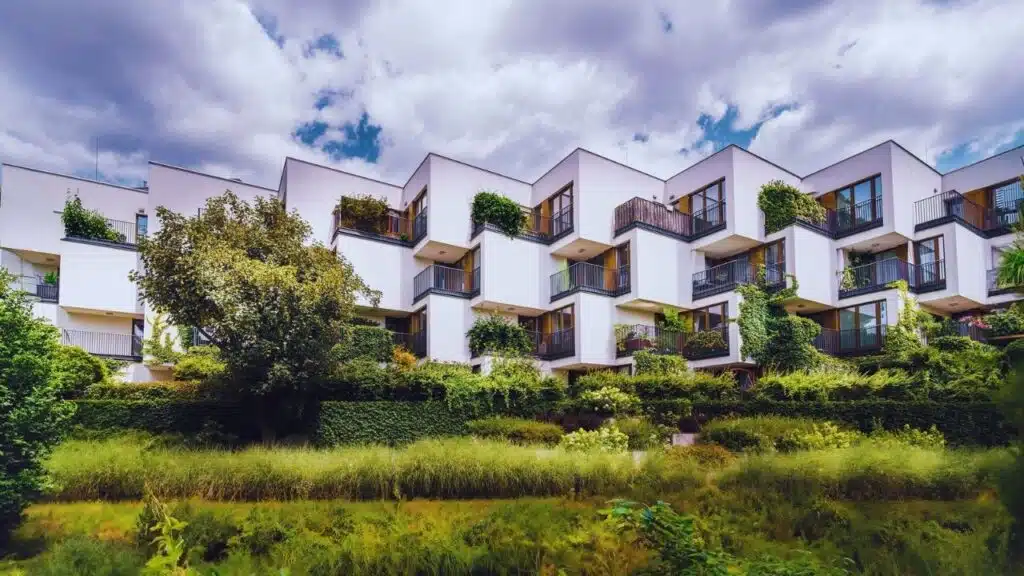
Solar energy is a key component of sustainable real estate development. By reducing the reliance on non-renewable energy sources, solar-powered properties contribute to a cleaner environment and help achieve global sustainability goals.
Combining Solar with Other Green Building Materials
Solar energy doesn’t exist in a vacuum. When combined with other sustainable building materials—such as energy-efficient windows, natural insulation, and green roofs—the environmental impact of a building is dramatically reduced.
Example: The Bullitt Center in Seattle, often considered the world’s greenest commercial office building, integrates solar power, rainwater collection, and energy-efficient systems. The building produces more energy than it consumes annually, demonstrating the powerful synergy between solar energy and green building practices.
4. Lowers Carbon Footprint and Environmental Impact
By integrating solar power, buildings can significantly lower their carbon footprints. Traditional buildings relying on fossil fuels emit substantial amounts of carbon dioxide (CO2) and other pollutants into the atmosphere. Solar energy, on the other hand, offers a clean, renewable energy source that reduces these emissions.
Achieving Net-Zero Emissions with Solar
Many new construction projects aim to be net-zero, meaning the property generates as much energy as it consumes. Solar energy is a vital technology in achieving this goal. In fact, studies show that buildings powered by solar panels can offset up to 100% of their carbon emissions, depending on energy use and local climate conditions.
Impact on Greenhouse Gas Reduction
According to the U.S. Environmental Protection Agency (EPA), the average residential solar system can reduce over 100,000 pounds of CO2 emissions over its lifetime, equivalent to the carbon sequestration capacity of two acres of forest.
| System Size (kW) | CO2 Offset (lbs/year) | Equivalent Tree Planting (Acres) |
| 5 | 7,000 | 1 |
| 6 | 8,400 | 1.2 |
| 10 | 14,000 | 2 |
5. Provides Energy Independence and Security
Solar power provides energy independence by reducing reliance on external power sources. Property owners with solar panels can enjoy energy security, even during power outages, when paired with battery storage systems.
The Role of Battery Storage
Battery storage systems, such as the Tesla Powerwall, allow solar-powered homes to store excess energy for use during nighttime or power outages. This adds an additional layer of resilience to the energy supply, making solar-powered homes far more secure.
Reducing Vulnerability to Energy Price Fluctuations
Solar power can buffer property owners from the volatility of energy prices, which have been steadily rising. With solar panels, homeowners can avoid the fluctuating costs of electricity from traditional utilities.
6. Reduces Maintenance Costs for Property Owners
Solar panels are known for their low maintenance requirements. They typically come with warranties ranging from 20 to 25 years, and with minimal moving parts, their lifespan can exceed three decades.
The Low-Maintenance Advantage of Solar Panels
Solar panels require only periodic cleaning to remove dust and debris. With high-quality panels and regular inspection, the cost of maintaining a solar system is minimal compared to other energy systems like heating and cooling units.
Real-Time Example: A homeowner in Nevada reported a maintenance cost of just $100 per year for regular solar panel cleaning and monitoring, compared to $1,200 annually in maintenance for their old air conditioning system.
7. Attractive for Environmentally Conscious Buyers and Renters
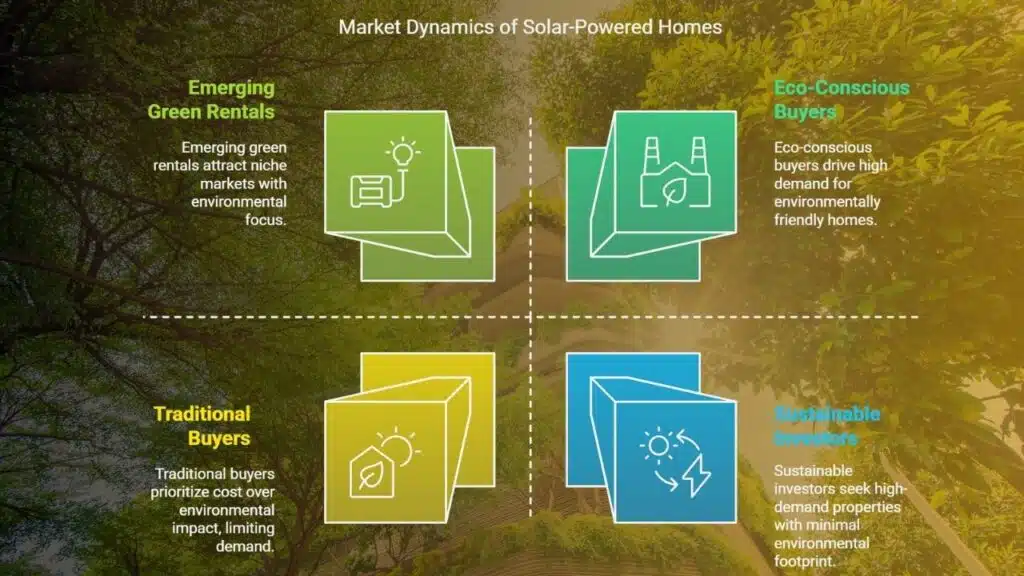
As more buyers and renters prioritize sustainability, solar-powered homes are becoming increasingly attractive. People are looking to reduce their environmental impact and are willing to invest in homes that align with their eco-friendly lifestyle.
Catering to the Green Consumer
Eco-conscious buyers appreciate that solar panels provide not just energy savings but also contribute to their overall environmental footprint reduction. Properties with solar panels are more likely to appeal to these buyers, ensuring faster sales or higher rents.
Growth of the Green Rental Market
As sustainability becomes a key priority, even renters are looking for homes that offer green features like solar energy. Green leases—contracts that include energy-efficient clauses—are on the rise, providing benefits to both landlords and tenants in terms of reduced energy costs and environmental impact.
8. Government Incentives and Tax Benefits
Governments around the world provide various incentives to encourage the adoption of solar energy, from tax credits to rebates.
U.S. Federal Tax Credit for Solar Systems
In the U.S., the Federal Solar Investment Tax Credit (ITC) offers a 26% tax credit for solar installations, making solar more affordable. This tax credit can be applied to both residential and commercial systems, significantly reducing the upfront costs.
State and Local Solar Incentives
In addition to federal incentives, many states and municipalities offer their own rebate programs. For instance, California offers up to $1,000 in rebates for qualifying solar systems, while New York’s Solar Energy System Equipment Credit provides 25% of system costs as a state tax credit.
9. Promotes a Healthier Living Environment
Solar energy helps improve the living environment by reducing reliance on harmful fossil fuels, which can contribute to indoor air pollution and health issues.
How Solar Energy Improves Indoor Air Quality
By reducing the need for gas-powered appliances, solar homes contribute to better indoor air quality. This is particularly important in urban areas where pollution is a concern. Additionally, solar-powered homes with efficient HVAC systems are less likely to cause air quality issues.
10. Future-Proofing Real Estate for Emerging Energy Trends
The world is moving toward a future where renewable energy will be the norm, and homes and businesses that incorporate solar panels are poised to be future-proofed for this transition.
Adapting to Changing Energy Regulations
With global energy policies shifting towards sustainability, buildings with solar panels are likely to stay compliant with stricter environmental regulations. This future-proofing makes solar energy systems a wise investment for long-term stability.
Integration of Smart Technologies with Solar Systems
Emerging smart home technologies are complementing solar energy systems, allowing homeowners to optimize energy consumption through automated systems. Smart thermostats, energy-efficient appliances, and real-time energy monitoring tools are just some of the innovations that enhance the benefits of solar energy.
Wrap Up
The Benefits of Solar Energy for Green Real Estate are substantial, encompassing everything from energy cost savings to increased property values and environmental benefits.
As the world shifts toward more sustainable living, the adoption of solar energy in real estate will continue to grow. Whether you’re a homeowner, developer, or real estate investor, integrating solar energy offers long-term advantages in a market that increasingly values sustainability.
By adopting solar, you’re not just reducing your carbon footprint—you’re also investing in a brighter, more energy-efficient future for the real estate market.