

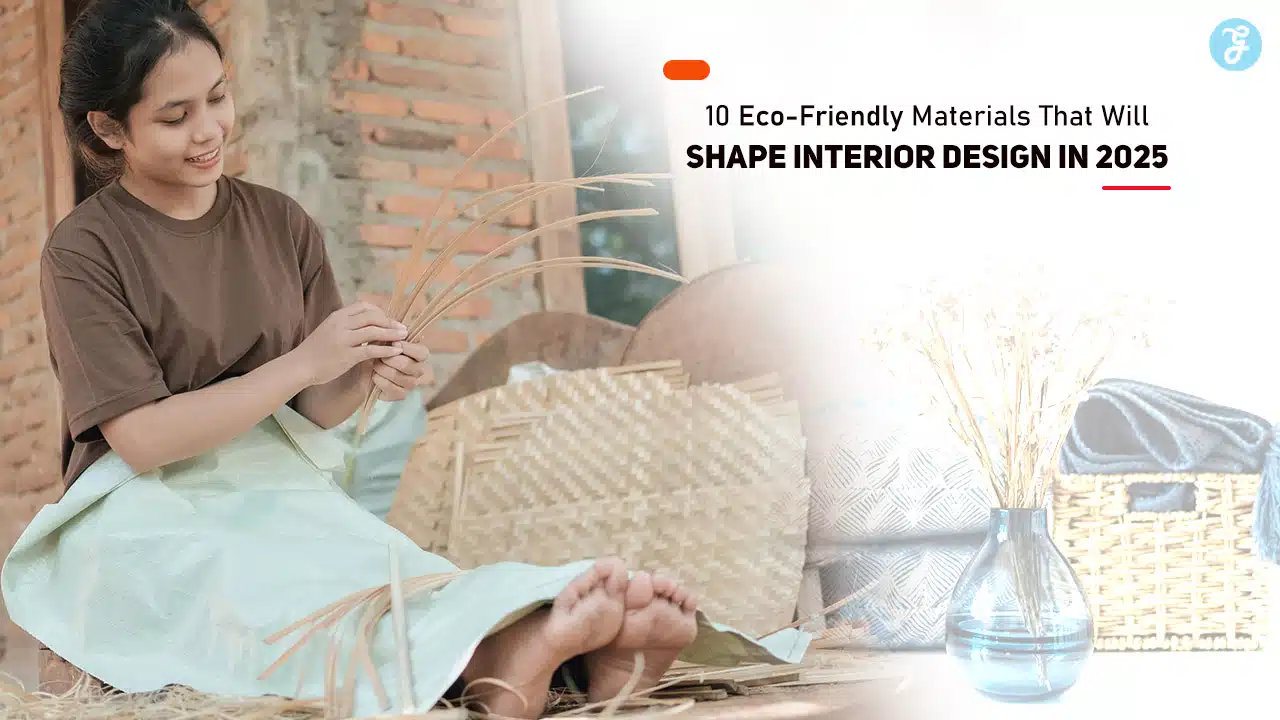
As the world continues to prioritize sustainability, eco-friendly materials are emerging as the cornerstone of modern interior design.
By 2025, sustainable and renewable resources will not only dominate trends but also redefine how we think about design, function, and environmental responsibility in our homes.
Incorporating these materials into your interior spaces not only reduces environmental impact but also creates healthier, more beautiful living environments.
This article explores 10 eco-friendly materials poised to shape the future of interior design. Whether you’re an interior designer, architect, or homeowner, these materials will inspire your next project.
1. Recycled Wood
Why It’s Important
Recycled wood is a timeless material that combines sustainability with natural beauty. It gives new life to salvaged wood, reducing deforestation and waste.
Applications in Interior Design
- Flooring: Distressed, reclaimed wood flooring adds character and warmth.
- Furniture: Custom tables, shelves, and chairs made from salvaged wood.
- Wall Panels: Rustic wooden panels create striking accent walls.
Benefits
- Reduces demand for new lumber.
- Durable and long-lasting.
- Adds a rustic or industrial aesthetic to any space.
Pro Tip: Look for FSC-certified recycled wood to ensure responsible sourcing.
2. Bamboo
Why It’s Important
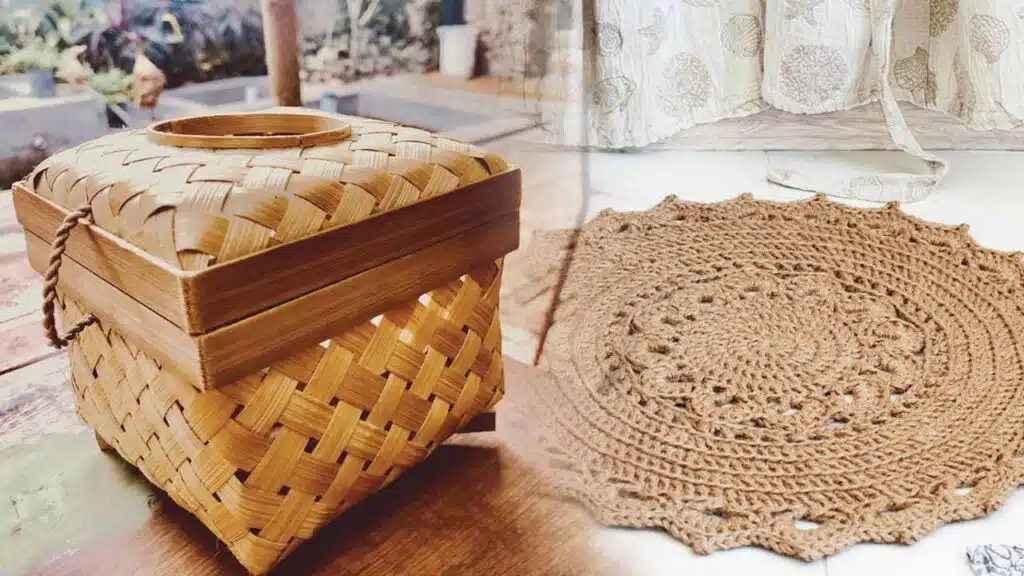
Bamboo is one of the fastest-growing renewable resources, making it an eco-friendly superstar. Its versatility and strength make it ideal for various design applications.
Applications in Interior Design
- Flooring: Bamboo floors are durable and resistant to moisture.
- Furniture: Lightweight and strong bamboo is used for tables, chairs, and bed frames.
- Decorative Elements: Bamboo blinds, wall coverings, and light fixtures add a natural touch.
Benefits
- Rapid regrowth ensures sustainability.
- Biodegradable and recyclable.
- Adds a modern yet organic feel to interiors.
Pro Tip: Choose strand-woven bamboo for added durability in high-traffic areas.
3. Cork
Why It’s Important
Harvested from the bark of cork oak trees without harming the tree, cork is a renewable and versatile material perfect for sustainable interiors.
Applications in Interior Design
- Flooring: Cork floors are soft, resilient, and insulating.
- Wall Coverings: Cork panels add texture and soundproofing.
- Décor: Use cork in furniture accents, coasters, or light fixtures.
Benefits
- Naturally hypoallergenic and antimicrobial.
- Provides excellent thermal and acoustic insulation.
- Adds warmth and texture to spaces.
Pro Tip: Seal cork surfaces to enhance durability and prevent staining.
4. Recycled Glass
Why It’s Important
Recycled glass is a chic, eco-conscious material that transforms post-consumer waste into striking design elements.
Applications in Interior Design
- Countertops: Stunning terrazzo-style countertops from crushed glass.
- Tiles: Vibrant mosaic tiles for kitchens and bathrooms.
- Decorative Pieces: Glass vases, chandeliers, and wall art.
Benefits
- Reduces landfill waste.
- Resistant to stains, scratches, and heat.
- Available in a variety of colors and finishes.
Pro Tip: Use recycled glass tiles to add a pop of color to backsplashes or showers.
5. Hempcrete
Why It’s Important
Hempcrete is an innovative, eco-friendly alternative to traditional concrete. Made from hemp fibers, lime, and water, it’s lightweight and sustainable.
Applications in Interior Design
- Walls: Insulated hempcrete walls are energy-efficient.
- Floors: Durable and moisture-resistant hempcrete flooring.
- Furniture: Eco-friendly tables and seating made from hemp fibers.
Benefits
- Excellent thermal and acoustic insulation.
- Non-toxic and mold-resistant.
- Reduces the carbon footprint of construction projects.
Pro Tip: Pair hempcrete walls with natural finishes for a seamless, eco-friendly design.
6. Recycled Plastic
Why It’s Important
Recycled plastic turns waste into functional, stylish materials for interior design. It offers durability while tackling global plastic pollution.
Applications in Interior Design
- Furniture: Chairs and tables made from repurposed plastic.
- Décor: Decorative panels, planters, and art installations.
- Flooring: Durable, colorful flooring options for high-traffic areas.
Benefits
- Diverts plastic from landfills and oceans.
- Available in a variety of colors and textures.
- Highly durable and low-maintenance.
Pro Tip: Seek brands that specialize in 100% post-consumer recycled plastics for maximum sustainability.
7. Clay and Natural Plaster
Why It’s Important
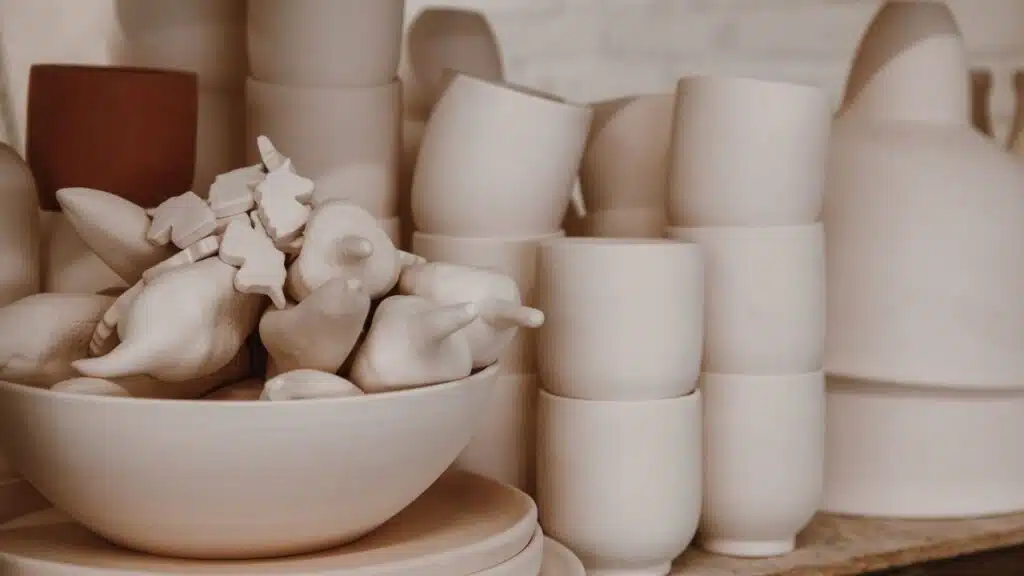
Clay and natural plaster create breathable, non-toxic wall finishes that regulate humidity and improve indoor air quality.
Applications in Interior Design
- Wall Finishes: Earthy, textured walls in living rooms and bedrooms.
- Decorative Elements: Handmade pottery, lamps, and planters.
- Flooring: Clay tiles for a rustic, timeless look.
Benefits
- Biodegradable and free from harmful chemicals.
- Regulates indoor temperature and humidity naturally.
- Adds a warm, artisanal aesthetic to spaces.
Pro Tip: Combine clay walls with natural light to enhance their earthy tones.
8. Reclaimed Metal
Why It’s Important
Reclaimed metal repurposes industrial and construction waste into stunning design elements, reducing demand for newly mined materials.
Applications in Interior Design
- Fixtures: Pendant lights, chandeliers, and faucets.
- Furniture: Industrial-style chairs, tables, and shelving.
- Wall Art: Sculptures or panels made from salvaged metal.
Benefits
- Highly durable and resistant to wear.
- Adds an industrial or contemporary vibe.
- Reduces environmental impact through reuse.
Pro Tip: Pair reclaimed metal with warm materials like wood for balanced aesthetics.
9. Wool and Natural Fabrics
Why It’s Important
Natural textiles like wool, cotton, and jute are biodegradable, renewable, and perfect for eco-friendly interiors.
Applications in Interior Design
- Rugs: Handwoven wool or jute rugs for living spaces.
- Upholstery: Natural cotton or linen for sofas and chairs.
- Curtains: Organic fabrics for soft, breathable window treatments.
Benefits
- Hypoallergenic and non-toxic.
- Adds warmth and comfort to interiors.
- Durable and easy to clean.
Pro Tip: Opt for organic or Fair Trade-certified fabrics for added sustainability.
10. Mycelium
Why It’s Important
Mycelium, the root structure of fungi, is a groundbreaking material in sustainable design. It’s lightweight, biodegradable, and incredibly versatile.
Applications in Interior Design
- Furniture: Innovative seating, tables, and partitions.
- Lighting: Organic, sculptural lampshades.
- Wall Panels: Acoustic panels with a natural, earthy appearance.
Benefits
- Grows quickly with minimal resources.
- Fully compostable at the end of its life cycle.
- Adds a futuristic yet organic feel to interiors.
Pro Tip: Use mycelium products as statement pieces to spark conversations about sustainability.
Conclusion
The future of interior design is green, and these 10 eco-friendly materials are at the forefront of the movement. By incorporating recycled wood, bamboo, cork, and other sustainable options into your designs, you not only contribute to a healthier planet but also create beautiful, enduring spaces.
Whether you’re redesigning a single room or an entire home, these materials will help you stay ahead of trends and make a positive environmental impact.
Embrace these eco-friendly innovations and shape the interior design landscape of 2025 and beyond.
Start your sustainable design journey today and create spaces that inspire and preserve our planet!





















