

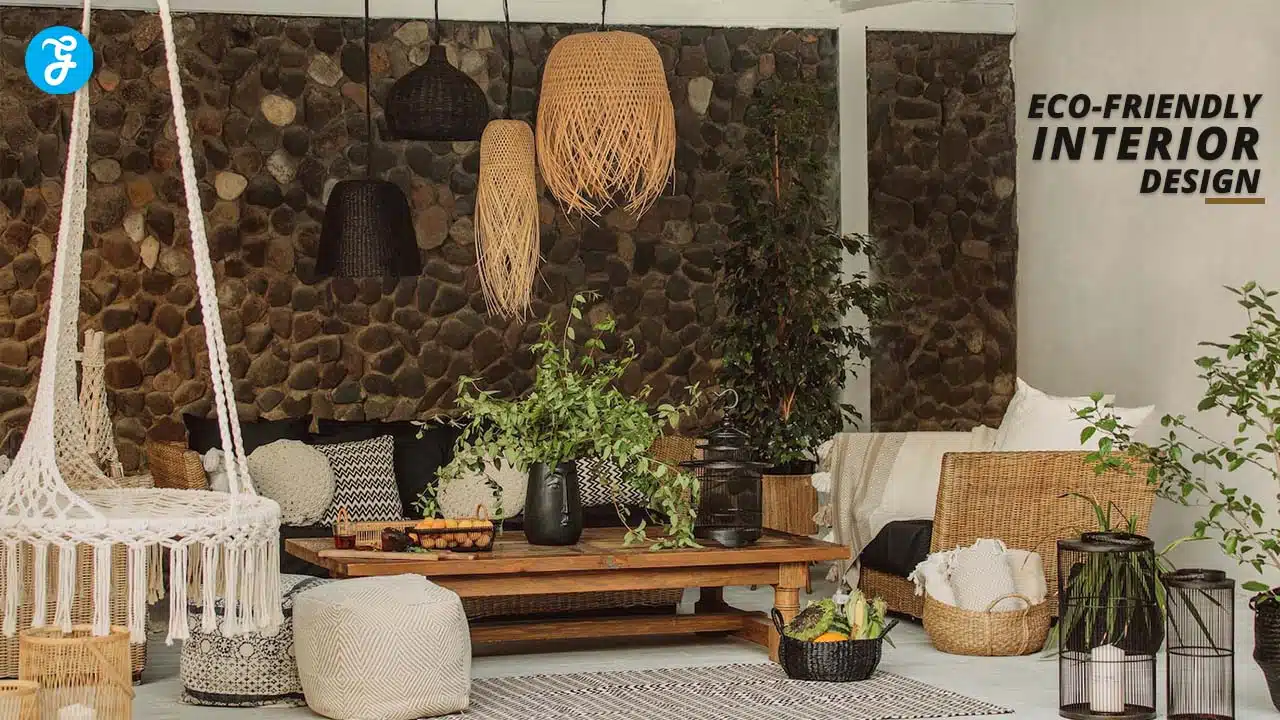
Eco-friendly interior design is more than a trend; it’s a movement towards creating spaces that are both beautiful and environmentally responsible. Whether you’re redecorating your home or moving into a new place, making eco-conscious choices can significantly reduce your carbon footprint and enhance your living environment.
This guide will provide you with everything you need to know about eco-friendly interior design, including practical tips and sustainable practices.
What is Eco-Friendly Interior Design?
Eco-friendly interior design focuses on creating spaces that minimize environmental impact.
This involves selecting sustainable materials, using energy-efficient appliances, and incorporating design elements that promote a healthy indoor environment.
Benefits of Eco-Friendly Interior Design
- Reduces Harmful Emissions: Eco-friendly materials and practices reduce pollution.
- Conserves Resources: Sustainable design conserves water, energy, and raw materials.
- Improves Indoor Air Quality: Using non-toxic materials improves the health of indoor environments.
- Boosts Property Value: Eco-friendly homes are increasingly desirable in the real estate market.
Key Elements of Eco-Friendly Interior Design
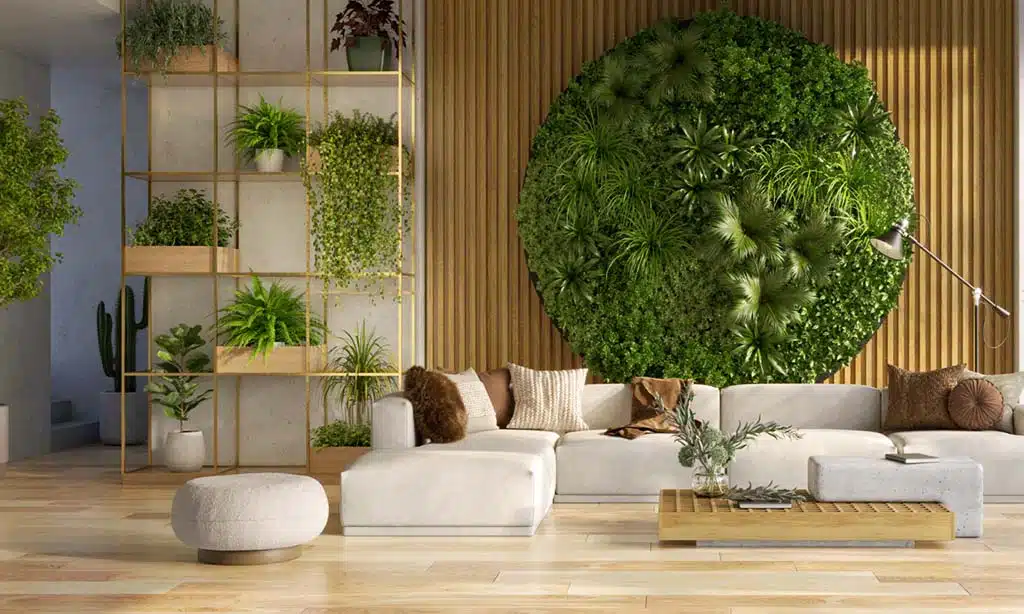
There are several key elements to consider when planning an eco-friendly interior design.
Sustainable Materials
Choosing Sustainable Materials
Selecting sustainable materials is crucial for eco-friendly interior design. Opt for materials like bamboo, cork, reclaimed wood, and recycled metals. These materials are renewable, biodegradable, and have a lower environmental impact.
Sustainable Flooring Options
Consider flooring made from cork, bamboo, wool, or hemp. For traditional hardwood floors, ensure they are certified by the Forest Stewardship Council (FSC) to verify sustainable sourcing.
Energy Efficiency
Light Fixtures and Bulbs
Switching to energy-efficient lighting is a simple yet effective way to reduce energy consumption. Use LED, CFL, or halogen incandescent bulbs, and consider fixtures made from recycled materials.
Energy-Efficient Appliances
Ensure that your appliances are ENERGY STAR certified. Look for features that reduce energy use, such as booster heaters in dishwashers and cold-water settings in washing machines.
Water Conservation
Eco-Friendly Faucets and Shower Heads
Choose fixtures with low flow rates to conserve water. Modern shower heads should have a flow rate of less than 2.5 gallons per minute, and faucets should be equipped with aerators to minimize water use.
Insulation and Temperature Control
Insulation for Energy Efficiency
Proper insulation is key to maintaining a consistent indoor temperature and reducing energy loss. Use materials with appropriate R-values for your climate zone to maximize energy efficiency.
Efficient Windows and Curtains
Install energy-efficient windows to prevent heat loss in winter and reduce cooling costs in summer. Use thick curtains or eco-friendly shades like Roman, solar, or cellular shades for additional insulation.
Recycled and Reclaimed Furnishings
Utilizing Recycled Materials
Incorporate recycled materials into your decor. Items like recycled glass, metal, and reclaimed wood add character and sustainability to your home. Look for unique fixtures made from recycled items, such as soda cans or wine bottles.
Buying Preloved Furniture
Purchase secondhand furniture to reduce waste and save resources. Platforms like Etsy, eBay, and local thrift stores offer a variety of vintage and preloved items that can enhance your interior design.
Incorporating Plants in Your Design
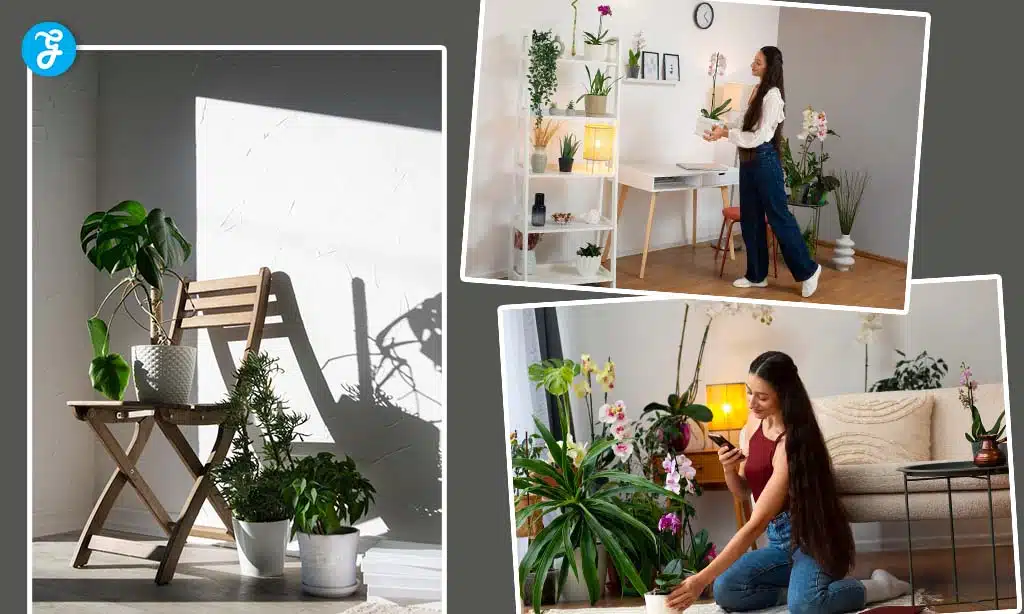
Benefits of Houseplants
Houseplants improve air quality, boost mood, and can even alleviate common ailments like asthma and allergies. Consider adding plants like Bamboo Palm, English Ivy, and Boston Fern to your home.
Eco-Friendly Decorative Elements
Functional and Artistic Decor
Use recycled materials for functional art pieces. Recycled wine bottles can be turned into chandeliers, and mason jars can be used for storage. Be creative with upcycled items to add unique touches to your home.
Organic Materials in Decor
Choose organic materials for furniture, textiles, and wall coverings. Organic cotton, bamboo wall panels, and eco-friendly paints reduce the use of harmful chemicals and promote a healthier living environment.
Practical Tips for Eco-Friendly Interior Design
Reduce, Reuse, Recycle
Adopt the 5 R’s of sustainable living: refuse, reduce, reuse, recycle, and rot. Upcycle old furniture, repurpose textiles, and creatively rearrange your space to keep it fresh without new purchases.
Designing for Longevity
Create timeless spaces that can adapt to changing tastes and needs. Use neutral color palettes, multifunctional furniture, and durable materials to ensure your design lasts for years.
Conclusion
Eco-friendly interior design is about making mindful choices that benefit both your home and the environment. By incorporating sustainable materials, energy-efficient appliances, and recycled furnishings, you can create a stylish and responsible living space. Embrace these principles to make your home not just beautiful but also sustainable and impactful.





















