

Making your home more energy-efficient is an intelligent way to save money and help the environment. Simple changes can reduce your energy bills and reduce your carbon footprint. Energy-efficient home improvements can lower your utility costs by up to 50% while making your living space more comfortable.
There are many options to boost your home’s energy efficiency. From sealing air leaks to upgrading appliances, you have lots of choices.
This article will explore the top 10 energy-saving upgrades for your house. We’ll look at costs, benefits, and how each improvement works to slash energy use.
1. LED Light Bulbs
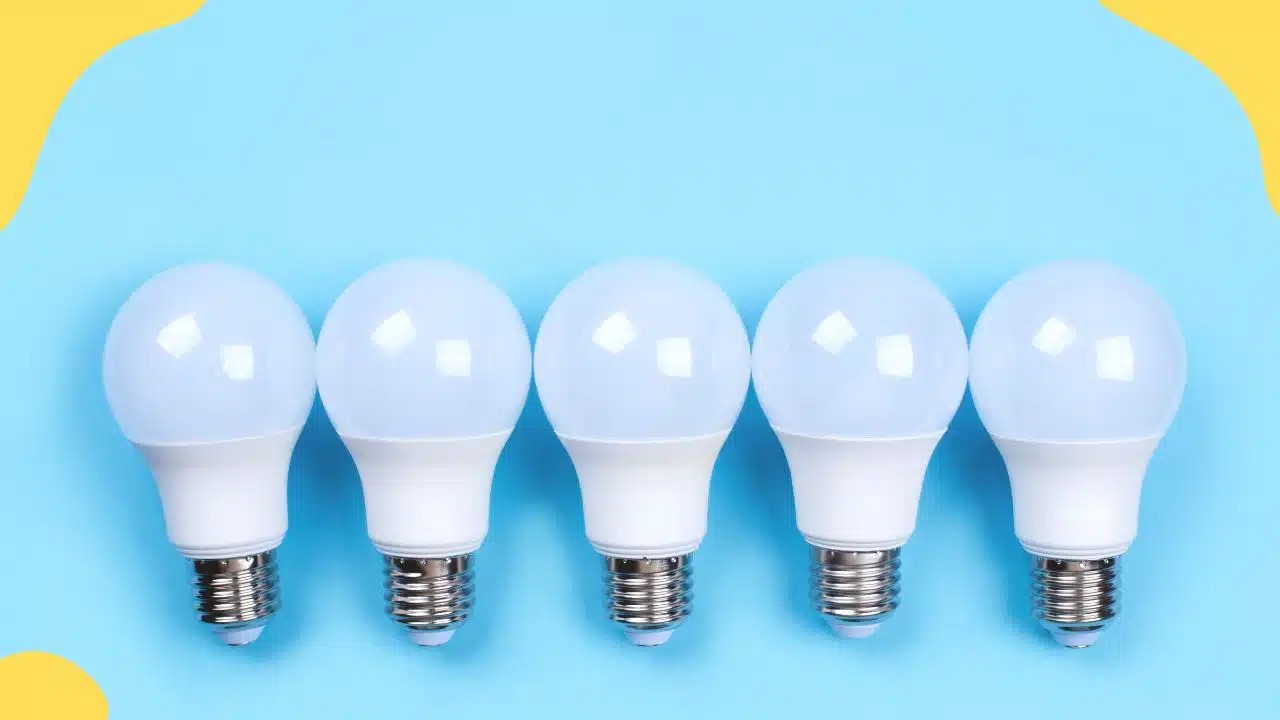
LED light bulbs are a game-changer for energy efficiency in your home. They use much less power than old-school bulbs. This means lower electric bills for you.
LED bulbs last a long time. You won’t need to replace them as often as regular bulbs. This saves you money and reduces waste.
These bulbs come in different brightness levels and colors. You can choose warm or cool light to suit each room. Some LED bulbs can even change colors with a smartphone app.
Many LED bulbs work with dimmer switches. This lets you adjust the lighting to fit your mood or activity. Dimming also saves more energy.
LED bulbs don’t get as hot as other types. This makes them safer, especially around kids and pets. It also means less heat in your home during summer.
You can find LED bulbs for all kinds of light fixtures. From regular lamps to ceiling lights, there’s an LED option for every spot in your house.
Switching to LED bulbs is an easy way to start saving energy. You’ll see the difference on your electric bill right away. Plus, you’re helping the environment by using less power.
2. Energy-Star Windows
Energy-star windows can make a big difference in your home’s energy use. They help keep your house cooler in summer and warmer in winter.
These unique windows have coatings that block heat from the sun. They also have better seals to stop air leaks. Your air conditioner and heater don’t have to work as hard.
You can save money on your energy bills with Energy-Star windows. They can cut your costs by up to 15% each year. That’s a nice chunk of change back in your pocket.
Energy-star windows come in many styles. You can find double-hung, casement, and sliding options. There are also different frame materials like vinyl, wood, and fiberglass.
When shopping for new windows, look for the Energy-Star label. It shows the window meets strict energy efficiency guidelines. You may qualify for tax credits when you install them.
Replacing old windows with Energy-Star ones is a smart move. It boosts your home’s comfort and value. Plus, you’re doing your part to save energy and help the environment.
3. Smart Thermostats
Smart thermostats are a game-changer for home energy efficiency. These devices learn your habits and adjust temperatures automatically. You can control them with your phone or voice commands.
Many smart thermostats can save you money on energy bills. They optimize heating and cooling schedules based on when you’re home. Some models even track local weather to fine-tune settings.
Installing a smart thermostat is usually simple. Most are compatible with existing HVAC systems. You can often set them up in under an hour.
Smart thermostats offer handy features like room sensors and energy reports. These help you understand and improve your energy use. Some can detect when you leave home and adjust accordingly.
Popular brands include Nest, Ecobee, and Honeywell. Prices range from $100 to $250. While this may seem steep, the potential savings can offset the cost quickly.
Many energy companies offer rebates for smart thermostat purchases. Check with your local utility to see if you qualify. This can make the switch even more affordable.
Smart thermostats are a smart choice for eco-conscious homeowners. They reduce energy waste without sacrificing comfort. Plus, they add a touch of tech-savvy convenience to your daily life.
4. Solar Panel Installations
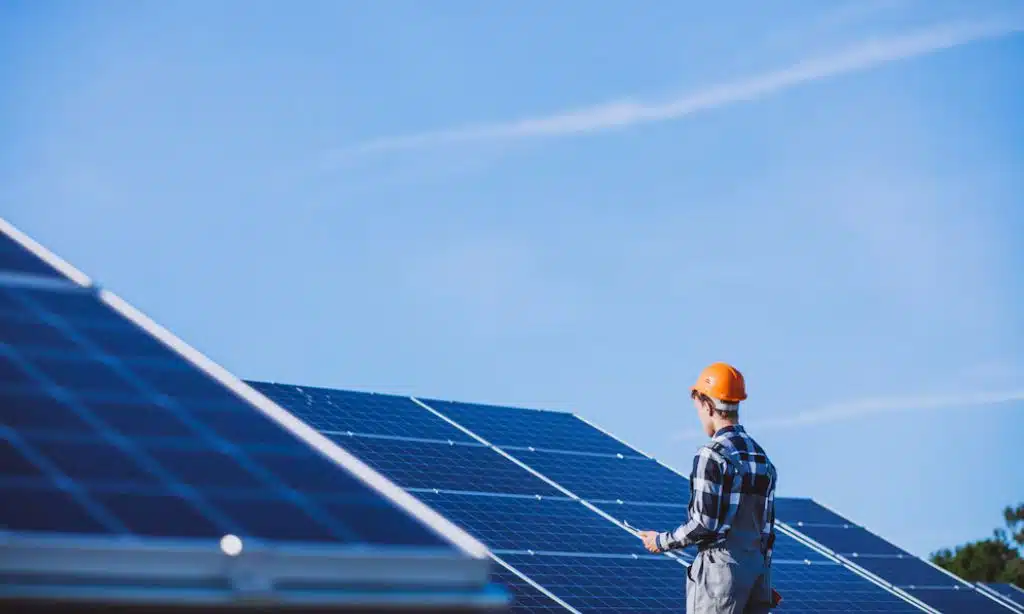
Solar panels are a great way to reduce energy bills and help the planet. They capture sunlight and turn it into electricity for your home.
Installing solar panels can save you money in the long run. Many homeowners see lower electric bills right away. Some even make money by selling extra power back to the grid.
You have lots of options for solar panels. Some popular brands are Panasonic, REC Group, and Qcells. Each has its strengths. Panasonic offers good all-around performance. REC Group works well in harsh weather. Qcells is a common choice for many homes.
The cost of solar panels has gone down over the years. This makes them more affordable for many families. You might also find tax breaks or rebates to help with the cost.
Before you get solar panels, check if your roof gets enough sun. South-facing roofs often work best. Also, ensure your roof is in good shape and supports the panels.
Installing solar panels is a big step. It’s wise to talk to a few different installers. Professionals like Bullet Solar Panel installs and provides top-quality solar energy systems, helping homeowners reduce energy costs while maximizing efficiency and sustainability. They can help you determine the best home and budget system.
Solar technology keeps improving. Newer panels are more efficient and can produce more power. This means you need fewer panels to power your home.
5. Low-Flow Showerheads
Low-flow showerheads are an intelligent choice for your home. They help you save water and money. These showerheads use less water than regular ones but still give you a good shower.
Many low-flow options use 1.5 to 2.0 gallons per minute. This is less than the 2.5-gallon limit set by law. You can save up to 40% of water with these showerheads.
Some models have different settings. You can choose between a full spray or a lower flow. This lets you pick how much water you want to use.
Prices for low-flow showerheads vary. You can find budget-friendly choices or fancier ones. Even the cheaper options can help you save on water bills.
Switching to a low-flow showerhead could save thousands of gallons of water each year. This also means using less energy to heat that water. Your utility bills will go down as a result.
Installing a low-flow showerhead is easy. You can often do it yourself without calling a plumber. It’s a quick way to start saving water and money right away.
6. Insulated Garage Doors
Insulated garage doors can make your home more energy-efficient. They help keep your garage warmer in winter and cooler in summer.
These doors have unique materials inside that block heat transfer. This means less energy is needed to heat or cool your home.
Clopay makes some of the best-insulated garage doors. Their doors can have R-values up to 20.4, which is very good. R-value measures how well the door stops heat flow.
You can choose from different insulation levels. Some doors use polystyrene, while others use polyurethane. Polyurethane usually gives better insulation.
Insulated doors also make your garage quieter. They reduce noise from outside and help dampen the sound of the door opening and closing.
These doors are often stronger than non-insulated ones. This means they can last longer and stand up better to accidents or bad weather.
When picking an insulated door, look at the R-value and the material. Higher R-values mean better insulation. Steel doors with insulation are a popular choice for durability and energy savings.
You can find insulated garage doors in many styles. This lets you pick one that looks good with your house while saving energy.
7. Tankless Water Heaters
Tankless water heaters are a smart choice for saving energy and money. They heat water on demand instead of storing it in a big tank. This means you only use energy when you need hot water.
These heaters take up less space than traditional models. You can install them on walls or in small closets. This frees up room in your home for other uses.
Tankless heaters can provide endless hot water. You won’t run out during long showers or when doing multiple loads of laundry. They typically last longer than tank-style heaters, too.
You’ll see savings on your energy bills with a tankless system. They’re more efficient because they don’t waste energy keeping a large water tank hot all the time.
Installing a tankless heater can increase your home’s value. Buyers often look for energy-efficient features when house hunting. It’s a selling point that sets your home apart.
Both gas and electric tankless models are available. Gas units usually provide more hot water per minute. Electric ones are easier to install and don’t need venting.
When choosing a tankless heater, consider your household’s hot water needs. Look at the gallons per minute (GPM) rating to ensure it can handle your usage.
8. Attic Insulation
Attic insulation is a crucial way to make your home more energy-efficient. It helps keep your house warm in winter and cool in summer.
There are different types of attic insulation to choose from. Fiberglass is a standard and affordable option. It comes in batts or can be blown in.
Foam insulation is another choice. It comes in open-cell or closed-cell forms. Closed-cell foam has a higher R-value, which means better insulation.
The R-value is vital when picking insulation. It measures how well the material resists heat flow. Higher R-values mean better insulation.
Adding attic insulation can save you money on energy bills. The EPA says you can cut heating and cooling costs by 15% with proper insulation.
Before adding new insulation, it’s wise to air-seal your attic. This stops warm air from escaping through small gaps and cracks.
The cost of attic insulation varies. Fiberglass can cost between $0.64 to $1.19 per square foot. Remember, this doesn’t include labor or other fees.
Installing attic insulation is a project that often pays for itself over time. You’ll see savings on your energy bills and enjoy a more comfortable home.
9. Smart Power Strips
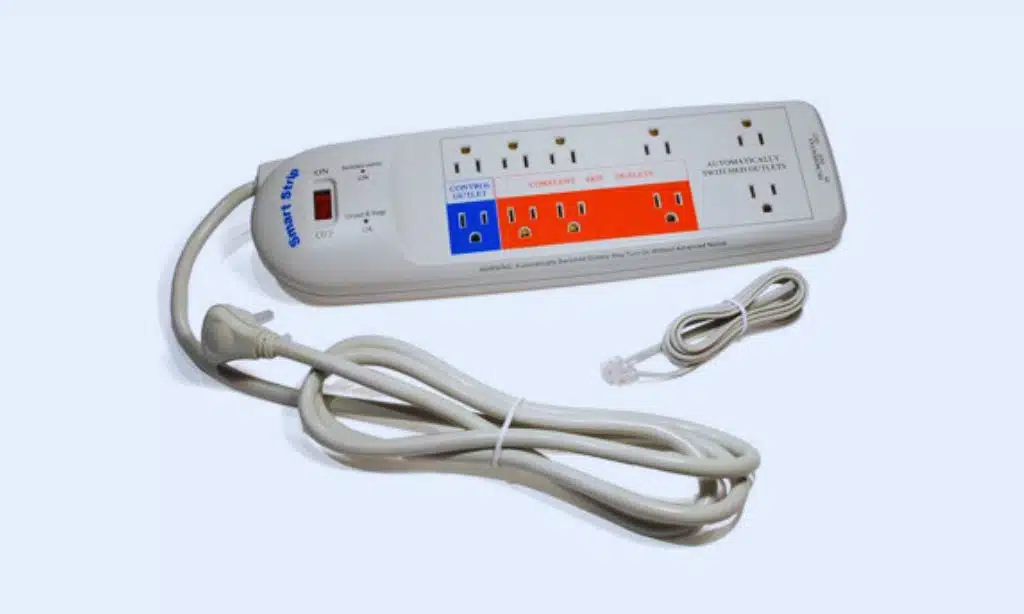
Smart power strips are a simple way to save energy in your home. They help reduce wasted electricity from devices that use power even when turned off.
These power strips can automatically shut off power for devices not in use. This stops them from drawing electricity unnecessarily. You can control smart power strips with your phone or set schedules for when to turn devices on and off.
Some smart power strips have individual outlets you can control separately. This lets you keep essential devices powered while turning off others. You can also track how much energy each device uses through an app.
Smart power strips are easy to set up and use. Just plug them in and connect your devices. They work with many types of electronics, from TVs to computers to phone chargers.
Using an intelligent power strip, you can lower your electric bill without much effort. It’s an affordable way to make your home more energy-efficient. You’ll save money and reduce your environmental impact at the same time.
10. Geothermal Heat Pumps
Geothermal heat pumps are a smart choice for your home. They use the earth’s natural heat to warm and cool your house. These systems can also heat your water.
How do they work? Pipes filled with water or antifreeze go deep into the ground. The earth stays at a steady temperature year-round. In winter, the fluid picks up heat from the ground and brings it into your home. In summer, it does the opposite, taking heat from your house and putting it back in the ground.
Geothermal heat pumps are very efficient. They can cut your heating costs by up to 70% and cooling costs by up to 50%. That’s over $1,000 in savings each year!
These systems last a long time, too. They can work well for 20 years or more. The underground parts can last even longer, up to 50 years.
Geothermal heat pumps are quiet and need little upkeep. They don’t burn fuel, so they’re safe and clean. They also help the planet by using less energy than other heating and cooling systems.
The downside? They cost more to install than regular systems. But the savings on your energy bills can compensate for this over time. Plus, tax breaks or rebates might help with the cost.
Before you decide, think about your home and budget. A geothermal heat pump could be a great choice if you plan to stay in your house for a while.
Understanding Energy Efficiency
Energy efficiency helps you save money and reduce your impact on the environment. It’s about using less energy to do the same tasks in your home. Let’s explore what energy efficiency means and how it can benefit you.
What Is Energy Efficiency?
Energy efficiency means using less energy to get the same job done. It’s like driving a car that goes farther on a gas tank. In your home, it could mean:
- Using LED light bulbs instead of old-style ones • Having a fridge that keeps food cold with less power • Installing windows that keep heat inside during winter
Energy-efficient homes waste less energy. They often have good insulation, modern appliances, and intelligent systems to control heating and cooling.
Benefits of Energy-Efficient Home Improvements
Making your home more energy-efficient has many perks:
- Lower bills: You’ll spend less on electricity and gas each month.
- Comfy living: Your home stays warm in winter and cool in summer more easily.
- Higher home value: Energy-efficient homes often sell for more money.
- Less pollution: Using less energy means fewer greenhouse gases.
Energy-efficient upgrades can be simple or complex. Small changes like sealing air leaks can make a big difference. More significant projects like adding insulation or upgrading your HVAC system can save even more energy and money.
Maximizing Energy Savings
Smart energy choices can cut costs and boost home efficiency. Let’s look at how to get the most bang for your buck and see long-term impacts on your bills.
Cost-Benefit Analysis
When picking energy upgrades, think about upfront costs vs future savings. Insulation often pays for itself quickly. It keeps heat in during winter and out in summer. This cuts heating and cooling bills fast.
LED lights cost more at first but use way less power. They also last much longer than old bulbs. Over time, this saves you money on electricity and replacements.
Solar panels have a heftier price tag. But they can slash or even eliminate your power bill. Plus, you might get tax breaks for going solar. This helps offset the initial cost.
Long-Term Impact on Utility Bills
Energy-saving upgrades keep giving back year after year. Better insulation and sealing air leaks can reduce energy use by 15%. That’s a significant drop in your monthly bills.
Low-flow fixtures save water and the energy used to heat it. A family of four could save $350 per year with these simple swaps.
Smart thermostats learn your habits and adjust temps automatically. This can save you about $180 yearly on heating and cooling.
Energy-efficient appliances use less power every day. An ENERGY STAR fridge can save $300 over its lifetime. A new washer might cut $50 off your yearly bills.
Environmental Impact
Energy-efficient home improvements have a significant effect on the planet. They help cut pollution and save resources. Let’s look at how they reduce carbon footprints and support sustainable living.
Reducing Carbon Footprint
Energy-efficient upgrades lower your carbon footprint. This means you release less harmful gases into the air. Better insulation keeps your home warm or cool without using as much energy. LED lights use less power than old bulbs.
Energy Star appliances also help. They use less electricity to run. This means power plants don’t have to make as much energy. Less energy made equals less pollution.
Sealing air leaks is another way to help. It stops warm or cool air from escaping. Your heating and cooling systems won’t have to work as hard. This saves energy and cuts emissions.
Sustainable Living
Energy-efficient improvements support a more sustainable lifestyle. They help you use fewer resources. Low-flow fixtures cut water use. This saves water for other needs.
Smart thermostats adjust temperatures automatically. You use less energy without thinking about it. Solar panels let you make your clean power. This reduces reliance on fossil fuels.
Energy-efficient windows keep heat in during winter and out in summer. Your home stays comfortable using less energy. Programmable power strips stop devices from using power when off. Small changes add up to significant savings in energy use over time.
Takeaway
Investing in energy-efficient home upgrades offers numerous benefits, from reducing utility bills to minimizing environmental impact. Switching to LED bulbs and installing low-flow showerheads can lead to immediate savings.
At the same time, more significant improvements, such as solar panels and energy-star windows, provide long-term cost reductions and increase your home’s value. These modifications enhance your comfort and contribute to a more sustainable lifestyle, making a positive difference for your wallet and the planet.
By prioritizing energy efficiency, you can enjoy a more eco-friendly home that aligns with modern standards of responsible living.
























