Dubai is one of the most iconic cities in the United Arab Emirates. This modern metropolis attracts thousands of tourists every year. While being famous for its skyscrapers, malls and luxury hotels, there is also a hidden side to it. Visitors who want to experience the true essence of the Emirates can dive deeper into its culture and traditions. Here are a few things to know about Dubai’s heritage and customs:
Learn the Etiquette
Greetings are important to Emiratis when meeting someone. They may exchange pleasantries, and handshakes are common. When you’re addressing a local, it’s considered respectful to use their title, followed by their first name. Maintain eye contact when you’re talking, as this shows that you are engaged and interested. Since Emiratis value personal connections, ask about their family and health. By showing an interest in the local culture, you will get the natives to open up and engage in conversation with you.
Traditional Clothing
Most Emiratis dress in traditional clothing. Men usually wear the Kandura, a flowing robe made of cotton or wool which is both simple and elegant. It is worn with a headdress known as the Ghutra or Shemagh, and secured with a black cord called the Ogal. The Ghutra protects the wearer’s head from the sun and sand. Emirati women usually wear the Abaya, a long, loose black cloak along with a Shayla and a headscarf. This outfit represents modesty, which is important in the culture. The Abaya may be embroidered or beaded. Some women wear the Niqab, which covers the face and only reveals the eyes.
Cuisine and Dining
The traditional cuisine of Dubai reflects the diverse influences of the region. It incorporates the delicious and vibrant flavours of Arab, Persian and Indian cuisine. In Dubai, it is customary to eat with the right hand since the left is seen as unclean. Don’t worry about asking for seconds – this is considered a compliment to the host! The staple dishes include rice, meat and fish dishes.
One of the most popular dishes eaten in Dubai is Machbous. This flavourful dish is composed of rice served with chicken or fish, seasoned with spices like saffron, cardamom and cinnamon. Another must-try dish is Harees, a creamy porridge made from wheat and meat. It is slow-cooked, giving it a great texture. Those with a sweet tooth will relish Luqaimat, sweet dumplings covered in date syrup. If you want to taste authentic local cuisine, make sure to head to a restaurant patronised by locals.
Social Customs
Emiratis tend to be very hospitable to visitors. If you are invited to the home of an Emirati, take a small gift such as chocolates or flowers to express your gratitude. When entering a house, always take off your shoes and wait for your host to ask you to sit. If you attend a social event, Arabic coffee or Gahwa, will most likely be served, along with dates. When drinking the coffee, hold the cup in your right hand and sip slowly to savour the taste.
Shopping
To experience the lively market scene in Dubai, don’t miss the Dubai Shopping Festival. This event is held over a month and is an ideal place to purchase traditional crafts, clothing, jewellery and various souvenirs to remember your trip.
You can also explore the bustling souks, such as the gold souk and spice souk. Haggle with the vendors while absorbing the colourful local atmosphere. There are many great resorts and hotels on the Palm in Dubai nearby. Top accommodation in the area includes NH Collection Dubai The Palm, which has a relaxing infinity pool that overlooks the cityscape and a stylish lounge and bar.
Events and Festivals
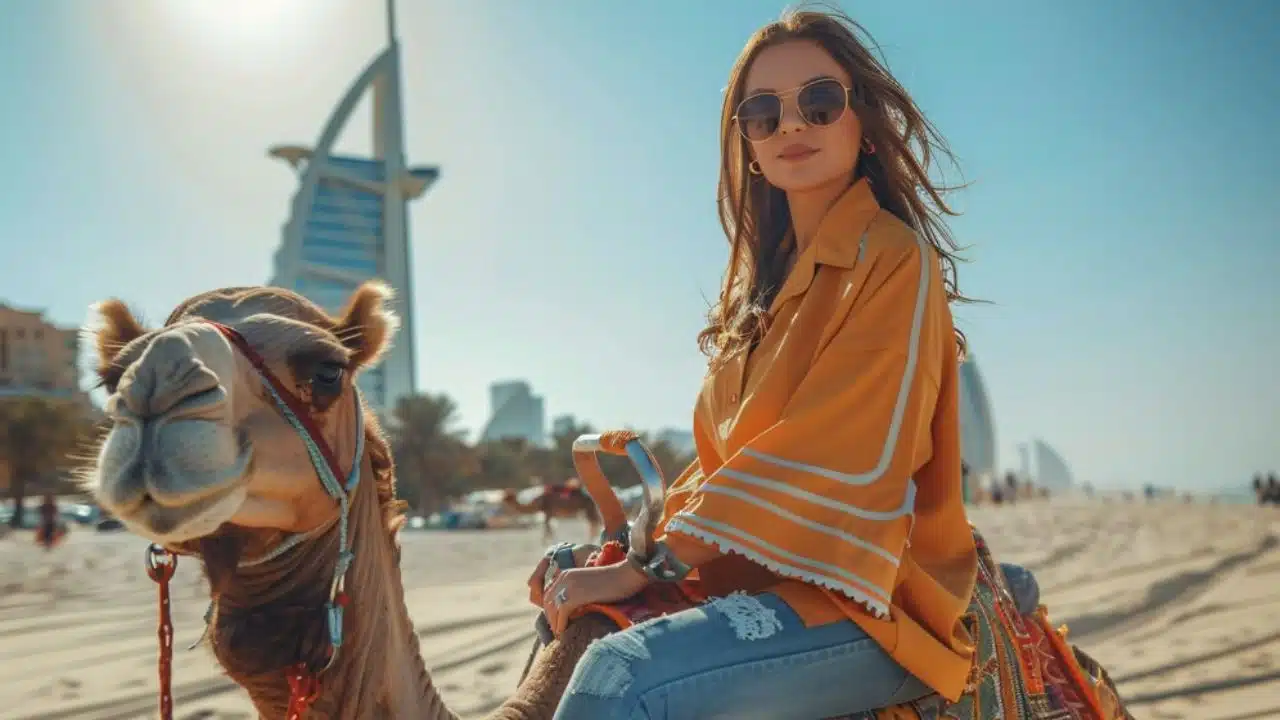
To gain a true insight into Emirati culture, attend a festival to discover more about the traditions and cultural practices. One of the most exciting activities held in Dubai is camel racing. Head to the outskirts of the city, where you can watch these thrilling races – a sport that has been around for centuries.
Another unique traditional sport is Falconry. Pay a visit to a local falconry centre to observe these well-trained birds. In Emirati culture, falcons are highly valued, and the skills involved in their training and hunting have been passed down through generations.