

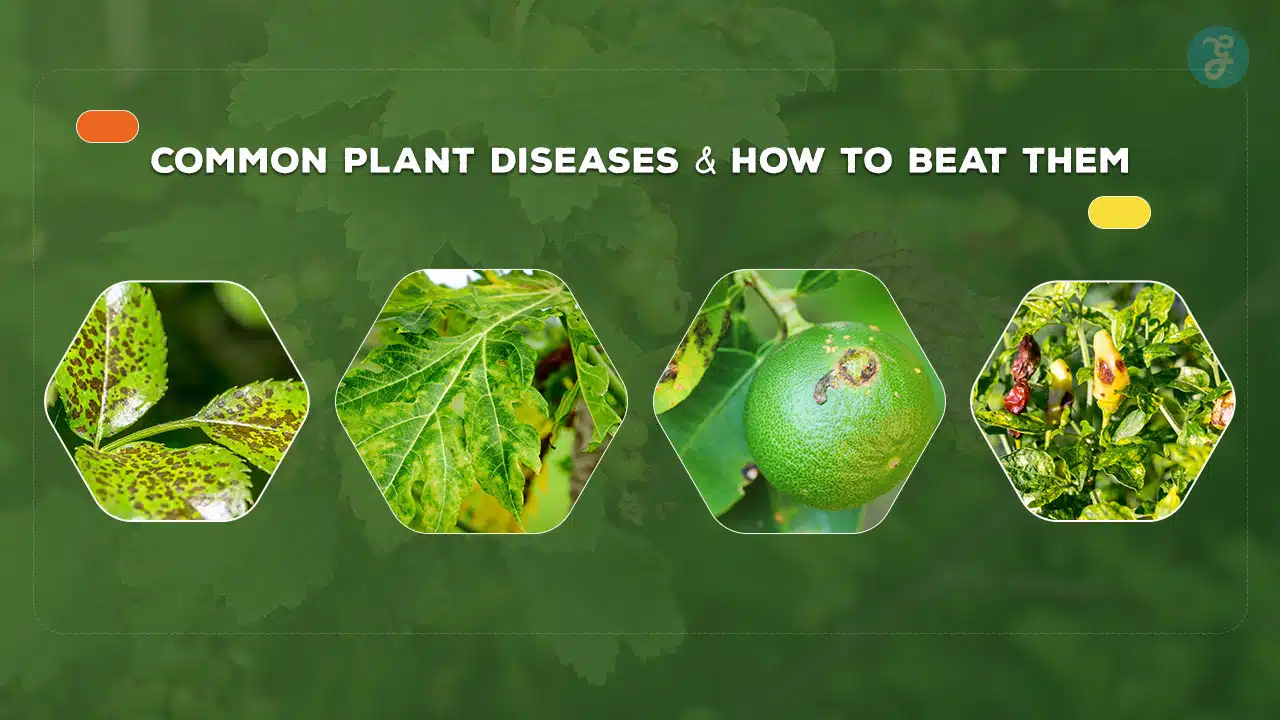
Gardeners, farmers, and plant enthusiasts will inevitably face plant diseases.
From stunted growth to unsightly blemishes, plant diseases can affect a wide variety of plants, compromising their health and beauty. If left untreated, these diseases can spread rapidly, leading to reduced yields, poor plant performance, and even plant death.
The good news is that many common plant diseases can be managed and even prevented with the right care.
By learning to identify these diseases early, you can take the necessary steps to combat them and ensure your plants thrive.
This article will guide you through 10 of the most common plant diseases, showing you how to “connect” with healthy gardening practices and “compete” to keep your garden flourishing.
1. Powdery Mildew
What Is Powdery Mildew?
Powdery mildew is a fungal disease that appears as white or grayish powdery spots on the surfaces of leaves, stems, and flowers.
It is one of the most widespread plant diseases and can affect many different plants, including vegetables, flowers, and fruit trees.
Symptoms:
White powdery spots on the upper surface of leaves, stems, and buds.
Leaves may curl, become distorted, or drop prematurely.
Plant growth may be stunted or weakened.
Causes:
- Warm, dry conditions are ideal for powdery mildew, although it can thrive in humid environments as well.
- Poor air circulation around plants.
- Overcrowding of plants and inconsistent watering practices.
How to Beat It:
Prevention:
Choose resistant plant varieties when possible. Ensure proper spacing between plants to improve airflow and reduce humidity around the leaves.
Treatment:
Remove infected leaves and parts of the plant. Apply organic fungicides like neem oil, sulfur, or a baking soda solution (one teaspoon of baking soda in one quart of water). Regularly inspect plants to catch early infections.
2. Root Rot
What Is Root Rot?
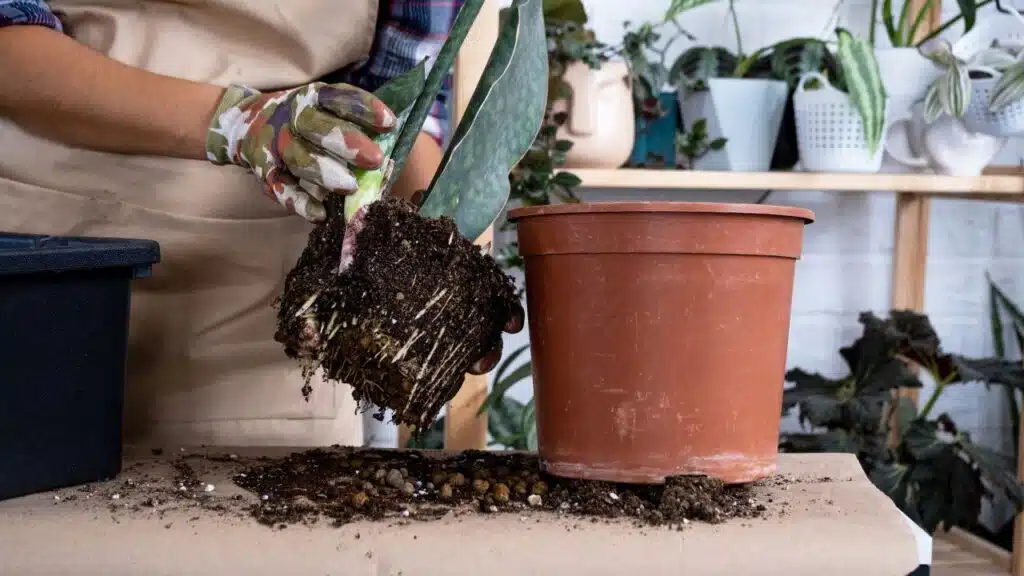
Root rot is a result of fungal pathogens infecting the roots, frequently as a result of excessively wet soil or poor drainage.
This disease primarily affects the root system, leading to plant wilting and eventual death if not addressed early.
Symptoms:
- Plants appear wilted, even though the soil is moist.
- Roots become black, soft, or mushy when exposed.
- Leaves turn yellow or brown, and the plant’s growth slows down or stops.
Causes:
- Overwatering or waterlogged soil that doesn’t drain well.
- Poorly draining containers or soil that retains too much moisture.
- Prolonged periods of wet conditions.
How to Beat It:
Prevention:
Water plants only when the top inch of soil is dry. Improve drainage by adding organic matter like compost or perlite to your soil, and ensure containers have drainage holes.
Treatment:
For mild cases, remove the plant from its soil, trim away affected roots, and repot it in fresh, well-draining soil. If the root rot is advanced, it’s often best to discard the plant to prevent the spread of the disease.
3. Blight (Early and Late)
What Is Blight?
Blight is a fast spreading fungal disease that primarily affects vegetables, particularly tomatoes and potatoes.
There are two types of blight: early blight, which causes dark spots on leaves, and late blight, which leads to watery lesions on both leaves and fruit.
Symptoms:
- Early Blight: Brown spots with concentric rings on older leaves. Leaves turn yellow and fall off.
- Late Blight: Watersoaked lesions on leaves and stems, which quickly turn brown or black. Fruits may develop dark, rotting spots.
Causes:
- Wet, humid weather conditions.
- Poor air circulation and overcrowding of plants.
- Water splashes onto leaves during irrigation.
How to Beat It:
Prevention:
Use disease resistant plant varieties and rotate crops to avoid planting tomatoes or potatoes in the same area year after year. Water plants at the base rather than overhead to keep the foliage dry.
Treatment:
Prune away infected leaves immediately and apply copper-based fungicides to prevent the spread of the disease. In severe cases, remove and destroy infected plants to protect healthy ones.
4. Black Spot
What Is a Black Spot?
Black spot is a common fungal disease that affects roses and other ornamental plants.
It appears as black or dark brown spots on the surface of leaves and can lead to premature leaf drop, weakening the plant over time.
Symptoms:
- Black or dark brown spots with fringed edges on leaves.
- Yellowing of leaves around the spots.
- Leaves fall off early, leading to defoliation.
Causes:
- Warm, humid conditions that encourage fungal growth.
- Water splashing on leaves during rainfall or watering.
- Poor air circulation around the plant.
How to Beat It:
Prevention:
Choose black spot-resistant varieties of roses. Ensure good air circulation by spacing plants properly and pruning them regularly to remove excess foliage.
Treatment:
Remove and destroy affected leaves to prevent the spread of the disease. Apply sulfur- or copper-based fungicides regularly during the growing season, especially after wet weather.
5. Rust
What Is Rust?
Rust is a fungal disease that causes small, rustcolored spots on the undersides of leaves.
The disease weakens the plant by interfering with its ability to photosynthesize, leading to reduced vigor and eventual defoliation.
Symptoms:
- Reddish, orange, or yellowish spots or pustules on the underside of leaves.
- Leaves may turn yellow and fall prematurely.
- Reduced growth and poor plant health.
Causes:
- Warm, humid environments.
- Water left on leaves for extended periods, especially in the early morning or evening.
- Overcrowding of plants, reducing airflow.
How to Beat It:
Prevention:
Water plants early in the day to allow leaves to dry before nightfall. Space plants appropriately to ensure good airflow.
Treatment:
Remove and destroy infected leaves immediately. Use organic fungicides like neem oil or sulfur to control the spread of rust, and avoid watering from above to prevent the fungus from spreading.
6. Bacterial Wilt
What Is Bacterial Wilt?
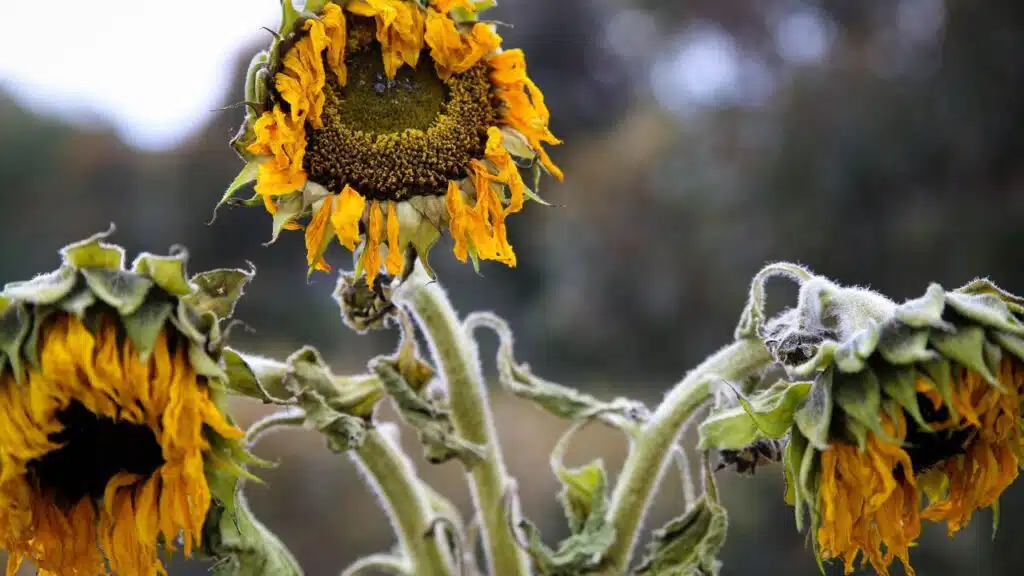
Bacteria that obstruct the water-conducting vessels in plants cause bacterial wilt, a soilborne illness that causes wilting.
It frequently spreads through insect vectors like cucumber beetles and can harm plants like cucumbers, tomatoes, and potatoes.
Symptoms:
- Sudden wilting of plants, especially during the heat of the day.
- Leaves may turn yellow and wilt, even if the soil is moist.
- A milky, sticky substance may ooze from cut stems.
Causes:
- Soilborne bacteria spread by insects.
- Infected soil or plants.
- High temperatures and humidity encourage bacterial growth.
How to Beat It:
Prevention:
Control insects like cucumber beetles that spread the bacteria. Practice crop rotation and avoid planting susceptible plants in areas with a history of bacterial wilt.
Treatment:
Unfortunately, there is no cure for bacterial wilt. Once a plant is infected, it should be removed and destroyed to prevent the spread of the bacteria to other plants.
7. Downy Mildew
What Is Downy Mildew?
Downy mildew is a fungal disease that affects a variety of plants, particularly during cool, wet weather.
It causes yellow or white patches on the upper surfaces of leaves, often with a fuzzy growth of spores on the underside.
Symptoms:
- Yellow, white, or grayish patches on the upper surfaces of leaves.
- A fuzzy coating of gray or white spores on the undersides of leaves.
- Premature leaf drop and stunted plant growth.
Causes:
- Cool, damp weather.
- High humidity and waterlogged conditions.
- Overhead watering that leaves moisture on the leaves.
How to Beat It:
Prevention:
Avoid overhead watering and water plants early in the day to allow leaves to dry. Ensure proper air circulation by spacing plants and pruning regularly.
Treatment:
Remove and destroy infected leaves. Apply organic fungicides, such as copper or neem oil, to prevent the spread of downy mildew. Regularly inspect plants, especially during wet weather, to catch early signs of infection.
8. Fusarium Wilt
What Is Fusarium Wilt?
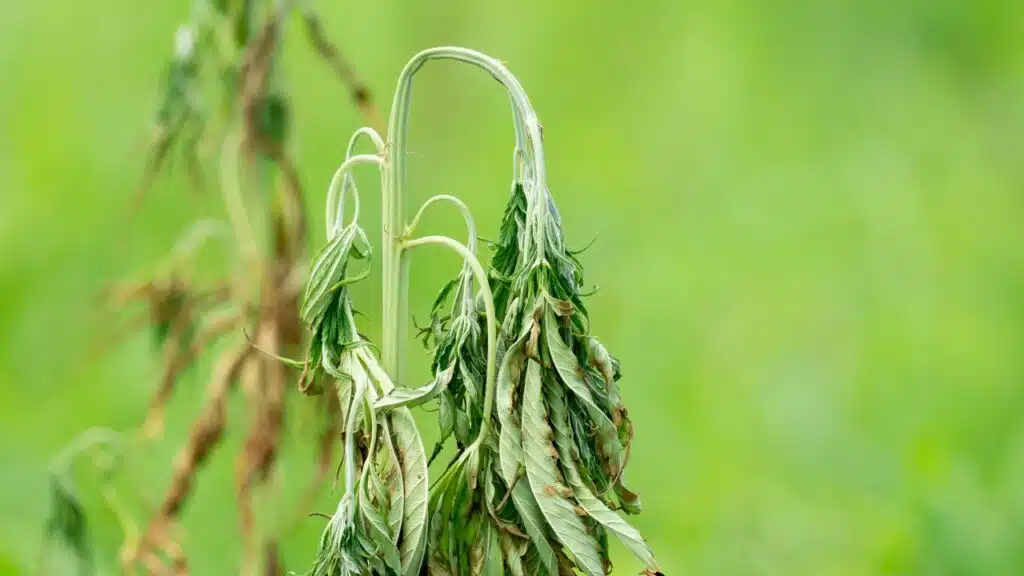
Fusarium wilt is a fungal disease that infects the vascular system of plants, leading to yellowing, wilting, and eventual death.
It commonly affects tomatoes, cucumbers, melons, and other garden vegetables.
Symptoms:
- Yellowing and wilting of leaves, often beginning with the lower leaves.
- Brown or black streaks in the vascular tissue of stems.
- Stunted growth and plant death in severe cases.
Causes:
- Soilborne fungi that spread through contaminated soil, water, or infected plants.
- Warm temperatures and high humidity.
- Overcrowding and poor air circulation.
How to Beat It:
Prevention:
Rotate crops annually and avoid planting susceptible plants in areas known to have fusarium wilt. Use disease-resistant plant varieties.
Treatment:
There is no cure for fusarium. wilt, so infected plants should be removed and destroyed. Solarize the soil during warm months to kill the fungus and prevent future infections.
9. Verticillium Wilt
What Is Verticillium Wilt?
Verticillium wilt is another fungal disease that affects the vascular system of plants, causing wilting, yellowing, and reduced growth.
It impacts a wide range of plants, including vegetables, fruits, and ornamental plants.
Symptoms:
- Wilting of leaves, beginning with the lower ones.
- Yellowing of leaves and browning around the edges.
- Reduced growth and branch dieback in severe cases.
Causes:
- Soilborne fungus that spreads through contaminated soil, water, or plant material.
- Poorly drained soil and cool weather.
How to Beat It:
Prevention:
Practice crop rotation and use disease-resistant varieties when available. Avoid planting in areas with a history of verticillium wilt.
Treatment:
Remove and destroy infected plants. Solarize the soil in areas affected by verticillium wilt to kill the fungus before replanting.
10. Anthracnose
What Is Anthracnose?
Anthracnose is a fungal disease that affects a wide range of plants, including vegetables, fruits, and ornamental trees. It causes dark, sunken lesions on leaves, stems, and fruits, often leading to defoliation and reduced fruit quality.
Symptoms:
- Dark, sunken lesions on leaves, stems, and fruit.
- Premature leaf drop, especially in fruit trees and ornamentals.
- Fruit may develop dark, sunken spots that cause rotting.
Causes:
- Warm, wet weather conditions that promote fungal growth.
- Poor air circulation and overcrowding of plants.
How to Beat It:
Prevention:
Space plants properly to allow for good air circulation and avoid overhead watering. Choose resistant plant varieties when available.
Treatment:
Remove and destroy infected leaves, stems, and fruits. Apply fungicides, such as copper-based products, to prevent the spread of anthrax, especially during wet weather.
Conclusion
Plant diseases can cause significant damage to your garden, but with proper care and vigilance, you can keep your plants healthy and thriving.
By learning to recognize the early signs of these 10 common plant diseases, you can take immediate action to treat and prevent their spread.
Proactively managing plant health through regular monitoring, crop rotation, and proper watering practices helps prevent disease outbreaks.
As you connect with your plants and compete to maintain a disease-free garden, remember that early detection and treatment are key to success.
Whether you’re dealing with fungal infections like powdery mildew or soilborne pathogens like fusarium wilt, these strategies will empower you to protect your plants and ensure their long-term health.






















