
Climate change has become a significant force reshaping US agriculture. Rising temperatures, changing precipitation patterns, and increasing frequency of extreme weather events are creating challenges for farmers across the nation.
From shifting growing seasons to soil degradation, the agricultural sector faces threats that require innovative solutions. This article explores 20 ways climate change is impacting US agriculture, providing insights into the issues and strategies for adaptation.
1. Shifting Growing Seasons
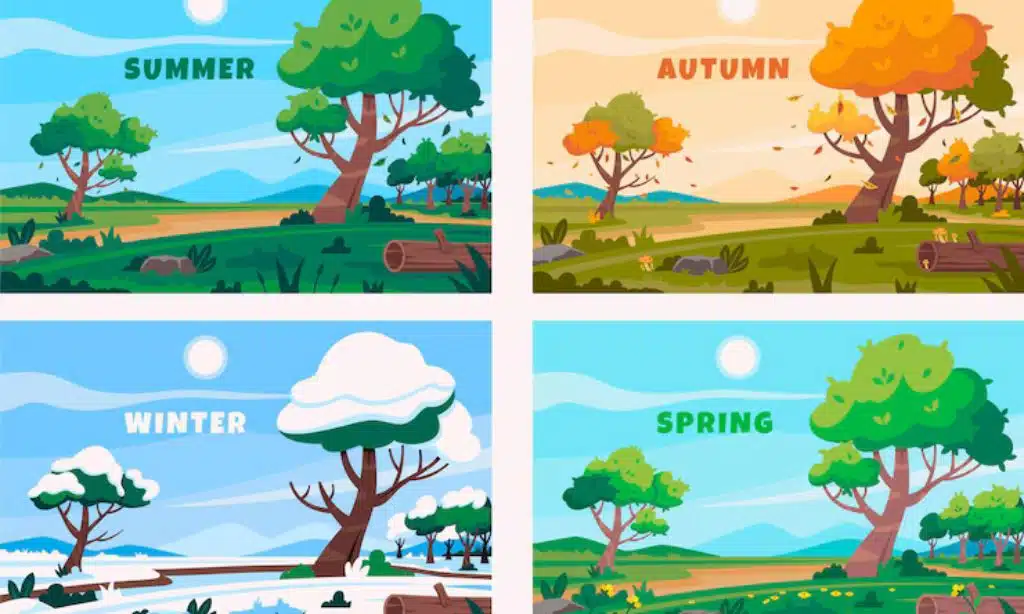
Warmer temperatures are extending growing seasons in many regions, altering traditional planting and harvesting schedules. While this can benefit some crops, it can also disrupt pollination, create mismatches in crop growth cycles, and increase vulnerability to late-season frosts.
For example, earlier springs in the Midwest have affected corn and soybean planting, sometimes causing inconsistent yields. To adapt, farmers are turning to climate-resilient seed varieties and using advanced weather forecasting tools to plan effectively.
2. Increased Drought Frequency
Drought conditions have intensified in regions such as California and the Great Plains, leading to water shortages and reduced crop yields. Crops like almonds, which require significant irrigation, are particularly vulnerable.
The 2021 drought in California alone caused over $1.2 billion in losses. To address this, farmers are adopting drought-tolerant crop varieties and investing in water-efficient irrigation systems like drip irrigation.
3. Heavy Rainfall and Flooding
Changing precipitation patterns are resulting in more frequent and intense flooding. Floods wash away topsoil, delay planting, and damage crops. For example, the 2019 Midwest floods caused billions of dollars in damages to agricultural lands.
Farmers are mitigating these impacts by improving drainage systems, planting cover crops, and building water-retention infrastructure.
4. Heat Stress on Livestock
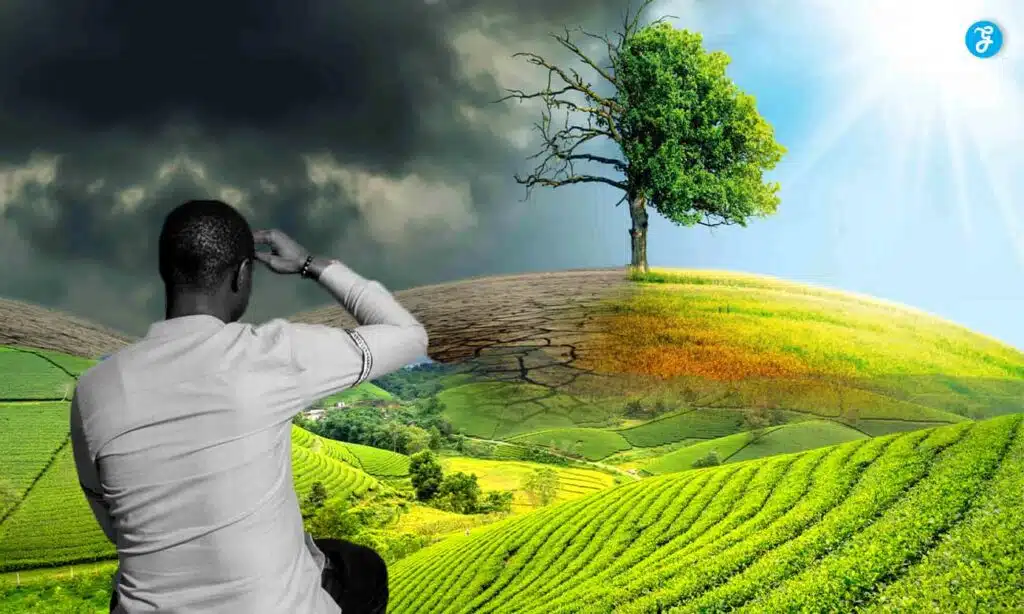
Rising temperatures are taking a toll on livestock health, reducing fertility, milk production, and weight gain. Heat stress has become a recurring problem in states like Texas and Arizona, where heatwaves in 2022 caused significant cattle deaths.
Farmers are addressing this by installing shade structures, using cooling technologies, and ensuring animals have access to clean water.
5. Declining Pollinator Populations
Bees and other pollinators are critical for crops like almonds, apples, and blueberries. However, rising temperatures and habitat loss are contributing to declining pollinator populations. Without adequate pollination, crop yields can suffer significantly.
Farmers are combating this by planting pollinator-friendly crops, reducing pesticide use, and supporting conservation efforts.
6. Increasing Pest Pressure
Warmer winters and longer growing seasons are creating ideal conditions for pests to thrive and expand into new regions.
For instance, the corn earworm is now found in areas previously unaffected. Farmers are investing in integrated pest management (IPM) practices, which include crop rotation, natural predators, and targeted pesticide use, to manage these threats effectively.
7. Spread of Crop Diseases
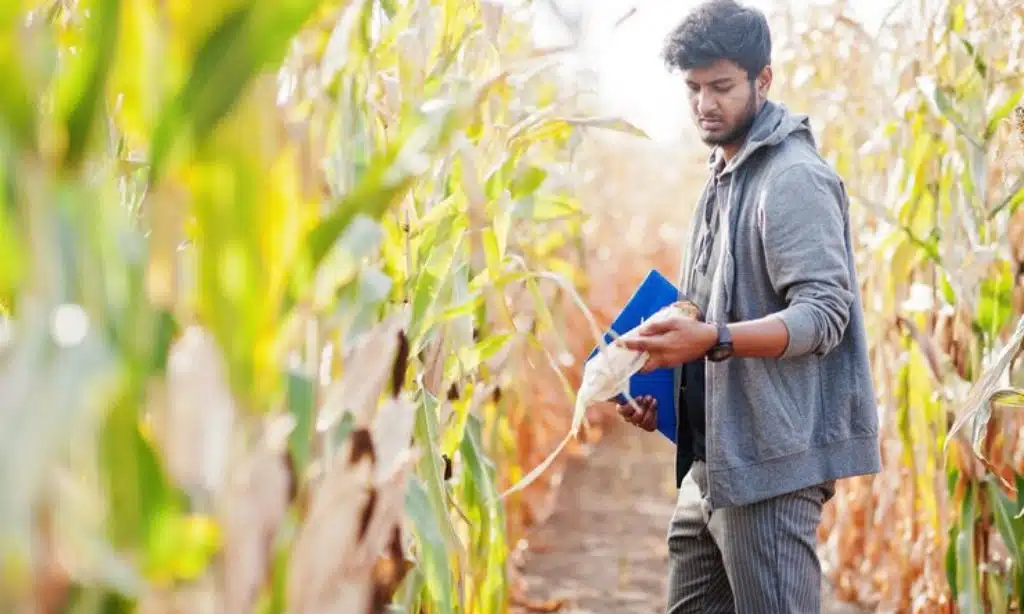
Changing climate conditions, such as increased humidity and higher temperatures, are accelerating the spread of crop diseases. Fungal infections like wheat rust and late blight in potatoes thrive in warm and wet climates, leading to devastating losses in yield. Additionally, bacterial diseases are becoming more aggressive, affecting crops like tomatoes and peppers.
Farmers are responding by using disease-resistant seed varieties, improving crop rotation practices to break the disease cycle, and employing precision agriculture tools to monitor crop health. Investing in advanced disease forecasting models is also helping growers anticipate and mitigate outbreaks before they escalate.
8. Soil Erosion and Degradation
Soil erosion and degradation are intensifying due to erratic rainfall patterns and prolonged droughts. Heavy rains wash away fertile topsoil, while extended dry spells weaken the soil’s structure, reducing its ability to retain water and nutrients. This dual impact threatens long-term agricultural productivity.
To counteract this, farmers are adopting sustainable practices like no-till farming, which minimizes soil disturbance, and planting cover crops to protect the soil surface. Additionally, integrating organic matter and compost into the soil improves its resilience, ensuring a healthier foundation for crops in the face of climate challenges.
9. Water Scarcity and Competition
Water scarcity is a growing concern in regions like the Southwest, where prolonged droughts are depleting critical water sources such as the Colorado River. Crops that require substantial irrigation, such as alfalfa and rice, face declining yields as water availability diminishes.
Additionally, competition for water among urban areas, industries, and agriculture adds to the strain. Farmers are implementing water-saving technologies, including drip and sprinkler irrigation systems, to use water more efficiently.
Strategies like scheduling irrigation based on real-time soil moisture data and switching to less water-intensive crops are becoming crucial for sustainable water management.
10. Loss of Arable Land
Rising sea levels, salinization, and desertification are contributing to the loss of arable land, particularly in coastal areas and dry regions. For instance, the encroachment of seawater into farmlands along the Gulf Coast is making the soil unsuitable for traditional crops.
To adapt, farmers are exploring salt-tolerant crop varieties such as barley and mangroves. Land reclamation projects, like restoring degraded lands with organic amendments and planting native vegetation, are also helping to combat soil loss.
By implementing these strategies, farmers can make the most of shrinking agricultural lands.
11. Increased Cost of Crop Insurance
The growing frequency of extreme weather events, such as hurricanes and droughts, has led to higher crop insurance premiums. Insurers are adjusting their rates to account for the increased risks, placing a financial burden on farmers, especially smaller-scale operations.
For example, unpredictable hailstorms in the Midwest have driven up insurance costs for corn and soybean farmers.
To mitigate these expenses, farmers are diversifying their crops to spread risk, adopting resilient crop varieties, and investing in risk management technologies like weather analytics to optimize planting and harvesting schedules.
12. Unstable Crop Yields
Unpredictable weather patterns, including unseasonal frost and heatwaves, are causing inconsistent crop yields across the country. For example, the wheat belt has seen years of both bumper crops and significant shortfalls due to erratic rainfall.
This instability makes it difficult for farmers to plan their finances and meet market demands. To address this, controlled-environment agriculture, such as greenhouses and vertical farming, is gaining traction.
These systems provide a stable environment for crops, minimizing the influence of external weather conditions. Additionally, advanced data analytics help farmers anticipate yield fluctuations and adjust their practices accordingly.
13. New Weeds and Invasive Species
Climate change is enabling the spread of invasive weeds and pests to new areas, creating additional challenges for farmers. Warmer temperatures and altered rainfall patterns are helping species like Palmer amaranth invade corn and soybean fields in regions where they previously could not thrive.
These invasive species outcompete crops for water and nutrients, leading to lower yields. Farmers are combating these challenges by implementing precision agriculture tools, which allow for targeted herbicide applications, and employing biological control methods to manage invasive species populations sustainably.
14. Declining Fish Stocks
The aquaculture sector, an integral part of US agriculture, is facing significant challenges due to rising ocean temperatures and acidification.
Fish like salmon and trout, which require cool, oxygen-rich waters, are struggling to survive in warming conditions. This impacts both wild-catch fisheries and farmed fish operations.
To adapt, fish farms are investing in climate-controlled systems that regulate water temperature and oxygen levels. Research into more resilient aquatic species is also underway to ensure the sustainability of the aquaculture industry in the face of climate-related disruptions.
15. Reduced Forage Quality
The nutritional quality of forage crops, such as alfalfa and clover, is declining due to changing climate conditions. Higher levels of carbon dioxide in the atmosphere are reducing the protein content in these crops, affecting livestock health and productivity.
This is particularly concerning for the dairy and meat industries, which rely on high-quality forage for optimal animal growth. Farmers are addressing this issue by planting nutrient-dense forage varieties and supplementing animal diets with fortified feeds.
Additionally, rotational grazing practices are being used to maintain pasture quality and prevent overgrazing.
16. Economic Pressure on Small Farms
Small-scale farmers are disproportionately affected by climate-induced challenges due to their limited resources and financial flexibility. Rising input costs for seeds, fertilizers, and irrigation systems, combined with unpredictable weather patterns, place significant economic pressure on these operations.
Many small farms struggle to compete with larger agribusinesses that have the capital to invest in advanced technologies and climate adaptation strategies.
Government grants, low-interest loans, and cooperative farming models are emerging as vital solutions to support small-scale farmers and ensure their survival in a changing climate.
17. Increased Use of Chemical Inputs
The increased prevalence of pests and diseases due to climate change has led to a greater reliance on chemical fertilizers and pesticides. While these inputs help protect crops in the short term, their excessive use can lead to soil degradation, water pollution, and reduced biodiversity.
To address this, sustainable farming practices, such as crop rotation and integrated pest management (IPM), are being promoted to reduce chemical dependency.
Organic farming methods and the use of biopesticides are also gaining popularity as environmentally friendly alternatives.
18. Loss of Biodiversity
Climate change and agricultural practices like monocropping are reducing biodiversity in farming ecosystems.
This loss of biodiversity weakens the resilience of these systems to pests, diseases, and extreme weather events. For example, a lack of crop diversity can make entire fields vulnerable to a single pest outbreak.
To combat this, farmers are adopting agroforestry, intercropping, and polyculture systems, which promote biodiversity by integrating multiple plant and animal species into their operations. These practices enhance ecosystem health and improve the sustainability of agricultural landscapes.
19. Food Supply Chain Disruptions
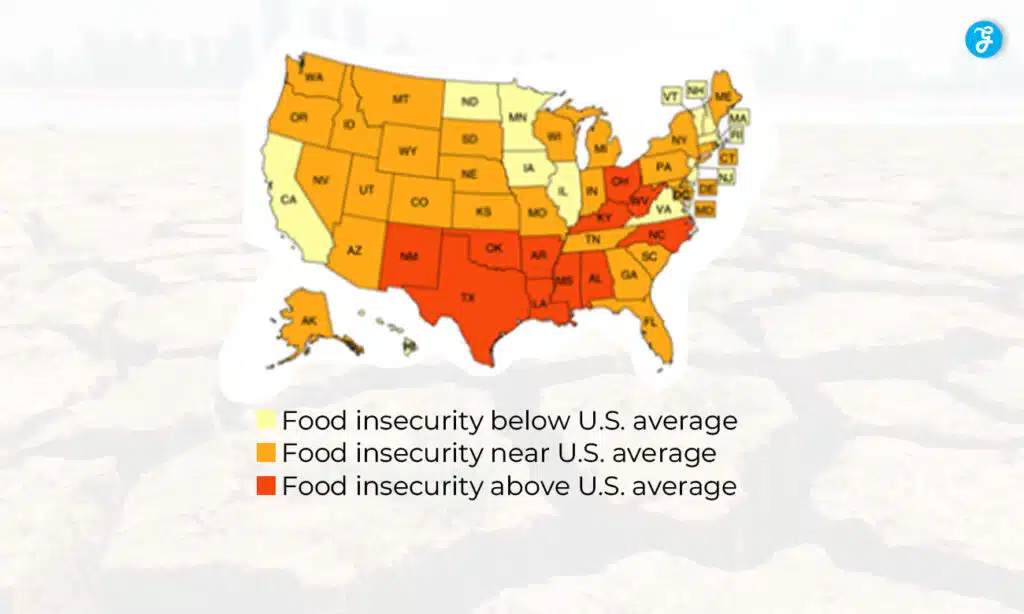
Extreme weather events, such as hurricanes and wildfires, disrupt the transportation and storage of agricultural products, leading to delays, spoilage, and increased costs.
For example, the 2021 Texas freeze disrupted the supply chains of citrus fruits and vegetables, causing shortages in grocery stores. To mitigate these risks, farmers and distributors are investing in localized supply chains, on-farm storage facilities, and cold storage technologies.
Diversifying distribution networks and improving infrastructure resilience are also critical to minimizing the impact of supply chain disruptions.
20. Challenges in Global Trade
Climate change is affecting global trade dynamics by altering production patterns and reducing yields in major exporting regions. For example, droughts in the Midwest can impact global corn supplies, while floods in California may affect almond exports.
These disruptions can lead to price volatility and strained trade relationships. Farmers and policymakers are working to diversify export markets, invest in resilient infrastructure, and negotiate trade agreements that account for climate risks, ensuring a stable and reliable agricultural export industry.
Takeaways
The impacts of climate change on US agriculture are profound and far-reaching. From soil erosion to pollinator declines, farmers face a complex web of challenges that threaten food security and economic stability.
However, by adopting innovative technologies, sustainable practices, and collaborative solutions, the agricultural sector can navigate these changes and build a resilient future.
Addressing climate change today is essential for safeguarding the nation’s farms and ensuring a stable food supply for generations to come.