

You may feel lost in a wave of green ads when shopping for beauty products that really care for people and the planet. The Amazon rain forest hosts over two million natural ingredients for skin care.
Our list of 10 Brazilian Eco-Beauty Brands That Use Amazonian Ingredients shows clean beauty steps, ethical sourcing, and local support. Read on.
Key Takeaways
- Natura launched its Ekos line in 2000 using murumuru butter and cupuaçu. It tracks harvests on a blockchain, funds Amazon biodiversity, and uses cold-press and centrifuge methods to cut water and energy use.
- Costa Brazil founder Francisco Costa taps wild-harvested kaya, cacay, and breu in its Jungle Complex. It sells vegan, cruelty-free soaps and lotions in 30 g to 450 ml sizes and partners with Camila Farnezi’s group and a local crafts firm for hotel amenities.
- Amazonian SkinFood and Teadora hire Amazon cooperatives and pay fair wages for handpicked seeds, pracaxi, and buriti oils. They track their supply chain via blockchain, issue annual public impact reports, and host community workshops.
- Baims Natural Makeup and Simple Organic lead clean beauty efforts. Baims uses pracaxi oil, açaí oil, and cupuaçu butter in eco-designed bamboo cases with refillable pods. Simple Organic taps balsam copaiba resin from Copaifera langsdorffii and tests every batch with gas chromatography. Both brands hold cruelty-free badges.
- Rahua crafts haircare oils by cold-pressing native Amazon plants. It pays indigenous communities fair fees, helps guard biodiversity, and spreads ethical sourcing.
Natura: Pioneering Vegan and Sustainable Beauty
Natura launched its Ekos line in 2000. It uses murumuru butter and cupuacu from the Amazon rainforest. The brand champions vegan beauty and clean beauty. It teams with local communities to buy raw butters under fair trade.
A blockchain ledger tracks each harvest for ethical sourcing. It funds biodiversity conservation in the Amazon basin.
Labs use cold-press and centrifuge methods for extraction. Low-impact technology cuts water and energy use in every batch. Eco-friendly packaging limits plastic waste. Natura ranks high among Brazilian beauty brands for sustainable beauty and natural ingredients.
Costa Brazil: Blending Luxury with Amazonian Ingredients
Francisco Costa started the brand in New York. It taps ethical, wild-harvested natural ingredients from the Amazon. It uses the Jungle Complex. That mix has kaya, which acts as an antioxidant shield; cacay, which speeds cell renewal; and breu, a resin that purifies skin.
The line has vegan, cruelty-free, clean beauty formulas. It fits the sustainable beauty trend and stays true to ethical sourcing.
Costa Brazil teamed with a local crafts partner for luxury hotel amenities. It stands out among Brazilian beauty brands for its focus on sustainable practices. They made liquid and bar soaps in 70 ml, 450 ml, 30 g, and 50 g sizes.
They use sustainable packaging, which cuts waste and saves money. A regional beauty group led by Camila Farnezi drives strong demand and solid partnerships. The design blends Brazilian charm with elegant scents from the Amazon rainforest.
Amazonian SkinFood: Promoting Clean and Ethical Cosmetics
Amazonian SkinFood makes clean beauty creams using natural ingredients from the Amazon rainforest. Village teams pick seeds and nuts by hand. The brand pays fair fees and practices ethical sourcing.
It uses blockchain for supply chain traceability. Each label shows origin points and carbon data.
This Brazilian beauty brand raises sustainable beauty standards. Elders in riverside communities help guard biodiversity and forest health. They join workshops to learn new sustainable practices for low impact harvests.
A public report posts each year’s impact. Fans praise its open trade model.
Teadora: Empowering Local Communities Through Beauty
Teadora hires cooperatives in the Amazon rainforest, it pays fair wages for each batch of oils. It uses wild-harvested pracaxi and buriti extracts from native plants. This fair trade method boosts income in small villages, it puts food on tables.
The brand charts a sustainable beauty course, blending clean beauty ideals with ethical sourcing.
Local women join workshops, they learn extraction tricks and craft neat packaging. Teadora’s focus on biodiversity conservation sparks seedling drives in remote towns. This Brazilian beauty label sets a high bar in sustainable practices, it blends community engagement with natural ingredients in every skin care product.
Baims Natural Makeup: Combining Sustainability and Elegance
Baims Natural Makeup blends pracaxi oil from the Pentaclethra macroloba tree with antioxidant-rich aai oil and cupuaçu butter. This cream-to-powder foundation guards skin and locks in moisture all day.
Readers will spot a hint of Amazon rainforest in each swipe. The brand taps local harvests for ethical sourcing and natural ingredients. It marks a high note in clean beauty among brazilian beauty brands.
The firm wraps skin care products in eco-designed bamboo and uses forest stewardship label paper. Each case fits a refillable pod under a certified eco label. Formulas win a cruelty-free badge and meet strict standards for sustainable practices.
This approach shows off environmental responsibility with a touch of elegance. The result lands right in the sweet spot between sustainable beauty and upscale appeal.
Simple Organic: Focused on Vegan and Natural Formulations
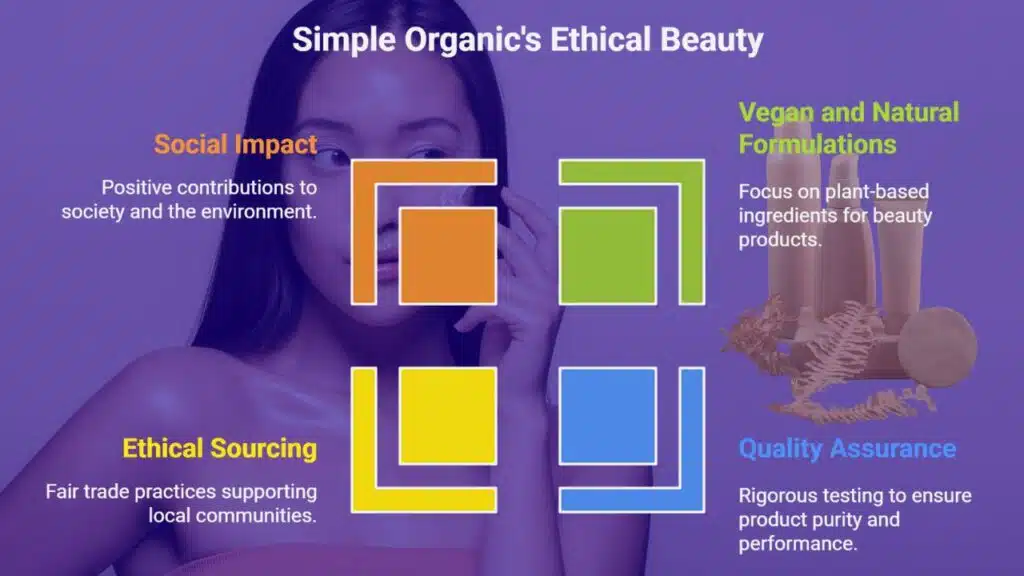
Simple Organic taps balsam copaiba resin from Copaifera langsdorffii for long-wear makeup in its Plant Based Beauty foundation. Gas chromatography checks purity of each batch before mixing.
This vegan formula feels light and lasts through heat and humidity. Lab tests confirm top performance, quality wins clean beauty kudos.
Founder Nathalie Billio leads fair trade projects in villages near the Amazon rainforest. Local artisans earn stable income and skills. Critics and fans applaud ethical sourcing and support to vulnerable communities.
It ranks high among brazilian beauty brands for social impact.
Rahua: Supporting Biodiversity with Haircare Solutions
Rahua, a brazilian beauty brand, taps oils and extracts from native Amazon rainforest plants to craft haircare solutions. They harvest seeds and sap, then cold-press them to lock in nutrients, supporting clean beauty, natural ingredients, and sustainable beauty.
You might say each drop feels like a jungle shower on your scalp.
Local indigenous communities earn fair pay, guide the harvest, and protect biodiversity. This partnership spreads ethical sourcing across the supply chain, and it fuels environmental and social responsibility.
You could call it a win for hair and habitat in the beauty industry.
Takeaways
Brazil’s eco brands show off ethical sourcing and local partnership. Apex Brasil backs some bold names for global fans. Amazon nut oils and berry extracts sing in every drop. You’ll find buzz on Instagram, Facebook, and LinkedIn.
Green skin care never felt this vibrant.
FAQs
1. What is sustainable beauty and how do these eco-beauty brands show it?
Sustainable beauty means caring for your skin and the planet at once, they use natural ingredients from the rainforest, they skip harsh chemicals, they follow clean beauty rules.
2. How does Costa Brazil keep its sourcing ethical?
Costa Brazil works with locals to harvest seeds and oils by hand, they pay fair, they guard the forest. This brand never cuts corners on green practices.
3. Are these products safe for my skin and the planet?
Yes, they blend simple, gentle botanicals and clean beauty standards, they protect trees while they pamper you, they pass tough checks in labs to back sustainable beauty.
4. How can I try these brands in my daily routine?
You can buy them online, in eco shops, or at stores that back sustainable practices, you will spot labels that shout ethical sourcing and clean beauty.






















