

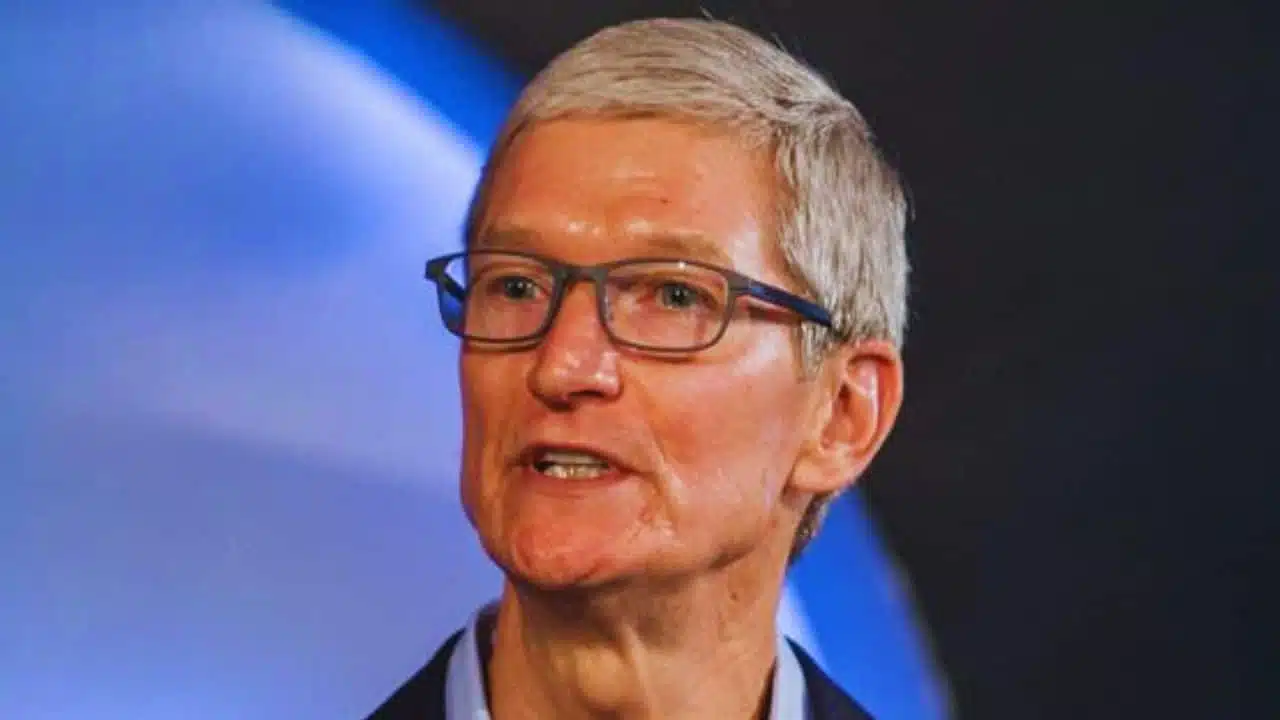
Apple CEO Tim Cook faced a flood of backlash after publicly congratulating President-elect Donald Trump on his 2024 victory over Kamala Harris. In his message on X (formerly Twitter), Cook expressed Apple’s commitment to working with Trump’s administration to ensure that America continues to lead with innovation, creativity, and ingenuity.
However, this statement sparked immediate criticism from Apple users and industry observers alike. Many accused Cook of undermining Apple’s traditionally neutral stance by appearing to endorse a political figure, while others alleged that Apple’s actions over the years displayed a pattern of political interference. Users highlighted frustrations about the company’s global manufacturing practices and speculated about Apple’s motives for aligning with Trump. Here’s a closer look at the details behind the controversy.
The Congratulatory Message That Sparked Outrage
In Cook’s post on X, he extended warm wishes to Trump, emphasizing that Apple “looks forward to working with him to ensure the U.S. continues to lead with and be fueled by ingenuity, innovation, and creativity.” This statement, while intended to sound collaborative and forward-looking, came across to many Apple fans as politically charged.
Numerous users responded by questioning Apple’s impartiality, accusing Cook of attempting to curry favor with the new administration. Some users pointed out that Apple has been allegedly biased in its political activities for years. In particular, critics recalled allegations that Apple’s voice assistant, Siri, had been displaying Kamala Harris’s image when users asked about the 2024 general election, insinuating that Apple might have subtly influenced public perception.
The comment thread quickly filled with opinions questioning Apple’s motives and urging the company to bring its manufacturing jobs back to the United States. Some users echoed Trump’s campaign message that the U.S. should reclaim its manufacturing prowess, a message that resonates strongly among a segment of American consumers who wish to see companies like Apple make a stronger commitment to domestic production.
Calls for Apple to Shift Manufacturing to the U.S.
During his campaign, Trump promised to make the U.S. the world’s number one manufacturing powerhouse. His platform emphasized the revitalization of American industries, and he frequently advocated for businesses to bring production back home from overseas. This pledge to reclaim the country’s manufacturing dominance resonated with some of the comments directed at Cook’s post. Many users called for Apple to produce more of its products within the U.S., aligning with Trump’s proposed vision for a self-sufficient economy.
In a campaign rally in August, Trump declared, “We will reclaim our nation’s destiny as the No. 1 manufacturing superpower in the world.” This statement struck a chord with critics of Apple, who voiced their frustration with the tech giant’s reliance on international manufacturing hubs, particularly in China. Although Apple has made some attempts to shift production for select products to the U.S., much of its manufacturing remains abroad, primarily in Asia. The call to align with Trump’s pro-manufacturing stance underscores a segment of American consumers’ dissatisfaction with Apple’s overseas production model, urging the company to support domestic jobs.
A Complex Relationship: Cook and Trump Over the Years
Tim Cook and Donald Trump have shared a complex relationship marked by both collaboration and friction. Back in 2019, the two met at the White House to discuss tariffs imposed on Chinese imports, which had directly impacted Apple’s supply chain and bottom line. The meeting concluded with Apple agreeing to invest in U.S. manufacturing facilities, most notably for its Mac Pro production line in Austin, Texas.
Last month, Trump expressed admiration for Cook’s leadership, stating that Apple would not be as successful today if it were still led by its late co-founder, Steve Jobs. The compliment, while intended to praise Cook, also raised eyebrows, as it came amid the 2024 election season and highlighted a notable endorsement of Cook’s stewardship during a period of heightened political attention. Trump’s acknowledgment of Cook’s achievements was seen by some as part of an effort to cultivate goodwill between his administration and Apple, especially as it could help soften potential tensions around trade policies or regulatory issues.
Apple’s High-Profile Presence at the White House
Under President Biden’s administration, Apple maintained a significant presence in Washington, with the tech giant making 87 visits to the White House, 11 of which included Cook personally. The steady dialogue between Apple and the government reflects the tech giant’s ongoing commitment to addressing pressing issues like data privacy, security, and the potential for future U.S.-based manufacturing. Yet, Apple’s frequent appearances in the political arena have led some to question whether the company’s advocacy efforts align with its stated values of neutrality and innovation.
Many on X speculated that Cook’s congratulatory post to Trump was an effort to shield Apple from the potential for stricter trade policies under Trump’s administration. With Trump expected to push for heightened tariffs on imports, including electronics manufactured in China, Cook’s public message could be interpreted as a gesture to safeguard Apple’s business interests.
Concerns Over Potential New Tariffs and Economic Impact
Trump’s proposed tariffs include a 10% to 20% levy on all imports, with even higher rates targeted at imports from China. He argues that these tariffs will boost American industries, create jobs, and help the country regain its economic independence. However, analysts from Pantheon Macroeconomics warn that such tariffs could have far-reaching consequences for the economy. They estimate that a 10% tariff could drive up inflation by 0.8 percentage points in the coming year, which would further strain American consumers and the broader economy. The potential for increased inflation underscores the financial stakes for companies like Apple that rely heavily on imported components and assembled products.
Cook’s Outreach to Trump on European Union Penalties
Complicating matters further, Cook reportedly contacted Trump last month to discuss recent financial penalties imposed on Apple by the European Union. The EU had levied substantial fines on Apple, amounting to $17 billion, citing anti-competitive practices and back taxes owed to Ireland. During a podcast interview, Trump recounted his conversation with Cook, explaining that the Apple CEO expressed concern over these penalties, which could hurt Apple’s financial standing.
Trump recalled assuring Cook that, if re-elected, he would prioritize protecting American companies from such foreign regulatory actions. “Tim, I got to get elected first… But I’m not going to let them take advantage of our companies. That won’t be happening,” Trump said, conveying his stance against foreign bodies imposing fines on U.S.-based corporations. This exchange highlights Cook’s efforts to secure Apple’s position both domestically and abroad in the face of mounting regulatory scrutiny and financial penalties.
Balancing Business and Political Interests
In sum, Tim Cook’s congratulatory message to Trump may have been intended as a professional courtesy, but it inadvertently opened a debate on Apple’s political alignment, global manufacturing strategy, and efforts to navigate international regulations. For some consumers, Apple’s apparent willingness to work closely with a shifting political landscape demonstrates the company’s pragmatism and adaptability in protecting its business interests. Yet, for others, it raises concerns over the tech giant’s influence and motivations in the political arena.
Cook’s outreach to Trump underscores the delicate balance Apple must strike between maintaining profitable operations worldwide and meeting the expectations of a politically diverse consumer base. As Apple’s relationship with the Trump administration unfolds, the tech giant will likely continue to face scrutiny over its strategic decisions on manufacturing, trade, and policy advocacy—decisions that could shape the brand’s image and business trajectory in the years to come.






















