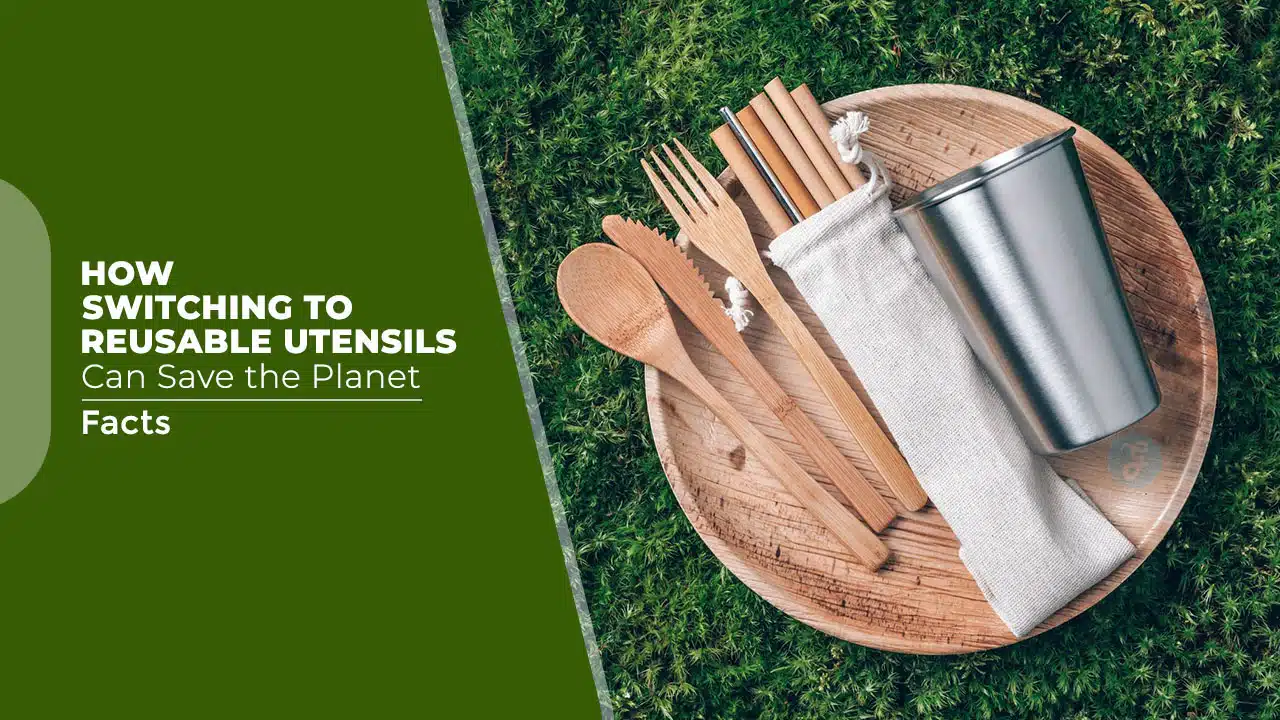
The world is drowning in plastic waste. Every year, millions of disposable utensils end up in landfills and oceans, causing devastating environmental damage.
The simple act of choosing reusable utensils instead of single-use plastic ones can have a profound impact on our planet.
Not only does it reduce waste, but it also helps conserve natural resources, lower carbon emissions, and promote a healthier lifestyle.
How switching to reusable utensils can save the planet is a topic that deserves more attention, as small lifestyle changes collectively create a significant impact.
In this article, we will explore nine key facts about how switching to reusable utensils can save the planet and why making this eco-friendly switch is crucial for a sustainable future.
Why Reusable Utensils Matter for a Sustainable Future
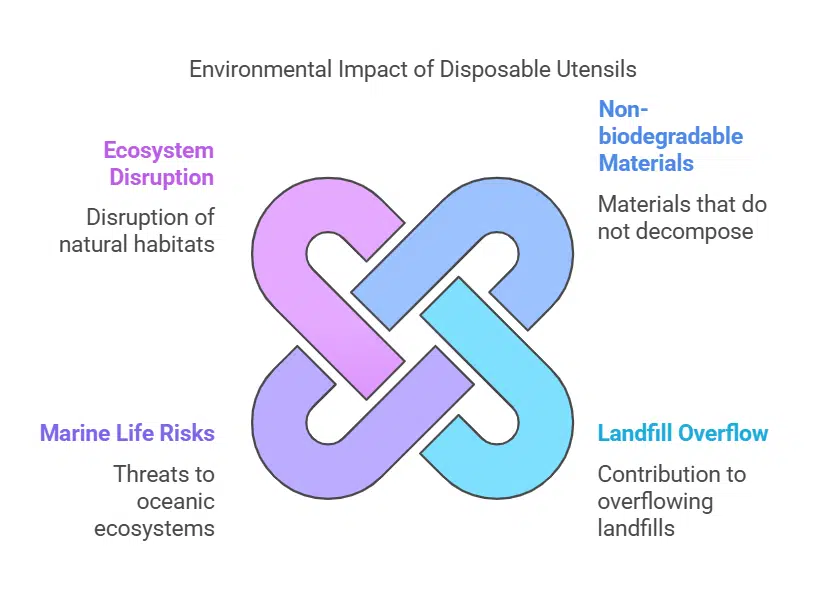
Single-use plastic utensils have become an environmental nightmare. Most disposable cutlery is made from plastic, polystyrene, or other non-biodegradable materials that take hundreds of years to decompose.
These products not only contribute to landfill overflow but also pose severe risks to marine life and ecosystems.
How switching to reusable utensils can save the planet is evident when we look at the broader impact of plastic waste:
- Every year, over 40 billion plastic utensils are discarded in the U.S. alone.
- Less than 10% of plastic waste gets recycled, with the majority ending up in oceans or landfills.
- Plastic utensils are among the top 10 items found during ocean cleanups worldwide.
- Microplastics from degraded plastic utensils enter the food chain, posing health risks to humans and animals.
By adopting reusable alternatives, we significantly reduce plastic pollution and contribute to a cleaner environment.
7 Facts About How Switching to Reusable Utensils Can Save the Planet
Switching to reusable utensils is a simple yet impactful change that can drive sustainability efforts globally.
By eliminating the need for disposable plastic cutlery, individuals and businesses can significantly reduce their ecological footprint.
Studies indicate that reducing single-use plastic consumption leads to lower pollution levels, cleaner water sources, and a healthier environment for future generations.
Below are nine compelling reasons why making the switch is essential.
1. Reduces Plastic Waste and Landfill Overflow
One of the most immediate benefits of how switching to reusable utensils can save the planet is the reduction of plastic waste. Disposable utensils are designed for convenience but result in long-term environmental damage.
- A plastic fork or spoon can take 500+ years to decompose.
- Every day, millions of plastic utensils are discarded, many of which never make it to proper waste disposal sites.
- Landfills are overflowing with non-biodegradable plastics, creating pollution and soil contamination.
Impact of Plastic Waste on the Environment
| Factor | Disposable Utensils | Reusable Utensils |
| Decomposition Time | 500+ years | Reusable indefinitely |
| Contribution to Landfills | High | Negligible |
| Impact on Wildlife | Severe | Minimal |
Actionable Tip: Keep a compact reusable utensil set in your bag or car to avoid using disposable plastic cutlery while dining out.
2. Lowers Carbon Footprint and Greenhouse Gas Emissions
Plastic production is a major contributor to climate change. Manufacturing disposable utensils requires fossil fuels, energy, and water—leading to significant greenhouse gas emissions.
- Producing disposable plastic utensils emits millions of tons of CO2 annually.
- The plastic industry accounts for 3-4% of global greenhouse gas emissions.
- The energy used to produce disposable utensils is wasted after a single use.
- Studies show that reducing plastic use can cut down emissions by 25-30% in the next decade.
Carbon Footprint of Different Utensil Types
| Utensil Type | Carbon Emission (kg CO2 per kg) | Lifespan |
| Plastic | 6.0 | Single-use |
| Stainless Steel | 1.5 | Lifetime |
| Bamboo | 0.8 | 5+ years |
Actionable Tip: When ordering takeout, request no plastic cutlery and use your reusable set instead.
3. Saves Natural Resources Like Water and Energy
The manufacturing of disposable utensils consumes vast amounts of natural resources. From raw material extraction to production, plastic utensils require excessive water and energy.
Energy & Water Usage of Disposable vs. Reusable Utensils
| Material | Water Consumption | Energy Consumption | Lifespan |
| Plastic | High | High | Single-use |
| Stainless Steel | Low | Medium | Lifetime |
| Bamboo | Medium | Low | 5+ years |
Example: A study by the United Nations found that replacing plastic utensils with reusable alternatives could save up to 10 billion liters of water annually.
Actionable Tip: Choose bamboo or stainless steel cutlery, as they have lower environmental impact compared to plastic alternatives.
4. Reduces Harm to Marine Life and Wildlife
Plastic utensils are one of the top pollutants in oceans. Marine animals often mistake them for food, leading to fatal consequences.
- Over 1 million seabirds and 100,000 marine animals die each year due to plastic ingestion.
- Plastic cutlery is non-biodegradable, breaking down into harmful microplastics.
- Once in the ocean, plastics never fully decompose, threatening marine ecosystems indefinitely.
Plastic Pollution Impact on Marine Life
| Affected Species | Impact |
| Sea Turtles | Ingest plastic, leading to internal injuries |
| Seabirds | Starve due to plastic accumulation in stomachs |
| Fish | Microplastics enter the food chain |
Actionable Tip: Participate in local beach cleanups or support organizations that work to protect marine ecosystems.
5. More Cost-Effective in the Long Run
While single-use plastic utensils may seem cheap, their cumulative cost adds up. Investing in reusable options saves money over time.
Cost Comparison Over Five Years
| Utensil Type | Total Cost Over 5 Years |
| Plastic | $150+ |
| Stainless Steel | $30 |
| Bamboo | $25 |
Actionable Tip: Invest in a good-quality reusable cutlery set—it pays off in both environmental and financial savings.
6. Reduces Toxic Chemical Exposure

Plastic utensils often contain harmful chemicals like BPA, which can leach into food and drinks.
- BPA exposure has been linked to hormonal imbalances and health issues.
- Reusable utensils made from natural materials are free from toxic chemicals.
Actionable Tip: Choose BPA-free and non-toxic materials like wood, bamboo, or stainless steel.
7. Promotes Eco-Friendly Business Practices
Many companies are transitioning to reusable alternatives as part of their corporate sustainability goals.
- Some countries have banned single-use plastics, encouraging reusable alternatives.
- Businesses offering sustainable utensils appeal to eco-conscious consumers.
Actionable Tip: Support businesses that prioritize sustainability.
Additional Ways to Support Sustainability
Beyond switching to reusable utensils, there are other effective ways to contribute to sustainability:
- Encourage policy changes by supporting bans on single-use plastics.
- Educate others on the benefits of reusable alternatives.
- Invest in multi-functional utensils like sporks and hybrid tools to reduce material consumption.
- Participate in sustainability challenges such as plastic-free months to promote awareness.
These additional efforts amplify reusable utensils’ impact and foster an eco-conscious living culture.
Final Thoughts
How switching to reusable utensils can save the planet is a powerful truth that we must act upon. The facts are clear: by making this simple switch, we reduce waste, conserve resources, protect wildlife, and promote a healthier lifestyle.
Every small effort adds up, leading to a significant impact on global sustainability.
Are you ready to make a difference? Start today—carry a reusable utensil set, spread awareness, and inspire change for a greener future! ✨