

Agriculture is the backbone of Australia’s economy, contributing significantly to its GDP and export market.
However, the agricultural supply chain is plagued with inefficiencies, fraud, and a lack of transparency that hampers its growth and erodes trust among stakeholders.
Enter blockchain technology—a revolutionary tool capable of transforming supply chain operations.
By ensuring end-to-end transparency, blockchain boosts transparency in Australian agriculture, restoring trust and paving the way for sustainable practices.
Blockchain enables stakeholders to track products from their origins to their final destinations, ensuring authenticity, quality, and efficiency.
With actionable insights, increased trust, and improved logistics, blockchain has the potential to modernize the agricultural sector.
This article explores how blockchain technology addresses critical challenges, provides practical solutions, and creates a win-win scenario for farmers, consumers, and regulators.
What is Blockchain and How Does It Work?
Blockchain is a decentralized digital ledger that records transactions across multiple computers in a secure, immutable, and transparent manner.
Unlike traditional systems, blockchain operates without intermediaries, making it highly efficient and reliable.
Key features include:
- Decentralization: Data is distributed across a network, reducing the risk of tampering.
- Immutability: Once data is recorded, it cannot be altered, ensuring accuracy.
- Transparency: Every transaction is visible to authorized participants.
Blockchain boosts transparency in Australian agriculture by ensuring that every step in the supply chain is verified and immutable.
Key Components of Blockchain Technology
| Component | Description |
| Distributed Ledger | A shared record of all transactions accessible to all authorized network participants. |
| Smart Contracts | Automated agreements that execute predefined actions when specific conditions are met. |
| Cryptographic Security | Data is encrypted to ensure integrity and prevent unauthorized access. |
| Consensus Mechanisms | Protocols like Proof of Work (PoW) or Proof of Stake (PoS) ensuring data validation. |
Why Blockchain is a Game-Changer for Supply Chains
Blockchain’s ability to enhance traceability and data integrity makes it a game-changer for supply chains.
Key benefits include:
- Enhanced Trust: Stakeholders can verify product origins and quality.
- Improved Efficiency: Automated processes reduce delays and costs.
- Fraud Prevention: Immutable records deter fraudulent activities.
- Sustainability Monitoring: Blockchain supports eco-friendly practices by accurately tracking environmental data.
By ensuring accuracy and accountability, blockchain boosts transparency in Australian agriculture and fosters a more efficient ecosystem.
Challenges in Australian Agricultural Supply Chains
Despite advancements, Australian agriculture faces challenges such as:
- Lack of Traceability: Difficulty in tracking the origin and journey of produce.
- Fraudulent Practices: Mislabeling and counterfeit products in the market.
- Inefficient Processes: Manual record-keeping leads to errors and delays.
Summary Table of Supply Chain Challenges
| Challenge | Impact |
| Lack of Traceability | Reduced consumer confidence and potential health risks. |
| Fraudulent Practices | Erosion of market trust and financial losses for producers. |
| Inefficient Processes | Higher costs and delays in product delivery. |
| Limited Data Integration | Difficulty in consolidating data from multiple stakeholders. |
Impact of These Challenges on Farmers and Consumers
- Farmers: Reduced profitability due to inefficiencies and lack of market trust. Many small-scale farmers struggle to compete in global markets due to limited transparency.
- Consumers: Diminished confidence in product authenticity and quality. They often face difficulty verifying organic or ethically sourced claims.
- Environmental Concerns: Poor tracking systems hinder sustainable practices, leading to waste and inefficiencies.
Blockchain boosts transparency in Australian agriculture by addressing these challenges head-on, offering robust solutions to create a more trustworthy supply chain.
Practical Insights
- Over 80% of Australian consumers prioritize sustainability in their purchasing decisions but lack access to verified information.
- Farmers report up to 30% losses annually due to inefficiencies in the supply chain.
Blockchain Applications in Australian Agriculture

Tracking Produce from Farm to Fork
Blockchain ensures end-to-end traceability by recording every step of a product’s journey.
For example:
- Livestock Tracking: Monitoring cattle from birth to slaughter, ensuring compliance with ethical and health standards.
- Crop Origins: Certifying that produce meets organic or pesticide-free standards, bolstering consumer trust.
Benefits of Blockchain in Tracking
| Aspect | Impact |
| Real-Time Tracking | Immediate updates on product location and status. |
| Enhanced Traceability | Verified product origins ensure authenticity. |
| Consumer Trust | Increased confidence in food safety and quality. |
| Compliance Assurance | Streamlined audits with verified data. |
By improving data accuracy, blockchain boosts transparency in Australian agriculture, reassuring consumers and regulators alike.
Preventing Fraud and Ensuring Authenticity
Blockchain verifies claims such as organic certification or fair trade practices.
Examples include:
- Smart Contracts: Automating quality checks and certifications.
- Case Study: An Australian winery using blockchain to guarantee the authenticity of its premium wine, reducing counterfeit products in international markets.
Fraud Prevention Measures with Blockchain
| Measure | Example |
| Certification Tracking | Verifying organic or fair trade claims. |
| Immutable Records | Preventing tampering with product information. |
| Digital Audits | Automating compliance checks for export standards. |
| QR Code Integration | Enabling consumers to verify product origins instantly. |
Blockchain boosts transparency in Australian agriculture by ensuring that fraudulent practices are eliminated and replaced with reliable verification systems.
Enhancing Efficiency and Reducing Costs
By automating processes, blockchain minimizes manual errors and reduces costs.
Key features include:
- Real-Time Data Sharing: Faster decision-making for logistics and distribution.
- Smart Contracts: Automatically triggering payments upon delivery milestones, reducing delays.
Cost-Saving Benefits
| Area | Reduction |
| Manual Processes | Up to 40% savings by automating data entry and tracking. |
| Fraud-Related Losses | Estimated reduction of 30% in counterfeit-related expenses. |
| Administrative Overheads | Improved efficiency lowers operational costs by 20%. |
Benefits of Blockchain for Key Stakeholders
For Farmers
- Fair Pricing: Transparent systems reduce exploitation by intermediaries.
- Market Access: Enhanced traceability opens doors to international markets and premium pricing opportunities.
- Reduced Waste: Blockchain’s efficiency helps minimize losses during transportation and storage.
Farmer Benefits
| Benefit | Explanation |
| Fair Pricing | Transparent pricing mechanisms eliminate middleman exploitation. |
| Global Market Access | Verified products meet export standards, attracting international buyers. |
| Efficiency Gains | Automated systems reduce operational costs and delays. |
| Improved Sustainability | Data-driven insights help farmers adopt eco-friendly practices. |
Blockchain boosts transparency in Australian agriculture by empowering farmers with tools that enhance their productivity and profitability.
For Consumers
- Product Confidence: Access to verified information about food origins and safety.
- Ethical Choices: Ability to support sustainable and fair trade practices.
- Health Assurance: Blockchain tracks compliance with safety standards, ensuring better quality.
- Interactive Engagement: Consumers can scan QR codes for detailed product histories.
For Regulators
- Improved Compliance: Streamlined audits and certification processes save time and resources.
- Fraud Prevention: Blockchain’s immutability deters fraudulent activities.
- Sustainability Tracking: Regulatory bodies can monitor environmental impacts through blockchain data.
- Standardization Support: Data harmonization across regions improves regulatory alignment.
Blockchain boosts transparency in Australian agriculture by bridging gaps between stakeholders, fostering accountability, and encouraging compliance.
Real-World Examples of Blockchain in Australian Agriculture
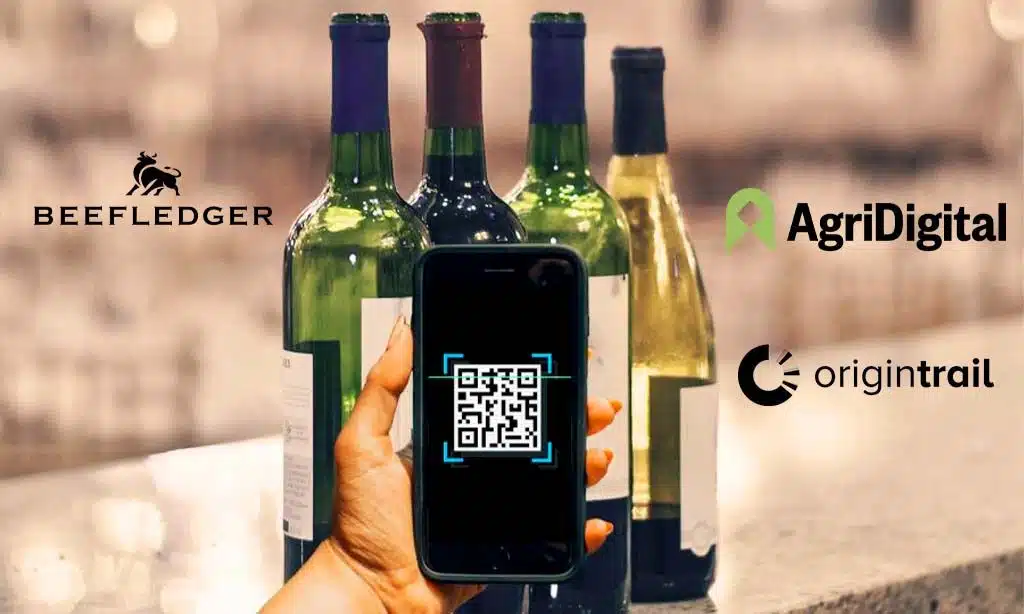
Successful Blockchain Initiatives in Australia
- AgriDigital: A blockchain-based platform for grain tracking that has improved transparency and trust.
- BeefLedger: Ensuring the authenticity of Australian beef in global markets, increasing consumer confidence.
- Australian Wine Blockchain Project: Leveraging blockchain to certify premium wines, reducing counterfeiting.
Blockchain Projects in Australian Agriculture
| Project Name | Purpose | Results Achieved |
| AgriDigital | Grain tracking system | Reduced fraud, improved trust among stakeholders. |
| BeefLedger | Beef authenticity assurance | Increased market trust and reduced counterfeits. |
| Wine Blockchain Project | Wine certification | Enhanced brand reputation in international markets. |
| OriginTrail | General supply chain tool | Enabled traceability for multiple agricultural products. |
Global Case Studies Relevant to Australian Context
- IBM Food Trust: Used worldwide to enhance supply chain transparency for food products. Its success highlights the potential for similar implementations in Australia.
- Everledger: A blockchain-based platform tracking diamonds and wine, showcasing applicability in Australian agriculture.
- Provenance: A UK-based blockchain system improving supply chain transparency, especially for sustainable products.
Challenges and Limitations of Implementing Blockchain
Technological Barriers
- High Costs: Implementation can be expensive for small farmers who often lack the capital to invest in new technologies.
- Digital Literacy: Limited technical knowledge among stakeholders poses a challenge for widespread adoption.
- Infrastructure Gaps: Remote areas with inadequate internet access face difficulties in adopting blockchain systems.
Key Technological Barriers
| Barrier | Impact |
| High Costs | Small-scale farmers struggle to afford blockchain systems. |
| Digital Literacy | Stakeholders require training to utilize blockchain effectively. |
| Infrastructure Gaps | Limited access to high-speed internet in remote areas. |
Adoption and Scaling Issues
- Resistance to Change: Traditional actors may resist adopting new systems due to perceived complexities.
- Collaboration Needs: Success requires widespread industry participation and standardization.
- Data Interoperability: Lack of standard formats for blockchain data across industries.
Regulatory and Legal Hurdles
- Compliance Challenges: Navigating Australian and international regulations can be complex.
- Standardization: Lack of universal standards for blockchain in agriculture hinders interoperability.
The Future of Blockchain in Australian Agriculture
Predictions for Blockchain Adoption
- Increasing interest among startups and established firms indicates a strong future for blockchain in agriculture.
- Integration with IoT and AI for predictive insights and enhanced tracking will revolutionize the sector.
- Growing government support through funding and policies will accelerate adoption.
- Expansion into carbon credits and sustainability tracking for eco-conscious markets.
The Role of Government and Industry
- Policy Support: Initiatives to encourage blockchain innovation through subsidies and training programs.
- Public-Private Partnerships: Collaboration between tech companies and the agricultural sector to ensure seamless adoption.
- International Cooperation: Aligning Australian blockchain standards with global markets.
Takeaway
Blockchain technology is revolutionizing the agricultural supply chain in Australia. By enhancing transparency, ensuring authenticity, and reducing inefficiencies, it is creating a more sustainable and trustworthy ecosystem.
Blockchain boosts transparency in Australian agriculture by tackling inefficiencies and fraud, ultimately benefiting all stakeholders involved.
However, widespread adoption requires overcoming challenges such as high costs and regulatory hurdles.
With continued innovation and collaboration, blockchain holds the potential to transform Australian agriculture, benefiting farmers, consumers, and the environment alike.
The future of Australian agriculture is digital, and blockchain is leading the way.
























