

The real estate industry is undergoing a profound transformation as sustainability takes center stage. As the world grapples with climate change, environmental degradation, and rising energy costs, green real estate practices are not just desirable—they’re essential.
The year 2025 promises exciting advancements in green building technologies, sustainable designs, and eco-friendly practices that benefit homeowners, businesses, and the planet.
In this article, we’ll explore 15 Best green real estate trends that are expected to dominate in 2025. From energy-efficient technologies to community-focused sustainable initiatives, these trends are reshaping the industry and paving the way for a greener future.
Why Green Real Estate Matters
Key Benefits of Green Real Estate
- Environmental Impact: Reduces carbon emissions and conserves natural resources.
- Cost Savings: Energy-efficient homes lower utility bills for homeowners.
- Market Demand: Buyers and renters increasingly prefer eco-friendly properties.
- Health Benefits: Improved indoor air quality and non-toxic materials create healthier living spaces.
- Regulatory Compliance: Governments are mandating stricter environmental standards for buildings.
1. Net-Zero Energy Homes
Net-zero energy homes are the pinnacle of sustainable living. These homes produce as much energy as they consume, offering homeowners a self-sufficient lifestyle that reduces their environmental footprint.
By integrating renewable energy sources like solar panels and advanced energy storage systems, net-zero homes eliminate the need for traditional energy reliance. Features like high-performance insulation, energy-efficient appliances, and airtight designs further optimize energy usage.
With rising energy costs and increasing government incentives for green building practices, the demand for net-zero homes is soaring. These properties are not only environmentally friendly but also financially advantageous, offering long-term savings and higher resale value.
Why It’s a Trend
- Increasing government incentives for renewable energy adoption.
- Rising energy costs make self-sufficient homes more appealing.
- Advances in solar technology and battery storage make net-zero homes more accessible.
Key Features
- Solar panels and energy storage systems.
- High-performance insulation and windows.
- Smart energy monitoring systems.
| Feature | Details |
| Solar Power | Reduces reliance on grid electricity |
| Insulation Technology | Minimizes heat loss and energy waste |
| Battery Storage | Stores excess energy for later use |
2. Passive House Design
Passive house design is a growing trend in green real estate, focusing on ultra-low-energy buildings that require minimal heating or cooling. This design philosophy prioritizes airtight construction, high-performance windows, and optimized ventilation systems to create homes that are both energy-efficient and comfortable.
By reducing energy usage to a fraction of traditional buildings, passive homes offer significant cost savings while promoting sustainability. These designs are particularly appealing in regions with extreme climates, as they maintain consistent indoor temperatures year-round.
With more developers adopting passive design principles, these homes are becoming a cornerstone of green architecture, blending efficiency with livability.
Why It’s a Trend
- Demand for homes with lower energy consumption.
- Growing awareness of climate .
- Developers recognize the long-term cost benefits of passive designs.
Key Features
- Airtight building envelopes.
- Heat recovery ventilation systems.
- Minimal reliance on traditional HVAC systems.
| Feature | Details |
| Airtight Construction | Prevents energy loss |
| Advanced Ventilation | Maintains indoor air quality |
| Triple-Glazed Windows | Provides superior insulation |
3. Green Roofs and Living Walls
Green roofs and living walls are transforming urban landscapes into eco-friendly havens. These innovative features involve covering building exteriors with vegetation, which improves insulation, reduces heat absorption, and enhances air quality.
Green roofs help manage stormwater runoff, reducing the risk of flooding in urban areas. Living walls, often used as vertical gardens, add aesthetic value while promoting biodiversity.
Cities around the world are incentivizing these features as a response to the urban heat island effect and rising pollution levels. Homeowners and businesses are embracing green roofs and walls for their ability to lower energy costs and create healthier living environments.
Why It’s a Trend
- Urban heat island effect drives the need for green spaces.
- Aesthetic appeal and environmental benefits attract eco-conscious buyers.
- Cities are incentivizing green infrastructure projects.
Key Features
- Vegetation-covered roofs.
- Vertical gardens on building exteriors.
- Improved stormwater management.
| Feature | Details |
| Stormwater Absorption | Reduces runoff and flooding risks |
| Natural Insulation | Lowers heating and cooling costs |
| Biodiversity Support | Creates habitats for urban wildlife |
4. Smart Home Technologies for Sustainability
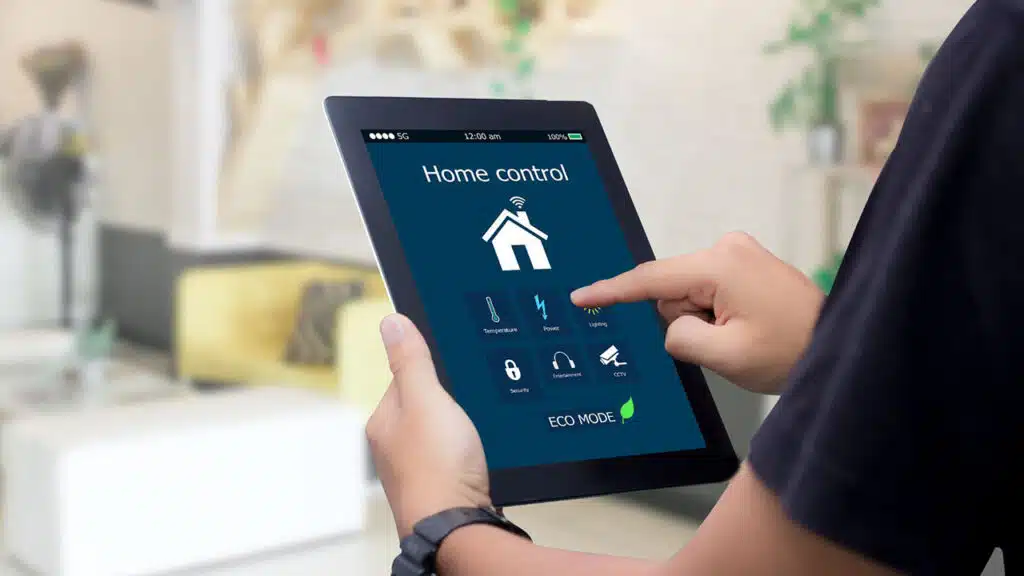
Smart home technologies are revolutionizing sustainable living by automating energy usage and optimizing efficiency. Devices like smart thermostats, automated lighting, and water management systems allow homeowners to monitor and control their consumption in real-time.
These technologies not only reduce waste but also make eco-friendly living more convenient. For example, a smart thermostat learns user habits to minimize energy consumption, while water monitoring systems detect leaks to prevent wastage.
With IoT (Internet of Things) devices becoming more affordable and accessible, more homes are adopting these solutions. Smart technologies are bridging the gap between sustainability and modern convenience, appealing to eco-conscious buyers.
Why It’s a Trend
- Smart devices are more affordable and widely available.
- Consumers are increasingly adopting IoT solutions.
- Energy efficiency is a priority for tech-savvy homeowners.
Key Features
- Smart thermostats for optimized heating and cooling.
- Energy-efficient lighting systems.
- Water usage monitoring and leak detection.
| Feature | Details |
| Smart Thermostats | Reduce unnecessary energy use |
| Automated Lighting | Adjusts to natural light levels |
| Water Management | Tracks and minimizes water waste |
5. Sustainable Building Materials
The use of sustainable building materials is reshaping the construction industry, with a focus on reducing environmental impact without compromising quality.
Materials like bamboo, reclaimed wood, and recycled steel are becoming standard choices for green construction projects. These materials are not only renewable and durable but also promote healthier indoor environments by minimizing toxic emissions.
Locally sourced materials further reduce the carbon footprint associated with transportation. With an increasing number of builders and homeowners opting for eco-friendly alternatives, the demand for sustainable materials is driving innovation in the sector.
These materials offer a win-win solution, balancing sustainability with cost-effectiveness.
Why It’s a Trend
- Reduces environmental impact of construction.
- Meets growing consumer demand for sustainable products.
- Durable materials offer long-term cost savings.
Key Features
- Recycled materials reduce waste.
- Non-toxic finishes improve indoor air quality.
- Locally sourced materials minimize transportation emissions.
| Material | Benefit |
| Reclaimed Wood | Reduces deforestation |
| Bamboo | Fast-growing and renewable |
| Recycled Steel | Minimizes mining and manufacturing waste |
6. Energy-Efficient Appliances
Energy-efficient appliances are now an essential feature of modern green homes. These appliances consume significantly less energy and water, reducing both utility bills and environmental impact.
Products with Energy Star certifications, such as smart refrigerators, washing machines, and LED lighting systems, are leading the way in eco-friendly living. Homeowners are increasingly prioritizing energy efficiency when upgrading their homes, driven by rising energy costs and environmental awareness.
Many governments also provide rebates and incentives for adopting these appliances, making them accessible to more people. As technology continues to advance, energy-efficient appliances are becoming smarter and more sustainable, enhancing everyday living.
Why It’s a Trend
- Manufacturers are prioritizing Energy Star certification.
- Buyers are willing to pay premiums for homes with efficient appliances.
- Governments are offering rebates for eco-friendly upgrades.
Key Features
- Smart refrigerators and dishwashers.
- High-efficiency washing machines and dryers.
- Water-saving faucets and showerheads.
| Appliance | Efficiency Feature |
| Smart Fridge | Optimizes cooling based on usage |
| Efficient Washer | Uses less water per load |
| LED Lighting | Consumes significantly less energy |
7. On-Site Renewable Energy Systems
On-site renewable energy systems, such as solar panels, wind turbines, and geothermal heating, are transforming properties into energy-independent powerhouses.
These systems enable homeowners to generate clean energy, reducing reliance on traditional power grids and lowering electricity bills. Solar panels, in particular, are more efficient and affordable than ever, while wind turbines are ideal for rural areas with consistent wind patterns.
Geothermal heating and cooling systems offer sustainable year-round comfort. With government incentives and tax breaks for renewable energy installations, more homeowners and developers are adopting these systems. On-site renewable energy is a game-changer, combining sustainability with financial savings.
Why It’s a Trend
- Rising energy costs are driving interest in self-sufficient homes.
- Government incentives make renewable energy systems more affordable.
- Homebuyers prioritize properties with sustainable energy solutions.
Key Features
- Solar panels for electricity generation.
- Small-scale wind turbines for rural properties.
- Geothermal heating systems for year-round efficiency.
| Feature | Details |
| Solar Energy | Reduces electricity bills |
| Wind Turbines | Ideal for properties in windy locations |
| Geothermal Systems | Provides sustainable heating and cooling |
8. Community-Focused Green Developments
Community-focused green developments are changing how neighborhoods are designed and lived in. These developments prioritize shared green spaces, sustainable infrastructure, and eco-friendly transportation options.
Features like bike-friendly pathways, community solar grids, and water recycling systems foster a sense of community while promoting sustainability.
Green developments often include shared amenities such as gardens and recreational spaces, encouraging residents to adopt an environmentally conscious lifestyle.
With cities seeking to reduce their carbon footprints, these developments are gaining popularity among buyers who value both sustainability and community living. They represent a holistic approach to real estate, blending environmental and social benefits.
Why It’s a Trend
- Cities aim to reduce carbon footprints through planned developments.
- Buyers are drawn to communities with shared green spaces and amenities.
- Developers recognize the long-term value of creating sustainable neighborhoods.
Key Features
- Bike-friendly pathways and public transport options.
- Shared solar energy grids and water recycling systems.
- Community gardens and recreational green spaces.
| Feature | Details |
| Shared Solar Grids | Lowers energy costs for the entire community |
| Green Spaces | Enhances mental and physical well-being |
| Sustainable Transport | Reduces reliance on cars |
9. Energy Storage Innovations
Energy storage innovations are critical to the success of renewable energy systems in residential and commercial properties.
Advanced batteries, such as lithium-ion and solid-state systems, store excess energy generated by solar panels or wind turbines, ensuring a steady power supply during peak demand or outages.
Smart energy management systems optimize storage and distribution, further enhancing efficiency. As battery costs decrease, energy storage is becoming more accessible, enabling more homeowners to adopt renewable energy solutions.
These systems not only support energy independence but also contribute to grid stability, making them a vital component of the green real estate revolution.
Why It’s a Trend
- Solar and wind energy depend on weather conditions, making storage critical.
- Battery costs are decreasing, making systems more accessible.
- Energy storage increases property value for buyers seeking self-sufficiency.
Key Features
- Lithium-ion batteries for residential properties.
- Smart energy management systems.
- Integration with home energy grids for seamless use.
| Feature | Details |
| Battery Storage | Stores excess solar or wind energy |
| Smart Systems | Optimizes energy usage based on demand |
| Backup Power Supply | Keeps homes running during outages |
10. Water Conservation Technologies
Water conservation technologies are becoming integral to green homes and developments. Systems like rainwater harvesting and greywater recycling significantly reduce water wastage by reusing water for irrigation, flushing, or other non-potable purposes.
Smart water meters monitor consumption and detect leaks, helping homeowners optimize usage and prevent wastage. These technologies are especially important in regions facing water scarcity, where efficient water management is critical.
As governments enforce stricter water usage regulations, properties with built-in conservation systems are becoming more attractive to buyers. By integrating these technologies, real estate developers can contribute to sustainability while meeting the growing demand for eco-friendly homes.
Why It’s a Trend
- Increasing water scarcity makes conservation critical.
- Eco-conscious buyers seek properties with efficient water systems.
- Governments are mandating water-saving measures in new developments.
Key Features
- Rainwater harvesting tanks.
- Greywater recycling for irrigation and flushing.
- Smart water meters to monitor usage.
| Feature | Details |
| Rainwater Harvesting | Captures and stores rainwater for reuse |
| Greywater Systems | Recycles water from sinks and showers |
| Smart Meters | Tracks and reduces unnecessary water use |
11. Urban Vertical Farming in Residential Spaces
Urban vertical farming is a revolutionary concept transforming how food is grown in cities. By integrating farming systems into residential spaces, vertical farming maximizes limited space while providing fresh produce to residents.
This trend is gaining traction as urban areas face challenges like limited land and increasing demand for locally grown food. Features like hydroponic systems, rooftop gardens, and wall-mounted farming units allow for efficient cultivation of fruits, vegetables, and herbs.
Vertical farming not only supports sustainability by reducing food miles but also enhances the quality of life for residents. These farms are often managed collectively, fostering a sense of community among urban dwellers while promoting environmental consciousness.
Why It’s a Trend
- Increasing demand for local and organic produce.
- Space-saving solutions for urban areas.
- Enhances self-sufficiency and reduces food miles.
Key Features
- Indoor hydroponic systems.
- Rooftop gardens with food crops.
- Community-managed vertical farms.
| Feature | Details |
| Hydroponics | Grows plants without soil |
| Rooftop Food Gardens | Combines green spaces with fresh produce |
| Community Farms | Encourages collective urban agriculture |
12. Low-Carbon Construction Techniques
Low-carbon construction techniques are transforming the way buildings are designed and constructed. These methods focus on reducing carbon emissions during every stage of the construction process.
From prefabricated components to the use of materials like low-carbon cement and recycled steel, these practices prioritize sustainability. Prefabrication, in particular, minimizes onsite waste and accelerates the building timeline.
Additionally, passive design principles, which maximize natural light and ventilation, reduce the need for artificial energy sources. These techniques not only meet stricter environmental regulations but also appeal to eco-conscious buyers who are increasingly seeking properties with lower carbon footprints.
Developers adopting these methods are leading the charge toward a greener future.
Why It’s a Trend
- Governments are enforcing stricter carbon emission regulations.
- Buyers are concerned about the environmental impact of construction.
- Prefabrication reduces waste and speeds up the building process.
Key Features
- Prefabricated components to minimize onsite waste.
- Low-carbon cement and recycled materials.
- Designs that optimize natural light and ventilation.
| Feature | Details |
| Prefabrication | Reduces waste and accelerates construction |
| Eco-Friendly Materials | Minimizes environmental impact |
| Passive Design | Reduces reliance on artificial lighting |
13. AI-Powered Energy Management
Artificial Intelligence (AI) is redefining energy management in green real estate. AI-powered systems analyze patterns in energy consumption and optimize usage, ensuring minimal waste.
These systems predict energy needs based on factors like weather conditions, occupancy, and time of day, automatically adjusting heating, cooling, and lighting. AI technologies also provide homeowners with actionable insights through real-time analytics, allowing them to make informed decisions about their energy use.
The integration of AI into smart homes enhances efficiency and convenience, making it a valuable tool for sustainable living. As these technologies become more advanced and affordable, they are becoming standard features in eco-friendly homes.
Why It’s a Trend
- AI improves energy efficiency and reduces utility bills.
- Smart homes attract tech-savvy buyers.
- Real-time analytics allow homeowners to make informed decisions.
Key Features
- Predictive energy usage based on weather and habits.
- Automated lighting and HVAC systems.
- Energy-saving suggestions through user-friendly apps.
| Feature | Details |
| Predictive Usage | Optimizes energy based on patterns |
| Automated Systems | Reduces manual intervention |
| Real-Time Analytics | Provides actionable energy insights |
14. Biophilic Design Elements
Biophilic design emphasizes the integration of natural elements into built environments, creating spaces that connect people with nature. This design approach enhances well-being by incorporating features like indoor plants, natural lighting, and water elements.
Materials that mimic natural textures, such as wood and stone, further enhance the connection to the outdoors. Biophilic design is particularly appealing in urban settings, where access to green spaces is often limited.
Studies have shown that such environments reduce stress, improve air quality, and promote productivity. As people increasingly prioritize health and wellness, biophilic design is becoming a key trend in residential and commercial real estate.
Why It’s a Trend
- Growing interest in health and wellness.
- Demand for nature-inspired living spaces.
- Biophilic designs reduce stress and improve mental health.
Key Features
- Indoor plants and natural lighting.
- Water features in residential designs.
- Materials that mimic natural textures.
| Feature | Details |
| Indoor Plants | Improves air quality and aesthetics |
| Natural Materials | Enhances the connection to nature |
| Water Features | Creates a calming environment |
15. Green Financing Options
Green financing is making sustainable real estate more accessible to buyers and developers alike. These financial tools include green mortgages, energy-efficiency loans, and government grants, which incentivize the purchase or retrofitting of eco-friendly properties.
Green mortgages offer reduced interest rates for homes that meet specific sustainability criteria, while grants and rebates help offset the costs of installing renewable energy systems or upgrading insulation.
By making sustainability financially viable, green financing is encouraging more individuals to invest in eco-friendly real estate. This trend is expected to grow as governments and financial institutions continue to prioritize environmental responsibility, creating new opportunities for eco-conscious buyers.
Why It’s a Trend
- Governments and banks support sustainable investments.
- Buyers benefit from lower interest rates and incentives.
- Green financing promotes eco-friendly developments.
Key Features
- Green mortgages with reduced interest rates.
- Tax rebates for energy-efficient upgrades.
- Grants for renewable energy installations.
| Feature | Details |
| Green Mortgages | Encourages eco-friendly property investments |
| Energy-Efficiency Grants | Reduces costs of sustainable upgrades |
| Tax Incentives | Lowers the financial burden of green retrofits |
Final Thoughts
The green real estate trends for 2025 reflect a collective shift toward sustainability, innovation, and environmental stewardship. These 15 trends—from net-zero energy homes and biophilic designs to advanced AI energy management systems—highlight the industry’s commitment to creating a better future.
By adopting these trends, developers, homeowners, and investors can contribute to the fight against climate change while reaping financial and lifestyle benefits.
As we look ahead, green real estate will continue to drive progress in construction, design, and community planning. The emphasis on sustainability is not just a passing phase but a long-term transformation shaping the future of living spaces.
Whether you’re a buyer seeking an eco-friendly home or a developer looking to meet market demands, these trends offer a roadmap to a greener and more sustainable 2025.
Let me know if you need further refinement or additional data for specific sections!





















