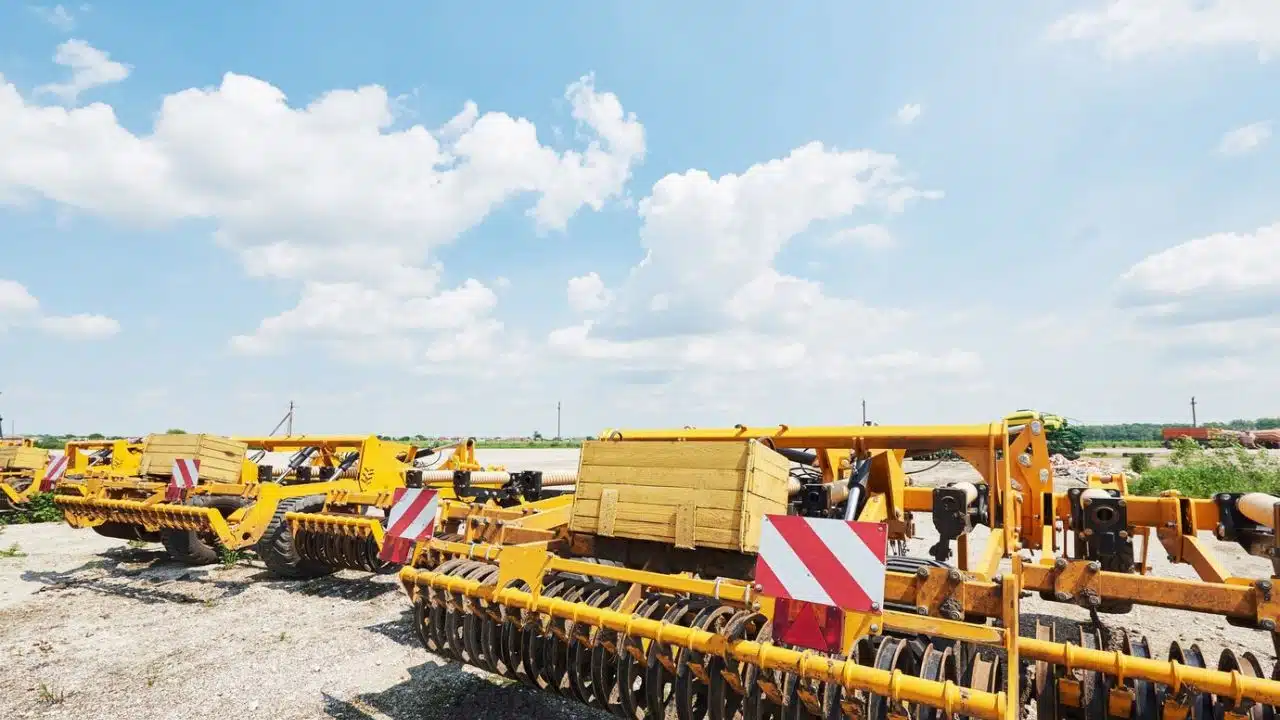
Efficiency, precision, and safety are key elements that determine the success of any industrial project. Heavy machinery is crucial in achieving these objectives by reducing manual labor, enhancing productivity, and minimizing operational risks. Heavy machinery is indispensable in modern industry, from construction and mining to agriculture and logistics. This article explores how these powerful machines make industrial projects easier, faster, and more cost-effective.
More Efficiency
Heavy machinery dramatically improves the efficiency and productivity of industrial projects. Machines like portable batch plants are specifically designed to perform tasks that would take much longer if done manually. Other machinery like excavators can dig huge volumes of earth in minutes, a job that would otherwise take hours or days with manual tools. This capability not only accelerates project timelines but also allows workers to accomplish more in a shorter period. Faster completion times mean cost savings and increased profits, making these machines a wise investment for companies.
Better Safety
One of the most significant benefits of heavy machinery in industrial projects is its ability to enhance worker safety. Tasks that involve lifting heavy materials, working at heights, or handling hazardous substances can be dangerous if performed manually. Heavy machines are designed to bear loads, lift materials, and even operate in extreme environments that are unsafe for human workers. For example, in mining operations, drilling machines can dig deep into the earth without risking miners’ lives. Additionally, with remote-controlled and automated machines becoming more prevalent, operators can work from a safe distance, reducing their exposure to potentially hazardous situations.
Cost-Effectiveness
While the initial investment in heavy machinery may be high, these machines ultimately save costs by reducing labor expenses, increasing efficiency, and minimizing material wastage. For example, a single bulldozer can accomplish the work of several laborers in a fraction of the time, leading to significant labor cost reductions. Additionally, machines with advanced technology allow for better resource management by minimizing material wastage. The durability and long lifespan of heavy machinery further add to cost savings, as well-maintained machines can operate effectively for years with minimal downtime.
Versatility
Heavy machinery is versatile and can be adapted for various industrial applications. Excavators, for example, can be fitted with different attachments, such as hydraulic breakers, grapples, or augers, to perform a variety of tasks, from breaking rocks to digging trenches. This versatility makes heavy machinery indispensable across multiple industries. Instead of purchasing several machines for different tasks, companies can utilize a single adaptable machine, which reduces costs and simplifies logistics.
Environmental Benefits
Modern heavy machinery is also designed to be more environmentally friendly, utilizing fuel-efficient engines and emission-control technology to reduce the environmental impact of industrial projects. Hybrid and electric-powered machinery options are becoming more common, especially in urban construction, where emissions are a concern. These eco-friendly options help reduce carbon footprints and can often qualify projects for green certification, which is a growing requirement in many industries. Additionally, automated controls and sensors help in optimizing fuel usage, further minimizing waste and pollution.
Improved Workforce Morale and Skill Development
Using heavy machinery can also enhance worker morale by reducing the physical strain associated with manual labor. Workers benefit from machines that simplify difficult tasks, allowing them to focus on more specialized roles that require skill and experience. Many companies offer training programs that teach operators to use advanced machinery, giving workers opportunities to develop new skills, improve job satisfaction, and even increase earning potential. Additionally, the presence of heavy machinery on-site demonstrates an employer’s commitment to safety and efficiency, boosting overall morale and productivity.
As technology continues to advance, heavy machinery will only become more efficient and reliable, making it an even more critical asset in industrial operations.