Content marketing helps businesses connect with customers. It uses different formats to share valuable information and engage audiences. Choosing the correct content formats can boost your marketing success and grow your brand.
In today’s digital world, content comes in many shapes and sizes. Each format offers unique ways to reach and interest people, from blog posts to videos.
This article will explore the top 10 content marketing formats to help you engage your audience effectively.
1. Blog Posts
Blog posts are a top content marketing format. They let you share helpful information with your audience. You can cover topics your readers care about in depth.
Blog posts are great for SEO. They help your website show up in search results. This brings more people to your site.
You can write different types of blog posts. How-to guides teach readers new skills. List posts give quick tips. Case studies show how you’ve helped customers.
Blog posts are flexible. You can include images, videos, and links. This makes them more engaging for readers.
Regular blogging builds trust with your audience. It shows you’re an expert in your field. People will come back to read more.
Short blog posts work well for quick tips. Longer posts are suitable for in-depth topics. Mix it up to keep things interesting.
Remember to use headlines that grab attention. Break up text with subheadings. This makes your posts easy to scan.
Encourage comments on your blog posts. This starts conversations with your readers. It can lead to more engagement and loyal followers.
2. Infographics
Infographics are powerful visual tools for sharing information. You can use them to break down complex ideas into easy-to-understand images and text.
Infographics catch people’s attention quickly. They mix eye-catching graphics with crucial facts and data. This makes information more accessible to grasp and remember.
You can share infographics on social media, websites, and in presentations. They work well for explaining processes, comparing options, or showing statistics.
Creating infographics doesn’t have to be complicated. Many online tools offer templates you can customise. Just add your data and images to make unique content.
Infographics can boost your content strategy in several ways. They increase engagement, make your content more shareable, and help build brand awareness.
When making infographics, keep them simple and focused. Use clear headings, limited text, and relevant visuals. This helps viewers understand your message quickly.
You can repurpose infographic content for other formats, too. Turn sections into social media posts or expand on ideas in blog articles.
3. Video Tutorials
Video tutorials are a powerful way to teach your audience new skills. They combine visuals and audio to explain complex topics step-by-step. This format works well for showing how to use products or complete tasks.
People often prefer video tutorials over text instructions. They can see exactly what to do and follow along easily. Short, focused videos under 10 minutes work best to keep viewers engaged.
You can create video tutorials on many topics. Popular options include software walkthroughs, DIY projects, and cooking recipes. The key is breaking down the process into clear, manageable steps.
Good lighting and clear audio are essential for video quality. Using on-screen text or graphics can help highlight key points. Remember to speak slowly and clearly as you explain each step.
Video tutorials can be hosted on your website or shared on platforms like YouTube. This helps reach a wider audience and drive traffic back to your site. Consider making a series of related tutorials to keep viewers returning for more.
4. Webinars
Webinars are a powerful way to connect with your audience online. They let you share knowledge and interact with viewers in real time.
You can choose from different webinar formats to match your goals. Interview-style webinars feature a host asking expert questions. This format works well for diving deep into specific topics.
Panel discussions bring together multiple experts to share different views. These can spark lively debates and give viewers varied perspectives on a subject.
Q&A webinars let your audience ask questions directly. This format helps you address their exact concerns and build trust.
Thought leadership webinars position you as an industry expert. You can share unique insights and ideas to inspire your audience.
Interactive workshops encourage active participation. Viewers can practice new skills or work through problems together during the webinar.
To make your webinar engaging, pick a catchy title that grabs attention. Plan interactive elements like polls or chat discussions to keep viewers involved.
Consider your audience’s preferences when choosing a format. A well-planned webinar can boost your authority and create valuable connections with potential customers.
5. Case Studies
Case studies are a powerful content marketing format. They show how your product or service helps real customers. You can use case studies to highlight success stories and prove your worth.
A good case study tells a story. It explains a problem a customer faces. Then it shows how your company solved that problem. This format builds trust with potential clients.
Case studies work well for complex products or services. They help explain things in a real-world context. You can use numbers and data to back up your claims.
Short case studies work best. Keep them to one or two pages. Use clear headers and bullet points. This makes the information accessible to scan and understand.
Include quotes from happy customers in your case studies. These add credibility to your claims. They also make the content more engaging and personal.
You can share case studies on your website or social media. They also work well in sales emails or presentations. Case studies help turn leads into customers by showing actual results.
6. eBooks
eBooks are a powerful content marketing tool. They let you share in-depth knowledge with your audience. You can use eBooks to show your expertise and build trust.
eBooks are great for lead generation. Offer them as free downloads in exchange for contact info. This helps you grow your email list and connect with potential customers.
When creating an eBook, focus on quality content. Work with experts to provide unique insights. Cover topics your audience cares about in detail.
Make your eBook visually appealing. Use a clean layout, eye-catching images, and easy-to-read fonts. This keeps readers engaged from start to finish.
Promote your eBook across multiple channels. Share it on social media, your website, and through email campaigns. Consider partnering with influencers to reach a wider audience.
Track downloads and engagement to measure success. Use this data to improve future eBooks and your overall content strategy.
7. Podcasts
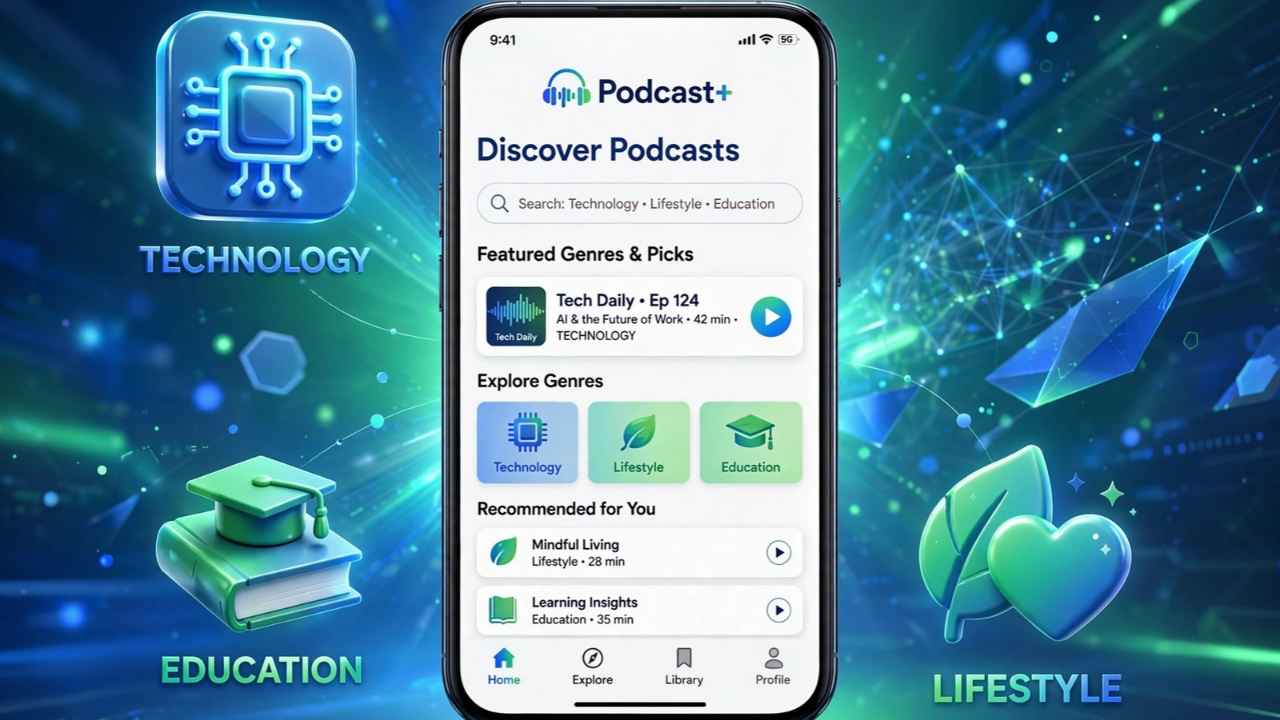
Podcasts are a great way to share your content and connect with your audience. You can use them to discuss topics in-depth, interview experts, or tell stories. Many people listen to podcasts while doing other things, making them a convenient content format.
There are different podcast formats you can try. Interview podcasts let you bring in guests to share their knowledge. Solo shows allow you to speak directly to your listeners about your expertise. Narrative podcasts tell stories that can captivate your audience.
To make your podcast stand out, focus on providing value to your listeners. Share helpful tips, insights, or entertaining content related to your niche. Be consistent with your release schedule so your audience knows when to expect new episodes.
Promoting your podcast is essential to growing your audience. Share episodes on social media and your website. Consider creating blog posts or articles that expand on topics from your podcast. This can attract new listeners and provide extra value for your current fans.
Remember to engage with your audience. Ask for feedback and respond to comments. You can even include listener questions or stories in your episodes. This helps build a community around your podcast and keeps people returning for more.
8. White Papers
White papers are powerful content marketing tools. They let you share deep knowledge on complex topics. You can use them to explain industry trends or solve challenging problems.
White papers are more extended than blog posts. They often include research and data. This makes them great for building trust with readers.
You can use white papers to generate leads. Many companies offer them as free downloads in exchange for contact information. This helps you grow your email list.
When creating a white paper, focus on providing value. Pick a topic your audience cares about. Do thorough research to back up your points.
Make your white paper easy to read. Use clear headings and subheadings. Include charts and images to break up text.
Promote your white paper across different channels. Share it on social media and in emails. You can even turn parts of it into other content, like blog posts or videos.
9. Newsletters
Newsletters are a powerful way to connect with your audience regularly. You can deliver valuable content straight to your readers’ inboxes. This keeps your brand at the top of your mind and builds loyalty over time.
To create an effective newsletter, start by defining your target audience. What are their interests and needs? Tailor your content to address these points. Choose a consistent sending schedule, whether weekly, monthly, or quarterly.
Keep your newsletter design clean and easy to read. Use short paragraphs, bullet points, and images to break up text. A mobile-friendly layout is crucial, as many people check email on their phones.
Your subject lines are crucial to getting open. Make them catchy and relevant to entice readers. Inside the newsletter, provide helpful information, company updates, and special offers.
Measure your newsletter’s performance with metrics like open rates and click-through rates. Use this data to refine your strategy over time. Try A/B testing different elements to see what resonates best with your audience.
Consider offering exclusive content or early access to new products in your newsletter. This can boost subscriptions and engagement. Remember to include clear calls-to-action that guide readers to your website or other desired actions.
10. Social Media Posts
Social media posts are a vital part of content marketing. They help you connect with your audience quickly and directly. You can share updates, promotions, and valuable information in bite-sized pieces.
Different types of posts work well on social media. Images grab attention as people scroll. Short videos are popular and engaging. Text posts can start conversations. Polls and quizzes get people involved.
You should tailor your content to each platform. What works on Instagram may not fit LinkedIn. Twitter needs short, snappy posts. Facebook allows longer updates and discussions.
Consistency matters for social media success. Post regularly to stay visible. But don’t spam your followers. Quality beats quantity every time.
Remember to interact with your audience. Reply to comments and messages. Ask questions to encourage engagement. Share user-generated content when appropriate.
Social media moves fast. Stay current with trends and news in your industry. This helps you create timely, relevant posts that resonate with your audience.
Track your results to see what works best. Most platforms offer analytics tools. Use them to refine your strategy and improve your content over time.
Creating a Content Strategy
A good content strategy helps you reach your audience and goals. It guides what you make and how you share it. Planning saves time and effort.
Defining Your Goals
What do you want your content to do? You may wish more website visitors, email signups, or sales. Set clear, measurable goals. This helps you choose suitable content types and topics.
Think about short-term and long-term aims. Do you need quick wins, or are you building for the future? Write down your goals and share them with your team.
Understanding Your Audience
Who are you making content for? Learn about your ideal readers or viewers. What do they like? What problems do they have? Where do they spend time online?
Use surveys, social media, and analytics to gather info. Make buyer personas to represent your key audience groups. This helps you create content they’ll love and share.
Think about what questions your audience asks. What info do they need? Your content should give them value and solve their problems.
Benefits of Diverse Content Formats
Different types of content can help you reach more people and keep them interested. It can also make your website show up better in search results.
Enhancing Engagement
Different content formats appeal to various learning styles and preferences. Some people like to read, while others prefer watching videos or looking at pictures. By offering a mix, you can keep more visitors on your site longer.
Videos can increase how often people convert by 80%. Infographics get read 30 times more than long articles. This shows that changing your content can significantly affect how people interact.
Using various formats also helps you connect with people at different stages of their buying journey. A quick video might grab attention, while a detailed guide can help someone ready to decide.
Boosting SEO Performance
Search engines like Google favour websites that offer diverse, high-quality content. You can target more keywords and phrases by creating different types of content. This helps your site show up for more searches.
Different formats also give you more chances to earn backlinks. Other websites link to your infographic, video, or blog post. These links help boost your search rankings.
Fresh content in various formats signals to search engines that your site is active and valuable. This can lead to more frequent indexing and better visibility in search results.
Measuring Content Performance
Tracking the right metrics and using proper analysis tools are crucial to improving your content marketing efforts. You can make data-driven decisions to boost engagement and reach your goals by monitoring performance.
Key Metrics to Monitor
Page views show how many times your content is viewed. This fundamental metric gives a snapshot of overall reach. Time on page measures how long readers stay engaged. Longer times often mean more exciting content.
Bounce rate tracks how many people leave quickly without interacting. A high bounce rate may signal that your content isn’t meeting expectations. Social shares indicate how many people found your content valuable enough to pass on.
Conversion rate measures how often readers take a desired action, like signing up or purchasing. This ties content directly to business goals. Comments and interactions show audience engagement levels.
Tools for Analysis
Google Analytics is a free, powerful tool to track website metrics. It shows page views, time on site, bounce rates, and more. You can set up custom goals to measure conversions.
Social media platforms offer built-in analytics. These show reach, engagement, and follower growth for your content. Email marketing tools track open rates, click-throughs, and conversions for newsletter campaigns.
Heat mapping tools like Hotjar visually show where users click and scroll. This helps optimise the content layout and calls to action. A/B testing platforms let you compare different versions to see what performs best.
Wrap up
content marketing in 2024 offers diverse formats to engage your audience and achieve your business goals effectively. You can create valuable, engaging content that resonates with your target audience by leveraging the top 10 content formats, including blog posts, infographics, video tutorials, webinars, and more.
Understanding your goals, audience, and the benefits of diverse content formats is critical to crafting a successful content strategy. Regularly measure and analyse your content’s performance to refine your approach, ensuring continuous improvement and a more significant impact.
With the right mix of formats and strategic planning, you can elevate your content marketing efforts and build stronger connections with your audience.