Have you stared at a spinning wheel while working or streaming? AI can scan huge data flows with neural nets and spot threats as they emerge. AI-Powered Tools ISPs Are Using To Boost Speed, Security can reroute traffic, boost network security, and block attacks before they spread.
We will show five top tools, from smart routers using machine learning to predictive maintenance engines that spot faults early. We will also cover chatbots for instant help, real-time alerts for threats, and data analysis to smooth service.
Keep reading.
Key Takeaways
- ISPs run AI routers (Mercku hardware with BlackDice software) to scan traffic nonstop, send real-time alerts, and shift loads across cloud servers and edge nodes—this cuts video lag and boosts speed without new gear.
- AI threat scanners use deep neural nets to spot odd packets and auto-patch systems; a Univ. of Illinois study found LLMs exploit 87% of critical vulnerabilities, and breaches under 1,000 records now cost about $5 million (TracFone paid $16 million after an API leak).
- Edge sensors plus AI analytics track switch and fiber health, flag worn parts early, and log incidents so tech teams fix faults before failures—this cuts unscheduled downtime and lifts uptime.
- AI chatbots (e.g., ChatGPT agents linked to CRM) run 24/7 to handle billing questions and router glitches, auto-triage tough cases to humans, and cut customer wait times to near zero.
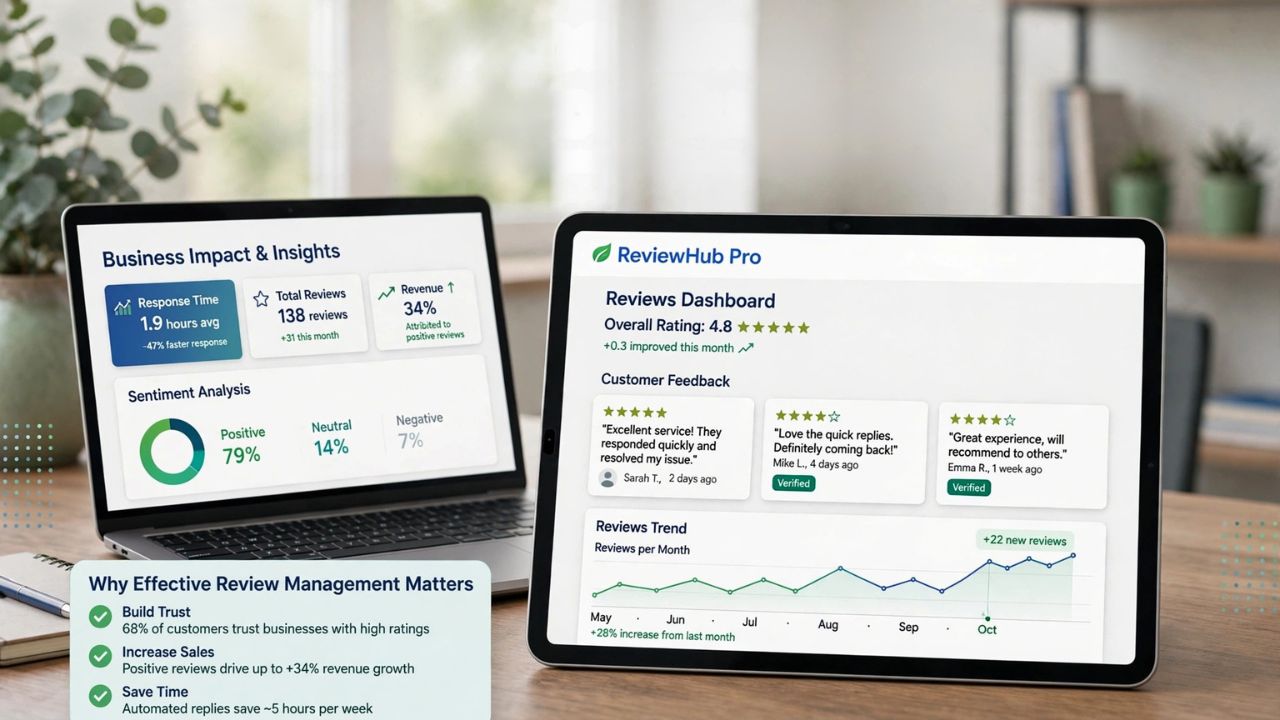
- BI dashboards with Splunk and machine learning probe real-time user behavior, flag rogue IoT sensors, chart video and gaming lag, and forecast next-month demand to guide service upgrades.
AI-Powered Network Optimization Tools

AI runs on edge routers and software-defined networks to cut lag, so your video never stalls. A smart load balancer, powered by live machine learning, steers traffic like a seasoned conductor, and keeps your stream humming.
Tools for real-time traffic management and load balancing
ISPs run AI-powered routers with BlackDice software on Mercku hardware. These smart boxes monitor traffic nonstop. Real-time analytics send alerts on spikes or slowdowns. They use software-defined networking and network function virtualization to split and shift loads.
That setup cuts wait times and boosts both speed and network security.
Comprehensive visibility tools feed data to machine learning models. Those models predict congestion before it forms. They trigger dynamic load balancing across cloud servers and edge computing nodes.
The system weeds out false alarms so techs fix real issues. Routers scale up when demand spikes without new hardware. These data-driven insights guide resource allocation and keep service smooth.
AI-Driven Threat Detection Systems
AI threat scanners tap deep neural networks, pattern spotting, and real-time alarms to block hacking attempts at endpoints—read on.
Solutions for identifying and mitigating cybersecurity threats
Security teams run intrusion detection systems with deep neural networks powered by artificial intelligence engines. They spot odd packets fast, then feed data into security information and event management consoles.
A University of Illinois study found large language models exploit 87 percent of critical vulnerabilities listed in advisories. Real time alerts shove risks into ticket queues. Teams tweak anomaly detection modules to block human-like bots that dodge simple rules.
Hackers buy hacking kits for as little as fifteen dollars on the dark web, so these defenses must stay sharp.
ISPs automate patch workflows to slash cybersecurity risks and dodge huge fines. TracFone paid sixteen million dollars after an API breach exposed customer data. Networks that delay patching widen the door for breaches, and each incident under one thousand records now costs almost five million dollars.
Teams use endpoint detection and response tools to isolate infected hosts. They run incident response drills, update playbooks, and flag insider threats. Machine learning agents block account takeovers and data theft, cutting downtime and boosting network security.
Predictive Maintenance Tools
Smart sensors talk to edge servers, spotting worn parts early so tech teams move in before a crash. See how AI models and fiber nodes team up, cutting unscheduled downtime.
Systems for detecting and resolving network issues before they occur
Real-time monitoring and AI analytics spot network anomalies fast. The system raises instant alerts for traffic spikes or link failures. Automated incident logs document each issue, speeding up repairs.
Edge computing sensors and AI algorithms feed data to analytics engines. Device use rates drive forecasts for when switches need a check. Teams avoid surprise outages, thanks to predictive maintenance solutions that boost network security.
Data analysis insights guide ISPs to send crews where they matter most. AI-driven updates slash false alarms, so techs fix real faults. Integration with existing network infrastructure consoles happens in minutes, not days.
The network keeps humming, uptime climbs, and users get solid service. Occasional hiccups feel like old news, with anomaly detection tools on guard for cyber security threats.
AI-Enhanced Customer Support Platforms
Digital agents on cloud platforms sift through user logs, spot issues, and push digital transformation. A generative AI model greets customers, cuts wait time, and boosts operational efficiency.
Chatbots and virtual assistants for faster issue resolution
AI chatbots handle many customer questions at once, cutting wait times. They run 24 hours a day for nonstop support. ChatGPT agents use pattern recognition to solve billing queries and router glitches.
These bots link to CRM systems to personalize each subscriber reply.
Automated triage sends tough cases to human agents fast. Live analysis of chat logs spots emerging support trends early. Trend reports from predictive analytics guide service upgrades.
Virtual helpers walk subscribers through simple troubleshooting steps, cutting technician visits.
Intelligent Data Analytics Tools

Our BI dashboard uses machine learning and pattern spotting to find network hiccups, smooth traffic jams, and keep your fiber broadband purring—read on to see more!
Platforms for analyzing user behavior to improve service delivery
AI analytics platforms track and analyze real-time user behavior to optimize service delivery. Teams feed data streams into Splunk and machine learning models. An outage at one hub gave the system a workout when anomaly detection and pattern recognition flagged a rogue IoT sensor.
These insights drive personalized service offerings and harden network security at the same time.
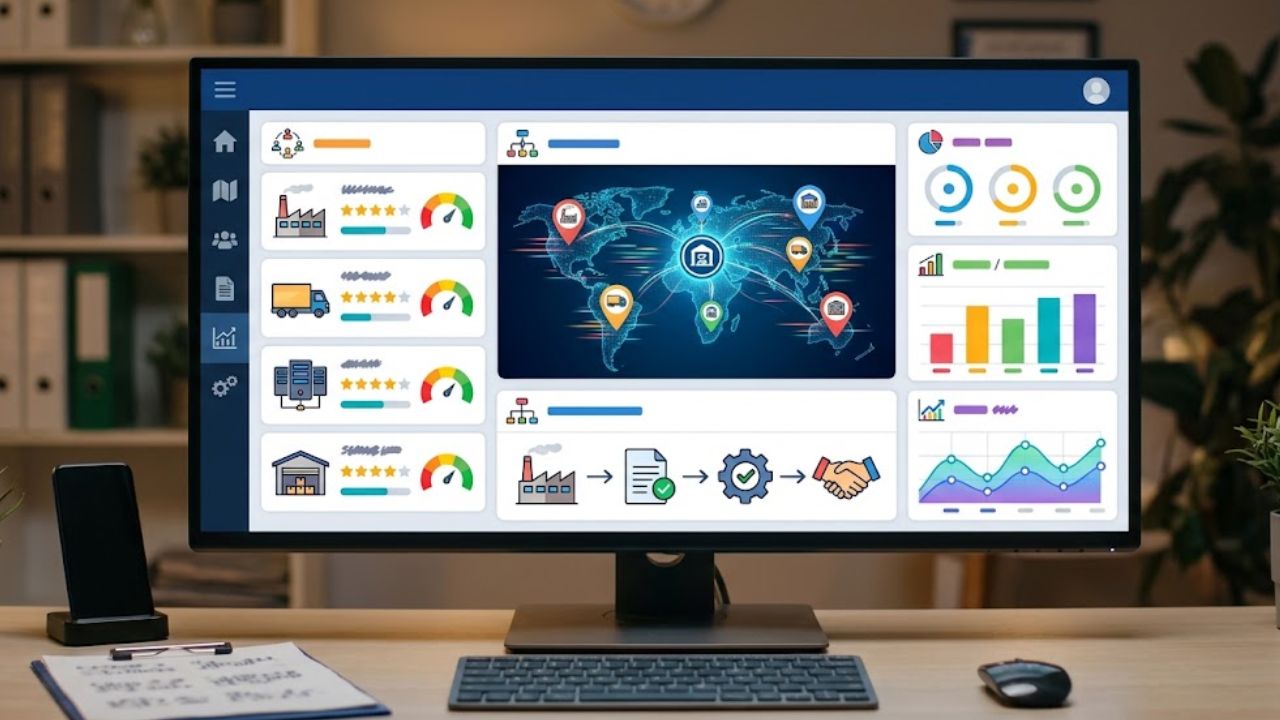
Smart dashboards chart quality of experience metrics on video calls, gaming lag, and web page loads. Network managers tweak routing and load balancing on the fly with real-time alerts from cloud infrastructure.
They feed user behavior data into predictive models that forecast service demands for the next month. Integration with support platforms and ticketing systems links analysis to incident response, speeding up fixes.
Takeaways
Modern ISPs juggle data like expert chefs stirring pots. Flow regulators keep traffic smooth during peak hours. Intrusion detectors use machine learning and anomaly detection to sniff out odd packets fast.
Failure predictors spot weak hardware before it goes dark. Chat agents cut wait times to zero, making help feel personal. Usage analyzers mine habits, then shape plans you actually need.
That toolkit offers a triple win, speed, shield, and support for every user.
FAQs on Top AI-Powered Tools ISPs Are Using To Boost Speed
1. What AI technology do ISPs use to speed up internet service?
They use software-defined networking, network function virtualization, edge computing, and data analysis. Machine learning spots traffic jams in the network and fixes them fast. This boosts quality of service on the internet.
2. How does AI guard the network against cyber threats?
ISPs deploy deep learning and artificial neural networks to run anomaly detection, threat detection, and real-time alerts. These systems sniff out security breaches and insider threats before they spread.
3. What role do IoT devices play in ISP security?
ISPs hook up smart gadgets like cameras, motion detectors, and infrared sensors. They watch for unauthorized access with video monitoring and automated license plate recognition (alpr). This cuts down risk and boosts worker safety.
4. How do AI tools help with port security and traffic flow?
They track trucks with automated license plate recognition (alpr), use aerial surveillance, and run pattern recognition. This builds situational awareness at docks and speeds up cargo checks. Traffic flow gets smooth and port security tightens.
5. How do ISPs use AI for maintenance?
They run predictive maintenance with data analysis and machine learning. They spot weak spots and fix gear before it breaks, like a guard dog that never sleeps. This saves downtime and cuts energy.
6. What is the future of AI in ISP services?
It will blend superintelligence, blockchain technology, and explainable AI to tame adversarial AI and aid incident response. This future helps global supply chains and raises quality of service.