

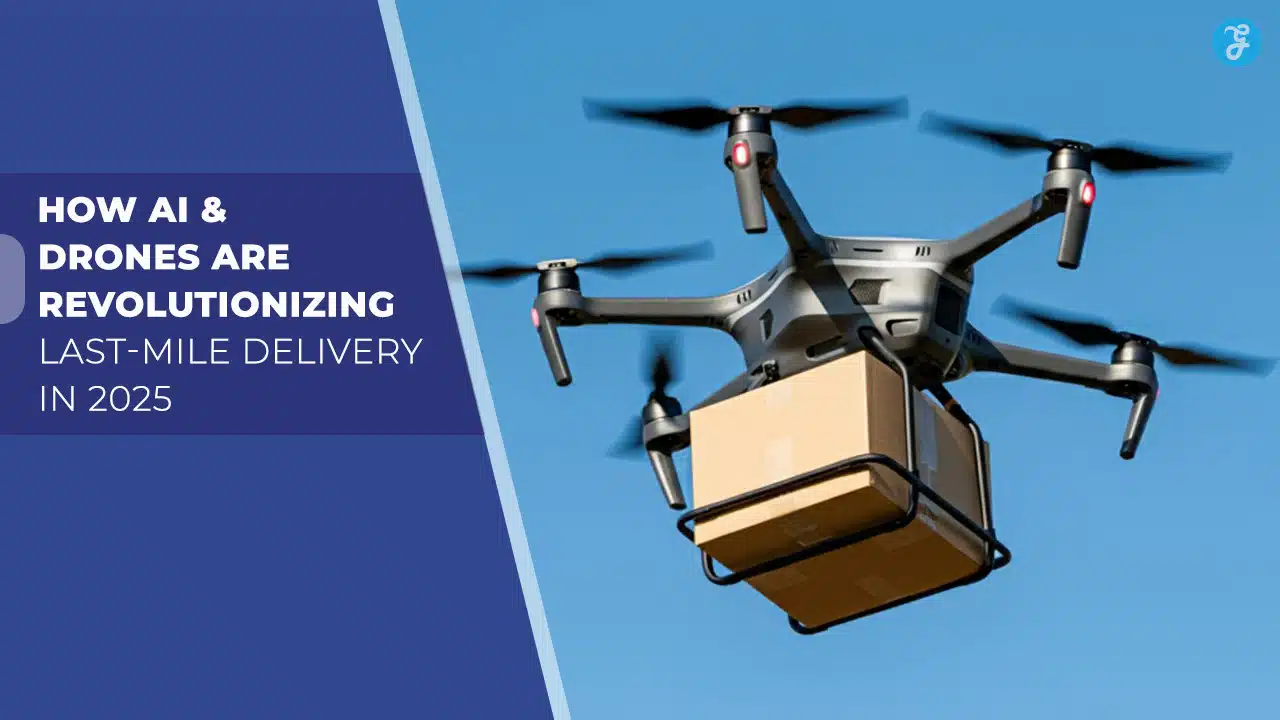
Have you waited all day for a package only to find it’s delayed again? The last stretch of delivery often causes the most headaches. Late packages, missed deliveries, and tracking that doesn’t update make online shopping less fun.
But in 2025, getting your stuff is about to get much better thanks to smart computers and flying helpers.
The market for last-mile delivery will grow to over $300 billion by 2031. This huge jump comes from more people shopping online and wanting their items faster. New tech is fixing old problems fast.
AI maps better routes while drones zip over traffic jams. Self-driving cars and robots now handle routine drops so human drivers can focus on tricky deliveries. These changes mean your packages arrive on time with less harm to our planet.
The future of delivery is here.
Key Takeaways
- AI maps smarter routes for delivery trucks in real-time, cutting hours off daily routes and helping packages arrive faster.
- The last-mile delivery market will grow to over $300 billion by 2031, driven by more online shopping and demand for faster deliveries.
- Drones can fly at speeds up to 60 mph and deliver packages in just 30 minutes, reaching remote areas that trucks can’t access.
- Electric drones and AI-optimized routes can reduce carbon emissions by up to 40%, making last-mile delivery more eco-friendly.
- Self-driving cars, robots, and drones now work together in delivery networks that run 24/7, allowing human drivers to focus on complex deliveries.
AI in Last-Mile Delivery
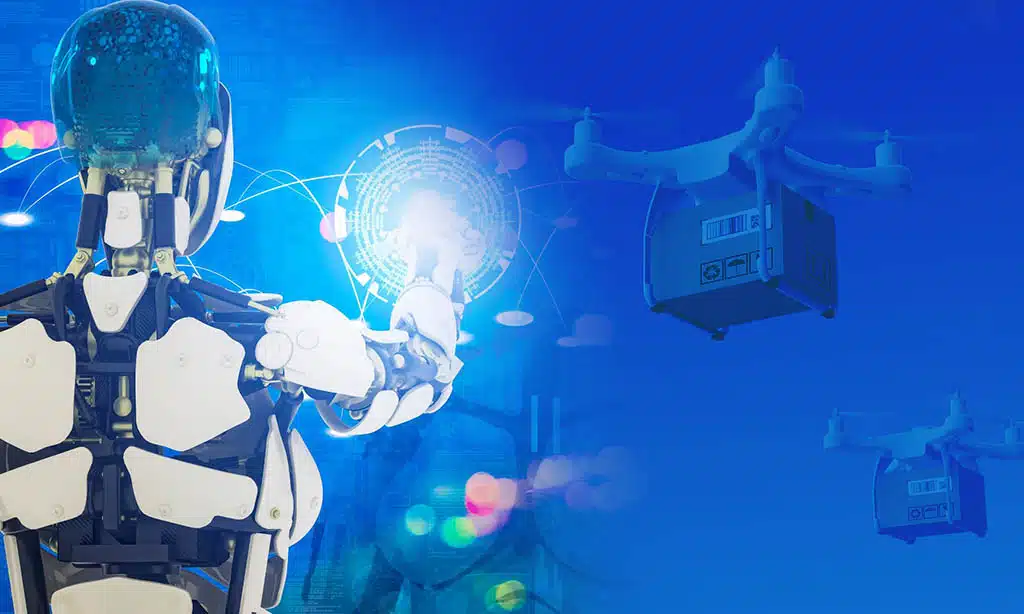
AI systems now map the smartest paths for delivery trucks in real-time, cutting hours off daily routes. These smart programs also handle returns more smoothly, tracking which items come back and why to fix future shipping problems.
Dynamic route optimization
AI now makes delivery routes smarter than ever before. Delivery trucks no longer follow the same paths day after day. Instead, smart systems look at traffic, weather, and past delivery data to find the best way to go.
UPS has cut down their driving miles with these smart tools. This means trucks spend less time on the road and packages arrive faster. The tech works in real time, so if a road gets blocked, the route changes right away.
Drivers get turn-by-turn tips on their phones or tablets as they drive.
These smart routes save money and time for companies and customers. When a truck uses less gas, it costs less to run. Packages also get to homes faster, which makes people happy. The best part is how the system keeps learning.
Each day, it gets better at guessing what roads will be busy and when. It can even plan for things like school zones at pickup times or lunch rush at food spots. For big cities with lots of traffic, this tech has been a game changer for last-mile delivery teams.
AI-powered reverse logistics
AI systems now handle returns better than ever before. Smart programs track items coming back to warehouses and decide the best next steps. They can tell if a product should be fixed, sold again, or thrown away.
This cuts costs for stores and helps the planet too. The growth of the Last Mile Delivery Market to $303.59 billion by 2031 shows how big this field is getting. Companies use machine learning to spot patterns in returns, which helps them fix problems before they happen.
These smart systems also make returns easier for shoppers. You can snap a photo of your item, and AI will tell you if it can be returned. No more long waits or confusing rules! The computer checks if the item matches what you bought and gives quick answers.
This makes customers happy and saves time for workers. With real-time data, trucks can even pick up returns while making new drops. This smart planning cuts down on trips and helps lower carbon footprints in the supply chain.
The Role of Drones in Urban Deliveries
Drones zip through city skies, cutting delivery times from hours to minutes for urgent packages. They reach spots that trucks can’t access, like crowded downtown areas or remote homes with bad roads.
Faster delivery times
Drones zip through the sky at speeds up to 60 mph, cutting delivery times from hours to minutes. This speed boost means your packages arrive while they’re still hot or cold. Amazon Prime Air tests show that items can reach customers in just 30 minutes after clicking “buy.” No more waiting all day for your package to show up! The best part? These flying helpers don’t get stuck in traffic jams that slow down trucks and vans.
Sky routes are clear paths without red lights, road work, or rush hour backups. A drone can fly straight to your home in a direct line rather than following winding streets. This makes a big difference in cities where ground traffic crawls along.
For time-critical items like medicine or fresh food, this speed can truly matter. Drone systems also work around the clock without breaks, so your midnight ice cream craving or early morning coffee restock can happen almost right away.
Access to remote or hard-to-reach areas
Drones break barriers that trucks and vans can’t cross. They fly over water, mountains, and rough roads to bring packages to far-off spots. In rural towns where mail takes days, a drone can drop off medicine in minutes.
This game-changing tech helps people in disaster zones too. After storms knock out roads, flying robots can carry food and supplies to those cut off from help.
These sky-bound helpers solve big problems for folks in isolated places. Amazon Prime Air and other drone services now reach homes on islands and in deep forests. They cut wait times from days to hours in many cases.
The best part? These systems work with AI to find the fastest paths through the air. Electric-powered drones also leave a smaller carbon footprint than gas trucks making the same trips.
This mix of speed and green power makes drones perfect for serving people in spots that were once too hard to reach.
Sustainability and Environmental Impact
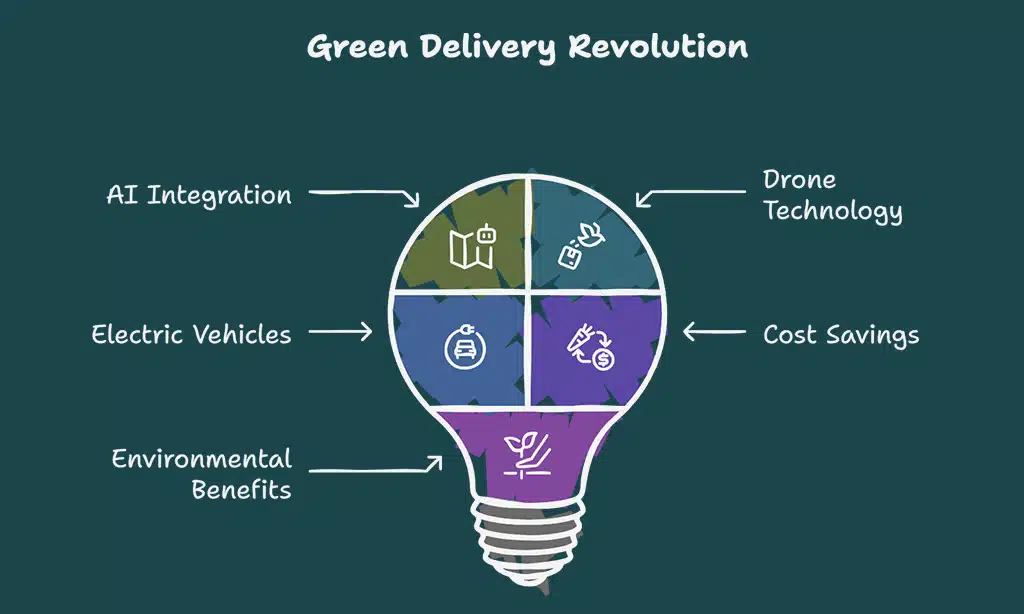
Last-mile delivery is going green with AI and drones. These new systems cut down on gas use and help our planet breathe easier.
Reduced carbon emissions
Drones and AI systems cut carbon in big ways for last-mile delivery. These smart tools slash the 30% of supply chain gases that come from final drop-offs. Small drones need less power than trucks to move packages.
They zip through the air on direct paths while vans sit in traffic burning fuel. AI helps too by finding the shortest routes and packing more items in each trip.
Green delivery choices make a real impact on our planet. Companies that switch to eco-friendly options can drop their carbon footprint by up to 40%. This helps firms save money on fuel and win loyal fans who care about Earth.
Electric drones paired with solar charging stations create a zero-emission system. The best part? These clean methods cost less over time than old gas-guzzling vans.
Integration with electric delivery systems
Electric vehicles now form the backbone of modern delivery systems. FedEx has added 13 Tata Ace EVs to their Mumbai fleet, bringing their total to 59 electric vehicles in India. These green machines work with drones to create a clean delivery network.
The trucks handle main routes while drones zip off to make final drops. This team-up cuts down on gas use and helps our planet.
Smart tech connects these systems to work as one unit. AI plans the best paths for both EVs and drones based on traffic, weather, and battery life. Delivery companies save money on fuel while also cutting carbon output.
The mix of ground and air options means packages arrive faster than ever before. This green approach meets the growing demand for quick service without hurting our world.
Future Trends and Innovations
The next five years will bring a web of self-driving cars, drones, and robots working together to drop off packages. Smart cities will use AI to guide these machines through streets and skies, making delivery as easy as pushing a button.
Autonomous delivery networks
Delivery networks without human drivers are growing fast across America. Companies like Waymo have shown how robot vehicles can handle regular package drops while people take care of the tricky routes.
These smart systems use AI to plan the best paths and avoid traffic jams. They talk to each other too, so one drone knows what another is doing. This cuts down on wasted trips and makes sure packages arrive faster.
The best part? These networks run day and night without getting tired. Robots from Starship Technologies now roll down sidewalks in many cities bringing food and small items right to your door.
Amazon Scout does the same thing. Self-driving vans carry bigger loads between hubs where drones pick up for the final stretch. This team of machines works together like a well-oiled machine, cutting costs and making delivery times shorter than ever before.
Enhanced consumer experience through technology
Tech is making package delivery more fun and easy for shoppers. Mobile apps now let you watch your order move from the store to your door in real time. You can see exactly where your items are with better GPS tracking.
No more waiting at home all day for a package! Apps send alerts when your delivery is close, so you can plan your day better. Some smart systems even let you pick exact drop-off spots at your home.
The days of missed deliveries and stolen packages are fading fast. These tools make online shopping less stressful and more clear for everyone.
Many delivery companies now use AI to learn what you like. The tech tracks when you’re home and how you want your items left. This makes each drop-off fit your life better. Real-time tracking has become what shoppers expect, not just a nice extra.
The best part? These systems work with both drones and human drivers. They create a smooth path from click to doorstep that feels almost magic to the customer.
Takeaways
AI and drones are changing how we get packages in 2025. Smart robots zip through city streets while flying helpers drop boxes right at your door. These new tools cut down on gas use and help our planet stay clean.
Big companies and small shops alike now reach more people faster than ever before. The future of delivery is here, mixing smart tech with green choices to make shopping better for all of us.
FAQs
1. How are drones changing last-mile delivery in 2025?
Drones are now flying packages straight to homes, cutting delivery times in half. Companies like Amazon Prime Air use these flying helpers to skip traffic congestion completely. This tech works best in spread-out areas where trucks waste too much fuel.
2. What role does artificial intelligence play in modern delivery systems?
AI helps delivery robots and self-driving vans find the best routes. It looks at traffic patterns and customer behavior to make smart choices. Machine learning algorithms also help with inventory management, making sure the right items are ready to go.
3. Are delivery robots really working in cities?
Yes! Small wheeled robots from Starship Technologies now roll down sidewalks carrying food and small packages. They use autonomous navigation to avoid people and find addresses. These little helpers are perfect for dense urban environments where drones can’t easily land.
4. How are last-mile deliveries becoming more green?
Delivery companies now use electric vehicles and zero-emission vehicles for most city routes. Many distribution centers run on renewable energy too. Reusable packaging has cut waste by 40%, making the whole supply chain more earth-friendly.
5. Can AI fix the labor shortage problem in delivery?
AI is helping tackle labor shortages by making each driver more productive. Self-driving vehicles handle simple routes while human drivers focus on complex deliveries. Data analytics tools also help match worker skills to the right jobs.
6. What are the biggest challenges for drone delivery beyond 2025?
Flying beyond visual line of sight remains tough for delivery drones in crowded areas. Urban infrastructure wasn’t built for landing zones on every block. Weather still grounds many flights, and battery life limits how far drones can travel.
























