


America has long been known as a land of innovation. Throughout its history, many groundbreaking inventions have emerged from the United States.
However, not all of these inventions were welcomed with open arms. Many sparked heated debates, ethical concerns, and even public outrage.
In this article, we’ll explore 20 American inventions that caused significant controversy when they were introduced.
These inventions range from technological marvels to medical breakthroughs, and each has left a lasting impact on society.
By examining these controversial inventions, we can gain insight into how innovation often challenges existing norms and values.
1. The Cotton Gin (1793)
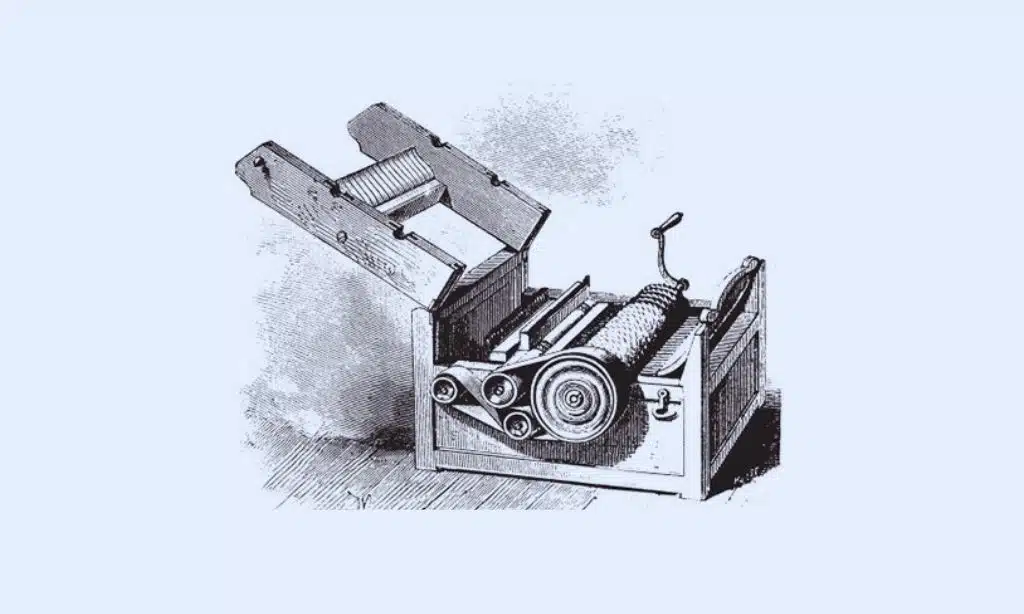
Inventor: Eli Whitney
The cotton gin revolutionized the cotton industry but had unintended consequences.
Controversy:
- Increased demand for slave labor in the South
- Contributed to the expansion of slavery
- Indirectly led to tensions that sparked the Civil War
Impact:
The cotton gin made cotton production much more efficient, but it also entrenched slavery more deeply in the American South. This invention shows how technological progress can sometimes have unforeseen and problematic social consequences.
2. The Atomic Bomb (1945)
Inventors: Manhattan Project scientists led by J. Robert Oppenheimer
The development of nuclear weapons changed warfare and international relations forever.
Controversy:
- Ethical concerns about mass civilian casualties
- Fear of global nuclear war
- Ongoing debates about nuclear proliferation
Impact:
The atomic bomb ended World War II but ushered in the Cold War and the constant threat of nuclear annihilation. It remains one of the most controversial inventions in history due to its immense destructive power.
3. The Birth Control Pill (1960)
Inventors: Gregory Pincus, John Rock, and Min Chueh Chang
The pill revolutionized women’s reproductive health and sparked social change.
Controversy:
- Religious opposition to contraception
- Concerns about promiscuity and changing sexual norms
- Debates about women’s roles in society
Impact:
The birth control pill gave women unprecedented control over their reproductive choices. It led to significant social changes but also faced strong opposition from religious groups and conservatives.
4. Television (1920s)
Inventors: Multiple inventors, including Philo Farnsworth and Vladimir Zworykin
Television transformed entertainment and information dissemination.
Controversy:
- Concerns about its impact on family life and social interaction
- Debates about content regulation and censorship
- Worries about its influence on children
Impact:
While television became a central part of American life, it has been criticized for promoting passive entertainment and potentially reducing social interaction. Debates about its content and influence continue to this day.
5. Genetically Modified Organisms (GMOs) (1980s)
Inventors: Various scientists and companies
GMOs have revolutionized agriculture but sparked intense debates.
Controversy:
- Concerns about long-term health effects
- Environmental impact worries
- Ethical debates about modifying nature
Impact:
GMOs have increased crop yields and resistance to pests, but they remain controversial due to concerns about their safety and environmental impact. The debate over GMOs highlights the tension between technological progress and environmental and health concerns.
6. Social Media Platforms (2000s)

Inventors: Various companies, including Facebook (Meta), Twitter, and Instagram
Social media has transformed communication and information sharing.
Controversy:
- Privacy concerns and data collection issues
- Impact on mental health, especially for young people
- Spread of misinformation and its effect on democracy
Impact:
While social media has connected people globally, it has also raised serious concerns about privacy, mental health, and the spread of misinformation. The controversy surrounding social media reflects broader debates about technology’s role in society.
7. Artificial Intelligence (AI) (1950s onward)
Inventors: Various scientists and companies
AI has the potential to revolutionize many fields but raises ethical questions.
Controversy:
- Fears about job displacement
- Concerns about AI decision-making in sensitive areas
- Worries about loss of human control
Impact:
As AI becomes more advanced, debates continue about its potential benefits and risks. The controversy surrounding AI reflects deeper anxieties about technology’s growing role in our lives.
8. The Electric Chair (1890)
Inventor: Harold P. Brown
The electric chair was introduced as a “humane” method of execution.
Controversy:
- Debates about the humaneness of electrocution
- Broader discussions about capital punishment
- Concerns about botched executions
Impact:
The electric chair sparked debates about capital punishment and what constitutes “cruel and unusual punishment.” Its use has declined, but the controversies it raised continue in discussions about the death penalty.
9. DDT (Dichlorodiphenyltrichloroethane) (1940s)
Inventor: Paul Hermann Müller
DDT was initially hailed as a miracle pesticide but later banned due to environmental concerns.
Controversy:
- Environmental impact, especially on birds
- Potential health risks to humans
- Debates about its use in malaria control
Impact:
The DDT controversy highlighted the potential unintended consequences of chemical use and helped spark the modern environmental movement. It remains a case study in the balance between technological solutions and environmental protection.
10. The Automobile (Late 19th century)
Inventors: Various inventors, including Karl Benz and Henry Ford
The car revolutionized transportation but also brought new problems.
Controversy:
- Safety concerns in early years
- Environmental impact and air pollution
- Urban planning issues and dependence on fossil fuels
Impact:
While the automobile transformed society, it has also been criticized for its environmental impact and role in shaping car-dependent cities. The ongoing shift to electric vehicles reflects attempts to address some of these long-standing concerns.
11. The Internet (1960s-1990s)
Inventors: Various scientists and organizations, including ARPANET and Tim Berners-Lee
The internet has revolutionized communication and information access.
Controversy:
- Privacy and security concerns
- Impact on traditional industries and job markets
- Debates about internet regulation and net neutrality
Impact:
While the internet has become integral to modern life, it continues to spark debates about privacy, security, and its impact on society. The controversy surrounding the internet reflects broader questions about technology’s role in our lives.
12. Facial Recognition Technology (1960s onward)
Inventors: Various scientists and companies
Facial recognition has numerous applications but raises privacy concerns.
Controversy:
- Privacy and surveillance worries
- Potential for misuse by governments or corporations
- Concerns about accuracy and bias
Impact:
Facial recognition technology has sparked intense debates about privacy and surveillance in the digital age. Its use continues to be controversial, especially in law enforcement and public spaces.
13. Fracking (Hydraulic Fracturing) (1940s)
Inventors: Various oil and gas companies
Fracking has increased oil and gas production but raised environmental concerns.
Controversy:
- Environmental impact, especially on water sources
- Potential link to earthquakes
- Debates about energy policy and climate change
Impact:
While fracking has boosted domestic energy production, it remains highly controversial due to environmental concerns. The fracking debate reflects broader tensions between energy needs and environmental protection.
14. Drones (Unmanned Aerial Vehicles) (1960s onward)

Inventors: Various military and civilian developers
Drones have multiple uses, from military operations to package delivery.
Controversy:
- Privacy concerns for civilian use
- Ethical issues in military applications
- Safety worries in urban areas
Impact:
Drones have sparked debates about privacy, military ethics, and the integration of new technologies into everyday life. The controversy surrounding drones highlights the complex issues that arise as technology advances.
15. Plastic (Early 20th century)
Inventors: Various inventors, including Leo Baekeland
Plastic revolutionized manufacturing but has caused significant environmental problems.
Controversy:
- Environmental impact, especially in oceans
- Health concerns about chemicals in plastics
- Debates about recycling and waste management
Impact:
While plastic has countless useful applications, its environmental impact has become a major global concern. The plastic controversy highlights the long-term consequences of widely adopted technologies.
16. Cloning (1996)
Inventors: Various scientists, including those who cloned Dolly the sheep
Cloning technology raised profound ethical questions.
Controversy:
- Ethical concerns about human cloning
- Debates about playing “God” or interfering with nature
- Worries about misuse of the technology
Impact:
While animal cloning has become more common, the prospect of human cloning continues to spark intense ethical debates. The cloning controversy reflects broader concerns about the limits of biotechnology.
17. E-cigarettes (2000s)
Inventors: Various inventors and companies
E-cigarettes were introduced as a safer alternative to smoking but sparked new concerns.
Controversy:
- Debates about their safety compared to traditional cigarettes
- Worries about youth vaping
- Regulatory challenges
Impact:
While e-cigarettes may help some people quit smoking, concerns about their long-term health effects and appeal to young people have made them highly controversial. The e-cigarette debate reflects the challenges of regulating new technologies.
18. Self-Driving Cars (2000s onward)
Inventors: Various companies, including Tesla and Google
Self-driving cars promise to revolutionize transportation but raise new concerns.
Controversy:
- Safety concerns and liability issues
- Potential job losses for drivers
- Ethical questions about AI decision-making
Impact:
As self-driving technology advances, debates continue about its safety, impact on employment, and the ethics of AI-driven vehicles. The controversy surrounding self-driving cars highlights the complex issues that arise with transformative technologies.
19. Virtual Reality (VR) (1960s onward)
Inventors: Various inventors and companies
VR technology offers new ways to experience digital content but raises concerns.
Controversy:
- Worries about addiction and escapism
- Potential psychological effects
- Privacy concerns in VR environments
Impact:
While VR offers exciting possibilities in entertainment, education, and other fields, it has also sparked debates about its potential psychological impact and privacy implications. The VR controversy reflects broader concerns about our increasing engagement with digital worlds.
20. Gene Editing (CRISPR) (2012)
Inventors: Jennifer Doudna and Emmanuelle Charpentier
CRISPR gene editing technology offers unprecedented ability to modify DNA.
Controversy:
- Ethical concerns about “designer babies”
- Worries about unintended consequences of genetic modifications
- Debates about the limits of scientific intervention in nature
Impact:
While CRISPR has enormous potential in treating diseases, it has also sparked intense ethical debates, especially regarding its potential use in human embryos. The CRISPR controversy highlights the profound ethical questions raised by advances in biotechnology.
Takeaway
These 20 American inventions demonstrate how technological and scientific progress often comes with controversy.
From the cotton gin to CRISPR, each of these inventions has had profound impacts on society, sparking debates about ethics, safety, privacy, and the very nature of progress.
The controversies surrounding these inventions remind us that progress is rarely straightforward. They highlight the need for careful consideration of the ethical implications of new technologies, robust public debate, and thoughtful regulation.
As we look to the future, the lessons learned from these controversial inventions can guide us in navigating the complex relationship between technological advancement and societal values.
























