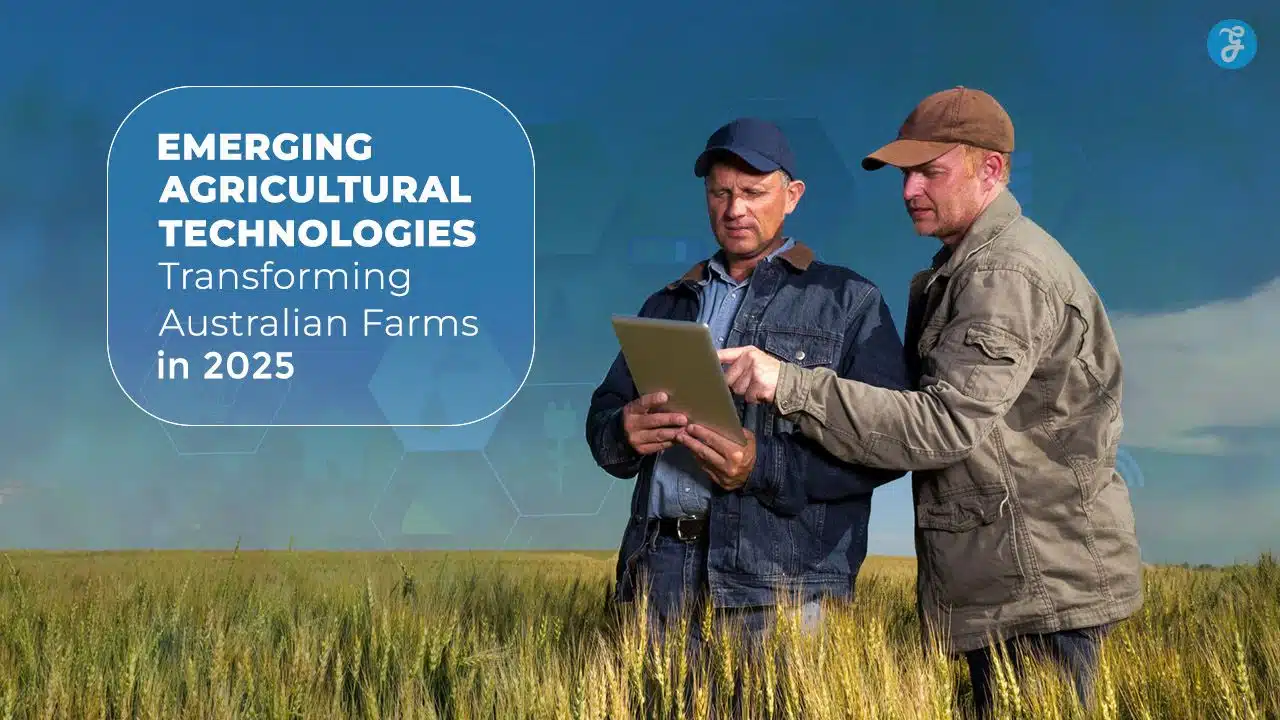
Agriculture is the backbone of Australia’s economy, and as the world embraces technology, so too does farming.
With the increasing challenges of climate change, water scarcity, and the need for sustainable practices, innovative technologies are transforming Australian farms. These advancements are making agriculture more efficient, eco-friendly, and profitable.
This article explores ten emerging agricultural technologies revolutionize farming in Australia in 2025.
Why Agricultural Technology Matters in 2025
Agriculture is no longer about simple tools and manual labor. The industry has evolved into a tech-driven powerhouse addressing global food demands and environmental concerns.
For Australia, these technologies meet specific challenges, such as adapting to extreme weather, managing water resources, and maintaining competitive exports.
Furthermore, integrating technology into farming ensures sustainable practices align with global climate goals.
| Aspect | Details |
| Climate adaptation | Helps farmers deal with extreme weather |
| Water management | Improves usage efficiency |
| Export competitiveness | Ensures high-quality produce for markets |
| Environmental goals | Supports sustainability and lower emissions |
1. Precision Agriculture Tools
Precision agriculture employs advanced tools like GPS-enabled tractors and variable rate technology to optimize farming inputs.
These tools enable farmers to plant, fertilize, and irrigate crops with pinpoint accuracy, reducing waste and increasing yields.
| Feature | Benefit |
| GPS-enabled equipment | Ensures precise planting and harvesting |
| Variable rate technology | Minimizes overuse of fertilizers and water |
| Data analytics integration | Improves decision-making based on real-time data |
Example: Farmers in the wheat belt regions of Western Australia have reported a 20% increase in crop yields after adopting precision agriculture tools.
2. Autonomous Machinery and Drones
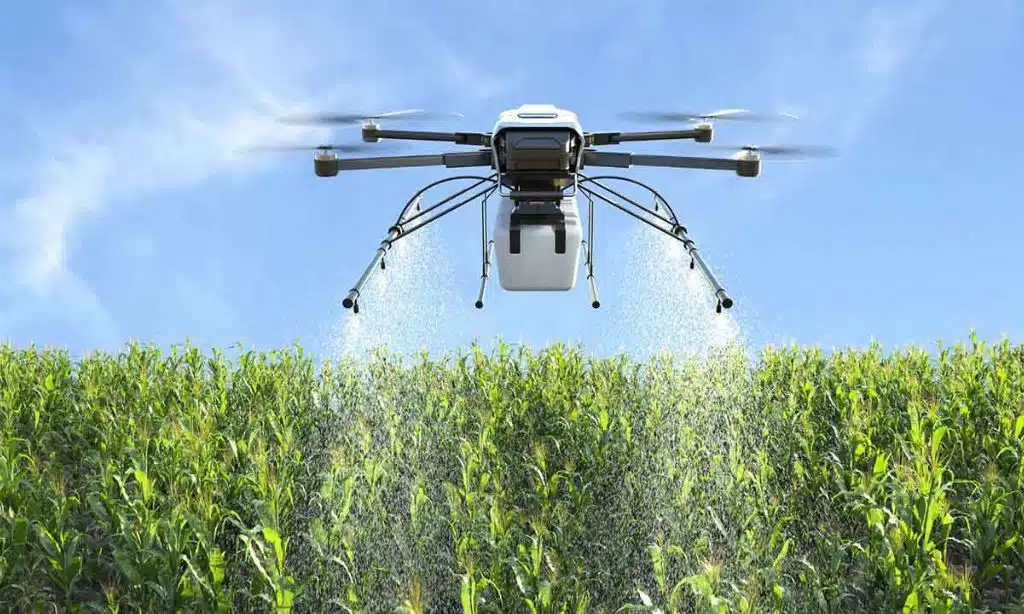
Autonomous tractors and drones are reshaping how Australian farmers manage their fields.
Driverless tractors reduce labor costs, while drones provide aerial views of crop health, irrigation issues, and pest infestations.
| Technology | Application |
| Driverless tractors | Automated plowing and planting |
| Drones | Monitoring crops and livestock |
Case Study: A Queensland farm uses drones to map irrigation patterns, saving thousands of liters of water annually.
| Drone Use Case | Result |
| Mapping irrigation | Water savings of 20% |
| Pest monitoring | Reduced pesticide use by 15% |
3. IoT Sensors for Smart Farming
The Internet of Things (IoT) is enhancing Australian farms with real-time data collection and smarter decision-making capabilities.
Sensors monitor soil moisture, weather, and livestock conditions, enabling farmers to optimize resources effectively.
For instance, automated alerts allow farmers to act quickly during critical weather changes or water shortages, improving overall productivity and sustainability.
| IoT Application | Benefit |
| Soil moisture sensors | Prevents overwatering and saves water |
| Weather monitoring systems | Improves crop planning |
| Livestock tracking devices | Ensures animal health and safety |
Insight: A study found that IoT-enabled farms in South Australia use 25% less water compared to traditional farms.
| IoT Feature | Efficiency Gained |
| Weather data tracking | Better crop yield forecasting |
| Soil sensors | Reduced water usage by up to 30% |
4. Artificial Intelligence in Crop Management
AI-driven software predicts crop yields, monitors soil health, and identifies disease outbreaks. These systems use machine learning to analyze vast datasets, ensuring timely interventions.
By leveraging predictive models, farmers can anticipate seasonal trends, prepare for potential challenges, and allocate resources more effectively.
This approach significantly reduces losses and boosts operational efficiency across Australian farms.
| AI Feature | Impact |
| Crop yield predictions | Helps plan market strategies |
| Disease detection | Reduces crop losses |
| Soil health monitoring | Improves fertilizer efficiency |
Real-World Application: An AI-based platform in Victoria detected early signs of rust disease, saving an entire season’s wheat crop.
| AI Application | Outcome |
| Disease outbreak alerts | Crop loss reduced by 20% |
| Yield optimization | Increased productivity by 15% |
5. Blockchain for Supply Chain Transparency
Blockchain technology ensures traceability in food production, from farm to table. It boosts consumer trust and enhances export potential by verifying product authenticity.
Farmers and exporters can use blockchain to provide transparent records of production practices, ensuring compliance with international standards.
This technology also helps prevent fraud in the supply chain, building greater confidence in Australian agricultural exports.
| Benefit | Example |
| Traceability | Tracks produce origin and journey |
| Consumer trust | Ensures organic certification is genuine |
| Export efficiency | Meets international food safety standards |
Fact: Australia’s beef exporters are leveraging blockchain to maintain their competitive edge in global markets.
| Blockchain Use | Impact |
| Food traceability | Faster resolution of contamination issues |
| Certification verification | Increased buyer confidence by 25% |
6. Vertical Farming and Hydroponics
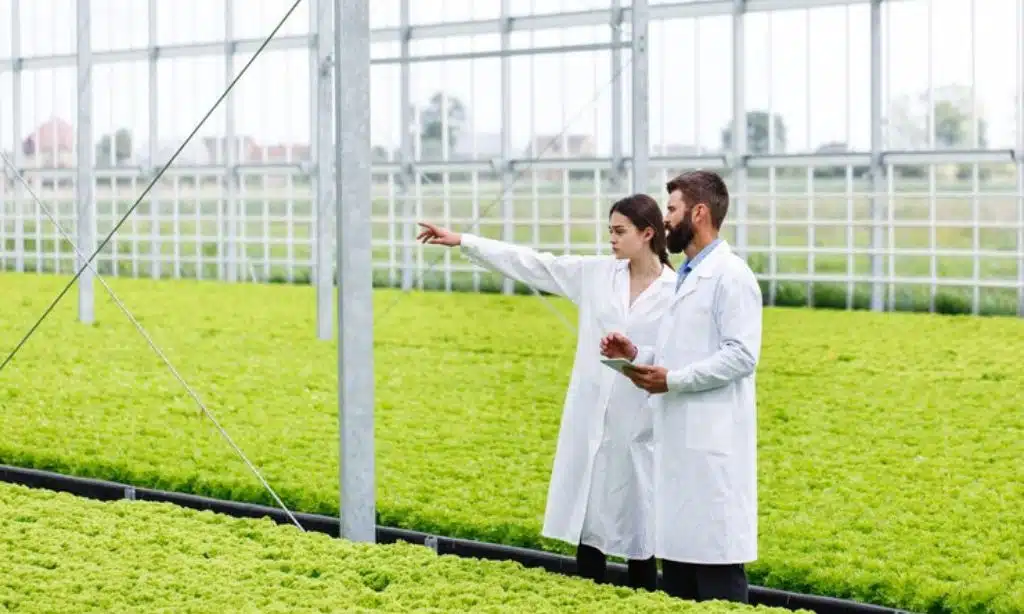
Controlled environment agriculture, such as vertical farming and hydroponics, addresses the challenges of limited arable land and drought.
These systems grow crops in stacked layers with nutrient-rich water solutions.
| Type | Advantages |
| Vertical farming | Saves space, ideal for urban farming |
| Hydroponics | Uses 90% less water than traditional farming |
Highlight: In Sydney, vertical farms supply fresh vegetables to local markets year-round.
| Method | Efficiency |
| Vertical farming | Produces 5x yield per square meter |
| Hydroponics | Water usage reduced by 90% |
7. Renewable Energy Integration
Farmers are embracing renewable energy sources like solar panels and wind turbines to power irrigation and processing systems.
These solutions reduce energy costs and carbon emissions.
| Energy Source | Usage |
| Solar panels | Powers irrigation pumps |
| Wind turbines | Generates electricity for farm operations |
Note: Renewable energy systems have reduced energy expenses for some Australian farms by up to 40%.
| Energy Solution | Savings Achieved |
| Solar-powered irrigation | Reduced costs by 30% |
| Wind energy | Lowered carbon emissions by 25% |
8. Genetic Engineering and CRISPR
Genetic technologies, including CRISPR, enable the development of pest-resistant and drought-tolerant crops.
These advancements not only increase crop survival rates under harsh conditions but also reduce reliance on chemical pesticides and fertilizers.
By addressing key challenges like soil degradation and water scarcity, genetic engineering supports sustainable farming practices.
This innovation ensures resilience against climate challenges while contributing to long-term food security in Australia.
| Technology | Outcome |
| CRISPR | Creates crops adapted to harsh climates |
| GMO crops | Enhances food security |
Example: CSIRO’s genetically modified wheat has increased resistance to extreme heat.
| Genetic Tech | Advantage |
| Drought-tolerant wheat | Thrives in 40% less water |
| Pest-resistant crops | Reduced pesticide dependency by 35% |
9. Biodegradable and Eco-Friendly Materials
Innovations in eco-friendly materials, such as biodegradable packaging and farming inputs, are reducing agricultural waste and pollution.
These materials also promote sustainability by integrating into circular economy practices, ensuring minimal environmental footprint.
For example, compostable films break down naturally, enriching soil quality without leaving harmful residues.
Farmers adopting these innovations are also finding cost-effective solutions to address long-term environmental challenges.
| Innovation | Benefit |
| Biodegradable plastics | Reduces environmental impact |
| Organic fertilizers | Improves soil health |
Impact: Farms in Victoria adopting biodegradable packaging have significantly reduced their landfill contributions.
| Eco-Material | Usage Benefit |
| Compostable films | Lowered waste by 40% |
| Organic amendments | Improved crop yields by 15% |
10. Advanced Water Management Systems
Smart irrigation systems and desalination technologies are essential for water conservation in Australia.
These systems optimize water use, ensuring crops thrive even in drought conditions while significantly reducing operational costs.
Advanced irrigation solutions utilize weather data and soil sensors to deliver water precisely where and when needed, preventing wastage.
Similarly, desalination plants provide a reliable freshwater source for farms in arid regions, promoting sustainable agriculture.
| Technology | Benefit |
| Smart irrigation systems | Uses precise water amounts |
| Desalination plants | Provides sustainable freshwater sources |
Example: A Tasmanian vineyard saved 30% of its annual water usage using smart irrigation.
| Water Tech | Outcome |
| Precision irrigation | Reduced water wastage by 35% |
| Desalinated water use | Allowed farming in arid zones |
Benefits of Adopting Emerging Technologies
- Economic Benefits: Increased productivity and reduced operational costs.
- Environmental Impact: Supports sustainable farming by lowering resource consumption.
- Social Impact: Creates jobs in rural areas and improves community resilience.
| Benefit | Example |
| Economic growth | Farms adopting tech see 25% yield increases |
| Environmental health | Reduced carbon emissions by 20% |
Challenges in Implementing Agtech in Australia
- High Costs: Initial investments can be prohibitive for small farmers. While the cost of cutting-edge technology has decreased over the years, it remains a significant barrier for many family-owned and small-scale farms.
- Knowledge Gaps: Many farmers require training to adopt new tools effectively. Limited access to hands-on workshops or digital education tools can further hinder the adoption rate.
- Connectivity Issues: Limited internet access in remote areas hampers technology usage, with some rural regions still struggling to receive reliable coverage and broadband speeds necessary to operate IoT devices and digital platforms.
| Challenge | Solution |
| High costs | Government grants, subsidies, and low-interest loans |
| Lack of skills | Increased training, online courses, and education programs |
| Internet connectivity | Expansion of rural broadband infrastructure and satellite solutions |
Government and Private Sector Initiatives
The Australian government offers grants and subsidies to encourage agtech adoption. Private companies and startups also contribute by developing cost-effective solutions tailored to local needs.
| Initiative | Description |
| Government grants | Financial aid for adopting agtech |
| Private partnerships | Innovations tailored to Australian farms |
The Future of Agriculture in Australia
The next decade promises exciting advancements in Australian agriculture. Continued investment in research, technology, and farmer education will ensure the industry’s growth and sustainability.
| Future Trend | Expected Impact |
| AI and IoT expansion | Greater efficiency and real-time insights |
| Renewable tech growth | More energy independence |
Takeaways
Emerging agricultural technologies are transforming Australia’s farming landscape in unprecedented ways.
By adopting these innovations, farmers can overcome challenges, increase productivity, and ensure sustainable practices for future generations.
It’s time for stakeholders to embrace this transformation and contribute to a thriving agricultural sector.