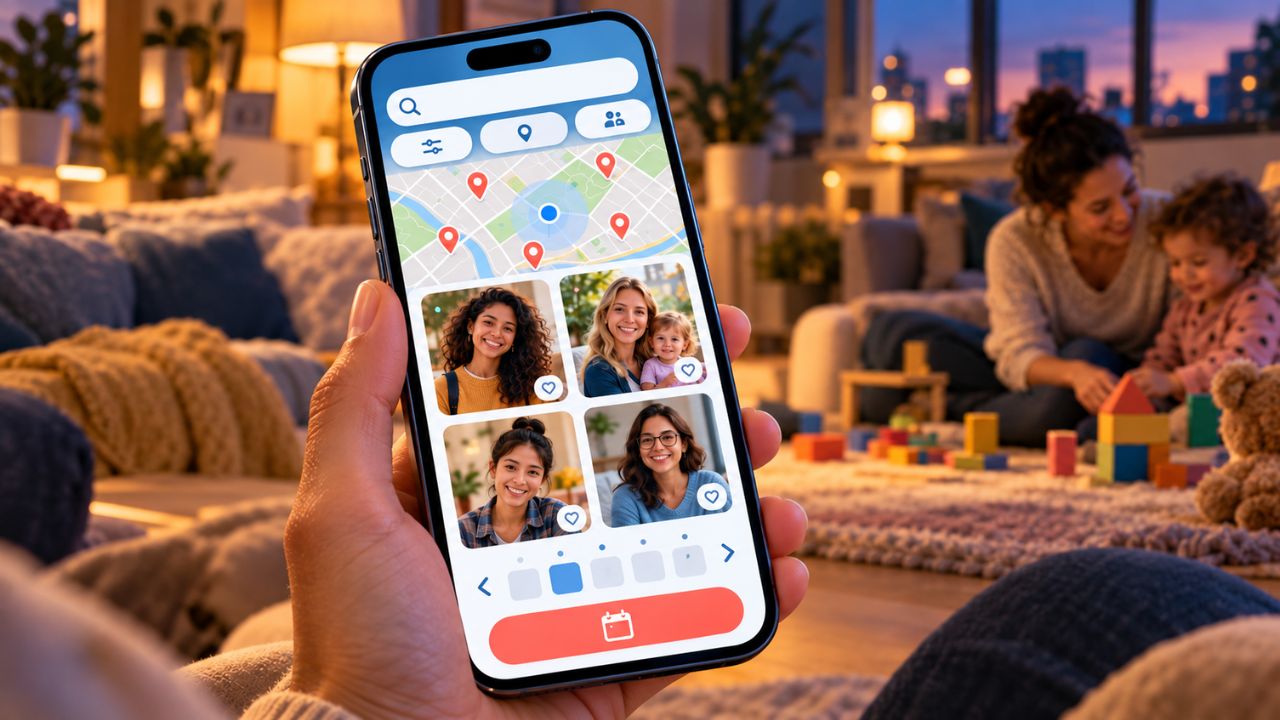
Getting good hair care used to mean either spending a lot or settling for generic solutions that didn’t really work. For most people dealing with hair loss or thinning, the cost of proper treatment — consultations, tests, personalized products — has always been a quiet barrier. That’s slowly changing, and one of the more practical reasons is how referral programs are reshaping the way people access and afford health-focused hair care.
Why Cost Has Always Been a Barrier in Hair Care
Hair loss is not a cosmetic problem for most people. It’s tied to nutrition, hormones, stress, scalp health, and sometimes underlying conditions that have been building quietly for years. Treating it properly requires more than a shampoo. It often involves a real diagnosis, bloodwork, and a plan that addresses what’s actually happening inside the body.
That kind of comprehensive care isn’t cheap. And because hair loss tends to build gradually, many people delay doing something about it until it feels urgent. By then, they’ve often already spent money on products that didn’t help — which makes them more hesitant to invest in something new, even if it’s genuinely different.
Referral programs don’t solve the root cause of hair loss. But they do reduce one of the most common reasons people don’t start treatment at all: the upfront cost.
How Referral Programs Actually Work
At their core, referral programs are simple. An existing customer shares a link or code with someone they know. When that person signs up or makes a purchase, both parties get a benefit — usually a discount, credit, or reward.
What makes them effective in health and wellness specifically is the trust factor. People are far more likely to try a hair care or health solution when someone they know has already had a positive experience with it. A referral is not just a discount code. It’s a personal endorsement from someone with no financial incentive to mislead them.
This changes the dynamic completely. Instead of a brand trying to convince a stranger, it’s one person saying to another, “This worked for me, and you’ll pay less to try it.”
The Accessibility Angle That Gets Overlooked
There’s a quiet social aspect to referral programs that doesn’t get discussed enough. Not everyone has the same starting point when it comes to health spending. For someone managing a household budget carefully, even a few hundred rupees off a first purchase can be the difference between trying something and not trying it.
Referral programs, when done right, create a kind of community-powered affordability. The more people within a social circle who use a product and share it, the more accessible it becomes for the next person. This is especially meaningful for health products that require consistent, ongoing use — because the first step is always the hardest one.
Why It Works Better for Condition-Specific Hair Care
Generic hair products are easy to find anywhere. But condition-specific care — products or programs designed around a person’s actual deficiencies, scalp type, or hormonal profile — requires more trust before someone is willing to try it.
This is where referrals do something advertising cannot. A friend saying “I was losing hair because of iron deficiency and this actually helped me” carries more weight than any campaign. It gives the new user context, a realistic expectation, and a sense that the product is meant for people like them.
Some treatment approaches like Traya Referral are built around exactly this kind of community-led access — making it easier for people who’ve benefited from the program to bring others in at a lower cost, rather than keeping that knowledge to themselves.
What to Keep in Mind Before You Start
If you’re considering a hair care program — whether through a referral or on your own — a few things are worth thinking about:
- Hair loss has multiple causes, and a good program should try to identify yours specifically
- Results take time, usually several months, because hair growth cycles are slow
- Discounts are helpful, but consistency matters more than the initial cost
- A referral from someone with a similar hair loss pattern is more relevant than a general recommendation
Final Thoughts
Referral programs aren’t a revolution in health care. But they’re a practical bridge between people who need good care and the real cost of getting it. When they’re built around products that actually work — and when the referral comes from someone who genuinely benefited — they remove friction in a meaningful way. Hair loss is complicated enough on its own. The path to understanding and treating it shouldn’t have unnecessary obstacles in the way.