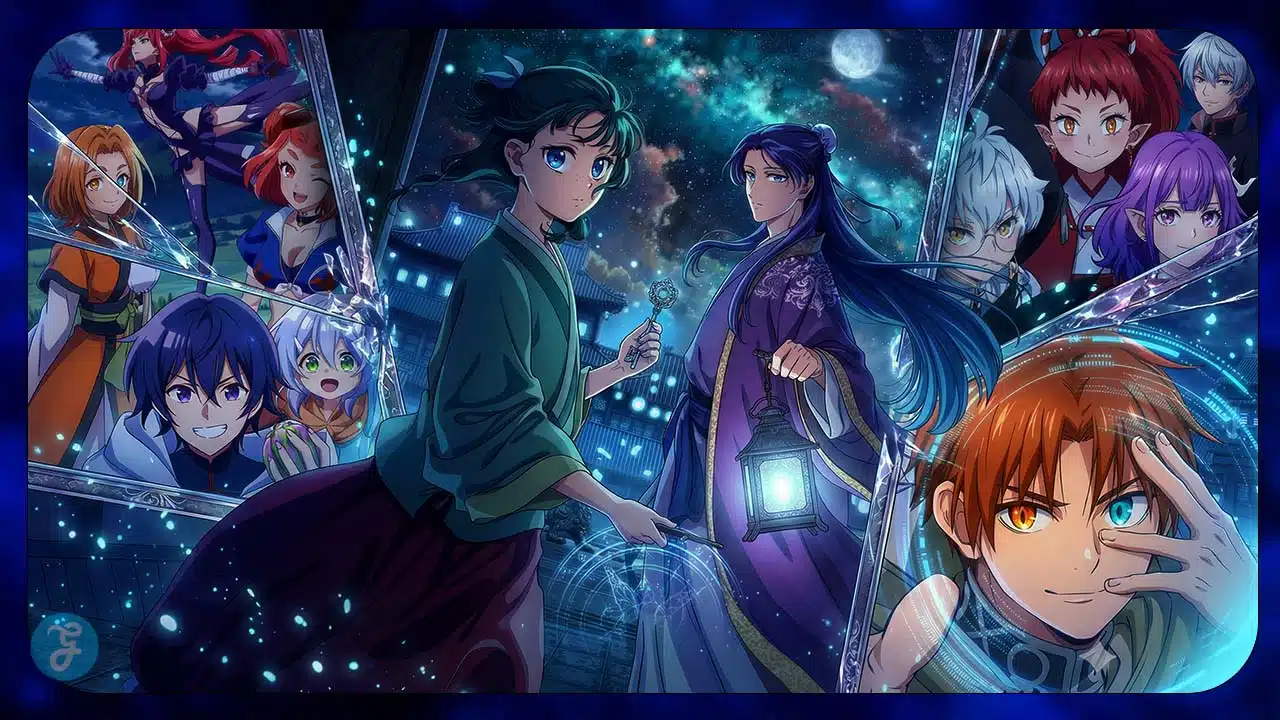
The global landscape of entertainment has been permanently altered by the creative output of a single island nation, transcending language barriers to become a shared cultural vocabulary. In 2026, as digital streaming reaches every corner of the globe, audiences are increasingly recognizing that the Best Anime Stories Come From Japan because they offer a unique blend of high-octane spectacle and profound emotional resonance.
From the playground-defining battles of shonen giants to the nuanced psychological thrillers that challenge our perception of morality, these narratives have built a multi-billion dollar industry on the foundation of pure, unfiltered imagination.
By ranking these titles through the lens of global popularity, we can trace the evolution of how Japanese storytelling conquered the world stage. To identify the heavyweights of the medium, we looked at historical sales data, cultural longevity, and international broadcast reach.
How We Selected Our 12 Most Popular Series Proving the Best Anime Stories Come From Japan
Our selection process for this updated list focused on the cultural “footprint” each series has left behind. We analyzed data across decades to ensure that the titles represented here aren’t just temporary trends, but foundational pillars of the medium.
-
Global franchise revenue and merchandise sales as of 2026.
-
Cross-generational appeal and consistent presence in pop culture discourse.
-
Longevity of the IP, including remakes, sequels, and cinematic expansions.
-
Total hours streamed and physical media sales in international markets.
Understanding these metrics allows us to appreciate how these specific stories managed to capture the collective consciousness of a global audience.
Whom This Popularity Guide Is For
This breakdown is for fans who want to understand the commercial and cultural giants of the industry, as well as newcomers looking for the definitive “entry points” into Japanese animation.
With the historical context established, let us dive into the legendary series that have come to define the genre for millions of people worldwide.
The Global Heavyweights: 12 Series That Prove Why the Best Anime Stories Come From Japan
The following list represents the absolute zenith of anime’s global reach, ordered by their pervasive influence and popularity across the international stage.
Starting our journey is the franchise that essentially became the global face of the medium, defining the childhoods of multiple generations.
1. Dragon Ball
Dragon Ball is the undisputed king of shonen, responsible for the global explosion of anime in the late 20th century. Following the journey of Goku from a young boy to a protector of the universe, it introduced the world to the “power-up” trope and the high-stakes battle format that hundreds of subsequent shows have attempted to emulate. Its influence is so vast that its characters are recognized even by those who have never watched a single episode of anime.
Best for: Fans of high-energy action, iconic transformations, and the ultimate “hero’s journey.”
Why We Chose It:
-
It is the foundational blueprint for almost all modern action-adventure anime.
-
The franchise maintains massive cultural relevance through ongoing series and blockbuster films.
-
Its simplicity in theme allows its emotional moments to hit with universal clarity.
Things to consider: The pacing, particularly in the older “Z” era, can feel slow compared to the lightning-fast narratives of 2026.
Following closely behind is a series that managed to balance mass popularity with one of the most structurally perfect stories ever written.
2. Fullmetal Alchemist: Brotherhood
Fullmetal Alchemist: Brotherhood is frequently ranked as the greatest anime of all time due to its impeccable writing and lack of unnecessary filler. It tells the story of the Elric brothers, who use alchemy in a desperate attempt to restore their bodies after a tragic mistake. The series weaves complex themes of political corruption, religious ethics, and personal sacrifice into a narrative that is as heart-wrenching as it is thrilling.
Best for: Viewers who want a deep, philosophical story that is perfectly paced from start to finish.
Why We Chose It:
-
Features a cast of side characters that are just as developed as the protagonists.
-
The “Equivalent Exchange” system provides a logical, grounded framework for its fantasy elements.
-
It offers one of the most satisfying and complete conclusions in television history.
Things to consider: The early episodes move very quickly, as they assume the viewer might be familiar with the 2003 adaptation.
The next titan on our list is not just a show, but a global media phenomenon that redefined how stories are told through gaming and animation.
3. Pokemon
Pokemon is the highest-grossing media franchise in history, and its anime has been a constant presence on television screens for over twenty-five years. While it began as a simple quest to “catch ’em all,” it evolved into a massive epic about friendship, perseverance, and the bond between humans and nature. Its ability to reinvent itself for new generations while keeping its core message intact is a testament to its narrative durability.
Best for: Younger audiences and long-time fans who appreciate a journey of continuous growth and discovery.
Why We Chose It:
-
It is the primary gateway for millions of children into the world of Japanese storytelling.
-
The series features an incredible variety of creatures and worlds that spark endless imagination.
-
Its positive, optimistic tone remains a breath of fresh air in an often cynical industry.
Things to consider: As a long-running series, the plot can feel episodic and repetitive if watched in large chunks.
The fourth spot is held by the series that mastered the “emotional flashback” and became a global symbol of resilience.
4. Naruto
Naruto captured the hearts of a global audience by focusing on a protagonist who was an outcast seeking acknowledgement. The “Cycle of Hatred” and the deep, tragic backstories of its villains proved that the Best Anime Stories Come From Japan because they aren’t afraid to humanize the “bad guy.” The lore of the ninja world, combined with some of the most creative battle systems in history, makes it an essential experience.
Best for: Those who love underdog stories and long-form character growth over hundreds of episodes.
Why We Chose It:
-
Explores profound themes of trauma and forgiveness with surprising maturity.
-
Features some of the most iconic and emotionally charged musical scores in the medium.
-
The relationship between Naruto and Sasuke is one of the most analyzed rivalries in fiction.
Things to consider: The original broadcast contains a significant amount of “filler” content that is best skipped using a guide.
From a vast world of ninjas, we move to a sterile, high-stakes psychological battleground where a single notebook changes history.
5. Death Note
Death Note is the ultimate gateway anime for those who prefer intellectual thrillers over physical combat. It follows a genius student who discovers a notebook that can kill anyone whose name is written in it, sparking a global game of cat-and-mouse with a mysterious detective. It is a forensic study of the “God Complex” and whether absolute justice can exist without becoming absolute evil.
Best for: Fans of crime dramas, intense psychological warfare, and stories with high-level deductive reasoning.
Why We Chose It:
-
The pacing is incredibly tight, with almost every episode ending on a massive cliffhanger.
-
It forces the audience to question their own morality and who they are rooting for.
-
The visual style and gothic aesthetic are distinctive and remain highly influential.
Things to consider: The narrative focus changes in the final third, which can be polarizing for viewers deeply invested in the initial rivalry.
While Death Note focuses on the internal mind, our next entry is a global blockbuster that explores the external struggle for human survival.
6. Attack on Titan
Attack on Titan transitioned from a dark horror premise into a complex geopolitical drama that took the world by storm. Its story of humanity trapped behind walls by giant Titans is merely the surface of a narrative that eventually tackles themes of systemic racism, war crimes, and the burden of the past. Its massive production value and shocking plot twists made it a dominant force in the 2010s and 2020s.
Best for: Viewers who want a high-budget, high-stakes thriller where no character is safe from death.
Why We Chose It:
-
The “mystery box” style of storytelling keeps the audience theorizing until the very end.
-
Features some of the most kinetic and impressive animation in modern television.
-
It successfully deconstructs the “shonen hero” into something much more tragic and complicated.
Things to consider: The series is extremely violent and psychologically heavy, which may not be suitable for all viewers.
Moving from the intensity of war to the whimsical, hand-drawn magic of global cinema, we find an Academy Award winner.
7. Spirited Away
Studio Ghibli’s Spirited Away is the only non-English language hand-drawn film to win the Oscar for Best Animated Feature. It follows a young girl lost in a bathhouse for the gods, serving as a powerful allegory for childhood innocence meeting the greed of the adult world. Its surreal beauty and deep roots in Japanese folklore make it a masterpiece of world cinema that transcends the “anime” label entirely.
Best for: Families and cinephiles who appreciate artistic depth, whimsical world-building, and emotional honesty.
Why We Chose It:
-
Every frame is a hand-painted work of art with incredible attention to environmental detail.
-
The story is told with a level of restraint and “silence” that is rare in modern blockbusters.
-
It offers a unique, non-Western perspective on coming-of-age and environmentalism.
Things to consider: It is a standalone film rather than a series, so the experience is brief but incredibly dense.
The power of cinematic anime continues with a modern romance that became a global box-office phenomenon.
8. Your Name
Your Name tells a body-swap story that evolves into a high-stakes supernatural mystery about fate and time. It became a global sensation due to its breathtaking visuals and its exploration of “Musubi”—the concept that time and human connections are interwoven like threads. It proved that modern Japanese stories can still dominate the global box office through pure emotional resonance and stunning artistry.
Best for: Romantic souls and those who enjoy vibrant, light-filled animation and stories about “missing” connections.
Why We Chose It:
-
The lighting and background art set a new industry standard for digital animation.
-
The soundtrack is perfectly integrated into the narrative, enhancing the emotional peaks of the story.
-
It captures the feeling of longing and the search for something “lost” with profound accuracy.
Things to consider: The temporal mechanics of the plot require a bit of suspension of disbelief to fully enjoy the emotional payoff.
From a vibrant modern romance, we move to a “space western” that is often cited as the pinnacle of cinematic style.
9. Cowboy Bebop
Cowboy Bebop is a masterclass in atmosphere, blending sci-fi, jazz, and film noir into a story about bounty hunters running from their pasts. It is “cool” personified, but beneath the stylish exterior is a deeply melancholic meditation on loneliness and the inability to escape one’s history. Its iconic soundtrack and adult-oriented storytelling made it a massive success in Western markets.
Best for: Fans of noir, jazz, and character-driven stories that favor mood and style over a linear “save the world” plot.
Why We Chose It:
-
The jazz-inspired soundtrack by Yoko Kanno is arguably the best in the history of the medium.
-
It feels more like a series of short, cinematic films than a standard television show.
-
The finale is widely regarded as one of the most perfect and impactful endings in anime.
Things to consider: The show is episodic, meaning the “overarching story” is only addressed in specific episodes throughout the run.
Atmosphere and psychological depth take an even darker turn in the series that deconstructed the “giant robot” genre forever.
10. Neon Genesis Evangelion
Evangelion is the series that changed how Japan viewed animation as a vehicle for psychoanalysis. While it features giant robots fighting monsters, the true battle is inside the minds of the teenage pilots dealing with severe trauma and depression. It is a challenging, often uncomfortable watch that remains a pillar of global pop culture due to its uncompromising exploration of the human psyche.
Best for: Those who enjoy philosophical subtext, abstract imagery, and deep dives into mental health and trauma.
Why We Chose It:
-
It broke the traditional molds of the “mecha” genre, introducing a level of surrealism never before seen.
-
The character of Shinji Ikari remains a definitive study in teenage isolation and the “Hedgehog’s Dilemma.”
-
Its impact on Japanese culture is so profound that it is frequently referenced in art and fashion worldwide.
Things to consider: The final episodes and the subsequent films are highly abstract and require multiple viewings to fully grasp.
While Evangelion deals with abstract trauma, our next selection is a grounded, terrifyingly real psychological thriller.
11. Monster
Monster is a high-stakes crime drama that proves the Best Anime Stories Come From Japan even when they lack any supernatural or sci-fi elements. It follows a neurosurgeon who saves a boy’s life, only to realize years later that he has saved a calculated serial killer. It is a slow-burn hunt across post-Cold War Europe that explores the nature of evil and whether “all lives are created equal.”
Best for: Viewers who love grounded thrillers, crime dramas, and forensic character studies.
Why We Chose It:
-
The antagonist, Johan Liebert, is one of the most chilling and well-realized villains in fiction.
-
The series is meticulously researched, capturing the atmosphere of 1990s Germany with incredible accuracy.
-
It avoids traditional anime tropes entirely, feeling more like a prestige HBO drama.
Things to consider: The pacing is very methodical and slow, requiring patience to see the complex web of the plot unfold.
Finally, we close the list with a beautiful, quiet exploration of resilience and the small moments that make life worth living.
12. March Comes in Like a Lion
This series follows a professional shogi player dealing with loneliness and depression, who is slowly brought back to life by the warmth of a surrogate family. It uses watercolor-esque visuals and brilliant metaphors to portray the “waves” of mental health struggles. It is a quiet masterpiece that proves Japanese stories can find immense depth in the simple act of eating a meal together.
Best for: Those looking for a quiet, emotional, and visually stunning “slice of life” that deals with heavy themes like grief and bullying.
Why We Chose It:
-
Treats mental health with a level of delicacy and honesty that is rare in any medium.
-
The art style shifts perfectly to match the internal emotional state of the characters.
-
It celebrates the “small wins” of daily life, making it a profoundly moving experience.
Things to consider: It is a very slow-paced series that prioritizes character introspection over outward plot progression.
To better understand how these legendary series stack up against one another in terms of their core appeal, we have compiled a comparative overview.
An Overview Of the Most Popular Titles Proving the Best Anime Stories Come From Japan
Comparing these titles allows us to see the incredible breadth of the medium, from massive shonen battles to intimate personal dramas.
Overview Comparison Table
| Series | Primary Genre | Global Appeal Factor | Pacing |
| Dragon Ball | Shonen / Action | Cultural Icon / Battles | Moderate |
| FMA: Brotherhood | Adventure / Fantasy | Narrative Perfection | Fast / Tight |
| Pokemon | Adventure / Mons | Media Dominance / Kids | Episodic |
| Naruto | Shonen / Action | Underdog Story / Lore | Slow (with filler) |
| Death Note | Psych Thriller | Intellectual Duals | Very Fast |
| Attack on Titan | Dark Fantasy | Plot Twists / Blockbuster | Fast |
| Spirited Away | Fantasy / Folk | Artistic Legend / Oscar | Standalone Film |
| Your Name | Romance / Supernatural | Visuals / Box Office | Standalone Film |
| Cowboy Bebop | Sci-Fi / Noir | Style / Western Success | Episodic |
| Neon Genesis Eva | Mecha / Psych | Cultural Legacy / Depth | Moderate / Abstract |
| Monster | Seinen / Thriller | Realism / Suspense | Very Slow |
| March Comes in Like a Lion | Slice of Life | Emotional Honesty / Art | Very Slow |
Reviewing this data helps to pinpoint which series might be the best starting point for a specific viewer.
Our Top 3 Picks and Why?
While all twelve are essential, these three are the definitive pillars for any fan of Japanese storytelling:
-
Dragon Ball: Because it is the historical spark that ignited the global love for Japanese action and heroes.
-
Fullmetal Alchemist: Brotherhood: Because it represents the absolute perfection of the “standard” anime narrative structure.
-
Pokemon: Because it is the most successful and enduring example of how a Japanese story can become a global way of life.
Finding the right story for your personal taste requires a framework for evaluating narrative quality.
How to Choose Your Next Story from Japan by Yourself?
Identifying high-quality anime involves looking for specific markers of directorial vision and structural integrity.
-
Identify the “Auteur” or Studio: Certain studios like Ghibli, Madhouse, or Mappa have a consistent level of quality that acts as a reliable filter.
-
Look for Thematic Consistency: A great story doesn’t just have cool action; it has a central question or theme that it explores from multiple angles.
-
Assess Character Agency: Ensure the characters are making active choices rather than just being moved around by the plot.
Before you begin your next journey into one of these massive franchises, run through this final checklist to prepare yourself.
The Final Checklist
Prepare your viewing experience by considering these five logistical and thematic points.
-
Have you checked a filler guide if the series is over 100 episodes?
-
Are you prepared for a “slow-burn” experience if the genre is Seinen or Slice of Life?
-
Is the hardware you are using capable of displaying the high-end visuals of modern films like Your Name?
-
Have you avoided major spoilers for the mystery-heavy shows like Attack on Titan or Death Note?
-
Are you open to themes of failure and “bittersweet” endings that are common in Japanese narratives?
Moving beyond the recommendations, we must consider the future of this medium as it continues to evolve in a digital world.
The Enduring Pulse of Japanese Imagination
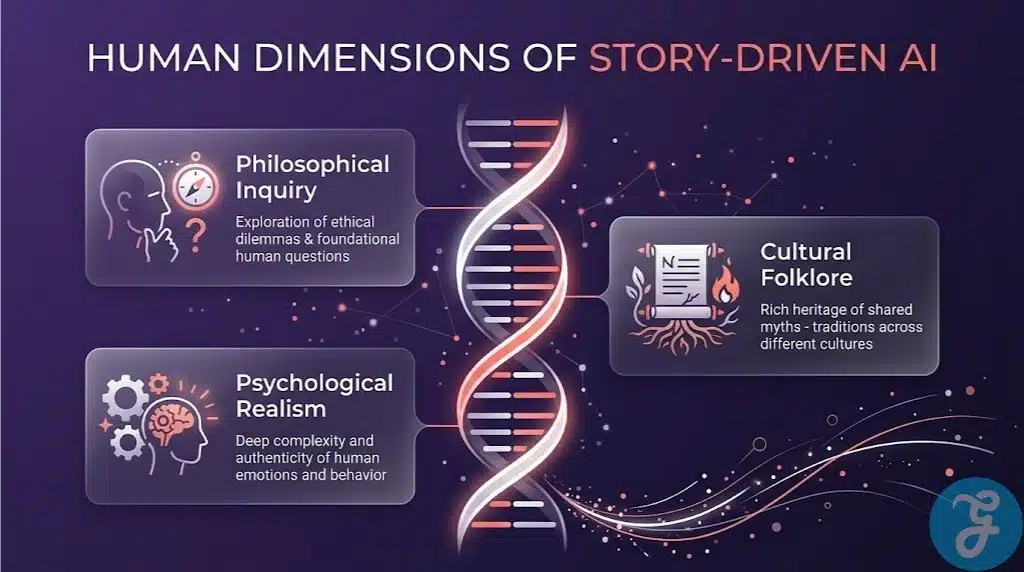
As we move through 2026, the global conversation around interactive and narrative media has become increasingly dominated by the “human touch.” In an age of algorithmic optimization, the reason we still find that the Best Anime Stories Come From Japan is because these creators prioritize the specific, localized magic of an “auteur’s” vision over a focus-grouped product. There is an “uncomfortable” truth that many global production hubs have yet to grasp: you cannot replicate the decades of artistic heritage and philosophical depth found in a series like Evangelion or Monster through sheer budget alone. These stories are built on a cultural foundation that values the “Ma” (the space between) and the beauty of the ephemeral.
Looking forward, these 12 series stand as a defiant rebuttal to the idea that animation is “just for kids” or a secondary form of media. They are high art, forensic psychological studies, and epic histories all rolled into one. By participating in these stories, we aren’t just consuming content; we are connecting with a storytelling tradition that has mastered the art of making the world feel a little larger, a little deeper, and a lot more human.
Navigating the vast world of Japanese series often brings up several common questions regarding their structure and appeal.
Frequently Asked Questions (FAQs) About Why the Best Anime Stories Come From Japan
Address these common queries to ensure you have the best possible viewing experience.
Is Dragon Ball better than modern shonen like Demon Slayer?
While modern shows have better animation technology, Dragon Ball is the foundational text that created the genre. Without its influence, modern shonen would not exist in their current form.
Why are some of these shows so slow compared to Western TV?
Japanese storytelling often utilizes a pacing style called “Jo-ha-kyu” or focuses on atmospheric build-up. This allows for deeper character connection and thematic payoff at the expense of immediate action.
Does Pokemon have a deep story for adults?
While the target audience is younger, the themes of ecological balance, the ethics of competition, and the nature of “family” have provided deep resonance for adult viewers for over two decades.
Why are Ghibli films like Spirited Away so different from other anime?
Studio Ghibli prioritizes hand-drawn artistry and “slice of life” realism even in fantasy settings. They focus more on environmental themes and quiet character moments than the “battle” tropes of mainstream anime.
What makes Fullmetal Alchemist: Brotherhood the “perfect” story?
It is one of the rare long-form series that was written with its ending in mind from day one. Every plot point introduced in the first ten episodes has a direct payoff in the finale, creating a perfectly closed loop.