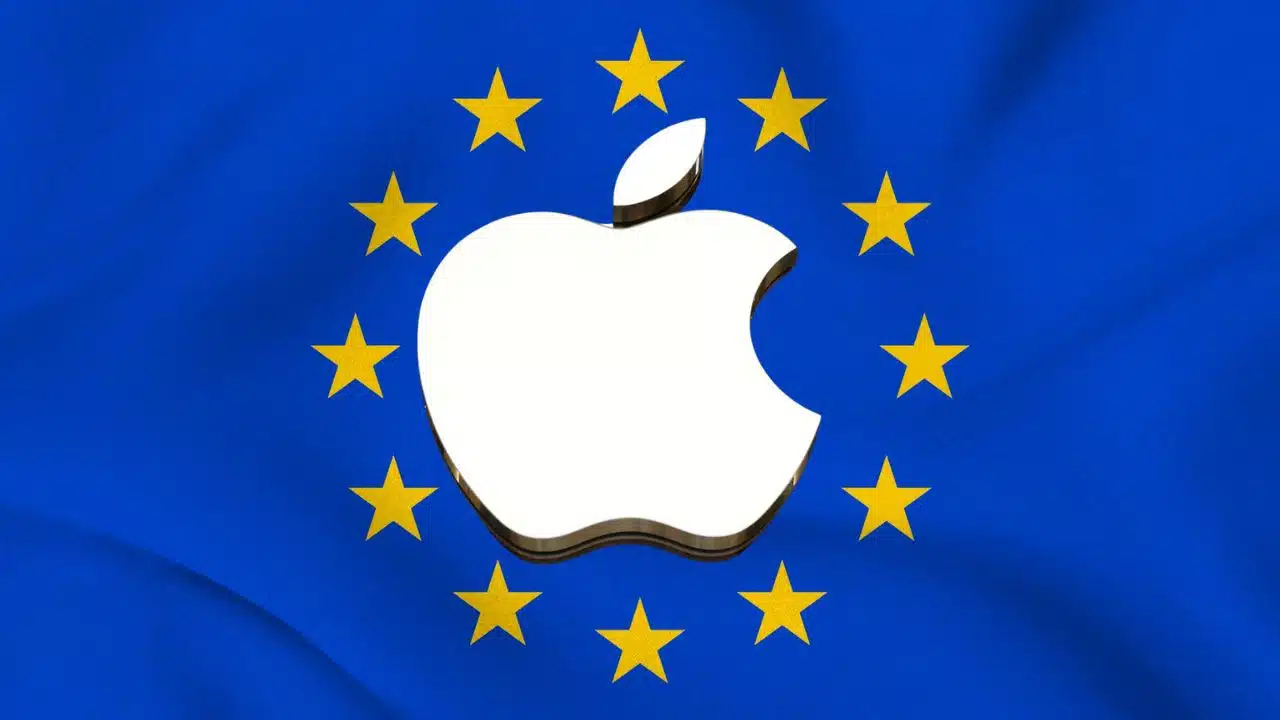
Apple has taken its strongest stance yet against the European Union’s Digital Markets Act (DMA), urging Brussels to repeal the law entirely. In a formal submission to the European Commission, the U.S. tech giant argued that the DMA undermines consumer security, disrupts the smooth functioning of Apple’s ecosystem, and results in a worse user experience across the bloc.
This move is the latest episode in a long-running battle between Apple and EU regulators, who have sought to rein in the market power of Big Tech firms. The dispute highlights not just corporate interests but also broader geopolitical tensions between Washington and Brussels over how to regulate digital markets fairly.
What Is the Digital Markets Act?
The DMA, introduced in 2022 and enforced from March 2024, is a landmark EU law designed to curb the dominance of tech “gatekeepers” — large platforms that act as entry points for digital services.
- Designated Gatekeepers: Apple, Google, Amazon, Meta, Microsoft, and TikTok owner ByteDance.
- Objectives: Increase competition, give consumers more choice, and prevent anti-competitive practices.
- Obligations: Gatekeepers must allow third-party interoperability, enable app sideloading, provide browser and search engine choice screens, and avoid self-preferencing their services.
- Penalties: Non-compliance can bring fines up to 10% of global annual revenue, with repeat violations leading to even harsher sanctions.
For the EU, the DMA is a “constitution for digital competition,” aiming to shift power away from Silicon Valley giants and toward smaller competitors and consumers.
Apple’s Submission: Key Arguments Against the DMA
Security Risks and Privacy Concerns
Apple claims the DMA forces it to weaken its longstanding security protections. By requiring sideloading and third-party app marketplaces, the law potentially exposes European users to malware, fraud, and privacy violations. Apple argues that its strict App Store review process has historically kept iOS one of the safest platforms — and dismantling this gatekeeping role threatens that reputation.
Worse User Experience in the EU
Apple insists the DMA fragments its ecosystem. Features designed to work seamlessly across iPhone, iPad, Mac, and AirPods now face delays or modifications in the EU. The company cited examples like:
- Live Translation via AirPods — rolled out in the U.S., but delayed in Europe.
- iPhone Mirroring to Mac — postponed due to interoperability requirements.
- Location-based enhancements in Maps — slowed to ensure DMA compliance.
According to Apple, these delays not only frustrate users but also create a perception of second-class experiences for European customers.
Proposal for Reform
If the DMA cannot be scrapped, Apple wants sweeping reforms. It suggested that enforcement should be carried out by an independent European agency rather than the European Commission itself, arguing that the current watchdog is both legislator and enforcer — a setup Apple considers biased and inefficient.
EU’s Counterargument: Leveling the Playing Field
EU regulators maintain that the DMA is not an attack on Apple but a necessary correction to decades of market dominance by a handful of companies.
- Consumer Choice: Brussels stresses that features like browser choice screens or app store alternatives give users genuine freedom.
- Fair Competition: By opening ecosystems, the EU hopes to nurture startups and European tech companies that struggle against Apple’s closed system.
- Checks on Monopoly Power: Officials argue that without regulation, companies like Apple can effectively dictate terms for millions of businesses that rely on their platforms.
The European Commission has also dismissed Apple’s warnings about delays as “normal” compliance adjustments. According to officials, companies often need more time to adapt products to new laws, and the Commission is working with firms to smooth the process.
The Financial Stakes: Apple Already Fined €500 Million
In April 2025, Brussels fined Apple €500 million under the DMA for “anti-steering” practices, which prevented developers from informing users about cheaper subscription options outside the App Store. Apple has appealed, but the fine illustrates the EU’s readiness to enforce the law aggressively.
Separately, in March 2024, Apple was fined €1.8 billion under broader EU competition rules — showing that the company has faced a multi-front regulatory assault in Europe.
Transatlantic Tensions: Trump Administration Steps In
The battle has taken on a political dimension. With Donald Trump back in the White House, Washington has sought to pressure Brussels over laws that affect U.S. tech firms. Industry leaders like Apple’s CEO Tim Cook have moved closer to the administration, aligning their corporate interests with American diplomatic efforts.
For Trump, the DMA represents an EU overreach targeting U.S. companies, while for Brussels, it’s about protecting European consumers and businesses. The result is an escalating trade and regulatory standoff.
Impact on Consumers: Gains and Trade-Offs
Benefits for EU Users
- More app store choices could lower prices.
- Greater interoperability may encourage innovation and convenience
- Browser and search engine choice screens expand freedom of use.
Drawbacks Raised by Apple
- Higher exposure to scams or malicious apps.
- Delays in rolling out new Apple features in the EU compared to the U.S. and Asia.
- Fragmented device experiences, potentially undermining Apple’s premium brand promise.
The debate, therefore, is not just about Apple’s profits — it’s about how much control consumers should trade for security, convenience, and choice.
Looking Ahead: The Review of the DMA
The European Commission’s first review of the DMA closed in September 2025. Apple’s 25-page submission will be part of this evaluation. While repeal is unlikely, the review could adjust certain obligations or enforcement mechanisms.
The standoff raises critical questions for the future:
- Will Europe stand firm in reshaping Big Tech behavior?
- Can Apple maintain its tightly controlled ecosystem under regulatory pressure?
- Will U.S.–EU relations on digital policy worsen, or can a compromise be found?
Apple’s call to repeal the DMA marks a bold and controversial escalation in the clash between Silicon Valley and Brussels. The outcome could reshape not only how Europeans use their devices but also the global balance of power between governments and tech giants.
For now, EU regulators are holding their ground, but Apple’s lobbying power — reinforced by U.S. political backing — ensures the debate will remain at the center of the future of digital regulation worldwide.
The Information is Collected from MSN and Yahoo.