Traffic jams and diesel exhaust make your daily commute feel like a bad dream. DHL delivers to over 220 countries and fights greenhouse gas emissions to reach net zero by 2050. I will show sustainable transport ideas like electric vehicles, charging stations, and smarter public transit routes that cut greenhouse gas emissions and fight fossil fuels.
Read on.
Key Takeaways
- Amazon added 100,000 Rivian delivery vans and UPS runs 1,000 electric vehicles plus 15,600 alternative-fuel autos to cut emissions. FedEx plans half its fleet on batteries by 2025 and full by 2030. Evri runs 37% zero-emission vans. Tesla’s 6,706 Supercharger points use solar and wind power.
- Fuel cell vehicles store hydrogen at high pressure and make electricity that spins motors. Iberdrola’s plant cuts 48,000 tonnes of CO2 a year and aims for 350,000 tonnes of green hydrogen by 2030. Drivers fill tanks in minutes at growing station networks.
- Copenhagen spent $150 million on hundreds of miles of bike lanes since 2005. Now 49% of trips use bikes and the city cut greenhouse gas emissions by 30% since 1995. Bike-share docks link to bus rapid transit stops to ease traffic.
- XPO Logistics uses hydrotreated vegetable oil to cut truck CO2 by 90%. Shell plans 2 million tonnes of sustainable aviation fuel by 2025. Porsche’s eFuels lower CO2 by 85%. Lab-made fuels mix captured CO2 and green hydrogen in Fischer-Tropsch reactors.
- UPS ORION route planning cut 100,000 metric tons of CO2 and saved 10 million gallons of fuel in one year. Brambles trimmed 6.6 million km of empty runs to avoid 6,500 tonnes of CO2. Smart lights, apps, and e-scooters curb emissions and ease congestion.
How do electric vehicles and charging stations support sustainable transport?
Electric cars slash greenhouse gas emissions. Amazon added 100,000 Rivian delivery vans to trim carbon footprints. UPS runs over 1,000 electric vehicles (EVs) and 15,600 alternative-fuel autos.
FedEx plans half of its fleet on batteries by 2025 and full shift by 2030. Evri puts 37 percent of its vans on zero-emission power. These moves make a dent in air pollution and push sustainable transportation.
Charging infrastructure keeps EVs rolling. Tesla operates 6,706 Supercharger points around the world. Fast-charging stations pop up at shopping centers and highway rest stops. A battery management system talks to a smart grid, smoothing energy demand.
These juice pumps run on renewable energy sources like solar or wind. Passengers enjoy peace of mind and free up more travel time.
What are hydrogen fuel-powered vehicles and how do they work?
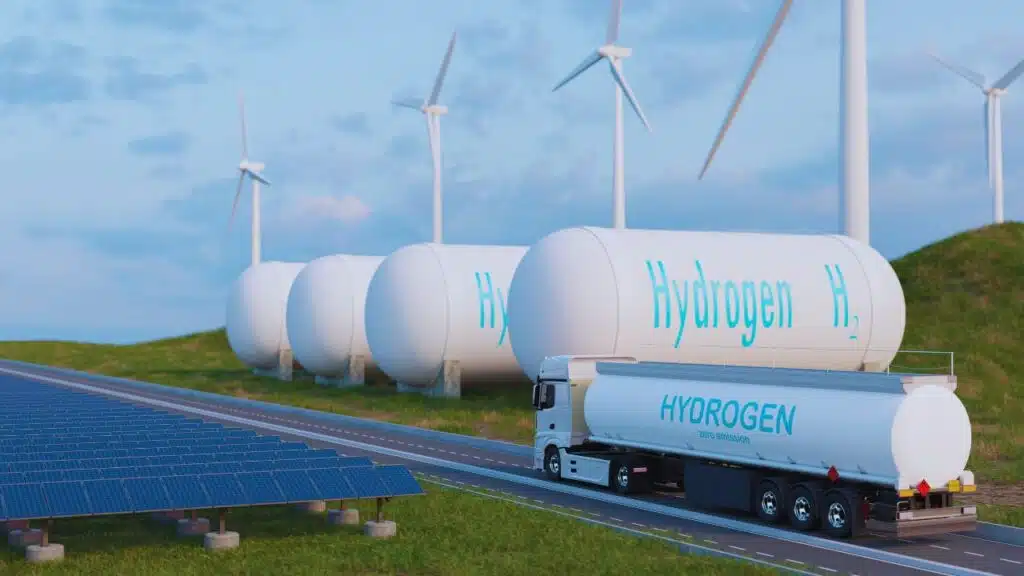
Hydrogen fuel vehicles act as alternative fuels in the transportation sector. Car makers call them fuel cell vehicles. These cars store hydrogen in high pressure tanks. They convert it to electricity, so motors spin.
These models emit only water vapor, so they cut carbon emissions and help air quality. Iberdrola built a plant that cuts 48,000 tonnes of CO2 each year. That firm aims for 350,000 tonnes of green hydrogen by 2030.
This growth boosts energy security and supports sustainable transportation.
Drivers fill tanks at a refueling site in minutes. A fuel cell unit mixes hydrogen with oxygen to make electricity. A small battery helps with power surges and recovers energy from the brakes.
Electrolyzer gear splits water to make that hydrogen in the first place. New stations link to renewable energy sources, wind farms or solar panels. This booming network calls for better transportation infrastructure and charging infrastructure.
It also cuts fossil fuels, eases traffic congestion in cities, and fights climate change.
How is cycling infrastructure expanding to promote green transportation?
Cyclists flood the streets like a rising tide. Copenhagen built hundreds of miles of bike lanes since 2005. The city poured over US$150 million into green infrastructure. Urban planners added safe crossings, traffic signals, and parking rings for two-wheelers.
Forty-nine percent of trips now rely on bicycles. The shift cut greenhouse gas emissions by 30% since 1995. Shoppers, students, and commuters pick active transportation over cars. They slash traffic congestion on main roads.
City crews use GIS mapping tools to track bike counts. Public transit systems link to bike-sharing docks at bus rapid transit stops. This blend of bikes and buses boosts sustainable mobility.
Cities worldwide mimic this model. Officials deploy the same mapping tools to schedule lane repairs. They install green roofs along bike paths and plant urban forests for shade. This mix fights air pollution and cuts CO₂ emissions.
Riders stay cool under leafy canopies. Local leaders spotlight social equity as low-income neighborhoods gain safe routes. Families, workers, and students all share cleaner air and smoother streets.
What role do biofuels play in sustainable transportation?
Biofuels cut greenhouse gas emissions and serve renewable energy and sustainable transportation goals. They replace diesel, petrol and jet fuel with advanced biofuels made from waste oils or crops.
Carbon calculators and life cycle assessment tools show how each drop saves CO2 and mitigates climate change.
XPO Logistics uses hydro-treated vegetable oil in its trucks, slashing CO2 emissions by 90%. Shell targets 2 million tonnes of sustainable aviation fuel, or SAF, by 2025, decarbonizing the transportation sector and curbing air pollution.
How can synthetic fuels serve as alternative energy sources?
Lab-made fuels mimic gasoline, diesel, or jet fuel. We produce them by mixing hydrogen and captured CO2. Electrolyzers run on solar or wind power to split water. We pull CO2 from air or industry exhaust with carbon capture tools.
A reactor then fuses these parts into long hydrocarbon chains. Scientists call this Fischer-Tropsch synthesis. This process creates carbon-neutral alternative fuels for cars, trucks, and planes.
This fuel slides into existing tanks and engines. Airlines test synthetic batches labeled as sustainable aviation fuel or SAF. Road fleets can also use lab-made diesel blends.
Companies promise big cuts in greenhouse gas emissions. Porsche eFuels reduce CO2 emissions by 85%. Governments eye them to decarbonise the transportation sector and boost renewable energy sources.
Investors pour cash into pilot plants, eager to build gigafactories. Truckers appreciate that they need no new pumps or engines. A pilot once quipped that he fueled his jet on desert sunlight.
That joke hints at huge promise, and a bright future. Costs still exceed $4 per gallon, but prices can drop fast. Analysts expect scale to push numbers down by mid-decade. Synthetic fuels might bridge gaps between wind power and heavy transport.
How can logistics and route optimization improve transport efficiency?
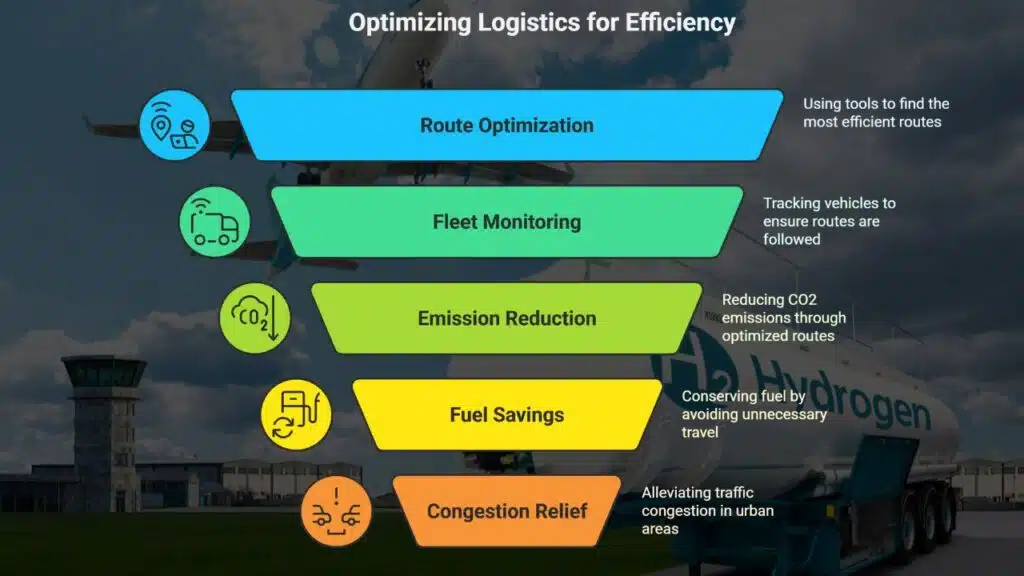
Logistics teams use route optimization tools with fleet monitoring and GPS tracking to plan efficient delivery loops. UPS ORION cut 100,000 metric tons of CO2 in a year and saved 10 million gallons of fuel.
This sharp move boosts transport efficiency, shrinks greenhouse gas emissions, and eases traffic congestion in cities.
A Brambles system trimmed 6.6 million kilometers of empty truck journeys, avoiding 6,500 tonnes of CO2 emissions. Software for route mapping steers drivers from jams and idle time.
Smart planning cuts fossil fuels, boosts energy efficiency, and cleans the air.
Smart mobility solutions use sensor networks, machine intelligence, and large data analysis to shape urban planning. Smart traffic lights adjust to flow and cut greenhouse gas emissions.
Apps guide commuters to public transportation and bike share. These systems ease traffic congestion and curb environmental degradation.
Shared transportation systems let riders share e-scooters, bike share, and car share. Services link with transit-oriented development and car-free zones to curb car ownership. Riders pay with one integrated ticket via mobile wallet.
Electric vehicles and self-driving shuttles cut fossil fuels use and boost clean energy. Cities set ev incentives and add charging infrastructure to power this network.
How is public transportation being electrified worldwide?
Cities gear up like runners at a race, swapping diesel for power packs to cut greenhouse gas emissions and boost sustainable transportation. London rolled out over 800 zero-emission coaches since 2020.
It aims for a fully zero-emission fleet by 2034. Seoul deploys battery trams along busy corridors. Charging units dot central hubs to keep vehicles moving.
Governments back these rollouts with green infrastructure grants. They cite targets on air quality and climate change. Some fleets add solar panels atop vehicles. Others test hydrogen cells on public transport systems.
Riders enjoy cleaner rides and calmer streets.
How does urban planning contribute to sustainable mobility?
Urban planning teams use GIS mapping to spot busy streets and plan new paths. They sketch mixed-use zones around bus stops and train stations, a concept known as Transit-oriented development.
This move drives more public transit rides and fosters sustainable transportation. That step trims greenhouse gas emissions and cuts traffic congestion. Planners add green infrastructure, like bike lanes and small plots of trees, to freshen air and shield riders.
Car-free zones pop up in downtown blocks to free sidewalks. People stroll, jump on public transit, or hop on scooters. This fun shift shakes up the usual grind. Folks chat at bus shelters and share rides.
The result lifts social equity and fights climate change. Residents feel the change in public transport systems, and they smile.
How do solar-powered charging stations work for vehicles?
Solar modules convert sunlight into electricity. An inverter turns that power into AC current for electric vehicles. Chargers plug into bays at malls, offices, and park-and-rides. These units tap renewable energy from solar power.
They cut greenhouse gas emissions and curb fossil fuel use. They build core charging infrastructure in cities.
Some stations include battery backups. These units store extra energy for cloudy days or peak demand. Logistics firms install them at freight hubs to trim operational carbon footprints.
This spread boosts electric vehicle adoption and drives green transportation in cities.
What are wind-powered transport hubs and their benefits?
Wind-powered transport hubs use air current machines to run trains, buses, and ships. Operators cut fossil fuel use and trim greenhouse gas emissions. Hubs support cleaner urban logistics by linking windmills to EV charging stations.
Integration of wind energy can lower operational costs by up to 25%. Ports can mount wind-assisted propulsion sails on cargo vessels. This step boosts fuel efficiency by as much as 20%.
Cities gain a breath of fresh air when hubs curb air pollution and traffic congestion. Urban planning gains fresh options for sustainable transportation. Planners mix green infrastructure, such as urban forests and green roofs, with wind farms.
Residents enjoy better air quality, and public transportation systems gain more power from renewable energy sources. This blend helps the transportation sector meet climate change goals and support social equity.
How do autonomous electric buses and shuttles operate?
Autonomous electric buses use sensors and artificial intelligence to steer and stop safely. Sensors pair with internet of things devices and smart traffic management software. Systems adjust routes based on live traffic data and rider demand.
Planners cut gridlock using real-time feeds and dynamic route tools.
Cities power fleets with renewable energy sources like solar and wind. This approach slashes greenhouse gas emissions and boosts urban air quality on public transport. Government teams, technology providers, and community groups join forces on these projects.
Such partnerships build out charging infrastructure and strengthen sustainable transportation networks.
What sustainable solutions exist for cargo transport?
Cargo liners use wind-assisted sails and methanol engines to cut greenhouse gas emissions. Ports run electric cranes and charging docks to shift toward renewable energy sources. They map routes with route optimization tools, trimming miles and fuel waste.
Companies test hydrogen fuel cells and advanced biofuels to swap out fossil fuels. Smart sensors and digital twins track loads, smoothing logistics and shrinking carbon output. This mix packs a real punch to climate goals, no smoke and mirrors.
Maersk orders 19 methanol-powered vessels to sail in 2024 and 2025. That firm, which emits about 3.5 billion tonnes of CO2 each year, seeks to cut its share of global transport emissions from 1 percent down to zero by 2040.
It plans for 25 percent of its cargo transport to run on green fuels by 2030. This drive shifts shipping off natural gas and diesel into biofuels and zero-emission power.
What incentives and policies support green transportation efforts?
States hand out subsidies and tax credits for electric vehicles (EVs), sometimes topping $7,500 per car. Some programs cover part of the cost for hydrogen fuel or compressed natural gas vehicles.
A strong charging infrastructure gives drivers a safety net on long trips. City planners use urban planning styles like transit-oriented development to cluster homes, shops and transit stops within a half mile.
London charges noncompliant cars through its Ultra Low Emission Zone fee, as part of a congestion charge program, nudging drivers to cleaner rides.
Officials pour billions into metro lines, light rail and public transport systems, which cut traffic congestion and greenhouse gas emissions. They promote telecommuting policies, cutting rush hour backups and lowering air pollution.
Public transit stops can tap solar power or wind power to shrink fossil fuel use in the transportation sector. Some transit hubs add green roofs and urban forests to improve air quality and tame city heat.
How do collaborative approaches enhance transportation networks?
Drivers, shippers, and planners share data in delivery path planning. This cuts carbon emissions and saves fuel. The CHEP Transport Collaboration cuts empty trips. Slashed fuel waste and lower CO2 emissions follow.
First Movers Coalition partners back zero-emission fuels. Shared goals push the shift from fossil fuels.
Cities team up on last-mile delivery to link couriers and transit. Network efficiency jumps and traffic congestion drops. Government and private firms fund bus lanes and solar power charging hubs.
Those funds boost public transport systems and electric vehicles. Collaborative urban planning creates compact neighborhoods for more walking, cycling, and public transit use. Less car use clears air and drives sustainable transportation.
What are the latest technology advancements in smart transportation systems?
Mercedes-Benz ties sensors and AI into big data systems to steer traffic and speed payments. This mix helps ease traffic congestion and curb air pollution. Transport for London swaps diesel buses for electric and hydrogen models to reduce greenhouse gas emissions.
Maersk fits wind sails on cargo ships to slash CO2 and fuel use. UPS built its ORION route-planning tool with smart algorithms. It cuts miles, saves fuel, and shrinks carbon footprints.
Tesla rolls out a fast charging network powered by solar panels and wind turbines to back EVs. This clean charging infrastructure links to apps that let riders tap and go. Urban deliveries now use electric vans and cargo bikes for last mile runs.
Metro and light rail lines expand with smart ticketing and contactless pay. Cities layer real-time updates into commuter apps to guide riders.
Takeaways
Cities adopt EV charging points powered by solar panels. Riders hop on shared scooters via mobile apps. Trucking firms steer fuel cell lorries toward hydrogen stations. Cyclists cruise new bike lanes and green corridors.
Transit planners use route planning software and AI tools to cut idle time. Smart grids link wind turbines with electric buses at depots. These steps curb greenhouse gas emissions and ease traffic.
Communities get cleaner air and fairer access.
FAQs
1. What are the top sustainable transport solutions gaining traction globally?
They include electric vehicles (EVs), public transit, bike lanes, green infrastructure like city woods and living roofs, plus alternative fuels and advanced biofuels.
2. How do EVs help reduce greenhouse gas emissions and traffic congestion?
EVs run on clean current, they cut tailpipe CO2, they use smart charging infrastructure and storage, they move us away from fossil fuels.
3. Can public transit and green infrastructure improve air quality?
Yes, buses and trains carry many riders at once, they curb air pollution, and city woods work like giant filters that freshen the air.
4. What role do alternative fuels and renewable energy sources play in combating climate change?
Alternative fuels and advanced biofuels keep us off fossil fuels, they power jets and big trucks, and renewable energy sources feed the grid for EVs and transit.
Clean fleets and public transit give more people access to safe rides, they cut fossil fuel use, they lower costs and lift up air quality for all, they tackle climate change and boost social equity.
6. What challenges remain for scaling these solutions?
We need more charging infrastructure, better energy storage, stronger funding for public transit, solid policy to stop burning fossil fuels, and real data on the impact on the environment.