Water is a precious resource, and in a country as dry as Australia, ensuring its conservation has always been a top priority. As we move into 2025, Australian plumbing companies are stepping up to lead the charge in water-saving initiatives.
From innovative technologies to sustainable practices, these companies are redefining how residential and commercial properties use and conserve water.
This article explores the methods, technologies, and strategies that Australian plumbing companies employ to contribute to water conservation.
Whether you’re a homeowner, a business owner, or someone interested in sustainability, understanding these efforts can inspire you to adopt eco-friendly practices.
1. Embracing Smart Plumbing Technologies
Smart Meters and Monitoring Systems
Australian plumbing companies are increasingly installing smart water meters that provide real-time data on water usage. These devices help homeowners and businesses identify leaks, excessive usage, or inefficiencies in their systems.
- How It Works: Smart meters send data to a connected app or platform, allowing users to monitor and control water usage remotely.
- Benefits:
- Immediate detection of leaks.
- Alerts for unusual water consumption.
- Insights for optimizing water use.
Innovative Fixtures and Fittings
Modern plumbing fixtures like touchless faucets, low-flow showerheads, and dual-flush toilets have become standard offerings. These devices are designed to reduce water wastage without compromising performance.
- Example: Dual-flush toilets use significantly less water for liquid waste compared to solid waste.
Pro Tip: Ask your plumber about Water Efficiency Labelling and Standards (WELS)-rated products to ensure high water-saving efficiency.
2. Promoting Rainwater Harvesting
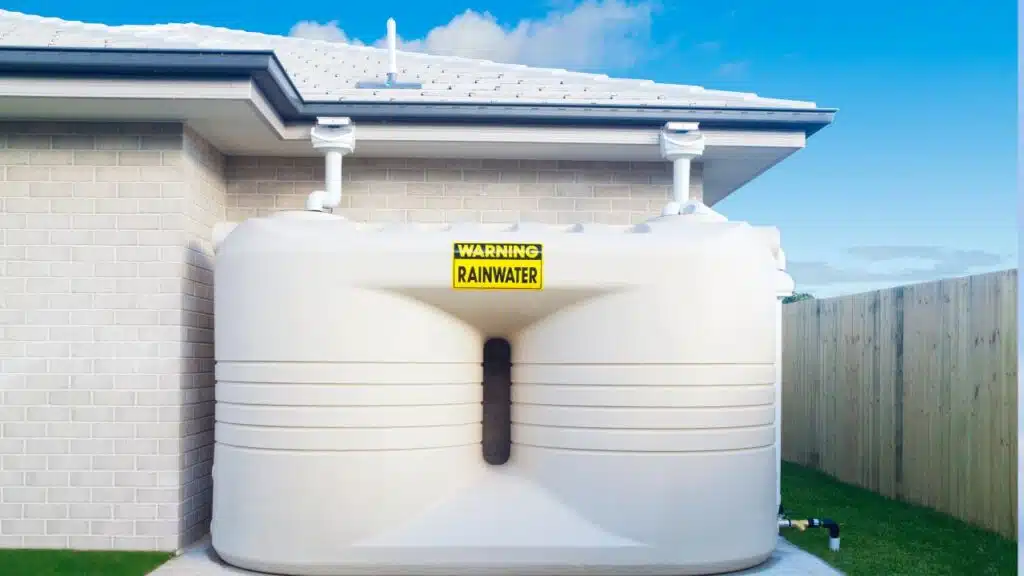
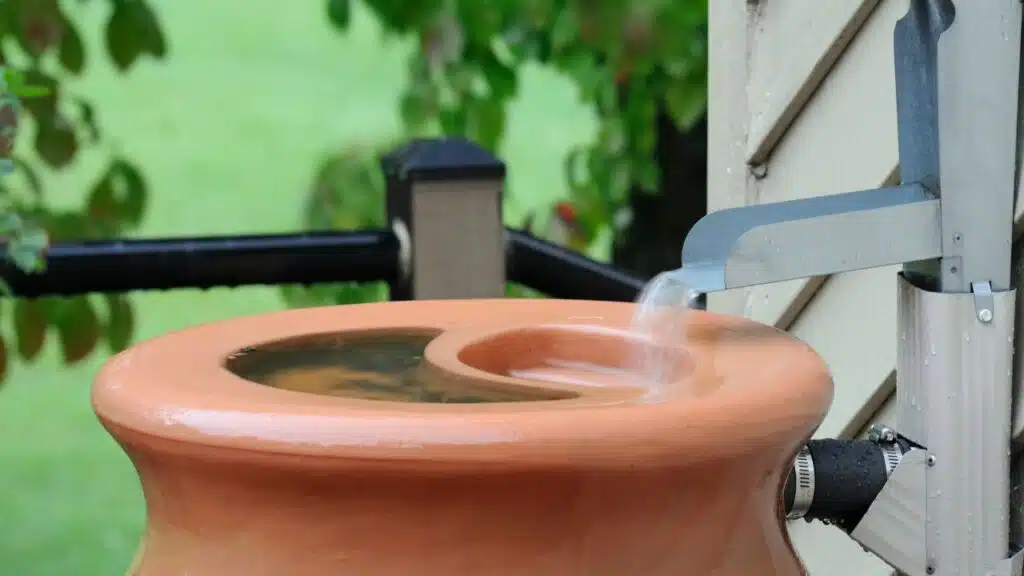
Rainwater harvesting systems have become a cornerstone of water conservation efforts in Australia. Plumbing companies are integrating these systems into residential and commercial properties.
Components of a Rainwater Harvesting System
- Gutters and Downpipes: Direct rainwater to storage tanks.
- Storage Tanks: Hold rainwater for later use.
- Filtration Systems: Ensure water is clean for non-potable uses like irrigation.
Applications
- Irrigation for gardens and landscaping.
- Flushing toilets and washing clothes.
- Supplementing household water supply during dry periods.
Benefits
- Reduces dependency on municipal water.
- Helps manage stormwater runoff.
- Cost-effective in the long run.
3. Greywater Recycling Solutions
Greywater systems, which recycle water from sinks, showers, and washing machines, are becoming increasingly popular. Plumbing companies are now offering tailored greywater solutions for homes and businesses.
How Greywater Recycling Works
- Collection: Greywater is captured from drains.
- Filtration: The water is treated to remove impurities.
- Reuse: The filtered water is used for irrigation, flushing toilets, or cleaning.
Advantages
- Reduces overall water consumption by up to 30%.
- Provides an eco-friendly solution for water reuse.
- Lowers water bills.
Pro Tip: Ensure greywater systems comply with local council regulations to avoid contamination risks.
4. Water-Efficient Landscaping Practices
Many plumbing companies collaborate with landscapers to promote water-efficient outdoor solutions. These practices ensure that gardens and lawns thrive while using minimal water.
Key Practices
- Drip Irrigation Systems: These systems deliver water directly to the roots, minimizing evaporation and runoff.
- Native Planting: Encouraging the use of drought-resistant native plants reduces the need for frequent watering.
- Soil Moisture Sensors: Automatically adjust irrigation based on soil moisture levels.
Case Study
In Sydney, a plumbing company partnered with a local council to install drip irrigation systems in public parks, resulting in a 40% reduction in water usage.
5. Advanced Leak Detection Methods
Leaks are a major cause of water wastage. Australian plumbing companies are leveraging advanced technologies to detect and fix leaks quickly.
Leak Detection Technologies
- Acoustic Sensors: Identify leaks by detecting sound changes in pipes.
- Thermal Imaging Cameras: Pinpoint hidden leaks by identifying temperature differences.
- Pressure Monitoring Systems: Alert users to pressure drops caused by leaks.
Benefits of Early Detection
- Prevents water wastage.
- Reduces repair costs by addressing issues early.
- Protects property from water damage.
6. Installing Desalination-Compatible Plumbing
With desalination plants playing a vital role in Australia’s water supply, plumbing companies are ensuring homes and businesses can seamlessly use desalinated water.
How It’s Achieved
- Adjusting plumbing systems to handle higher salt content.
- Installing water softeners to prevent mineral buildup.
Impact: This integration ensures a sustainable and reliable water supply, particularly in drought-prone areas.
7. Educating Consumers on Water Conservation
Plumbing companies are taking a proactive role in educating customers about water-saving practices.
Initiatives Include:
- Hosting workshops on efficient water usage.
- Providing guides on maintaining water-efficient fixtures.
- Offering tips on detecting and fixing leaks.
- Fix dripping taps immediately; they can waste thousands of liters annually.
- Use timers on sprinklers to avoid overwatering gardens.
- Turn off the tap while brushing your teeth to save water.
8. Retrofitting Older Properties
Older homes and buildings often have outdated plumbing systems that waste water. Plumbing companies are offering retrofitting services to bring these properties up to modern standards.
Retrofitting Services Include:
- Replacing old pipes with efficient ones.
- Installing water-efficient fixtures.
- Adding smart water monitoring systems.
Impact:
Retrofitting not only saves water but also enhances property value and reduces utility costs.
9. Supporting Government Water Initiatives
Australian plumbing companies actively participate in government-led water conservation programs.
Examples of Collaborations
- Partnering with local councils to promote water-efficient upgrades.
- Participating in rebate programs for installing water-saving devices.
- Supporting campaigns like “Target 155,” which encourages households to limit daily water usage to 155 liters.
10. Focusing on Sustainable Materials
To align with broader environmental goals, plumbing companies are now using sustainable materials for installations and repairs. Choosing high-quality plumbing fittings is essential to ensure efficiency, durability, and long-term performance in various applications, from residential plumbing to industrial manufacturing
Examples of Eco-Friendly Materials
- PEX Pipes: Require less energy to produce and are recyclable.
- Recycled Copper: Reduces mining-related environmental damage.
- Biodegradable Sealants: Minimize toxic waste.
Benefits
- Lower carbon footprint.
- Improved durability and longevity.
- Reduced environmental impact.
Conclusion
In 2025, Australian plumbing companies are playing a pivotal role in water conservation. Through innovative technologies, sustainable practices, and consumer education, they are helping reduce water wastage and ensure a reliable supply for future generations.
Whether it’s by installing smart meters, promoting rainwater harvesting, or retrofitting older properties, these efforts are transforming how water is used and conserved across the country.
By partnering with a trusted plumbing company and adopting these practices, homeowners and businesses can contribute to Australia’s water sustainability goals.
Take the first step towards a greener future—choose water-saving solutions for your home or business today!