

Water is one of the most essential resources we rely on every day, and with the growing global water crisis, conserving it has never been more critical.
In addition to helping the environment, saving water can significantly reduce your monthly utility bills, putting more money in your pocket while contributing to a more sustainable future.
The good news is that conserving water doesn’t require major lifestyle changes. With small adjustments, smart technologies, and mindful habits, you can make a big difference.
In this article, we’ll share 20 effective tips to save water in 2025 that will not only help you conserve this precious resource but also cut down on your water bill.
1. Install Low-Flow Showerheads and Faucets
One of the simplest ways to reduce water usage is by installing low-flow showerheads and faucets. These devices limit the amount of water that flows through them without sacrificing pressure, meaning you can still enjoy a satisfying shower or use the sink without wasting excess water.
Benefits:
- Reduces water consumption by 30-50%.
- Lowers energy costs, as less hot water is used.
Tip: Look for models with the WaterSense label, which guarantees efficiency and performance.
2. Fix Leaks Immediately
Dripping taps and leaking pipes may seem like minor issues, but they can lead to significant water waste over time. A single leaky faucet can waste hundreds of gallons of water each year, contributing to higher utility bills.
What You Can Do:
- Regularly check your taps, toilets, and pipes for leaks.
- Replace worn-out washers or hire a plumber to fix more complex issues.
- Don’t forget to check outdoor faucets, hoses, and sprinklers as well.
Benefit: Fixing leaks can reduce water waste by 10-15%.
3. Use Water-Efficient Appliances
Upgrading to water-efficient appliances is one of the most impactful ways to save water. Newer models of dishwashers, washing machines, and toilets use significantly less water than older models while still performing effectively.
What to Look For:
- Dishwashers: Look for models that use 4-6 gallons of water per load instead of the older 10-15 gallons.
- Washing machines: Choose front-loading or high-efficiency models that use less water for each cycle.
- Toilets: Opt for dual-flush toilets that use less water for liquid waste and more for solid waste.
Benefit: Water-efficient appliances can reduce water consumption by 30-50%, saving you hundreds of dollars annually.
4. Turn Off the Tap While Brushing and Shaving
One of the simplest and most effective ways to conserve water is to turn off the tap while brushing your teeth or shaving. Leaving the tap running during these activities can waste up to 4 gallons of water each time.
What to Do:
- Wet your toothbrush, turn off the water, and then brush.
- When shaving, fill the sink with a small amount of water to rinse your razor.
Benefit: This small habit can save up to 200 gallons of water per person, per month.
5. Collect and Reuse Water

Reusing water in your home can be a smart and simple way to reduce waste. There are many opportunities to collect and reuse water, especially from activities like cooking and bathing.
Ways to Reuse Water:
- Use leftover water from boiling vegetables or pasta to water plants.
- Collect shower water in a bucket while waiting for it to heat up and use it to flush the toilet or water your garden.
- Recycle greywater from washing clothes to use in the garden (just ensure detergents are biodegradable and safe for plants).
Benefit: By reusing water, you can save thousands of gallons each year.
6. Install Rainwater Harvesting Systems
Rainwater harvesting is an excellent way to reduce your dependence on municipal water and conserve natural resources. You can collect rainwater from your roof and use it for watering the garden, washing your car, or even flushing toilets.
What You Need:
- Install a rain barrel under your roof’s downspout to collect rainwater.
- Set up an irrigation system or manually water plants with the collected rainwater.
Benefit: Rainwater harvesting can significantly reduce outdoor water use, saving up to 1,300 gallons of water per person each summer.
7. Use a Broom to Clean Driveways and Sidewalks
Many people use a hose to clean driveways, sidewalks, and patios, which can waste hundreds of gallons of water. A more water-conscious approach is to use a broom to sweep away dirt and debris.
What to Do:
- Sweep the area instead of hosing it down.
- Only use water for necessary deep cleaning or after a major storm.
Benefit: This simple switch can save up to 150 gallons of water each time you clean.
8. Water Your Lawn Early in the Morning
Watering your lawn in the heat of the day can cause much of the water to evaporate before it reaches the roots. To minimize water loss and ensure efficient irrigation, water your lawn in the early morning hours, ideally between 5 a.m. and 9 a.m.
Additional Tips:
- Use a sprinkler timer to avoid overwatering.
- Set sprinklers to water only the lawn, not the sidewalk or driveway.
Benefit: Watering early in the day can reduce evaporation and save up to 25% of your outdoor water use.
9. Plant Drought-Resistant Landscaping
Opting for drought-tolerant plants and native species in your landscaping can significantly reduce water usage. These plants are adapted to thrive with minimal water and are often more resilient to local climate conditions.
Ideas for Water-Smart Landscaping:
- Choose succulents, ornamental grasses, and native shrubs that require less watering.
- Group plants with similar water needs together to ensure efficient irrigation.
Benefit: By using drought-resistant plants, you can reduce outdoor water consumption by up to 60%.
10. Install a Smart Irrigation System
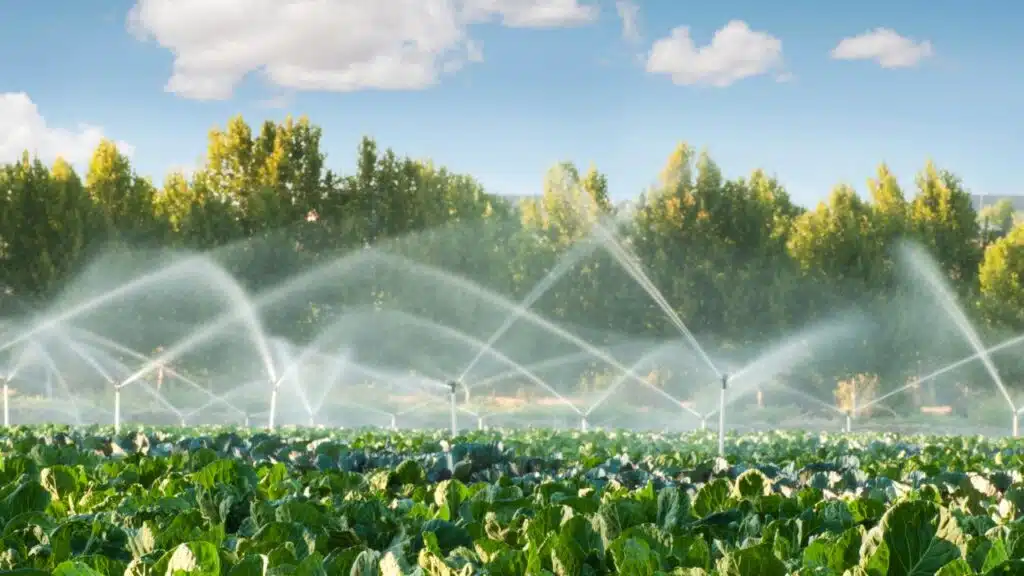
Smart irrigation systems use weather data and soil moisture sensors to automatically adjust watering schedules based on real-time conditions. These systems ensure your lawn and garden get just the right amount of water, preventing overwatering.
Benefits of Smart Irrigation:
- Saves water by preventing unnecessary watering during rain or high humidity.
- Tailor watering schedules to the specific needs of your plants and lawn.
Benefit: A smart irrigation system can reduce your water consumption by 20–50%.
11. Use Mulch in the Garden
Mulching your garden beds helps retain moisture in the soil, reduces evaporation, and keeps the ground cool. It also improves soil health by adding organic matter as it decomposes.
How to Use Mulch:
- Spread 2-3 inches of mulch around trees, shrubs, and plants.
- Use organic materials like wood chips, bark, or straw.
Benefit: Mulching can reduce water evaporation by up to 50%, allowing you to water less frequently.
12. Reduce Shower Time
Reducing your shower time by even a few minutes can have a big impact on your water usage. On average, showers account for nearly 17% of residential indoor water use.
What to Do:
- Aim to keep showers under 5-10 minutes.
- Use a waterproof timer to track your shower time.
Benefit: Shortening your shower by just two minutes can save up to 5 gallons of water per shower.
13. Full Loads Only in Dishwashers and Washing Machines
Running full loads in your dishwasher and washing machine maximizes water efficiency. Running these appliances when they’re only partially full wastes both water and energy.
What You Can Do:
- Wait until you have a full load before running the dishwasher or washing machine.
- Use eco-friendly settings that use less water.
Benefit: Running full loads can save up to 20 gallons of water per dishwasher cycle and up to 50 gallons per laundry load.
14. Use a Bucket Instead of a Hose to Wash Your Car
When washing your car at home, use a bucket instead of leaving the hose running. You can also consider using a waterless car wash product, which can clean your vehicle without the need for a hose.
What to Do:
- Fill a bucket with water and use it to wet and rinse the car.
- Only use the hose for final rinsing if necessary.
Benefit: Using a bucket instead of a hose can save up to 150 gallons of water per wash.
15. Install Dual-Flush Toilets
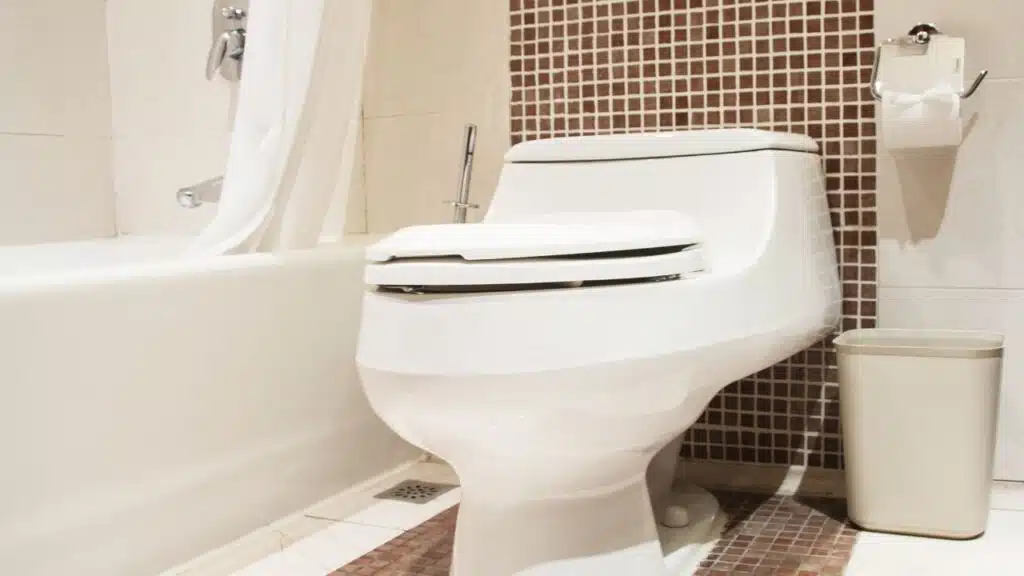
Dual-flush toilets give you the option of using a smaller flush for liquid waste and a full flush for solid waste. This simple switch can significantly reduce water usage in your home.
What to Look For:
- Choose dual-flush toilets with WaterSense certification.
- Older toilets can be retrofitted with dual-flush mechanisms.
Benefit: Dual-flush toilets can reduce water usage by up to 30% compared to traditional toilets.
16. Turn Off the Hose Between Tasks
When working in the garden or washing your car, avoid leaving the hose running between tasks. Attach a nozzle with an automatic shut-off feature to control the flow of water as you work.
What You Can Do:
- Use a hose nozzle that lets you control the water flow.
- Turn off the hose while moving from one task to another.
Benefit: Turning off the hose between tasks can save up to 200 gallons of water per session.
17. Choose Native Plants for Landscape
Native plants are well-adapted to your local climate and typically require less water than non-native species. These plants thrive in your area’s natural conditions, reducing the need for supplemental watering.
Examples of Native Plants:
- In arid regions: Cacti, agave, and yucca.
- In temperate regions: Native grasses, ferns, and wildflowers.
Benefit: Choosing native plants can reduce outdoor water use by up to 60%, as they require less irrigation and maintenance.
18. Install a Greywater System
A greywater system allows you to reuse water from your sinks, showers, and washing machines for irrigation purposes. By redirecting graywater, you can reduce the amount of fresh water needed for landscaping.
How It Works:
- Install a greywater system to capture water from your drains.
- Use the recycled water to irrigate non-edible plants or lawn areas.
Benefit: Greywater systems can reduce household water consumption by up to 40%, significantly lowering your water bill.
19. Educate Your Family About Water Conservation
Water conservation efforts work best when everyone in the household is on board. Teach your family, especially children, the importance of saving water and encourage them to adopt water-saving habits.
What to Do:
- Set a family goal for reducing water usage and track progress.
- Encourage children to turn off taps and take shorter showers.
Benefit: Creating a water-saving culture in your home can lead to long-term reductions in water usage and bills.
20. Monitor Your Water Bill and Usage
Keep track of your water bills and monitor your household’s water consumption to identify patterns and opportunities for improvement. If you notice an unexpected increase, it could be a sign of leaks or inefficient water use.
What You Can Do:
- Review your water bill regularly and compare usage over time.
- Consider installing a water meter or smart water monitor to track real-time usage.
Benefit: Monitoring your water usage helps you stay aware of your conservation efforts and catch leaks or issues before they become expensive problems.
Conclusion: Save Water, Save Money, and Save the Planet
By implementing these 20 water-saving tips, you can make a significant impact on both your water bill and the environment. Water conservation is more important than ever in 2025, with growing concerns about water scarcity and environmental sustainability.
Simple actions—like fixing leaks, using water-efficient appliances, reducing shower time, and harvesting rainwater—can add up to substantial savings over time. Not only will you reduce your water bills, but you’ll also contribute to preserving one of the planet’s most precious resources.
The key to successful water conservation is consistency. By making mindful choices in your daily routine, you can help conserve water, protect the environment, and ensure that future generations have access to clean, safe water. Start today, and see the difference it makes in your home and your community.
























