Our homes should be a safe haven for every member of our family, including our beloved pets. Unfortunately, some everyday items and situations can be harmful to pets without us even realizing it.
From foods to household products, there are hidden dangers for pets at home that could potentially endanger your pet’s life. By being aware of these potential dangers, you can take the steps needed to keep your furry friends healthy and safe.
15 Hidden Dangers in Your Home That Could Be Killing Your Pet
Our pets are like family members, and their safety is just as important as ours. However, everyday household items can be hazardous to pets, even if they seem harmless. Here are 15 hidden dangers that may be present in your home, along with simple ways to safeguard your furry friends.
1. Houseplants
Houseplants brighten up a home, but certain varieties can be toxic to pets if ingested. Lilies, for instance, are incredibly dangerous for cats and can cause kidney failure, even with a small nibble. Sago palms, often kept as indoor plants, can cause liver damage and neurological symptoms in dogs. Philodendrons lead to mouth irritation, drooling, and digestive distress in both cats and dogs.
The American Society for the Prevention of Cruelty to Animals (ASPCA) warns that popular plants like pothos, oleander, and peace lilies are also harmful to pets. Consider replacing these with pet-safe plants like spider plants, Boston ferns, or prayer plants.
2. Human Foods
While it’s tempting to share a snack with our pets, certain human foods can have severe consequences. Chocolate, for example, contains theobromine, which is toxic to dogs and cats and can lead to vomiting, seizures, or even heart failure. Grapes and raisins are especially dangerous for dogs, potentially causing sudden kidney failure even in small quantities.
Onions and garlic can damage red blood cells, leading to anemia and weakness. Be mindful when preparing or eating food around pets, and keep toxic foods out of reach. Stick to pet-safe treats like carrots or small apple slices (without seeds) if you want to give them a snack.
3. Cleaning Products
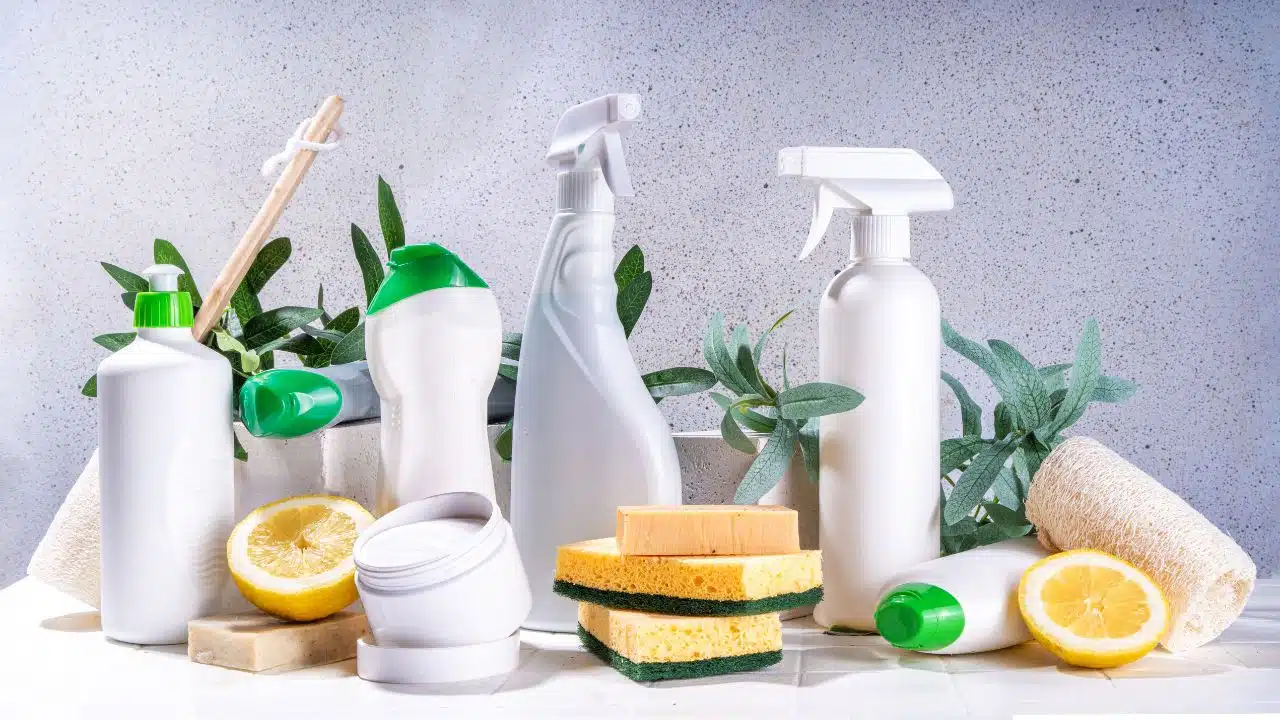
Household cleaners contain strong chemicals, like bleach, ammonia, and phenols, which can harm pets if ingested, inhaled, or touched. Chemical burns, poisoning, or respiratory issues are common side effects. Ensure your pet doesn’t come into contact with freshly cleaned surfaces until they have dried, and think about transitioning to pet-safe cleaning products. Also, store cleaners in locked cabinets to avoid accidental exposure.
4. Electrical Cords and Chargers
Electrical cords attract pets, especially young or curious animals. Chewing on cords can lead to electrical burns, shocks, or even death by electrocution. To prevent accidents, use cord protectors, hide cords behind furniture, or spray them with bitter-tasting deterrents. You can also secure cords along the wall using clips or covers to keep them out of reach.
5. Medications and Supplements
Human medications are one of the leading causes of pet poisoning. Ibuprofen and acetaminophen are dangerous for pets and can cause liver and kidney damage. Other medications like antidepressants, birth control, and blood pressure drugs can be fatal if consumed. Pets are often curious and may mistake pills for treats, so store all medications in sealed containers and immediately pick up any dropped pills.
6. Small Objects and Toys
Small household items like buttons, hair ties, rubber bands, and tiny toy parts can seem like fun toys to pets, but if swallowed, they pose a choking hazard or can cause intestinal blockages. Strings, ribbons, and yarn, in particular, attract cats; if ingested, these items can cause severe digestive issues that may require surgery. Regularly inspect areas within your pet’s reach for small objects and store them securely.
7. Pesticides and Rodenticides
Pesticides and rodenticides are common in households but can be deadly to pets. Many rodenticides contain anticoagulants that cause internal bleeding, while insecticides can lead to seizures or breathing difficulties. If you must use these products, opt for pet-safe alternatives and keep your pets away from treated areas. Dispose of any dead rodents promptly, as ingestion of a poisoned rodent can harm your pet.
8. Essential Oils and Air Fresheners
Essential oils, such as tea tree, eucalyptus, peppermint, and citrus, can cause respiratory distress, drooling, vomiting, or even liver damage in pets. Air fresheners, plug-ins, and sprays can also emit harmful chemicals that pets inhale. Avoid using essential oils around your pets or opt for a diffuser with pet-safe oils. Select a pet-safe air freshener if you require one.
9. Garbage Cans
Garbage cans may contain leftovers, wrappers, and other enticing smells, but they can be harmful if pets dig in. Spoiled food, bones, and toxic substances like coffee grounds, moldy food, or raw bones can cause choking or poisoning. Chicken bones, in particular, can splinter and damage a pet’s intestines. Invest in trash cans with secure lids or place them in inaccessible areas like a cabinet or pantry.
10. Unsecured Windows and Balconies
Open windows and balconies can be dangerous for pets, especially cats. Known as high-rise syndrome, pets can sustain serious injuries, including broken bones and internal damage, if they fall. Install secure screens on all windows and avoid leaving pets alone on balconies. If you must have your pet outside on a balcony, consider using a pet gate or screen for added security.
11. Laundry Detergents and Pods
Laundry detergents are filled with strong chemicals, and pods are particularly dangerous since pets might mistake them for treats. Ingestion can lead to poisoning, burns, and difficulty breathing. Store all laundry products in cabinets that pets can’t access, and clean up spills promptly. If your pet ingests detergent, contact a veterinarian immediately, as this can be a medical emergency.
12. Toilet Bowls with Cleaners
Many pets drink from the toilet, but toilet water with cleaning chemicals can irritate or poison them. Chemicals left in the bowl can harm a pet’s digestive system and cause symptoms like diarrhea, vomiting, or even convulsions. Close toilet lids when not in use, and use pet-safe cleaners to avoid accidental ingestion.
13. Open Flames and Candles
Open flames, including candles and fireplaces, can intrigue pets who may try to investigate, swat at, or play with the flames. This curiosity can lead to burns or, worse, a fire. Flameless candles are a safer option for homes with pets, and always supervise pets around any open flames. Keep candles in sturdy holders and place them out of your pet’s reach.
14. Human Vitamins and Supplements
While some vitamins may seem harmless, certain human supplements are toxic to pets. Vitamin D, iron, and calcium supplements can cause vomiting, diarrhea, and even organ failure in pets if consumed in large quantities. Store vitamins securely in cabinets, and never offer human supplements to pets without consulting a veterinarian.
15. Batteries and Electronic Devices
Batteries contain corrosive materials that can burn a pet’s mouth, esophagus, and stomach if chewed or swallowed. Button batteries found in remotes, toys, and other small devices are especially dangerous. These batteries can cause chemical burns within minutes. Keep devices with batteries out of reach, and store loose batteries in locked drawers to avoid accidents.
Keeping Your Pet Safe: A Few Final Tips
Being proactive can prevent accidents and injuries for your pets. Regularly inspect your home for hazards and make a habit of securing potentially dangerous items. Here are a few additional safety tips:
- Pet-proof your home: Just like childproofing, make sure that anything small, toxic, or dangerous is out of reach or locked away.
- Label and lock: Store all medications, cleaners, and pesticides in labeled containers and locked cabinets.
- Provide alternatives: Give your pets plenty of safe toys, chew-proof items, and pet-safe treats to distract them from potentially hazardous items.
- Monitor closely: Supervise pets around unfamiliar items, especially during events, holidays, or if you’ve recently rearranged your home.
Your pet’s safety begins with awareness, and by following these precautions, you’re taking the right steps to keep your furry friends out of harm’s way.
Conclusion
While our homes are meant to be safe spaces, they can harbor hidden dangers for our pets. By becoming aware of these dangers, you can take steps to create a safer environment. Keep hazardous items out of reach, use pet-safe alternatives whenever possible, and always be vigilant about your pet’s behavior and surroundings. A little bit of prevention can go a long way in keeping your furry friends happy and healthy.