
In the high-octane world of supercars, some extraordinary machines slip through the cracks of memory. While Ferrari, Lamborghini, and Porsche dominate conversations, a treasure trove of lesser-known speed demons lurks in the shadows. These forgotten marvels once pushed the boundaries of automotive engineering, boasting mind-bending performance figures and avant-garde designs that left enthusiasts slack-jawed.
This article delves into ten such overlooked supercars, each with a fascinating story to tell. From the aircraft-inspired Vector W8 to the off road-capable Aixam Mega Track, we’ll explore these automotive unicorns that time almost forgot. Discover their impressive specs, unique features, and the reasons behind their fade into obscurity. Buckle up for a journey through the hidden corners of supercar history, where innovation and ambition collide in the most unexpected ways.
10 Forgotten Supercars Making a Comeback
Fast, wild, and once lost to time, these speed machines are roaring back. Like sleeping giants, ten incredible supercars are waking up. Odd shapes, crazy engines, and pure power define these hidden gems. Now, they’re ready to turn heads and steal hearts all over again. Let’s take a wild ride to get to know these supercars,
1. Vector W8 (1989-1993)
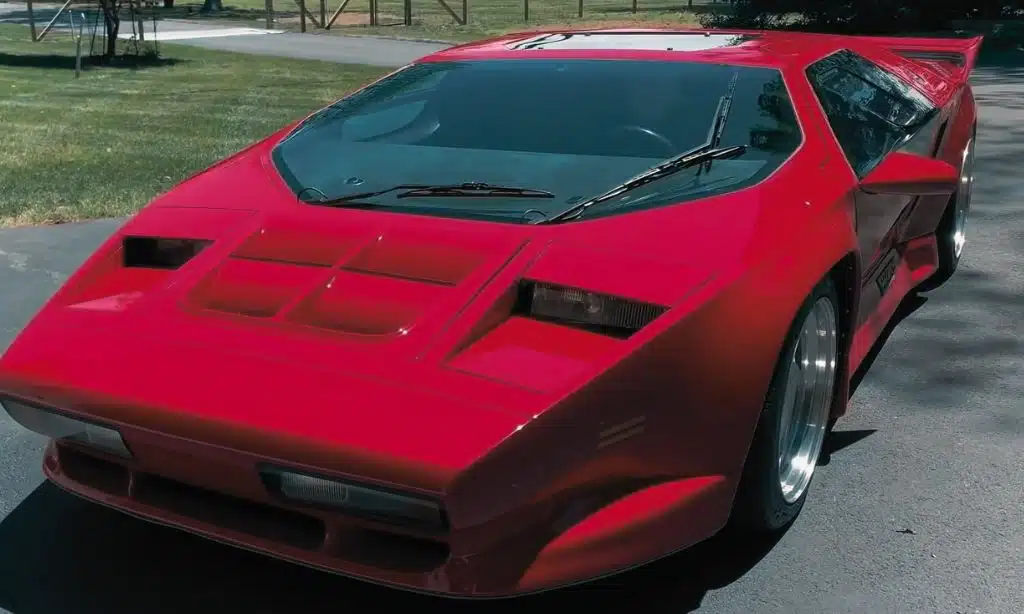
The Vector W8 was an American-made supercar that looked like it drove straight out of a sci-fi movie. With its wedge-shaped design and aircraft-inspired cockpit, the W8 was truly ahead of its time.
Key features:
- 6.0-liter twin-turbocharged V8 engine
- Claimed top speed of 242 mph (389 km/h)
- Only 17 units produced
The Vector W8’s futuristic design and impressive performance figures made it a sensation when it debuted. However, production issues and a high price tag limited its success, making it a rare sight on roads today.
2. Cizeta V16T (1991-1995)
The Cizeta V16T was an Italian supercar that boasted a unique claim to fame: a V16 engine. This audacious powerplant set it apart from its contemporaries and made it a true automotive curiosity.
Key features:
- 6.0-liter V16 engine with 540 horsepower
- 0-60 mph in 4 seconds
- Designed by Marcello Gandini, who also penned the Lamborghini Countach
Despite its impressive specs and pedigree, only a handful of Cizeta V16Ts were ever produced, making it one of the rarest supercars of the 1990s.
3. Aixam Mega Track (1995-2000)
The Aixam Mega Track was a French oddity that blurred the lines between supercar and off-road vehicle. This unusual creation aimed to offer supercar performance with the ability to tackle rough terrain.
Key features:
- 6.0-liter Mercedes-Benz V12 engine
- All-wheel drive system
- Adjustable ground clearance from 8 to 13 inches (20 to 33 cm)
The Mega Track’s unique concept didn’t catch on, and only a few were ever built. Today, it remains a quirky footnote in automotive history.
4. Venturi 400 GT (1994-1997)
Venturi was a small French manufacturer that produced some impressive sports cars in the 1990s. The 400 GT was their flagship model, offering serious performance in a sleek package.
Key features:
- 3.0-liter twin-turbocharged V6 engine with 408 horsepower
- 0-60 mph in 4.6 seconds
- Carbon fiber body panels
Despite its impressive specs and success in motorsport, Venturi struggled financially, and the 400 GT faded into obscurity.
5. Mosler MT900 (2001-2011)
The Mosler MT900 was an American-made supercar that emphasized lightweight construction and aerodynamics. It was the brainchild of Warren Mosler, an economist turned car manufacturer.
Key features:
- 5.7-liter Chevrolet V8 engine
- Carbon fiber and kevlar body
- Curb weight of just 2,500 lbs (1,134 kg)
While the MT900 found some success in racing, it never achieved widespread recognition in the supercar world. Additionally, you can also read about- Top Fastest Cars on Earth.
6. Ascari KZ1 (2003-2010)
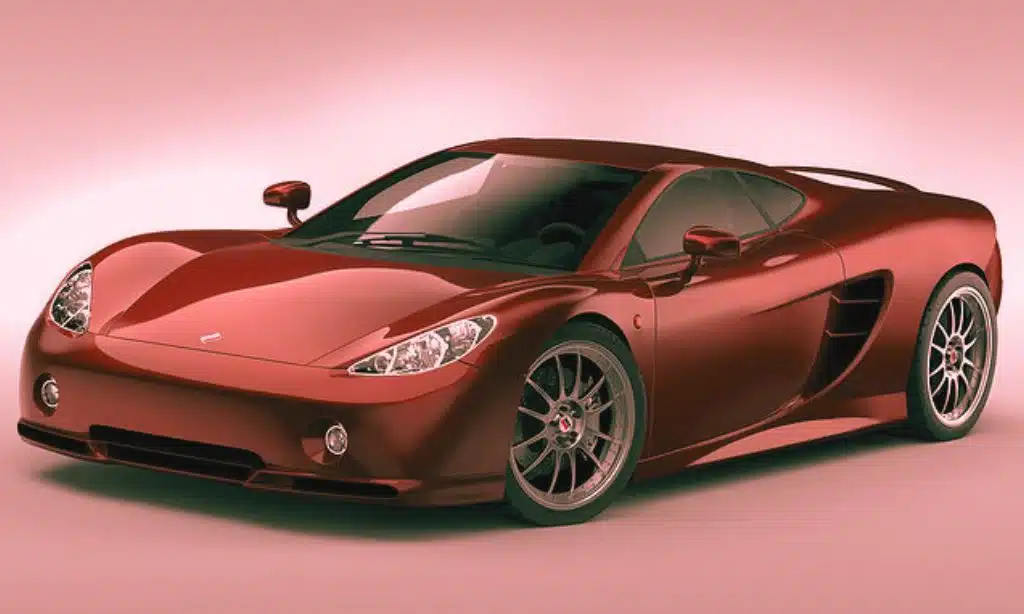
Ascari Cars, a British manufacturer named after Alberto Ascari, produced the KZ1 as their flagship model. This sleek supercar offered impressive performance in a limited production run.
Key features:
- 5.0-liter BMW V8 engine with 500 horsepower
- 0-60 mph in 3.7 seconds
- Limited to 50 units
Despite positive reviews, the Ascari KZ1 struggled to make a lasting impact in the competitive supercar market.
7. Spyker C8 (2000-2012)
Dutch manufacturer Spyker created the C8 as a tribute to their aviation heritage. The result was a uniquely styled supercar with an aircraft-inspired interior.
Key features:
- 4.2-liter Audi V8 engine
- Exposed gear linkage
- Handcrafted aluminum body
While Spyker gained some notoriety through their brief foray into Formula 1, the C8 remains a relatively unknown supercar to many enthusiasts.
8. Gumpert Apollo (2005-2012)
The Gumpert Apollo was a German supercar that prioritized function over form. Its unconventional looks hid a seriously capable performance machine.
Key features:
- 4.2-liter twin-turbocharged Audi V8 engine
- 0-60 mph in 3.0 seconds
- Extensive use of aerodynamics for downforce
Despite setting impressive lap times at racetracks, Gumpert faced financial difficulties, and the Apollo never achieved mainstream success.
You May Find Interest: Most Expensive Cars in the World
9. Bristol Fighter (2004-2011)
British luxury car manufacturer Bristol Cars took a rare foray into the supercar world with the Fighter. This distinctive GT combined classic styling with modern performance.
Key features:
- 8.0-liter V10 engine from the Dodge Viper
- Claimed top speed of 210 mph (338 km/h)
- Gull-wing doors
The Fighter’s limited production and Bristol’s niche status meant that this unique supercar flew under the radar for many enthusiasts.
10. Laraki Fulgura (2002-2008)
The Laraki Fulgura was Morocco’s attempt at entering the supercar market. Based on the chassis of a Lamborghini Diablo, it showcased distinctive styling and ambitious performance goals.
Key features:
- 6.0-liter Mercedes-Benz V12 engine
- Planned top speed of 219 mph (352 km/h)
- Carbon fiber body
Unfortunately, the Fulgura never moved beyond the prototype stage, making it one of the most obscure supercars on our list.
Takeaway
These ten supercars serve as a reminder that the automotive world is full of hidden gems and fascinating stories. While they may not have achieved the lasting fame of their more popular counterparts, each of these vehicles represents a unique vision and a piece of automotive history.
From the aircraft-inspired Vector W8 to the off-road capable Aixam Mega Track, these forgotten supercars showcase the diversity and innovation present in the high-performance automobile market. They remind us that for every household name in the supercar world, there are numerous other impressive machines pushing the boundaries of what’s possible on four wheels.