

Cars are full of myths and misunderstandings. You might have heard lots of advice about cars that isn’t true. These wrong ideas can cost you money and cause problems with your vehicle. It’s important to know what’s real and what’s not when it comes to your car.
Let’s look at some common car myths. Many people believe things about fuel, maintenance, and safety that just aren’t correct. We’ll show you why these ideas are wrong and give you the real facts. This will help you take better care of your car and drive more safely.
1. Electric Cars Have No Range
You might have heard that electric cars can’t go very far. This idea is outdated. Modern electric vehicles (EVs) can travel long distances on a single charge.
Many EVs can now go over 200 miles before needing a recharge. Some can even go 300 or 400 miles. This is plenty for most daily driving needs.
Charging stations are becoming more common too. You can find them at shopping centers, restaurants, and along highways. This makes it easier to take longer trips in an EV.
EV range is always improving. New battery technology is helping cars go even farther. Some high-end models can already travel over 500 miles on one charge.
For most people, range isn’t a problem anymore. The average person drives less than 40 miles per day. Even older EVs can handle this easily.
If you’re worried about range, there are options. Some EVs come with bigger batteries for longer trips. Others have fast-charging abilities to get you back on the road quickly.
The myth of poor EV range is just that – a myth. Today’s electric cars can take you where you need to go without worry.
2. Premium Fuel Equals Better Performance
Many drivers think using premium fuel will boost their car’s performance. This is not always true. Most modern cars don’t need premium gas to run well.
Premium fuel has a higher octane rating. But this only matters for certain engines. Most cars are made to use regular gas. Using premium won’t make them faster or more powerful.
Your car’s manual will tell you what fuel to use. If it says regular is fine, that’s all you need. Putting in premium won’t help and will just cost you more money.
Some high-end sports cars do require premium fuel. For these vehicles, it can improve performance. But for most everyday cars, it makes no difference.
Using premium gas in a car that doesn’t need it is a waste. It won’t clean your engine or make it last longer. Save your money and stick to the fuel your car is designed for.
3. Red Cars Get More Speeding Tickets
You’ve probably heard this one before. Red cars get more speeding tickets, right? Wrong! This is a myth that’s been around for years, but it’s not based on facts.
Studies show that white cars actually get pulled over the most. Red comes in second place. But color isn’t the main factor in getting a ticket.
Your driving behavior matters much more than your car’s color. If you speed or drive recklessly, you’re more likely to get pulled over. It doesn’t matter if your car is red, blue, or purple.
Some people think cops notice red cars more easily. But police look for speeding and unsafe driving, not specific colors.
The type of car you drive can play a role too. Fast sports cars tend to get more tickets. This is because their drivers often go over the speed limit.
So don’t worry about your red car drawing extra attention. Focus on safe driving instead. Follow traffic laws and you’ll reduce your chances of getting a ticket, no matter what color your car is.
Remember, it’s not about the paint job. It’s about how you drive. Stay safe on the roads and you’ll be fine, regardless of your car’s color.
4. Manual Transmissions Are Always Faster
You might have heard that manual transmissions make cars faster. This idea has been around for a long time. But is it really true?
In the past, manual cars often were quicker. They let drivers shift gears at the perfect moment. This gave them an edge in speed.
But times have changed. Today’s automatic transmissions are very advanced. They can shift gears faster than most people.
Many new sports cars now come with automatic transmissions only. Car makers know these can perform better than manuals.
Some high-end automatics even have special modes for racing. These can outperform manual transmissions on the track.
For everyday driving, the difference is even smaller. Most drivers won’t notice any speed advantage with a manual.
Your driving skill matters more than the type of transmission. A good driver with an automatic can often beat an average driver with a manual.
So while manuals can be fun to drive, they’re not always faster. The myth of manual supremacy in speed is outdated.
5. SUVs Are Safer Than Sedans
Many people think SUVs are always safer than sedans. But this isn’t always true. Safety depends on many factors, not just vehicle size.
SUVs do have some safety advantages. They’re bigger and heavier, which can help in crashes with smaller cars. Their higher ride height gives drivers a better view of the road.
But SUVs also have drawbacks. They’re more likely to roll over because of their higher center of gravity. This can be dangerous in certain accidents.
Sedans have their own safety benefits. They’re often more stable and easier to control. This can help avoid accidents in the first place.
Modern safety features matter more than vehicle type. Things like airbags, anti-lock brakes, and electronic stability control make a big difference. These features are found in both SUVs and sedans.
Crash test results show that many sedans perform just as well as SUVs in safety tests. Some even do better in certain types of crashes.
Your driving habits and skills are also crucial for safety. No matter what you drive, being alert and following traffic rules is key.
When choosing a vehicle, look at specific safety ratings rather than assuming one type is always safer. Both SUVs and sedans can be safe choices if they’re well-designed and properly maintained.
6. Engine Braking Harms Your Engine

Engine braking is a safe way to slow down your car. It doesn’t hurt your engine at all. In fact, it can be good for your vehicle.
When you use engine braking, you’re letting the engine slow the car down. This happens when you take your foot off the gas pedal. The engine keeps turning, but it’s not getting fuel.
Your car’s brakes don’t have to work as hard when you use engine braking. This can make your brake pads last longer. It’s especially helpful when going down long hills.
Some people think engine braking is bad because it makes noise. But that noise doesn’t mean damage is happening. It’s just the sound of the engine working differently.
Engine braking can actually save you money. You use less fuel and your brakes don’t wear out as fast. It’s a smart driving technique that’s good for your car.
You can use engine braking in both manual and automatic cars. It’s a skill that can make you a better driver. Try it next time you need to slow down. You’ll see it’s not harmful at all.
7. Luxury Cars Have Better Safety
You might think luxury cars are always safer than regular cars. This isn’t always true. Safety depends on many things, not just the price tag.
Luxury cars often have new safety tech. Things like automatic braking and lane-keeping assist. But many affordable cars now have these features too.
Car safety ratings don’t care about price. They look at how well a car protects people in crashes. Many non-luxury cars get top safety scores.
Size and weight matter for safety. Bigger cars tend to do better in crashes. But not all luxury cars are big. Some small luxury cars may be less safe than larger non-luxury vehicles.
Safety also depends on the driver. Good driving habits and following traffic rules are key. These matter more than having an expensive car.
When you’re shopping, check safety ratings for all cars. Don’t assume a higher price means better protection. Look at crash test results and available safety features instead.
8. Bigger Engines Mean More Power
Many people think a bigger engine always means more power. This isn’t always true. Engine size is just one part of the power equation.
Modern technology has changed the game. Smaller engines can now produce impressive power. Turbochargers and advanced fuel injection systems make this possible.
A well-designed 2.0-liter engine might outperform a larger 3.0-liter one. It’s all about efficiency and how the engine is built.
Smaller engines can be lighter too. This helps with overall vehicle performance. You might get better handling and fuel economy with a smaller, more powerful engine.
Don’t judge an engine by its size alone. Look at horsepower and torque figures instead. These numbers tell you more about real-world performance.
Remember, power-to-weight ratio matters. A smaller, powerful engine in a light car can feel faster than a big engine in a heavy vehicle.
Next time you’re shopping for a car, don’t assume bigger is better. Consider all factors to find the right balance of power and efficiency for your needs.
9. Winter Tires Are Only for Snow
Winter tires are useful for more than just snowy conditions. They help you drive safely in cold weather, even when roads are dry.
Winter tires are made of special rubber that stays flexible in cold temperatures. This gives you better traction on cold roads. Regular tires get stiff and slippery when it’s cold outside.
The tread on winter tires is designed to grip ice and slush, not just snow. This helps prevent skidding on icy patches or slushy roads.
Winter tires can improve your stopping distance on cold roads by up to 30%. This could mean the difference between avoiding an accident or not.
You should use winter tires when temperatures regularly drop below 45°F (7°C). The rubber compound works best in these cold conditions, even without snow.
Many areas have laws requiring winter tires during certain months. This is because they make driving safer in all cold weather, not just in snow.
Winter tires also help with acceleration and turning on cold roads. You’ll have better control of your car in all winter driving situations.
Don’t wait for snow to switch to winter tires. Put them on when temperatures start dropping in fall. You’ll be safer on the road all winter long.
10. You Must Change Oil Every 3,000 Miles
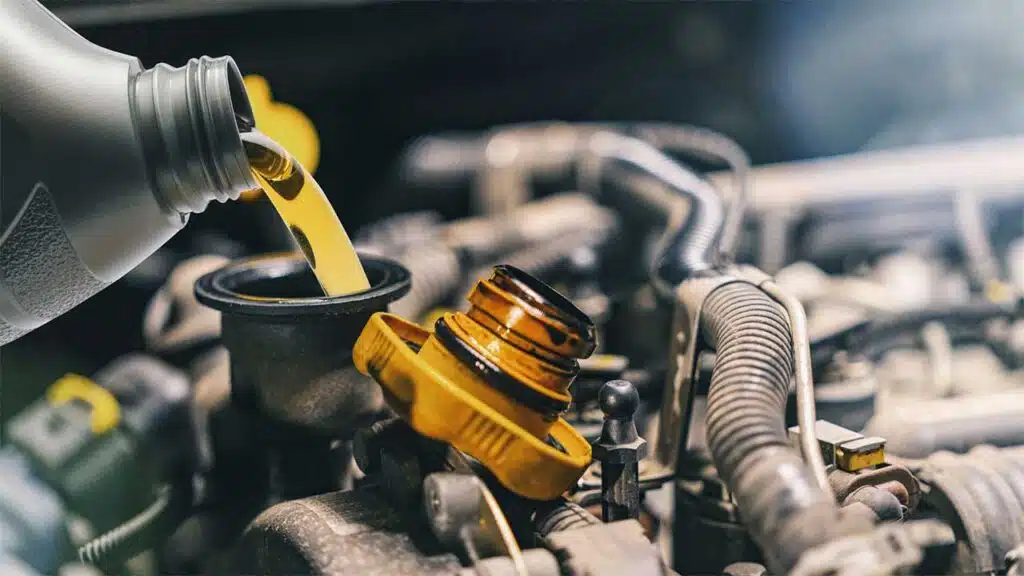
The 3,000-mile oil change rule is outdated. Many car owners still believe this myth, but it’s no longer true for most modern vehicles.
Today’s engines are more efficient. They’re built to higher standards and use better materials. This means they don’t wear out oil as quickly as older engines did.
Modern motor oils have improved too. They’re designed to last longer and protect engines better. Synthetic oils especially can go much further between changes.
Most car makers now recommend oil changes every 5,000 to 7,500 miles. Some even suggest intervals up to 10,000 miles for certain models.
You should check your owner’s manual for the right schedule. It will give you the best advice for your specific car.
Changing oil too often wastes money and resources. It doesn’t give extra protection to your engine.
Of course, some cars still need more frequent changes. This includes older vehicles or those driven in harsh conditions.
The key is to know your car and how you use it. Follow the manufacturer’s guidelines, not an old rule of thumb.
Debunking Driving Myths
Car myths can lead to costly mistakes. Let’s clear up some common misconceptions about driving and vehicles.
Manual vs. Automatic Transmission Efficiency
Many think manual transmissions are always more fuel-efficient than automatics. This isn’t true anymore. Modern automatics often match or beat manuals in fuel economy.
New automatics have more gears and smart computers. They shift at the right times to save gas. Some can even predict hills and traffic.
Manuals can still be fun to drive. But they’re not always better on gas. Your driving style matters more than transmission type for fuel savings.
Choose the transmission you enjoy driving. Both types can be efficient when used properly.
Myths About Hybrid Cars
Hybrid cars face many myths. Let’s set the record straight.
Myth: Hybrids are slow. Truth: Many hybrids offer quick acceleration. Electric motors provide instant torque.
Myth: Hybrid batteries don’t last. Truth: Most hybrid batteries last the life of the car. Many come with long warranties.
Myth: Hybrids cost too much to maintain. Truth: Hybrids often need less maintenance than regular cars. They have fewer moving parts.
Myth: Hybrids are only good for city driving. Truth: Many hybrids perform well on highways too. They can switch between gas and electric power for efficiency.
Final Thoughts
Automotive myths can be misleading and costly, often steering drivers away from making informed decisions about their vehicles.
By debunking these common misconceptions, we can better understand our cars and make choices that benefit both our wallets and driving experience.
From the true range of electric vehicles to the outdated belief in the superiority of manual transmissions, it’s clear that many of these myths are rooted in past truths that no longer apply to modern automotive technology.
Understanding the facts allows us to take better care of our cars, optimize their performance, and drive more safely.
So the next time you hear one of these automotive myths, remember the truth behind it—and drive with confidence, knowing you’re equipped with the right knowledge.





















