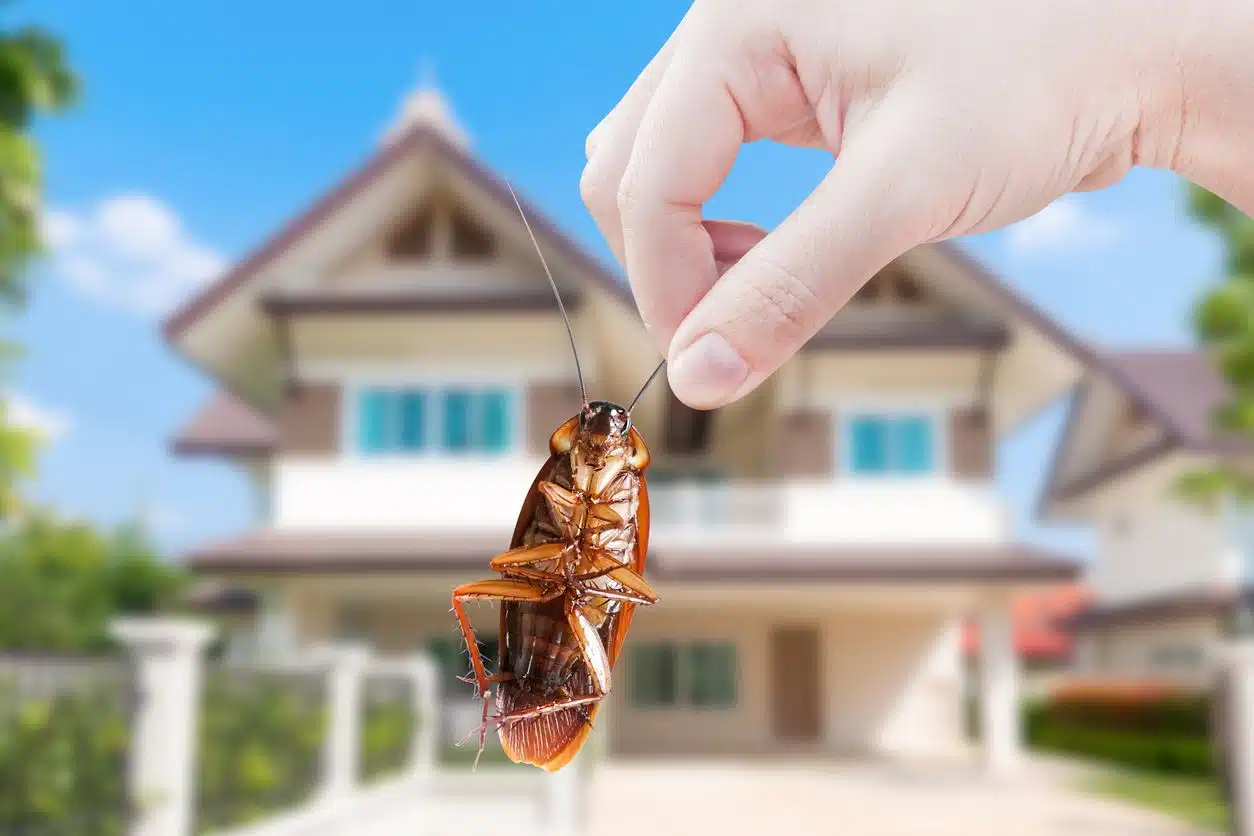
Household pests are unwelcome in many homes, causing discomfort, health risks, and potential property damage. From the tiny ant marching across the kitchen counter to the elusive bed bug hiding in your mattress, these pests can disrupt daily life in various ways.
Understanding the common pests that invade homes and implementing effective prevention strategies can significantly reduce their impact.
This article explores ten prevalent household pests, their characteristics, the problems they cause, and practical tips for keeping them at bay. By recognizing the signs of an infestation and adopting preventive measures, homeowners can maintain a healthier, more comfortable living environment.
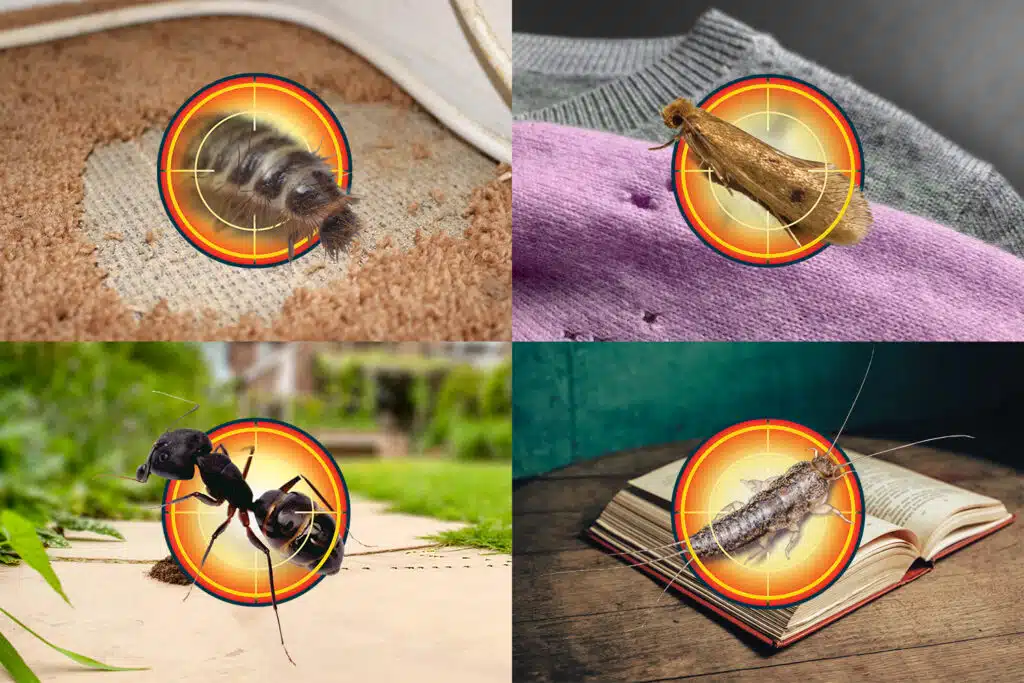
1. Ants
Ants are one of the most common household pests, known for their ability to invade homes in large numbers. They are attracted to food sources, especially sugary and greasy items. Once an ant finds a food source, it releases pheromones that guide other ants from its colony directly to it.
This can lead to a rapid and extensive infestation if not addressed. Ant trails are often visible on countertops or along floors, making tracing their path back to their entry point easy. Maintaining a clean kitchen and dining area is crucial to prevent ants.
Regularly wipe down surfaces, sweep, and vacuum to remove food crumbs and spills. Store all food items in airtight containers to deter ants from accessing them. Seal any cracks or gaps in walls, floors, and around windows and doors to block their entry points.
Additionally, placing ant baits or traps near suspected entry points can help manage and reduce ant populations. Consulting with a professional pest control service can provide a more comprehensive solution in severe cases.
2. Bed Bugs
Bed bugs are tiny, flat insects that feed on human blood, primarily at night. Itchy bites and the discovery of small blood spots on bedding indicate their presence. These pests are notoriously difficult to detect due to their ability to hide in tiny crevices, such as mattress seams, bed frames, and furniture.
Bed bugs can quickly become a severe problem if not addressed promptly. To prevent bed bugs, regularly inspect your mattress, bedding, and any cracks in furniture for signs of infestation. Washing and heat-drying your bedding and clothing regularly can kill bed bugs and their eggs.
Bed bug-proof mattress covers can help trap bed bugs inside or prevent new ones from entering. If you suspect an infestation, it’s essential to consult a professional pest control service for an effective treatment plan, as bed bugs are resistant to many over-the-counter remedies.
3. Cockroaches
Cockroaches are resilient insects that thrive in various environments, from clean homes to cluttered spaces. They are known for their ability to spread diseases and trigger allergies through their droppings, saliva, and body parts.
Cockroaches are primarily attracted to food and moisture, making kitchens and bathrooms their favorite places. They can survive without food for weeks but only a few days without water. Maintaining cleanliness is crucial to preventing cockroaches.
Regularly clean surfaces, remove food scraps and fix any leaks to eliminate moisture sources. Store food in sealed containers and promptly clean up spills and crumbs. Using cockroach baits or traps can help monitor and reduce their numbers.
Professional pest control services are recommended for severe infestations to ensure thorough eradication, as cockroaches can resist some home remedies.
4. Fleas
Fleas are small, blood-sucking insects that often hitch rides on pets and can quickly become a problem in homes with animals. They cause itching and discomfort for both pets and humans and can transmit diseases and parasites.
Fleas reproduce rapidly, with a single female laying up to 50 eggs daily. To prevent fleas, it is essential to maintain a regular grooming routine for pets, including baths and flea treatments recommended by a veterinarian.
Regularly wash your pet’s bedding in hot water to kill fleas and their eggs. Vacuum your home frequently, paying particular attention to carpets, upholstery, and areas where pets spend time.
Using flea control products, such as topical treatments or oral medications, can help prevent and manage flea infestations. If fleas become a persistent issue, consulting a pest control professional may be necessary to address the problem effectively.
5. Mosquitoes
Mosquitoes are notorious for their itchy bites and the potential diseases they carry, such as West Nile virus and Zika virus. They breed in standing water, which makes outdoor areas like gardens and yards prime breeding grounds.
Mosquitoes are most active during dawn and dusk, making these times particularly susceptible to mosquito bites. To prevent mosquitoes, eliminate standing water around your home, including in bird baths, gutters, and flower pots.
Use mosquito repellents outdoors, and wear long-sleeved clothing to minimize exposed skin. Installing screens on windows and doors can help prevent mosquitoes from entering your home.
Consider further reducing their numbers by using mosquito nets or traps in outdoor areas. For severe mosquito problems, consulting a pest control service can provide additional solutions, such as targeted treatments to reduce mosquito populations.
6. Mice
Mice are common pests that can cause significant damage by chewing through wires, insulation, and even structural components of your home. They are also known to spread diseases and contaminate food.
Mice are attracted to food sources and shelter, making kitchens and basements common areas of concern. They can enter through tiny openings, so sealing entry points is crucial. To prevent mice, seal cracks and holes in walls, floors, and around pipes to block their access.
Store food in airtight containers and maintain a clean environment by promptly cleaning up spills and crumbs. Using mouse traps or bait stations can help monitor and control their population.
Keeping your home free of clutter can reduce potential nesting sites for mice. For persistent problems, a professional pest control service can provide a more comprehensive approach to eliminating mice from your home.
7. Rats
Rats are more significant than mice and can cause more damage due to gnawing habits. They can spread diseases, contaminate food, and damage your home’s structural elements. Like mice, rats are attracted to food and shelter, making proper sanitation and exclusion essential.
Rats can squeeze through surprisingly small openings, sealing gaps or holes in your home’s foundation, walls, and roof. It is necessary to store food in sealed containers and keep areas clean to minimize attractants.
Using rat traps or bait stations can help manage and monitor their numbers. Regularly inspect your home for signs of rat activity, such as droppings or gnaw marks, and remove potential nesting sites, such as piles of debris or overgrown vegetation.
If an infestation is severe, seeking professional pest control services can ensure effective removal and prevention.
8. Silverfish
Silverfish are small, wingless insects that thrive in humid environments. They feed on starches found in paper, books, and other household items, causing damage to valuable materials.
Silverfish are nocturnal and can be challenging to spot due to their quick, erratic movements. To prevent silverfish, keep your home dry and well-ventilated. Dehumidifiers can be used in damp areas like basements and bathrooms to reduce humidity levels—store books and paper materials in sealed containers to protect them from silverfish.
Regular vacuuming can help remove silverfish eggs and larvae from carpets and crevices. Use insecticides specifically designed for silverfish, following the manufacturer’s instructions carefully if necessary. Professional pest control services may be required for severe infestations to ensure thorough treatment and prevention.
9. Spiders
Spiders can be beneficial by controlling other insect populations, but their presence in homes can be unsettling for many people. Some spiders are venomous and can cause health issues with their bites.
Spiders prefer dark, undisturbed areas, making cluttered spaces ideal habitats. To prevent spiders, maintain a clean and clutter-free environment to minimize hiding places. Seal cracks and gaps around windows, doors, and baseboards to prevent spiders from entering your home.
Regularly remove spider webs and egg sacs to reduce their numbers. Using spider repellents or traps can help manage spider populations. For severe infestations, consider consulting a pest control professional to address the problem effectively and ensure that your home remains spider-free.
10. Termites
Termites are notorious for causing extensive damage to wooden structures by feeding on cellulose found in wood, paper, and cardboard. They can remain hidden for long periods, making early detection challenging.
Termite infestations can lead to significant structural damage if not addressed promptly. To prevent termites, conduct regular inspections for signs of activity, such as mud tubes or hollow-sounding wood.
Maintain proper ventilation and reduce moisture around your home, as termites are attracted to damp environments—store wood and other cellulose materials away from your home’s foundation to prevent access.
If you suspect a termite infestation, contact a professional pest control service for a thorough inspection and effective treatment options. Preventive treatments, such as soil treatments and barrier systems, can also help protect your home from future infestations.
Summary
Managing household pests requires vigilance and proactive measures. Homeowners can effectively prevent and control infestations by understanding the behavior and needs of pests such as ants, bed bugs, cockroaches, fleas, mosquitoes, mice, rats, silverfish, spiders, and termites.
Regular maintenance, cleanliness, and proper sealing of entry points are essential steps in keeping these pests out. While some infestations can be handled with DIY methods, severe problems may necessitate professional pest control services for comprehensive solutions.
Implementing these prevention strategies protects your home and belongings and contributes to a more comfortable and healthier living space.