

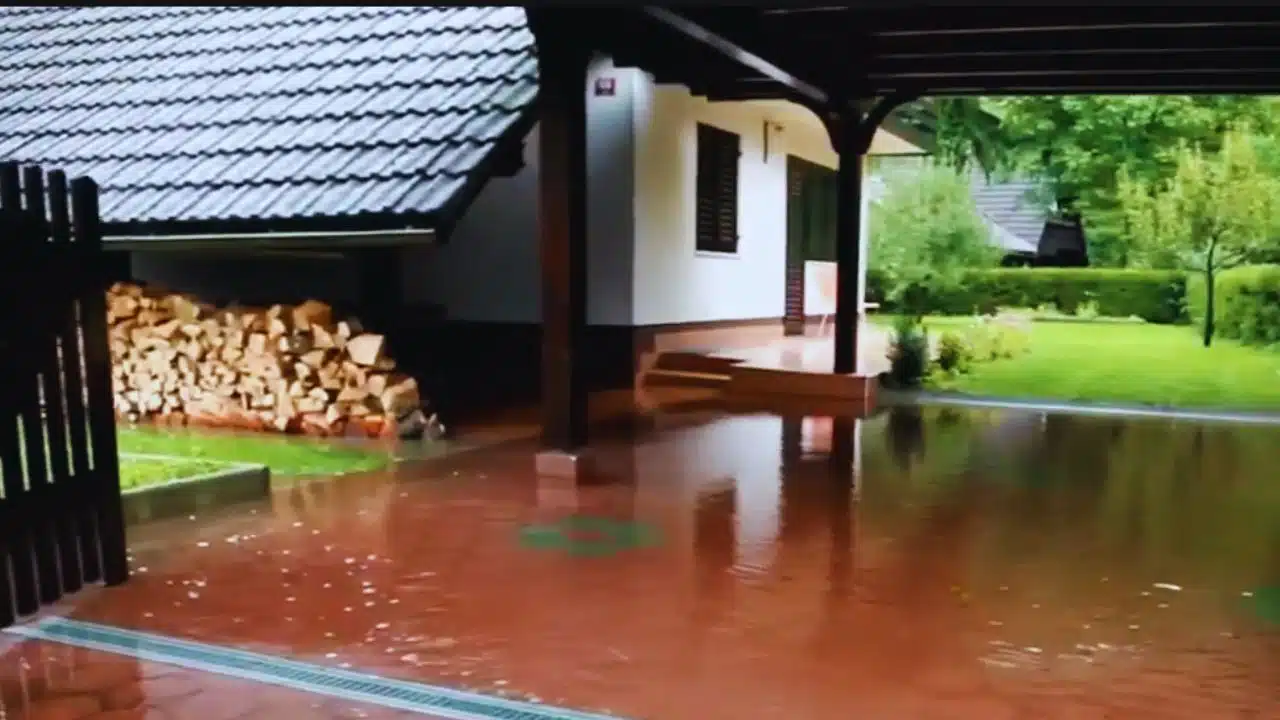
The rainy season brings much-needed water and coolness, but it also presents challenges that, if not properly prepared, can cause significant damage to your home. Getting your house ready for the rainy season involves checking various parts of your home and making necessary repairs and adjustments.
Follow these 15 detailed steps to ensure your home remains safe and dry.
1. Inspect and Clean Gutters
Importance: Gutters channel rainwater away from your home, preventing water damage to the roof, walls, and foundation.
Steps
- Remove Debris: Use a ladder to safely reach the gutters. Remove leaves, twigs, and any other debris that could cause blockages.
- Flush with Water: After cleaning, use a hose to flush the gutters and ensure water flows freely. This also helps identify any leaks or areas that need repair.
- Check Downspouts: Make sure downspouts direct water at least three feet away from your home’s foundation. Consider adding downspout extenders if necessary.
2. Check the Roof for Leaks
Importance: A leaky roof can cause water damage to your home’s interior, leading to mold growth and structural issues.
Steps
- Visual Inspection: Look for missing, cracked, or curling shingles. Pay attention to areas around chimneys, skylights, and vents.
- Check from Inside: Inspect your attic for signs of leaks, such as water stains, mold, or damp insulation.
- Hire a Professional: If you’re unsure or unable to safely inspect your roof, hire a professional roofer to perform a thorough check and make any necessary repairs.
3. Trim Overhanging Trees
Importance: Overhanging branches can break during storms, causing damage to your roof, windows, or siding.
Steps
- Identify Problematic Branches: Look for branches that are dead, diseased, or overhanging your home.
- Use the Right Tools: Use a pruning saw or shears to trim small branches. For larger branches, consider hiring a tree service to ensure safety.
- Dispose of Debris: Remove all cut branches and debris from your property to prevent clogging gutters and drains.
4. Seal Windows and Doors
Importance: Properly sealed windows and doors prevent water from seeping into your home, reducing the risk of water damage and improving energy efficiency.
Steps
- Inspect Seals: Check the seals around windows and doors for cracks or gaps. Pay special attention to areas where different materials meet.
- Replace Weatherstripping: If weatherstripping is worn out, remove the old material and replace it with new weatherstripping.
- Use Caulk: Apply a high-quality exterior caulk to seal any gaps around windows and doors. Smooth the caulk with a caulk finishing tool for a clean finish.
5. Inspect and Repair the Foundation
Importance: Cracks in your foundation can allow water to enter your basement or crawl space, leading to flooding and structural damage.
Steps
- Inspect for Cracks: Walk around your home’s exterior and check for any cracks in the foundation.
- Seal Small Cracks: Use a concrete patching compound to seal small cracks. Apply the compound with a putty knife and smooth it out.
- Address Larger Issues: For larger cracks or signs of significant foundation damage, consult a professional to assess and repair the problem.
6. Check the Sump Pump
Importance: A working sump pump helps keep your basement dry by pumping out excess water that accumulates during heavy rains.
Steps
- Test the Pump: Pour a bucket of water into the sump pit to ensure the pump activates and removes the water.
- Inspect the Power Source: Make sure the sump pump is plugged in and that the outlet is functional. Consider installing a battery backup system in case of power outages.
- Clean the Pump: Remove any debris from the sump pit and clean the pump inlet screen to ensure proper operation.
7. Clean Drains and Downspouts
Importance: Clear drains and downspouts help direct water away from your home, reducing the risk of flooding and water damage.
Steps
- Inspect Drains: Check all outdoor drains for blockages. Use a drain snake or hose to clear any clogs.
- Check Downspouts: Ensure downspouts are securely attached and directing water away from your foundation. Clean out any debris that may be causing blockages.
- Install Screens: Consider installing gutter screens or guards to keep debris out and reduce the frequency of cleaning.
8. Install a Rain Barrel
Importance: Rain barrels collect rainwater from your roof, reducing runoff and providing a free source of water for gardening and other uses.
Steps
- Choose a Location: Place the rain barrel under a downspout, near your garden or other areas where you plan to use the collected water.
- Install Diverter: Attach a diverter to the downspout to direct water into the rain barrel. Make sure the diverter has an overflow system to prevent flooding.
- Maintain the Barrel: Keep the rain barrel covered to prevent mosquitoes and debris from entering. Clean the barrel periodically to remove any buildup.
9. Inspect the Attic
Importance: A well-insulated and ventilated attic prevents moisture buildup, which can lead to mold and structural damage.
Steps
- Check for Leaks: Look for signs of water damage, such as stains, damp insulation, or mold. Address any leaks immediately.
- Improve Ventilation: Ensure your attic has proper ventilation to prevent condensation. Install vents if necessary.
- Add Insulation: If your attic insulation is insufficient, add more to help regulate temperature and reduce the risk of moisture problems.
10. Secure Outdoor Furniture
Importance: Securing outdoor furniture and decorations prevents them from becoming dangerous projectiles during storms.
Steps
- Bring Inside: Whenever possible, bring outdoor furniture, decorations, and equipment inside before a storm.
- Secure with Straps: Use bungee cords or furniture straps to secure larger items that cannot be moved inside.
- Store in a Safe Place: If you have a shed or garage, store outdoor items there during the rainy season.
11. Check the Landscaping
Importance: Proper landscaping helps direct water away from your home, reducing the risk of flooding and water damage.
Steps
- Slope Away from Home: Ensure the ground around your home slopes away from the foundation. Add soil if necessary to create a gentle slope.
- Install French Drains: Consider installing French drains in areas where water tends to pool. These drains help channel water away from your home.
- Use Mulch: Apply mulch to garden beds to help absorb rainwater and prevent erosion.
12. Prepare an Emergency Kit
Importance: An emergency kit ensures you have essential supplies on hand during power outages or severe weather events.
Steps:
- Gather Supplies: Include flashlights, batteries, a first aid kit, non-perishable food, bottled water, a battery-powered radio, and necessary medications.
- Store in Accessible Location: Keep your emergency kit in a location that is easy to access during an emergency.
- Update Regularly: Check your kit regularly and replace any expired items.
13. Test Your Backup Generator
Importance: A backup generator provides power during outages, ensuring essential systems like your sump pump and refrigerator continue to operate.
Steps
- Perform Routine Maintenance: Follow the manufacturer’s maintenance schedule, including oil changes and filter replacements.
- Test Regularly: Run your generator periodically to ensure it is in working order. Check fuel levels and refill as needed.
- Store Safely: Keep your generator in a dry, well-ventilated area. Ensure you have sufficient fuel stored safely away from the house.
14. Inspect Electrical Systems
Importance: Ensuring your electrical systems are safe and secure helps prevent electrical fires and damage during the rainy season.
Steps
- Check Outdoor Outlets: Ensure all outdoor electrical outlets are covered with weatherproof covers.
- Inspect Wiring: Look for any exposed or damaged wiring and repair or replace it as necessary.
- Install Surge Protectors: Use surge protectors to protect your electronic devices from power surges caused by lightning.
15. Get Insurance Ready
Importance: Reviewing your homeowner’s insurance policy ensures you have adequate coverage for water damage and other weather-related issues.
Steps
- Review Policy: Check your current insurance policy to understand what is covered and identify any gaps in coverage.
- Update Coverage: If necessary, update your policy to include flood insurance or additional coverage for water damage.
- Document Valuables: Take photos or videos of your home’s interior and valuables to have a record for insurance claims.
Takeaways
Preparing your house for the rainy season is crucial to protect your home and ensure the safety of your family. By following these 15 detailed steps, you can minimize the risk of damage and enjoy the rainy season with peace of mind. Regular maintenance and timely repairs will help keep your home in good condition, regardless of the weather.






















