

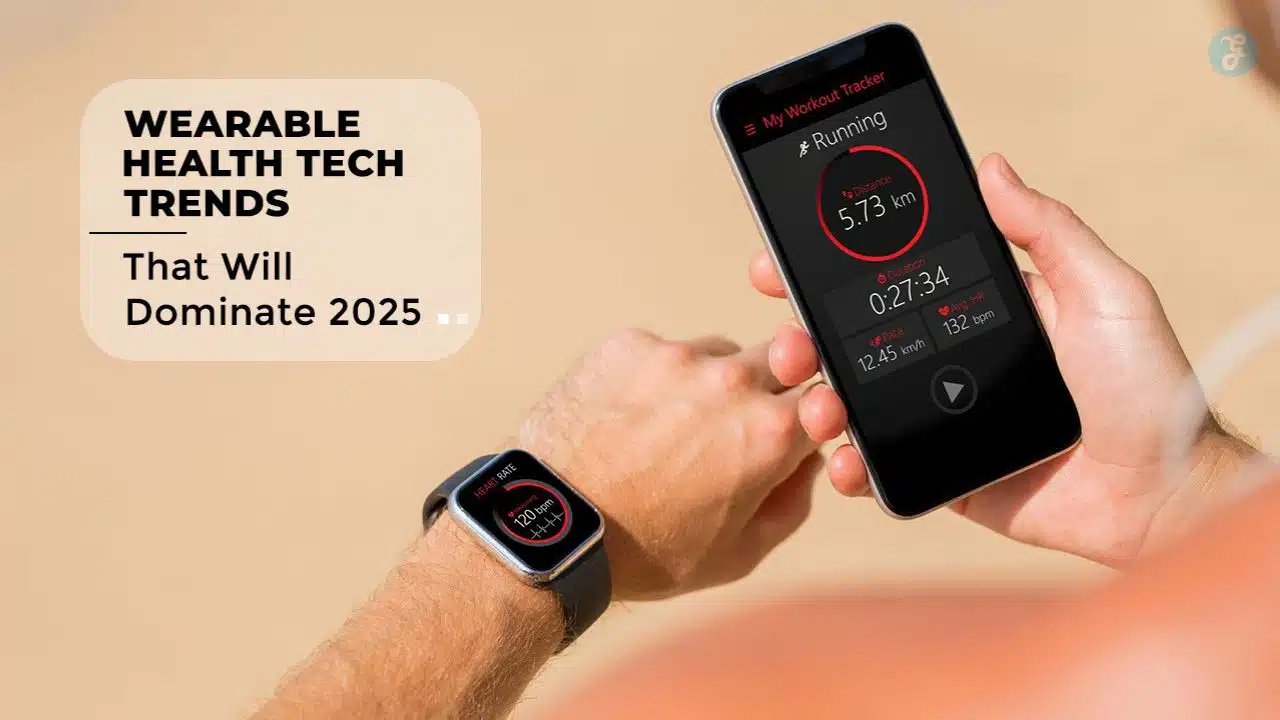
Wearable health technology is no longer just a futuristic concept—it’s a thriving industry transforming how we monitor and improve our well-being.
In recent years, wearable health tech has evolved from simple step counters to sophisticated devices capable of tracking vital signs, diagnosing conditions, and enhancing mental health.
As we look ahead to 2025, this market is set to experience groundbreaking innovations that will redefine personal health management.
With wearable devices becoming more affordable and accessible, their adoption is accelerating across diverse demographics.
Whether it’s for fitness tracking, chronic disease management, or mental well-being, wearable health tech trends promise to revolutionize healthcare by putting personalized solutions within everyone’s reach.
According to recent industry reports, the global wearable technology market is projected to grow at a CAGR of 15.4%, reaching $265 billion by 2025, driven by consumer demand and technological advancements.
1. Advanced Biometric Monitoring
Advanced biometric monitoring devices are revolutionizing personal health tracking. Unlike their predecessors, these devices use cutting-edge sensors to provide real-time data on vital signs such as:
- Heart Rate Variability (HRV): Helps detect stress and potential cardiovascular issues.
- Blood Oxygen Levels: Essential for athletes and individuals with respiratory conditions.
- Stress Indicators: AI-powered analytics interpret stress triggers and provide actionable insights.
These wearables integrate machine learning to offer predictive health insights, enabling users to take preventive measures before symptoms arise.
For instance, wearable sensors can alert users to early signs of dehydration or fatigue during intense workouts.
Actionable Tips for Users
- Regularly update device firmware for the latest features.
- Pair your wearable with a companion app for detailed analytics and recommendations.
- Use insights from HRV and stress monitoring to plan recovery days or adjust your fitness routine.
Use Cases and Benefits
Biometric wearables cater to various needs:
- Chronic Disease Management: Devices like the Apple Watch monitor irregular heart rhythms and alert users to potential issues.
- Enhanced Fitness Tracking: Garmin and Fitbit devices deliver personalized fitness insights.
- Early Detection: AI-powered wearables identify subtle changes in health metrics to predict illnesses like arrhythmias or hypoxemia.
Real-Life Insight
Jane, a marathon runner, discovered early signs of overtraining through her wearable’s HRV tracking.
By adjusting her training intensity and focusing on recovery, she avoided burnout and improved her performance.
Top Devices to Watch in 2025
| Device | Features | Price Range |
| Apple Watch 10 | Blood pressure monitoring, ECG tracking | $399-$499 |
| Fitbit Sense 3 | Advanced stress management tools | $299-$399 |
| Garmin Venu 3 | Fitness-focused with VO2 Max insights | $349-$449 |
2. Wearables for Mental Health
Mental health-focused wearables are gaining momentum. Devices now feature:
- Breathing Exercises: Guided routines for stress relief.
- Mood Tracking: AI algorithms analyze behavioral patterns to suggest coping strategies.
- Biofeedback Sensors: Measure physiological responses to stress.
Sleep Tracking Enhancements
Accurate sleep tracking is another critical feature in mental health wearables.
Devices such as Oura Ring and Whoop provide in-depth insights into sleep cycles, REM sleep, and overall sleep quality, enabling users to optimize rest.
Emerging technologies also incorporate light and sound therapy to improve sleep patterns.
Actionable Tips for Users
- Use your wearable’s bedtime reminders to establish a consistent sleep schedule.
- Pair sleep data with meditation apps like Calm for enhanced relaxation.
- Monitor stress patterns and practice mindfulness exercises during high-stress periods.
Real-Life Applications
- Workplace Wellness: Wearables help employees manage stress and improve productivity.
- Therapeutic Support: Devices like Muse provide meditation guidance tailored to individual stress levels.
| Device | Special Features | Price Range |
| Oura Ring Gen 4 | Comprehensive sleep analysis | $299-$399 |
| Muse S Headband | Personalized meditation sessions | $349-$399 |
| Whoop 5.0 | In-depth recovery and stress tracking | $239/year |
3. Wearable Tech for Elderly Care

Wearables designed for elderly care offer peace of mind to caregivers and independence to users. Key features include:
- Real-time tracking of heart rate and activity levels.
- GPS tracking for individuals prone to wandering.
- Medication reminders integrated with smartphone alerts.
These devices not only promote safety but also empower seniors to live independently, with caregivers gaining remote access to vital health data.
Actionable Tips for Caregivers
- Choose devices with user-friendly interfaces for seniors.
- Regularly test GPS and emergency response features.
- Integrate health data with caregiver platforms for streamlined monitoring.
Fall Detection and Emergency Response
Fall detection is a game-changer for senior safety.
Devices like the Philips Lifeline Smartwatch automatically alert emergency contacts in case of a fall, ensuring prompt assistance.
Emerging products also use machine learning to predict fall risks based on gait analysis.
Market Growth and Adoption Rates
The demand for elderly-focused wearables is growing rapidly. By 2025, the global market for elder care wearables is projected to exceed $10 billion, driven by an aging population and increased awareness of health technology.
| Feature | Example Device | Key Benefit |
| Fall Detection | Philips Lifeline Watch | Emergency response for seniors |
| GPS Tracking | Lively Mobile Plus | Independence and caregiver support |
| Medication Reminders | MedMinder Smartwatch | Adherence to treatment plans |
4. Fitness-Focused Wearables
Fitness wearables in 2025 will leverage AI to create customized fitness programs based on user goals, activity levels, and health metrics.
These plans adjust dynamically, ensuring workouts remain challenging yet achievable.
Actionable Tips for Users
- Set specific fitness goals in your wearable’s app for tailored workout suggestions.
- Join community challenges to stay motivated.
- Use data integration features to track progress across platforms.
Wearables and Gamification
Gamified fitness wearables make exercising fun and engaging. Brands like Fitbit incorporate challenges and virtual rewards to motivate users.
For example, Fitbit’s community-based challenges allow users to compete with friends for activity milestones.
Data Integration with Health Apps
Seamless integration with health platforms like MyFitnessPal and Google Fit enhances user experience, allowing comprehensive tracking of nutrition, activity, and progress.
Advanced analytics also provide deeper insights into workout efficiency and calorie burn.
| Device | Notable Features | Price Range |
| Fitbit Charge 6 | Gamified challenges | $159-$199 |
| Polar Vantage M2 | Advanced training metrics | $279-$329 |
| Coros Pace 3 | Multi-sport tracking features | $199-$249 |
5. Healthcare Wearables in Clinical Trials
Wearables are transforming clinical trials by providing real-time data from participants. This reduces the need for frequent site visits and ensures accurate reporting.
These devices enable the collection of large datasets, which enhances the validity of trial outcomes.
Actionable Tips for Researchers
- Ensure participants are well-trained in device usage.
- Use multi-sensor wearables for comprehensive data collection.
- Incorporate feedback loops to improve participant compliance.
Enhanced Patient Participation
Remote monitoring through wearables makes it easier for diverse populations to participate in trials, thereby increasing inclusivity and data reliability.
Participants can conveniently report symptoms and adhere to protocols without leaving their homes.
Leading Examples from the Industry
| Company | Device | Application |
| BioTelemetry | Heart Monitoring Wearable | Cardiac research |
| Medtronic | Continuous Glucose Monitor | Diabetes management trials |
| Fitbit Health | Multi-Sensor Devices | General health trials |
6. Eco-Friendly and Sustainable Wearables
Wearables in 2025 will increasingly prioritize sustainability by using biodegradable materials and eco-friendly production methods.
Companies are focusing on minimizing e-waste by designing products with recyclable components.
Actionable Tips for Eco-Conscious Consumers
- Opt for brands with transparent sustainability practices.
- Recycle outdated devices through manufacturer programs.
- Consider solar-powered devices for reduced environmental impact.
Solar-Powered and Energy-Efficient Devices
Solar-powered wearables eliminate the need for frequent charging, reducing electronic waste and extending device lifespan.
These devices are particularly beneficial for outdoor enthusiasts who need longer battery life.
Consumer Demand for Green Tech
With rising environmental awareness, consumers are favoring brands that align with eco-conscious values.
Companies like Samsung and Garmin are already incorporating green practices into their product lines.
As sustainability becomes a key purchasing factor, wearable brands are expected to innovate further.
| Feature | Example Device | Key Benefit |
| Biodegradable Materials | Garmin Instinct Solar | Reduced environmental impact |
| Solar Power | Casio ProTrek Smart | Extended battery life |
| Recyclable Components | Samsung Galaxy Watch 5 | Eco-friendly design |
7. The Rise of Fashionable Wearable Tech
Wearables are no longer purely utilitarian. Fashion-forward designs ensure these devices complement the personal style.
Sleek designs, customizable straps, and color options make wearables more appealing to consumers who value aesthetics.
Actionable Tips for Style Enthusiasts
- Look for devices with interchangeable straps to match different outfits.
- Explore collaborations between tech and fashion brands for unique designs.
- Prioritize comfort alongside style when choosing wearable tech.
Partnerships Between Fashion and Tech Brands
Collaborations between tech giants and luxury brands, such as Google and Louis Vuitton, are producing wearables that combine aesthetics with functionality.
These partnerships cater to consumers looking for premium, stylish technology.
Key Examples to Look for in 2025
| Device | Special Features | Price Range |
| Huawei Watch GT Elegant | Sleek and modern design | $299-$399 |
| Bellabeat Leaf Urban | Stylish wellness tracker | $119-$199 |
| Tag Heuer Connected Calibre | Luxury smartwatch | $1,800-$2,500 |
Takeaway
The 7 Wearable Health Tech Trends highlighted in this article showcase the immense potential of wearable devices to revolutionize healthcare in 2025 and beyond.
From advanced biometric monitoring to fashionable designs, these innovations cater to diverse needs while enhancing the overall user experience.
Practical applications, like chronic disease management and elderly care, underline the life-changing impact of these devices.
























