

The print-on-demand (POD) industry has revolutionized e-commerce, enabling entrepreneurs to sell custom-designed products without the need for large inventories.
Whether you’re looking to sell t-shirts, mugs, books, or wall art, partnering with a reliable print-on-demand company is crucial for ensuring quality, fast delivery, and customer satisfaction.
In this article, we explore the top 10 print-on-demand companies in the USA, highlighting their services, product offerings, and pricing to help you choose the perfect partner for your business.
1. Printful
Printful is one of the most popular and versatile print-on-demand companies in the USA. It offers a wide range of customizable products and seamless integrations with major e-commerce platforms.
Key Features
- Product Range: T-shirts, hoodies, mugs, phone cases, posters, tote bags, and more.
- Integrations: Shopify, Etsy, WooCommerce, Amazon, eBay, and more.
- Mockup Generator: Easy-to-use design tool for creating custom product visuals.
- Global Fulfillment: Warehouses in the USA, Europe, and Asia for fast shipping.
Pricing
No subscription fees; you only pay for the products you sell.
Why Choose Printful?
Printful stands out for its high-quality printing, robust integrations, and global reach, making it an excellent choice for entrepreneurs targeting international markets.
2. Printify
Printify is another leading POD company offering a vast network of print providers. This flexibility allows you to choose the best provider based on location, price, and quality.
Key Features
- Product Range: Over 500 products, including apparel, accessories, and home decor.
- Multiple Providers: Compare printing costs and shipping times.
- Integrations: Compatible with Shopify, Etsy, Wix, and more.
- Premium Plan: Offers discounts on products for a monthly subscription fee.
Pricing
Free to use; Premium Plan costs $29/month for additional discounts.
Why Choose Printify?
Printify’s extensive product catalog and provider options make it ideal for sellers looking for competitive pricing and customization.
3. Teespring (now Spring)

Teespring, now rebranded as Spring, focuses on creators and influencers who want to monetize their audiences with custom merchandise.
Key Features
- Product Range: Apparel, stickers, phone cases, wall art, and more.
- Creator Tools: Built-in marketing tools and storefront setup.
- No Upfront Costs: Only pay after a sale is made.
- Global Reach: Ships to over 180 countries.
Pricing
Completely free; Spring takes a portion of each sale.
Why Choose Spring?
Spring is perfect for influencers and content creators who want an all-in-one platform for designing, selling, and promoting their custom products.
4. Gooten
Gooten is known for its reliable print-on-demand services and diverse product catalog, catering to businesses of all sizes.
Key Features
- Product Range: Over 150 products, including apparel, accessories, and home goods.
- Automated Order Fulfillment: Streamlined process from order placement to shipping.
- Custom API: For businesses looking to integrate POD into their systems.
- No Minimum Orders: Order as little as one item.
Pricing
Free to use; pay only for products sold.
Why Choose Gooten?
Gooten’s reliability and scalability make it an excellent choice for businesses looking for consistency and automation in their operations.
5. Zazzle
Zazzle allows sellers to create custom products and tap into a built-in marketplace of millions of shoppers.
Key Features
- Product Range: Apparel, art prints, invitations, and more.
- Designer Community: Sell designs directly on Zazzle’s marketplace.
- Customization Options: Extensive design tools for creating unique products.
- Partnership Opportunities: Collaborate with brands and customers.
Pricing
Free to join; Zazzle takes a percentage of sales.
Why Choose Zazzle?
If you want a platform with built-in traffic and marketing, Zazzle offers an excellent opportunity for designers and entrepreneurs.
6. Redbubble
Redbubble is a POD marketplace that connects artists and designers with customers looking for unique, creative products.
Key Features
- Product Range: Stickers, clothing, home decor, phone cases, and more.
- Artist-Friendly: Supports independent creators with fair profit margins.
- Global Reach: Ships to over 200 countries.
- Marketing Tools: Built-in tools for promoting your designs.
Pricing
Free to use; Redbubble takes a commission on sales.
Why Choose Redbubble?
Redbubble is ideal for artists who want a hands-off approach to selling their designs without managing logistics.
7. CafePress
CafePress is a pioneer in the print-on-demand space, offering a wide range of customizable products and a user-friendly platform.
Key Features
- Product Range: Clothing, drinkware, home decor, stationery, and more.
- Marketplace Exposure: List your designs on CafePress’s marketplace.
- Customization Tools: Easy-to-use design tools for beginners.
- No Upfront Costs: Pay only for items sold.
Pricing
Free to join; CafePress takes a percentage of sales.
Why Choose CafePress?
CafePress’s long-standing reputation and marketplace exposure make it a reliable choice for new POD sellers.
8. CustomCat
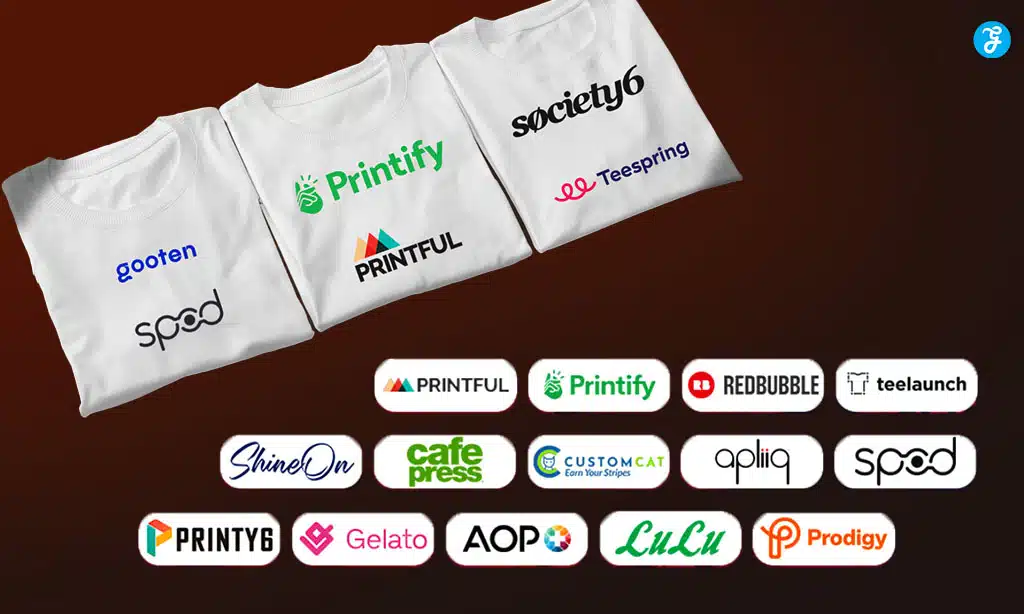
CustomCat offers high-quality printing services and fast turnaround times, making it a favorite among apparel sellers.
Key Features
- Product Range: Focused on apparel, including t-shirts, hoodies, and hats.
- Fast Fulfillment: Most orders ship within 2-3 days.
- Integrations: Compatible with Shopify, WooCommerce, and other platforms.
- Bulk Discounts: Lower prices for high-volume orders.
Pricing
$30/month for a paid plan offering discounted rates.
Why Choose CustomCat?
If speed and quality are your priorities, CustomCat delivers reliable services with quick shipping times.
9. Threadless
Threadless is a community-driven platform where artists can showcase their work and sell custom products.
Key Features
- Product Range: Apparel, accessories, wall art, and more.
- Artist Shops: Create a free online store with your designs.
- Built-in Audience: Access to Threadless’s community of art enthusiasts.
- Flexible Pricing: Set your own profit margins.
Pricing
Free to join; Threadless takes a cut of sales.
Why Choose Threadless?
Threadless is perfect for artists looking to build a following and sell their designs without upfront costs.
10. Spreadshirt
Spreadshirt offers a combination of print-on-demand services and a marketplace for custom designs.
Key Features
- Product Range: Apparel, accessories, and gifts.
- Multiple Sales Channels: Sell on Spreadshirt’s marketplace or integrate with your e-commerce store.
- Design Tools: Intuitive tools for creating unique products.
- No Inventory Management: Spreadshirt handles printing and shipping.
Pricing
Free to join; Spreadshirt takes a commission on sales.
Why Choose Spreadshirt?
Spreadshirt’s dual approach of marketplace exposure and custom store integration makes it a versatile option for POD sellers.
Takeaways
Choosing the right print-on-demand company is essential for the success of your e-commerce business.
Each of these top 10 POD companies in the USA offers unique features, product ranges, and pricing structures, allowing you to find a partner that aligns with your business goals.
Whether you’re an artist, influencer, or entrepreneur, these companies provide the tools and resources you need to turn your creative ideas into profitable products. Evaluate your needs, compare the features, and start your print-on-demand journey with confidence!
























