

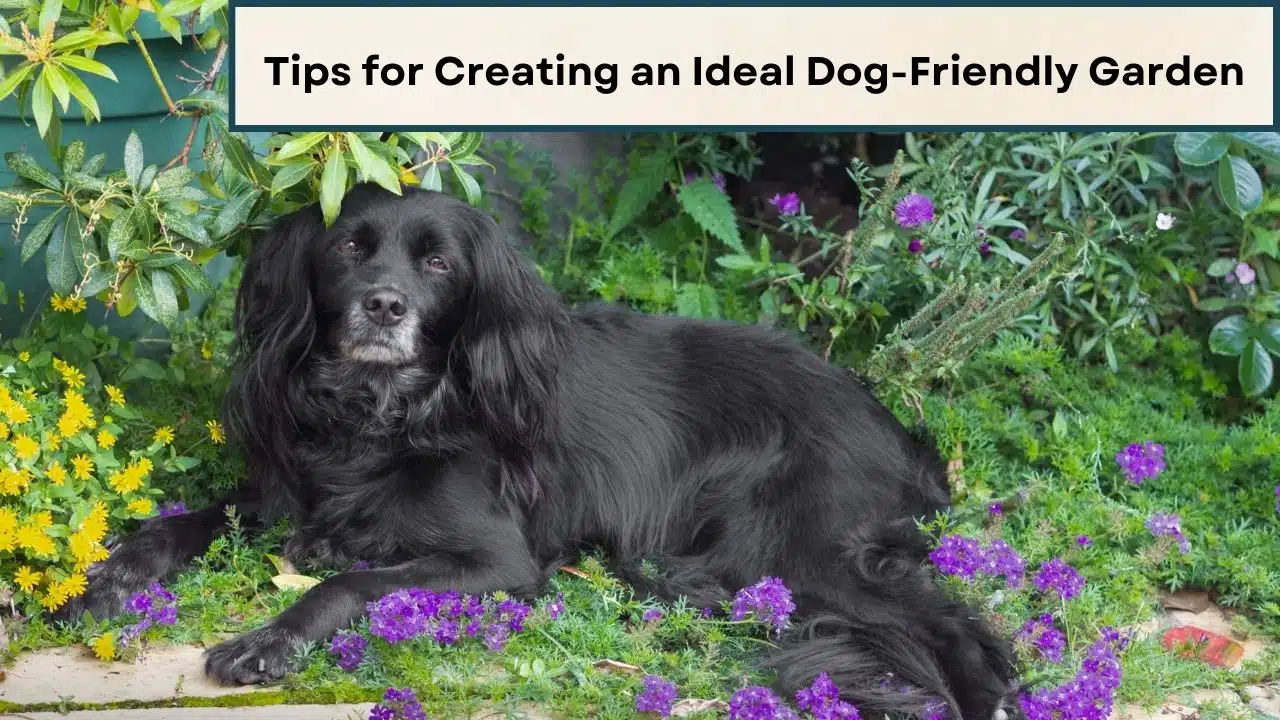
As pet owners, we want our homes to be safe, enjoyable, and functional for our furry friends.
The garden is one such space that, with a bit of planning, can be transformed into a dog-friendly oasis. A well-designed garden for dogs doesn’t only mean creating a safe environment but also providing a stimulating and comfortable space for them to explore, play, and relax.
This guide will take you through everything you need to consider to create a dog-friendly garden that balances your dog’s needs with your own gardening goals.
23 Tips For Creating An Ideal Dog-Friendly Garden
Here I have mentioned a detailed guide on how you can organise your garden suitable for your dog.
1. Evaluate Your Garden’s Size and Layout
Before starting any major changes, assess the size and layout of your garden. Do you have a large backyard or a small patio? Understanding how much space your dog needs will help you determine the design.
Large dogs may require more room to run and play, whereas smaller breeds can thrive in more compact spaces.
Consider dividing your garden into different zones: one for playing, one for relaxing, and one for plants. This separation allows you to manage different needs without sacrificing aesthetics or functionality.
2. Consider Your Dog’s Breed and Behavior
Every dog is unique, and their behavior plays a crucial role in garden design. Some dogs are diggers, others are chasers, and some just love lounging in the sun. For high-energy breeds, you’ll want to provide plenty of space for running and playing.
On the other hand, dogs prone to digging can benefit from having a designated digging area where they can satisfy their instincts without damaging your flower beds.
3. Creating a Safe Perimeter
Safety is paramount when designing a garden for your dog. A well-secured perimeter prevents them from escaping and ensures that they stay within safe boundaries. Install sturdy fencing around your garden.
For dogs prone to jumping, opt for higher fences, and for diggers, bury chicken wire or other materials along the fence line to prevent escape.
4. Avoiding Toxic Plants
Dogs are naturally curious creatures, and they may occasionally nibble on plants. To avoid any potential harm, it’s essential to remove any toxic plants from your garden.
Common toxic plants include lilies, daffodils, azaleas, foxglove, and tulips. Consuming these plants can cause symptoms ranging from stomach upset to more severe poisoning.
Instead, choose non-toxic, dog-safe plants such as sunflowers, marigolds, fuchsias, and snapdragons. These plants not only add beauty to your garden but are also safe for your pets.
5. Edible Plants for Dogs
Did you know that some plants can be beneficial for your dog? Edible plants like parsley, basil, rosemary, and mint are safe for dogs and can even offer some health benefits. Parsley, for example, is rich in vitamins and can help freshen your dog’s breath. Plant these herbs in areas where your dog can safely access them without worrying about harm.
6. Creating Raised Beds or Borders
If you love growing delicate plants that might not hold up against a boisterous dog, consider installing raised beds or borders. These barriers help protect your plants while giving your dog freedom to roam without disturbing them. You can use wooden or stone borders to separate plant areas from pathways or play zones.
7. Choosing Tough, Durable Plants
Dogs can be rough on a garden, so selecting hardy, dog-resistant plants is crucial. Opt for durable plants that can handle the occasional trampling, such as lavender, ornamental grasses, or thyme. These plants are resilient and can withstand a dog’s activity without getting easily damaged.
8. Dedicated Play Areas
Designating a specific play area for your dog helps protect the rest of your garden. Use materials like artificial turf, which is durable and can handle heavy use, or mulch, which is safe for dogs to play on. These areas can be outfitted with toys, tunnels, and other play equipment to keep your dog entertained.
Creating a dedicated play zone also encourages your dog to stick to their designated area, keeping your plants and garden furniture safe.
9. Digging Zones
If your dog has a natural instinct to dig, rather than trying to curb the behavior, why not embrace it? Creating a designated digging area, like a sandbox, provides your dog with a safe spot to dig without damaging your garden beds. Fill the sandbox with loose soil or sand and occasionally bury some toys or treats to keep your dog interested in their digging zone.
10. Pathways for Exploration
Dogs love to explore, and incorporating pathways in your garden can encourage them to wander safely. Create winding paths using materials that are gentle on their paws, like smooth stones, bricks, or gravel.
These paths can lead to different areas of the garden, offering a sense of adventure for your dog while guiding them away from delicate plants.
11. Shady Areas
Just like us, dogs need to escape the sun during hot days. Providing shaded areas in your garden will give your dog a comfortable spot to relax. Planting trees, installing a pergola, or using shade sails are effective ways to create cool, shaded zones.
If you live in a particularly hot climate, make sure your dog has plenty of shaded options throughout the day.
12. Cooling Features
If your dog enjoys splashing around in water, consider adding a water feature that’s safe and accessible. A small, shallow splash pool can be a great way for your dog to cool off. Alternatively, you can set up a simple water bowl station with fresh, cool water to keep your dog hydrated during playtime.
13. Comfortable Seating for Dogs
Outdoor dog beds or raised platforms offer your dog a comfortable place to rest after playing. Choose weatherproof and washable materials for these resting areas.
Raised beds can help keep your dog cool by allowing airflow, and they also provide a vantage point for dogs who like to survey their surroundings.
14. Dog-Friendly Pest Control Solutions
Maintaining a pest-free garden doesn’t have to involve harmful chemicals. Opt for natural, non-toxic pest control solutions like vinegar, neem oil, or diatomaceous earth, which are safe for dogs. For slugs, you can use copper tape around plants, and for ants, you can sprinkle cinnamon or peppermint around problem areas.
Avoid using chemical pesticides or herbicides, as these can be harmful if ingested or even inhaled by your dog.
15. Repelling Unwanted Wildlife
If your garden attracts unwanted wildlife, such as raccoons or stray cats, it’s important to use humane methods to deter them. Motion-activated lights or sprinklers can help keep these animals away without harming your dog. Additionally, install secure fencing to prevent larger animals from entering the garden.
16. Interactive Elements
To keep your dog engaged, consider adding some interactive elements to your garden. Installing agility equipment such as tunnels, ramps, and weave poles can provide both physical and mental exercise. You can set up a simple obstacle course to challenge your dog’s agility and coordination.
17. Scent Gardens
Dogs rely heavily on their sense of smell, and a scent garden filled with aromatic herbs like lavender, rosemary, and chamomile can be an enriching experience for them. Not only will it stimulate their sense of smell, but these plants are also calming and non-toxic for dogs.
18. Pet-Friendly Fencing Options
Choosing the right type of fencing is crucial to keeping your dog safe. Opt for tall, dig-proof fences if your dog is a jumper or a digger. Fences should be at least six feet tall for larger breeds. If you already have a fence, you can add lattice or chicken wire to the bottom to prevent your dog from digging under it.
19. Gates and Entrances
Make sure your garden gate is secure with a reliable locking mechanism. You may also want to install a secondary gate if you have a particularly clever or determined dog. A self-closing gate can be a great option to ensure that the gate is never left open accidentally.
20. Outdoor Lighting
If your dog spends time in the garden during the evening, install outdoor lighting to enhance safety. Motion-sensor lights can help illuminate pathways and alert you if your dog is wandering in the dark. However, make sure the lighting is not too harsh, as it could disturb your dog.
21. Dealing With Wear and Tear
Dogs can be tough on gardens, but with the right materials, you can minimize damage. Opt for durable ground coverings like mulch, gravel, or artificial turf in high-traffic areas. Regularly prune plants and monitor garden beds to ensure they remain in good condition despite your dog’s activity.
22. Managing Dog Waste
Designate a specific area of the garden for your dog to do their business. You can also install a dog waste composting system to break down waste naturally and safely. Regularly clean the area to maintain hygiene and prevent unpleasant odors from accumulating.
23. Routine Cleanliness
Keep your garden clean by regularly washing dog toys, outdoor beds, and water features. Sweep up fallen leaves and debris that might accumulate in play areas. A well-maintained garden is not only more enjoyable for your dog but also ensures a pleasant outdoor space for you and your family.
Conclusion
Creating a dog-friendly garden doesn’t have to mean compromising on beauty or functionality. By carefully selecting plants, designing play areas, and ensuring safety features, you can create a space that both you and your dog will love.
With a bit of planning and creativity, your garden can be a sanctuary for your dog to enjoy, explore, and relax in while maintaining the aesthetic appeal you desire.
So, whether you’re starting from scratch or revamping your current space, use these tips to build the ultimate dog-friendly garden that caters to the needs of your canine companion.
Happy gardening!

























