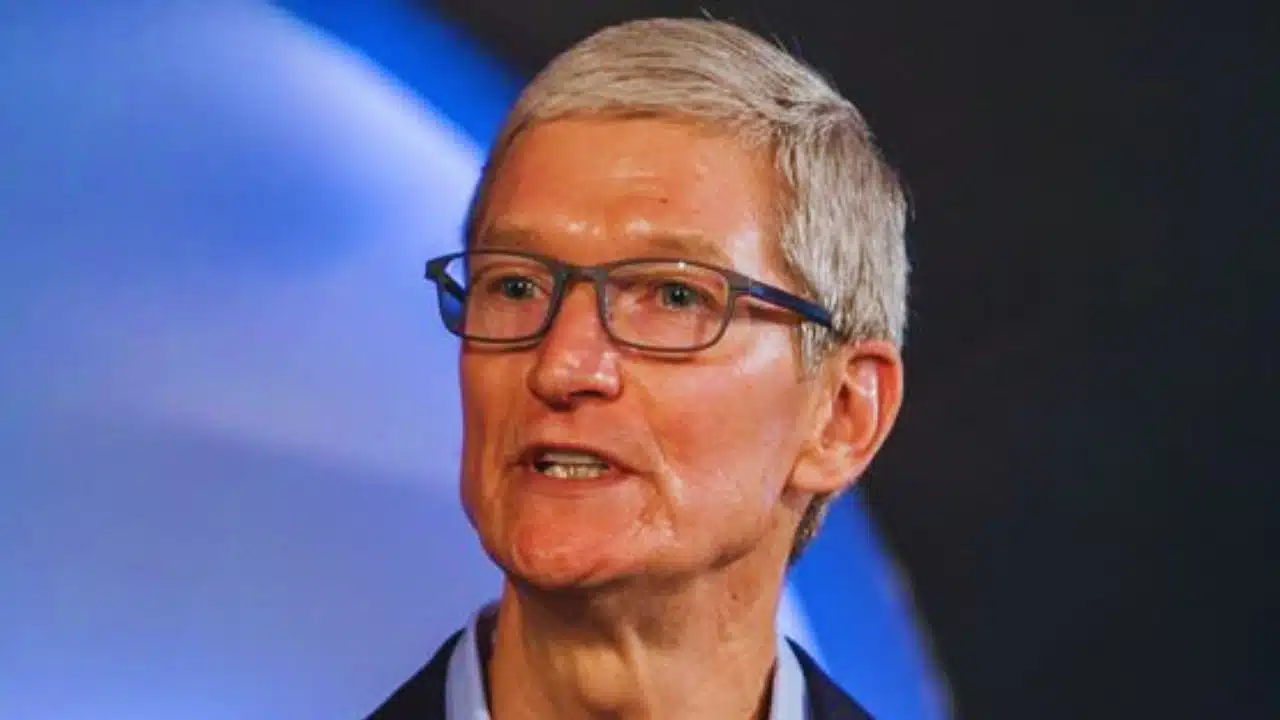
During the much-anticipated launch of the iPhone 16, Apple showcased its advancements in artificial intelligence (AI), which they call “Apple Intelligence.” While the new technology caught the attention of many, critics have been quick to point out that Apple seems to have been slow in joining the AI revolution. In fact, a recent report suggested that even some employees inside the company share this view. However, in a new interview, Apple CEO Tim Cook has made it clear that he doesn’t see things this way. According to Cook, Apple’s approach to AI—like its approach to other technologies—has always been focused on getting it right, not getting there first.
The ‘Not First, But Best’ Philosophy: Apple’s Approach to Innovation
In an interview with The Wall Street Journal’s Ben Cohen, Cook revealed a key principle that has guided Apple’s innovation for years. He summed up Apple’s strategy in four words: Not first, but best. This four-word mantra, Cook explained, isn’t just a slogan—it encapsulates Apple’s philosophy in everything it does, whether it’s about developing AI, creating new products, or improving customer experiences.
Cook believes these words reflect why Apple is so successful and why the company took its time before diving deep into artificial intelligence and other emerging technologies like spatial computing. He pointed out that many of Apple’s groundbreaking products have followed this strategy, aiming to perfect the user experience rather than rush into a market.
During the interview, Cook explained how this approach allows the company to focus on delivering high-quality products that enhance the lives of its users. He emphasized that Apple has always prioritized offering the best possible experience, even if it means arriving a little later than competitors.
“This idea—that you don’t always have to be first to market, but you should strive to be the best—has been a core part of Apple’s DNA for as long as I’ve been here,” said Cook. He further elaborated on this point, saying, “Sometimes, yes, you can be both first and best. But when push comes to shove, and you have to choose, we always choose being the best.”
Cook emphasized that this principle drives decisions across all levels of the company, from engineers to product designers. “If you talk to 100 people inside Apple, 100 of them would tell you: It’s about being the best,” Cook said.
This deliberate, quality-first approach has helped Apple maintain its reputation as a leader in the tech world, and it’s a strategy that continues to guide the company as it navigates the rapidly changing landscape of AI and other emerging technologies.
AI’s Impact: A Game-Changer for Both Apple and Its Users
One area where Apple’s “not first, but best” approach is making a significant impact is in the realm of artificial intelligence. Cook, who is known for his close connection with Apple customers, shared how Apple Intelligence is already transforming his own daily routine. In a recent interview with Jimmy Fallon on The Tonight Show, Cook revealed that he uses Apple Intelligence to help manage the vast number of emails he receives from customers. The AI-driven tool summarizes emails, making it easier for Cook to stay on top of customer feedback.
“It’s changed my life,” Cook told Fallon. “It really has.” He went on to explain that the AI technology allows him to quickly grasp the essence of what customers are saying, which helps him make better decisions on how to improve Apple’s products and services.
But it’s not just Cook who is benefiting from Apple’s AI technology—he believes that Apple Intelligence will soon profoundly change the lives of all Apple customers. When asked how much of an impact Apple’s AI-driven features will have on users, Cook didn’t hesitate. “Profoundly different,” he said. He is confident that Apple Intelligence will be looked back on as one of the company’s most groundbreaking innovations, comparing it to other revolutionary features like the iPod’s click wheel and the iPhone’s touch interface.
“I think we’ll look back and see that Apple Intelligence was one of those pivotal moments—one of those times when technology took a giant leap forward, and we suddenly found ourselves on a different path,” Cook explained.
Cook’s optimism about AI is rooted in Apple’s ability to integrate it seamlessly into products that people already use and love. By taking its time to perfect the technology, Apple ensures that when it does launch new AI-powered features, they are truly useful and impactful for users.
The Vision Pro: A Long-Term Investment in Tomorrow’s Technology
Another area where Cook’s “not first, but best” approach is playing out is with Apple’s Vision Pro—a cutting-edge mixed-reality headset that represents Apple’s entry into the world of spatial computing. Priced at $3,500, the Vision Pro is certainly not a mass-market product at this point, and Cook readily admits that it’s currently targeted toward early adopters. In fact, even Cook himself has said that his primary use for the device right now is as a very expensive way to watch movies.
“At $3,500, it’s not a mass-market product,” Cook acknowledged in his interview with The Wall Street Journal. “Right now, it’s for people who want tomorrow’s technology today. And fortunately, there are enough people in that camp to make it exciting.”
Despite its niche appeal, Cook believes the Vision Pro will follow a similar trajectory to other iconic Apple products, which also took time to catch on with consumers. He noted that none of Apple’s most successful products—whether it was the iPod, iPhone, or AirPods—became instant hits. In each case, it took time for the market to embrace the technology, and he expects the same to be true of the Vision Pro.
“If you doubt the Vision Pro, you might be right,” Cook said. “Or you might be as wrong as the skeptics who dismissed iPods, iPhones, and AirPods.”
Drawing from his experience with previous product launches, Cook is confident that Vision Pro’s current status as an early-adopter product won’t last forever. Over time, as the technology evolves and becomes more accessible, he believes it will gain wider appeal.
“It doesn’t occur overnight,” Cook said, reflecting on the long-term success of Apple’s most iconic products. “None of these did. It’s a journey. It takes time to get from where we are today to where the Vision Pro will eventually be.”
A Slow and Steady Path to Innovation
Tim Cook’s views on Apple’s approach to AI, spatial computing, and other emerging technologies make one thing clear: Apple is not in the business of rushing into trends. Instead, the company takes a measured, thoughtful approach to ensure that when it does introduce a new product or feature, it’s truly ready to make a lasting impact.
While some critics may argue that Apple has been slow to adopt AI, Cook believes that this patience is what sets Apple apart from its competitors. By focusing on delivering the best possible experience for users, Apple ensures that its innovations—whether in AI, mixed reality, or any other area—are built to last.
As Cook summed it up: “It’s not about being first. It’s about being the best.”
Apple’s innovation strategy, driven by its “not first, but best” philosophy, has helped the company maintain its reputation as a leader in the tech industry. While some might criticize Apple for being slow to embrace new technologies like AI, Cook’s emphasis on quality and user experience underscores the company’s commitment to creating products that truly make a difference. Whether it’s through AI-driven tools like Apple Intelligence or futuristic devices like the Vision Pro, Apple continues to push the boundaries of technology—on its own terms, at its own pace, and always with an eye toward excellence.