What if the dividing line between the real and online worlds began to dissolve? Might we be able to add virtual objects and information to the real world easily, without incident, and with a completely integrated experience?
This is the promise of Mixed Reality—a new generation of technology that has remade the world in recent years through fusions of real and virtual to create experiences previously possible only in the most fanciful reaches of science fiction. Because of it, the way we work, play, and interact with the world could change. That’s why virtual reality completely immerses the user inside a computer-generated world, while augmented reality adds digital information to the real one. The point of mixed reality is to make the experience more real by mixing the digital material into the real world. This integration opens up a wide range of possibilities, from collaborative workspaces to real-time work on 3D models and data to interaction in the surrounding of others with virtual characters and settings in a very realistic way.
This article will explain what Mixed Reality is, how it works, and how it is changing both collaborative work and entertainment. It will also reflect on how this technology might change the way we look and interact with the world surrounding us.
How Is Mixed Reality Working?
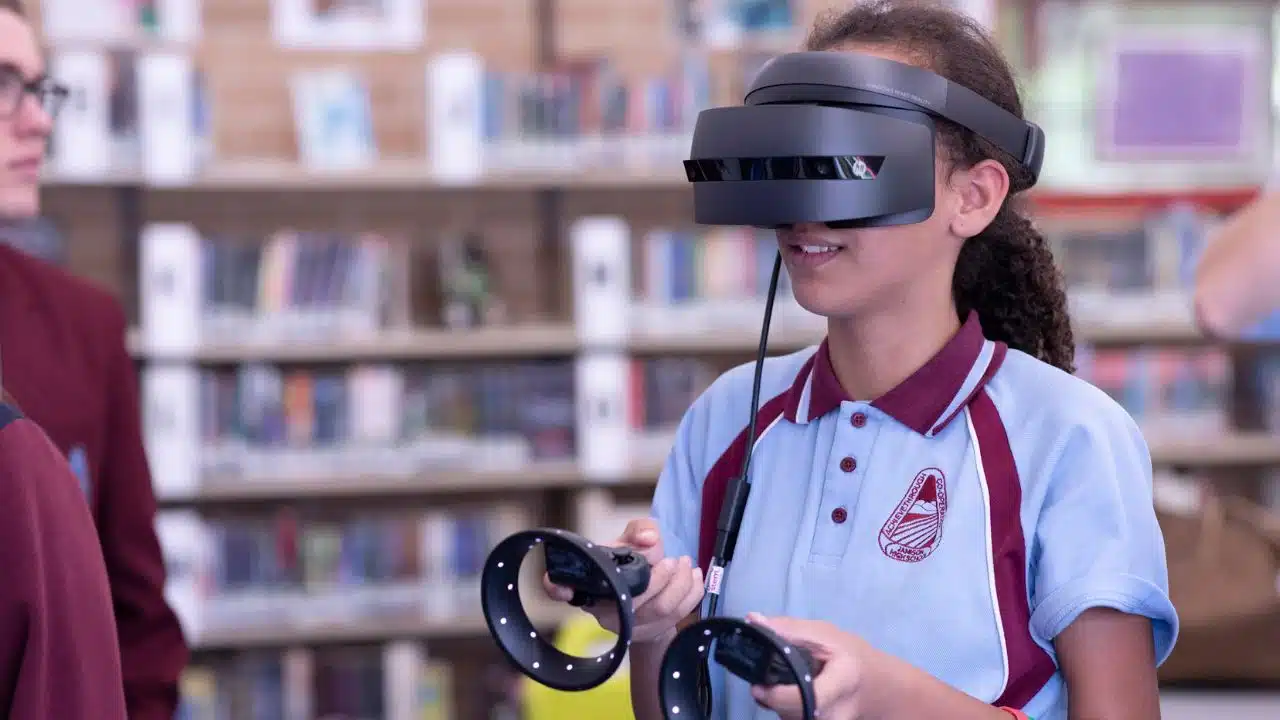
Hardware and software work together to make mixed reality a reality. Headsets or glasses with built-in cameras, sensors, and displays are common pieces of gear for MR equipment. These gadgets record the user’s surroundings and superimpose digital information on top of it. The HoloLens from Microsoft and the Quest Pro from Meta are two examples of well-known MR gadgets.
Compelling and engaging user experiences are the result of the software’s intricate algorithms processing data gathered from various sensors and cameras. Things like real-time rendering of digital content, object detection, and spatial mapping fall under this category. The end result is a setting where users can engage with both digital and physical aspects concurrently, and where the former can be handled as though they were physical.
Redefining the Entertainment Industry
MR changes the paradigm of entertainment in general, new ways of consuming and having access to content are made possible. The use that turns out the most interesting is in gaming, where MR mingles the virtual and real worlds into an almost surreal experience. Games can be developed to interact with the player’s physical environment, making the gameplay more interesting and interactive. This expands the potential of augmented reality games, as demonstrated in games such as “Pokémon GO,” by allowing for more advanced interactions.
MR also allows for new dimensions in interactive storytelling, placing users inside a highly immersive story. That concept seems to be coming more and more into view through the varied types of experiences, from online casino games that combine thematic storytelling with interactive features. These games have storylines with added features, such as free spins, to enhance the level of activity and enjoyment one experiences from them; you will only need to choose which is worth investing your precious time in by looking through a reputable website reviewing several of them. Just think about moving through a story where the characters and events seamlessly integrated into your surroundings created a very unique and enthralling journey. This dynamic approach lets the story adapt to your surroundings and your actions, creating a unique experience that unfolds itself as you work through it.
Utilization in Collaborative Work
Collaboration is an intriguing Mixed Reality application. Teams in the same room or across locations can benefit from MR:
Remote Collaboration
MR enables distributed teams to work with a lot of ease in virtual worlds. Just think of several builders collaborating on a building plan from different parts of the world: using their headsets and apps, they could connect to 3-D models in real-time-as changes that everybody saw.
Design and Prototyping
MR has changed the game in areas like engineering, product design, and architecture. By putting digital prototypes on top of real-world settings, it lets designers and engineers see and change 3D models in the real world. This means that designers can see how their ideas will look and work in the real area, make changes on the spot, and work together better with stakeholders who can have a more complete experience with the design.