When it comes to health tech, the world is changing. What was once the domain of paper charts and stethoscopes now feels more like stepping into a sci-fi novel.
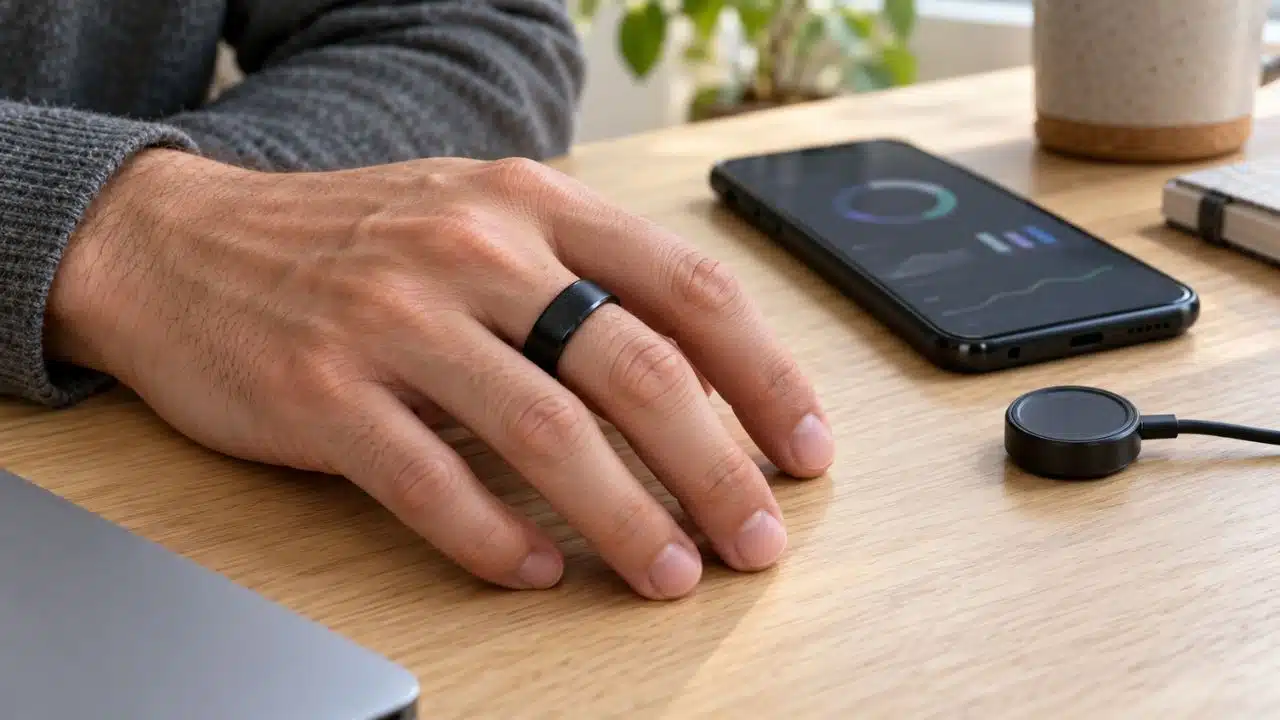
Whether it’s wearables that track your heart rate like a hawk or apps that double as nutrition coaches, the intersection of tech and healthcare is evolving at light speed. But are we, as patients and providers, keeping up with the innovation—or just along for the ride? Let’s break it down.
Is Telemedicine Here to Stay?
The pandemic catapulted telemedicine from a niche option to a major player, but where do we stand now? For a lot of people, video calls with doctors feel like a futuristic convenience that should have been the norm ages ago. Imagine skipping traffic and waiting rooms to address minor ailments or follow-ups from the comfort of your couch.
But convenience isn’t the only benefit. Telemedicine is also bridging gaps for rural communities and underserved populations. It’s more than a Band-Aid for a broken system; it’s proving to be a lifeline. Still, not every medical issue fits neatly into a virtual consultation. There’s also the question of accessibility—what happens if your Wi-Fi connection is as spotty as your health? As this technology matures, we need to focus on making it work for everyone, not just those who already have the tools in hand.
Can Digital Records Actually Make a Difference?
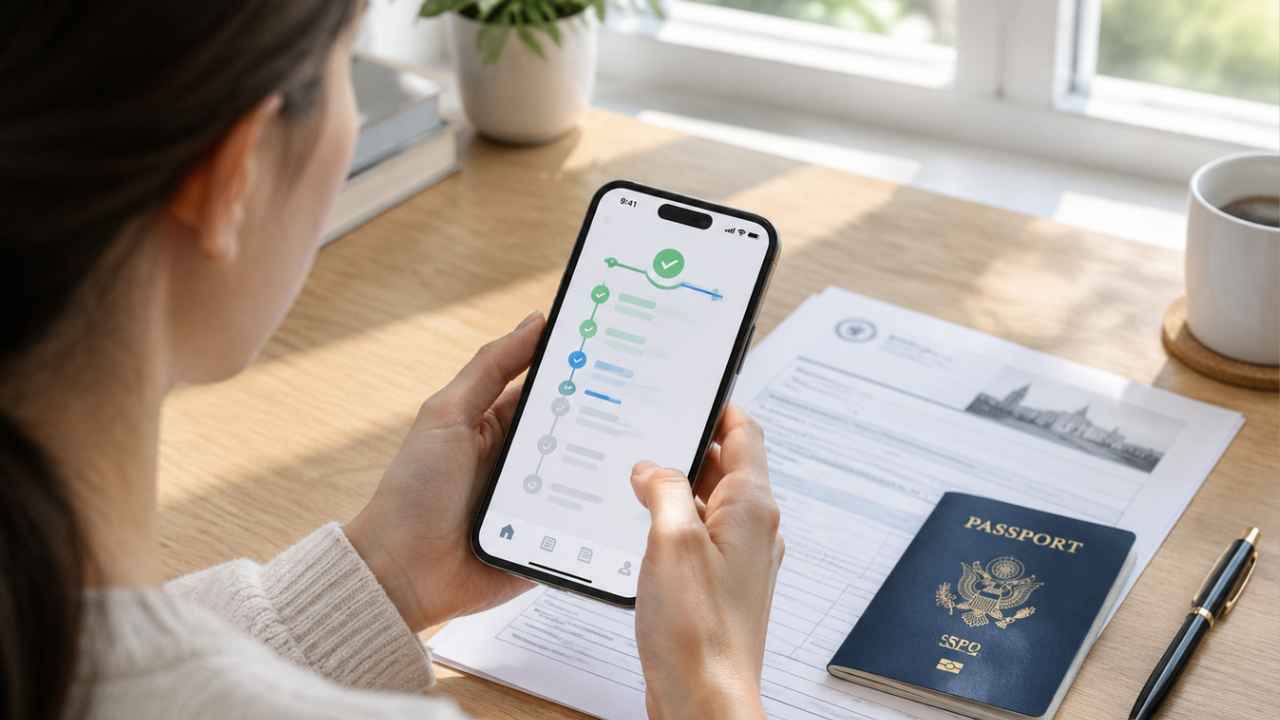
Here’s a tech shift you might not think about until you’re in the thick of a health scare: electronic health records. The promise is simple—centralized, accessible, and up-to-date data that follows you wherever you go. In theory, this eliminates the chaos of repeating your medical history a hundred times or digging through filing cabinets for a blood test from 2012.
But the reality isn’t always as streamlined. Doctors often wrestle with clunky systems, while patients feel left out of the loop. The idea is solid—putting your health history at your fingertips and syncing it across providers—but the execution still has some bugs to iron out. If tech wizards can crack the code, this could be a game-changer for preventative care, faster diagnoses, and even personalized treatment plans. Until then, it’s worth asking whether your data is working for you or against you.
What’s Up With AI in Healthcare?
AI is reshaping how we think about medicine. From diagnosing rare diseases to predicting patient outcomes, artificial intelligence offers possibilities that sound more like magic than medicine. Algorithms analyze patterns we can’t even see, giving doctors new tools to catch red flags early.
But it’s not all smooth sailing. AI still has its skeptics, and for good reason. Ethical questions swirl around data privacy, algorithm bias, and whether machines can truly replace human intuition. While AI is an incredible sidekick for healthcare professionals, it’s not a superhero just yet. Still, its role is growing. Picture a world where your wearable devices sync seamlessly with your medical records and AI flags potential risks before you feel a single symptom. We’re not there yet, but it feels like we’re getting close.
Is Virtual Reality More Than Just Gaming?
The idea of donning a headset for medical reasons sounds wild, but it’s happening. Think pain management without opioids, physical therapy that feels like play, or training surgeons in high-stakes scenarios without real-world risks. When people talk about virtual reality in healthcare, they’re not just dreaming up cool ideas—they’re changing lives.
One of the standout uses is exposure therapy for mental health. Imagine facing your fears in a controlled, safe space that helps you build confidence step by step. Whether you’re managing PTSD or conquering anxiety, VR offers a unique way to rewire how you respond to stressors. But the potential doesn’t stop there. It’s also being explored for procedures like planning surgeries or even distracting patients during painful treatments. Sure, it might not replace traditional methods entirely, but it’s proving to be an invaluable tool.
Is the Future as Sci-Fi as It Seems?
As these technologies develop, it’s clear we’re standing at a crossroads. The question isn’t just what’s possible, but how to make it sustainable, equitable, and ethical. Tech moves fast—sometimes faster than healthcare systems can adapt. What good is innovation if it creates more barriers than it breaks down?
The potential here is staggering, but the execution matters. Will these advancements genuinely improve health outcomes, or will they become yet another example of tech hype that fizzles out? Patients and providers alike need to push for systems that prioritize real impact over shiny new gadgets.
Are We Ready?
So, are we ready for a tech revolution in healthcare? The answer depends on how well we navigate the challenges and embrace the opportunities. There’s no question that technology is transforming how we approach wellness, but the key lies in collaboration—between developers, healthcare professionals, and patients themselves. If we can align innovation with intention, the future of healthcare might just be brighter than we imagined.