

As the world faces rising environmental challenges, sustainable living communities are emerging as the future of urban real estate. These communities aim to reduce the carbon footprint, promote green energy, and improve overall quality of life. From eco-friendly buildings to renewable energy solutions, sustainable living spaces are revolutionizing urban areas.
This article explores eight leading sustainable living communities that are transforming urban real estate and setting a benchmark for future developments.
1. Masdar City, Abu Dhabi, UAE
Masdar City is one of the world’s most renowned sustainable urban developments. Located in Abu Dhabi, it is a hub for innovation and clean technologies.
Key Features:
- Solar Power: The city relies heavily on renewable energy, especially solar power, through large-scale photovoltaic plants.
- Car-Free Zones: Vehicles are limited, and residents are encouraged to walk, bike, or use electric public transport.
- Smart Water Management: Advanced systems ensure efficient water recycling and reduced consumption.
| Location | Size | Energy Source | Notable Feature |
| Abu Dhabi, UAE | 6 km² | Solar and wind energy | Zero-carbon and car-free city |
Masdar City showcases how cities can achieve sustainability through innovation and technology while providing a livable and modern environment.
2. Babcock Ranch, Florida, USA

Babcock Ranch is the first solar-powered town in the United States. It blends sustainability with a community-focused lifestyle.
Key Features:
- Solar Power: The entire town runs on solar energy generated by a nearby 440-acre solar farm.
- Eco-Friendly Transportation: Electric shuttles and walking trails reduce dependence on cars.
- Green Building Standards: All homes are built with energy-efficient designs and materials.
| Location | Population | Energy Source | Notable Feature |
| Florida, USA | 20,000+ (goal) | 100% solar energy | First fully solar-powered town |
Babcock Ranch highlights how entire towns can function sustainably while providing residents with modern amenities and a high quality of life.
3. Vauban, Freiburg, Germany
Vauban, located in Freiburg, Germany, is a model eco-community emphasizing car-free living and energy efficiency.
Key Features:
- Car-Free Design: Streets are designed to limit cars, encouraging walking, biking, and public transportation.
- Energy Efficiency: Houses are built to passive energy standards, using minimal energy for heating.
- Renewable Energy: Solar panels power most homes and community buildings.
| Location | Population | Energy Source | Notable Feature |
| Freiburg, Germany | 5,500+ | Solar and renewable energy | Nearly car-free community |
Vauban sets an example for creating sustainable urban areas by combining green energy, car-free spaces, and community-focused living.
4. BedZED, London, UK
The Beddington Zero Energy Development (BedZED) is the UK’s first large-scale sustainable community, located in South London.
Key Features:
- Energy Efficiency: Homes are designed to reduce energy use with high insulation and natural ventilation.
- Renewable Energy: Solar panels and biomass boilers power the development.
- Sustainable Materials: Buildings use recycled and locally sourced materials.
| Location | Population | Energy Source | Notable Feature |
| London, UK | 200 residents | Solar and biomass energy | UK’s first large-scale eco-town |
BedZED provides a blueprint for energy-efficient housing and highlights the role of sustainable design in urban living.
5. Hammarby Sjöstad, Stockholm, Sweden
Hammarby Sjöstad is a sustainable urban district in Stockholm, Sweden, with a focus on reducing environmental impact.
Key Features:
- Waste Management: The community uses a state-of-the-art waste recycling system.
- Renewable Energy: District heating and cooling come from renewable sources.
- Water Recycling: A closed-loop water system reduces water waste.
| Location | Population | Energy Source | Notable Feature |
| Stockholm, Sweden | 25,000+ | Renewable district energy | Advanced waste management system |
Hammarby Sjöstad demonstrates how large urban areas can achieve sustainability without compromising modern living standards.
6. Songdo International Business District, South Korea
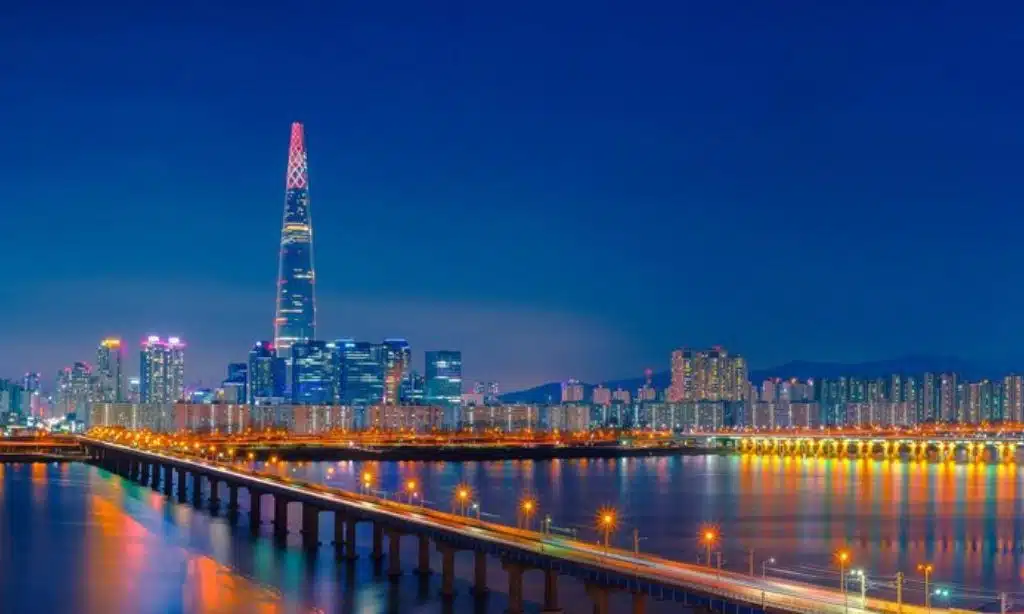
Songdo is a smart city in South Korea designed with sustainability and technology integration in mind.
Key Features:
- Smart Infrastructure: Automated systems monitor energy use, waste, and water management.
- Eco-Friendly Transportation: Extensive bike paths and electric public transport.
- Green Spaces: Parks and green areas cover more than 40% of the district.
| Location | Size | Energy Source | Notable Feature |
| Incheon, South Korea | 6 km² | Smart grid and renewable | High-tech, eco-friendly city |
Songdo showcases how integrating technology and sustainability can create smarter, greener urban communities.
7. The Sustainable City, Dubai, UAE
The Sustainable City in Dubai is a residential community focused on achieving net-zero energy consumption.
Key Features:
- Solar Energy: Rooftop solar panels supply renewable energy.
- Green Living: Urban farms, greenhouses, and walkable neighborhoods promote eco-friendly lifestyles.
- Waste Recycling: Comprehensive systems ensure minimal waste generation.
| Location | Population | Energy Source | Notable Feature |
| Dubai, UAE | 2,700+ | 100% solar energy | First net-zero community in UAE |
Dubai’s Sustainable City proves that eco-friendly living can thrive even in arid environments through innovation and green solutions.
8. Kashiwa-no-ha Smart City, Japan
Kashiwa-no-ha Smart City is an advanced sustainable urban development near Tokyo, Japan.
Key Features:
- Smart Energy Management: A combination of solar power, battery storage, and smart grids.
- Water Recycling: Advanced systems recycle and reuse water.
- Healthy Living: Green spaces and facilities encourage a balanced, sustainable lifestyle.
| Location | Population | Energy Source | Notable Feature |
| Tokyo, Japan | 26,000+ | Solar and smart grid | Smart energy and water systems |
Kashiwa-no-ha combines smart technology with sustainability, offering a model for future eco-friendly urban developments.
Takeaway
Sustainable living communities are redefining the future of urban real estate. From Masdar City in the UAE to Kashiwa-no-ha Smart City in Japan, these communities highlight the potential of renewable energy, smart infrastructure, and eco-friendly designs. By promoting sustainability, these developments reduce environmental impact and improve the quality of life for residents. As urban populations grow, these communities provide a roadmap for building greener, healthier, and smarter cities.
























