
As the global shift towards sustainable energy accelerates, cities worldwide are making significant strides in improving their electric vehicle (EV) infrastructure.
EV-friendly cities are characterized by an extensive network of charging stations, supportive policies, incentives, and an overall environment conducive to electric vehicles.
Here’s a detailed look at 20 cities that are leading the charge in EV infrastructure.
1. Oslo, Norway

Key Highlights:
- Public Charging Stations: Over 2,500 charging points.
- EV Market Share: Over 50% of all new cars sold are electric.
- Government Incentives: Free parking, toll exemptions, and access to bus lanes for EVs.
Oslo has become the gold standard for EV infrastructure globally. The city’s dedication to reducing emissions has led to rapid growth in the adoption of electric vehicles. With a well-established charging network and significant government incentives, Oslo’s efforts continue to pay off, making it a model city for others aiming to enhance their EV infrastructure.
2. Amsterdam, Netherlands
Key Highlights:
- Charging Stations: More than 3,000 public chargers.
- Green Mobility Initiatives: Subsidies for purchasing EVs.
- Eco-Friendly Transport Policies: Priority given to EVs in urban areas.
Amsterdam is a global leader in sustainable urban transportation. The city’s commitment to clean energy is reflected in its extensive network of public charging stations, making it convenient for EV owners to charge their vehicles. Local authorities have also implemented policies that provide tax breaks and financial incentives for EV users.
3. San Francisco, USA
Key Highlights:
- Charging Points: 5,000+ charging stations.
- Clean Energy Adoption: Targeting 100% renewable energy by 2030.
- Incentive Programs: Rebates for installing home chargers.
San Francisco, home to the Silicon Valley tech hub, is at the forefront of the electric vehicle revolution in the U.S. The city has an extensive network of fast-charging stations, especially concentrated around tech hubs. Incentives like rebates for home charging stations and a commitment to clean energy make San Francisco a top contender in the EV infrastructure race.
4. Shanghai, China
Key Highlights:
- Charging Network: Over 210,000 charging points in the city.
- EV Market Growth: China is the largest EV market globally.
- Government Support: Hefty subsidies for EV purchases.
Shanghai is leading China’s rapid expansion in electric vehicle adoption. With substantial government backing, the city boasts one of the most extensive EV charging networks in the world. This well-integrated infrastructure encourages both private and public sectors to switch to electric transportation.
5. London, United Kingdom
Key Highlights:
- Charging Points: Over 10,000 public charging stations.
- Low Emission Zones: EVs exempt from congestion charges.
- EV Incentives: Grants for electric taxis and buses.
London has emerged as a frontrunner in the adoption of electric vehicles in Europe. The city’s focus on reducing emissions is evident in its numerous low-emission zones and financial incentives for EV drivers. London’s well-distributed charging points make it easy for EV owners to access charging in all parts of the city.
6. Los Angeles, USA
Key Highlights:
- Charging Infrastructure: 4,000+ public charging stations.
- Sustainable Transport Programs: Major investment in electric buses.
- Eco-Friendly Policies: Rebates for EV purchases and home charger installation.
As one of the largest cities in the U.S., Los Angeles is committed to adopting sustainable transportation. The city has invested heavily in its EV infrastructure, including charging stations and electric buses. With thousands of public chargers and incentives, LA is a key player in the EV movement.
7. Stockholm, Sweden
Key Highlights:
- Public Chargers: 2,500+ charging points.
- Tax Incentives: Reduced taxes for EV owners.
- Green City Initiatives: Aims to be fossil fuel-free by 2040.
Strong environmental policies have helped Stockholm develop a comprehensive EV infrastructure. The city’s ambition to become fossil fuel-free by 2040 has driven rapid EV adoption and the development of charging stations throughout urban and suburban areas.
8. Tokyo, Japan
Key Highlights:
- Charging Stations: Over 20,000 charging points across the country.
- Eco-Friendly Vehicle Policies: Financial incentives for EV purchases.
- Smart City Initiatives: Focus on integrating EVs with renewable energy grids.
Japan’s capital, Tokyo, is another global leader in EV infrastructure. The government actively supports EV adoption with subsidies and rebates, and the integration of EVs into smart city plans ensures seamless transitions to greener transportation methods. The city’s charging network is vast, ensuring convenience for EV users.
9. Vancouver, Canada
Key Highlights:
- Public Chargers: 1,300+ charging points.
- Government Incentives: Up to CAD 5,000 rebates on EV purchases.
- Green Energy: Focus on renewable energy sources for EV charging.
Vancouver is one of North America’s greenest cities, with a strong commitment to eco-friendly transportation. Government incentives that make buying EVs more affordable for citizens are helping the city’s public charging network to grow quickly.
10. Berlin, Germany
Key Highlights:
- Charging Stations: Over 3,000 public chargers.
- Environmental Policies: Zero-emission zones in the city center.
- Incentives for EV Users: Purchase subsidies and charging station grants.
Berlin’s strategic focus on becoming a green transportation hub has led to impressive growth in its EV infrastructure. The city’s public charging network is extensive and supports both private EV owners and electric public transportation initiatives.
11. Singapore
Key Highlights:
- Public Chargers: Around 2,000 charging stations, aiming for 60,000 by 2030.
- Sustainability Goals: Phasing out internal combustion engine vehicles by 2040.
- Tax Incentives: Financial rebates for EV owners.
With the support of ambitious government plans to phase out traditional vehicles by 2040, Singapore’s EV infrastructure is expanding quickly. The city-state has a well-planned charging network that will expand significantly over the next decade, providing robust support for EV users.
12. Paris, France
Key Highlights:
- Charging Stations: 4,500+ charging points.
- Green Transport Goals: 100% electric public transportation by 2030.
- EV Incentives: Government grants and low-interest loans for EV purchases.
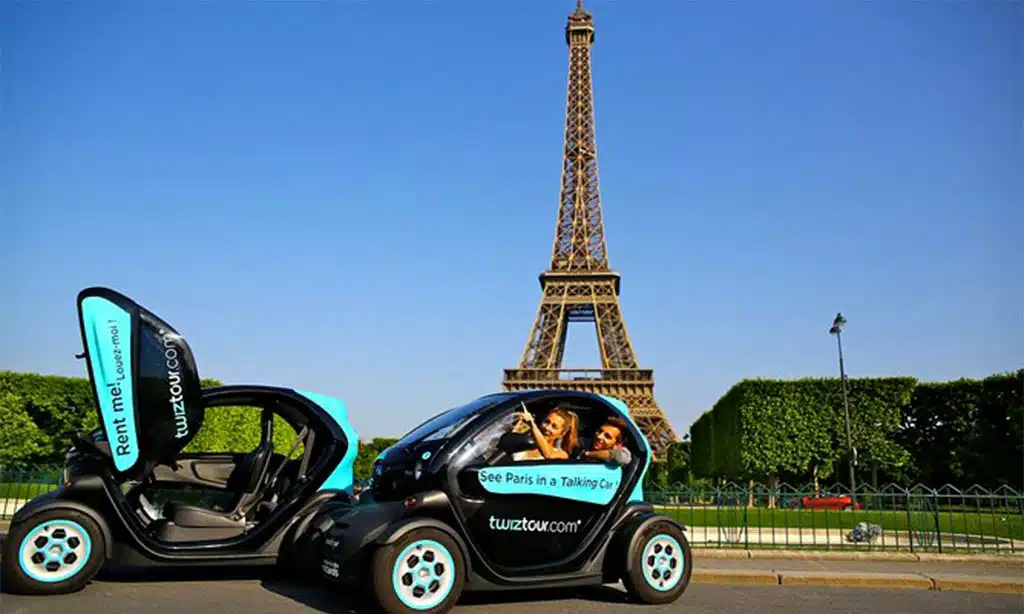
Paris is setting high standards for eco-friendly transportation in Europe. With an extensive network of charging points and ambitious plans to make public transportation electric, Paris continues to be a major player in the shift towards greener urban mobility.
13. Seoul, South Korea
Key Highlights:
- Charging Network: Over 10,000 EV charging stations.
- Green City Initiatives: Targets to reduce emissions by 40% by 2030.
- Government Support: Subsidies for EV purchases and home chargers.
Seoul’s commitment to green transportation has led to rapid development in its EV infrastructure. The city boasts one of the largest networks of public charging stations in Asia and continues to incentivize the adoption of electric vehicles through various financial benefits.
14. Copenhagen, Denmark
Key Highlights:
- Public Charging Points: 1,500+ chargers.
- Green City Goals: Aims to be carbon neutral by 2025.
- Incentives for EV Owners: Subsidized charging stations and purchase rebates.
Copenhagen is renowned for its environmental initiatives and progressive approach to sustainable transportation. The city’s push towards carbon neutrality has resulted in an increasing number of charging stations and EV-related incentives, making it a green transportation hub.
15. Munich, Germany
Key Highlights:
- Public Chargers: Over 2,000 charging points.
- Supportive Policies: Incentives for EVs and charging infrastructure installation.
- Green Mobility Goals: Focus on electric buses and shared EV services.
Munich is rapidly becoming one of Germany’s leading cities in EV adoption, with numerous public charging points and supportive government policies. The city’s commitment to green transportation ensures that its infrastructure will continue to expand.
16. Zurich, Switzerland
Key Highlights:
- Charging Infrastructure: Over 1,000 public charging stations.
- Sustainable Transport Initiatives: Financial benefits for EV owners.
- Clean Energy Goals: Focus on renewable energy-powered charging stations.
Zurich’s focus on sustainability extends to its transportation sector, with a well-established network of public charging points. The city’s reliance on clean, renewable energy ensures that EV users are contributing to a greener future.
17. Barcelona, Spain
Key Highlights:
- Charging Points: 1,600+ charging stations.
- Government Initiatives: Tax reductions for EV owners.
- Green Transport Goals: Significant investment in electric public transportation.
Barcelona is emerging as a green transportation leader in Spain, with a strong focus on expanding its EV infrastructure. The city’s government has implemented a range of incentives to encourage the adoption of electric vehicles, and its public charging network is steadily growing.
18. New York City, USA

Key Highlights:
- Charging Infrastructure: 1,500+ public charging points.
- EV Incentives: State rebates and federal tax credits.
- Eco-Friendly City Goals: Aims for carbon neutrality by 2050.
New York City’s dedication to sustainable energy and transportation is evident in its growing EV infrastructure. With over a thousand public charging stations and a robust incentive program, NYC is well on its way to becoming a leading EV-friendly city.
19. Brussels, Belgium
Key Highlights:
- Charging Points: Over 1,200 public charging stations.
- Green Transport Policies: Incentives for EV purchases and free charging.
- Zero-Emission Zones: Plans to introduce more low-emission zones by 2030.
Brussels has made significant strides in improving its EV infrastructure, with a growing network of public charging points and supportive government policies. The city is also investing heavily in reducing urban emissions, making it an attractive location for EV owners.
20. Melbourne, Australia
Key Highlights:
- Charging Network: Over 2,000 public chargers.
- Government Support: EV rebates and financial support for charging infrastructure.
- Green City Initiatives: Focus on integrating EVs with solar-powered charging stations.
Melbourne is quickly becoming one of Australia’s leading cities in electric vehicle adoption. With substantial investment in public charging infrastructure and supportive policies for EV owners, Melbourne is set to play a key role in Australia’s transition to sustainable transportation.
Conclusion
The shift toward electric vehicles is an essential step in achieving global sustainability goals. Cities like Oslo, Amsterdam, San Francisco, and Shanghai are leading the way with their comprehensive EV infrastructure, supportive policies, and government incentives.
These cities serve as benchmarks for other urban areas looking to develop their own EV ecosystems.
As more cities invest in green transportation, the future of electric vehicles looks brighter than ever.