The fashion industry is undergoing a significant transformation as consumers become more conscious of the environmental and ethical implications of their clothing choices. Sustainable fashion offers a pathway to align personal style with values that prioritize the planet and its inhabitants. It is not just a fleeting trend but a necessary shift toward a better future for people and the environment.
By choosing sustainable fashion brands to support, you contribute to reducing waste, lowering carbon footprints, and advocating for fair treatment of workers. These brands not only lead the way in innovative, eco-friendly practices but also inspire others in the industry to adopt responsible production methods. With more options than ever, adopting a sustainable wardrobe has become both impactful and accessible.
This article introduces seven sustainable fashion brands making a positive impact in 2025. From innovative materials to transparent production methods, these brands demonstrate that style and sustainability can coexist harmoniously. Sustainable fashion brands to support are more accessible and impactful than ever before.
What is Sustainable Fashion?
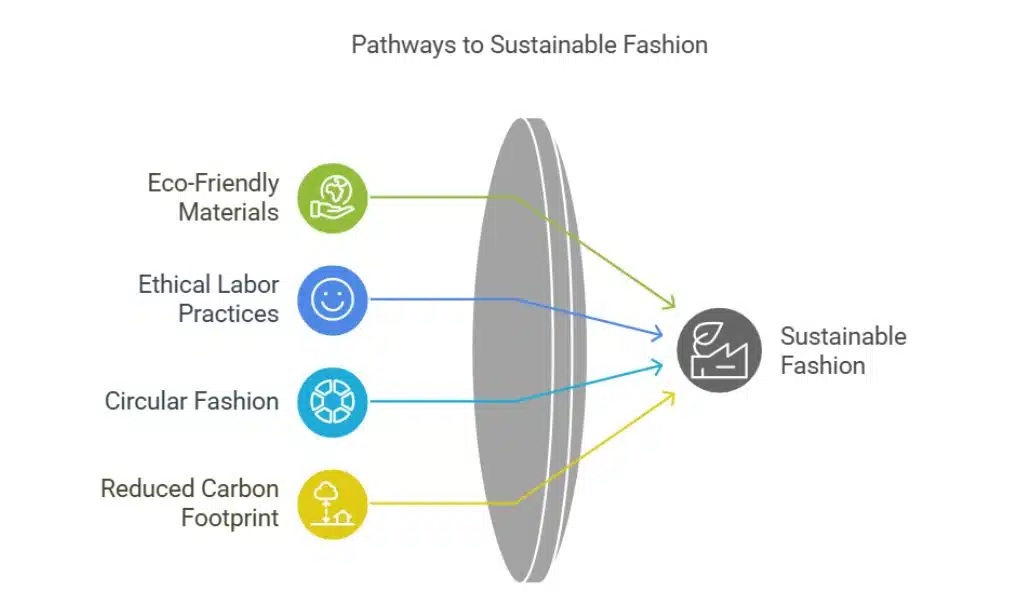
Sustainable fashion encompasses clothing, accessories, and footwear produced in ways that are environmentally friendly and socially responsible. Key principles include:
- Eco-Friendly Materials: Utilizing organic, recycled, or biodegradable fabrics to minimize environmental impact.
- Ethical Labor Practices: Ensuring fair wages and safe working conditions throughout the supply chain.
- Circular Fashion: Designing products intended for reuse, recycling, or upcycling to extend their lifecycle.
- Reduced Carbon Footprint: Implementing production and distribution methods that lower greenhouse gas emissions.
Key Features of Sustainable Fashion:
| Feature | Explanation |
|---|---|
| Eco-Friendly Fabrics | Use of materials like organic cotton, hemp, and recycled polyester. |
| Fair Trade Practices | Commitment to fair wages and ethical treatment of workers. |
| Durable Design | Creation of high-quality, long-lasting garments. |
| Transparency | Open disclosure of supply chain and production processes. |
Why Sustainable Fashion Brands to Support Matter
Supporting sustainable fashion brands yields numerous benefits for both the environment and society:
Environmental Benefits:
- Reduced Pollution: Eco-friendly materials and non-toxic dyes decrease water and air pollution.
- Waste Reduction: Innovative designs and recycling programs help minimize textile waste.
Ethical Impact:
- Fair Labor: Ethical brands prioritize fair wages and safe working conditions.
- Community Empowerment: Collaborations with marginalized communities provide employment and skill development opportunities.
Quick Facts:
- The fashion industry contributes to approximately 10% of global carbon emissions.
- Over 92 million tons of textile waste are generated annually.
- The sustainable fashion market is expected to grow to $10.1 billion by 2025.
How to Identify Sustainable Fashion Brands to Support
With the rise of greenwashing, it’s essential to distinguish genuinely sustainable brands:
- Certifications: Look for third-party verifications such as GOTS (Global Organic Textile Standard), Fair Trade, or OEKO-TEX.
- Transparency: Authentic brands openly share information about their supply chains and production practices.
- Materials: Sustainable brands use organic, recycled, or low-impact fabrics.
- Production Practices: Ethical production methods with minimal environmental harm are key.
Common Certifications:
| Certification | Meaning |
| GOTS | Ensures organic materials and ethical practices. |
| Fair Trade | Guarantees fair wages and safe working conditions. |
| OEKO-TEX | Certifies that textiles are free from harmful chemicals. |
| B Corp | Measures a company’s entire social and environmental performance. |
7 Sustainable Fashion Brands You Should Support

1. Everlane
Everlane is a pioneer in ethical fashion. The brand is committed to “radical transparency,” sharing details about their factories, production costs, and markup. Everlane is known for creating timeless pieces that never go out of style. Their focus on simplicity and quality ensures that customers invest in durable garments that last for years.
The company is also dedicated to reducing waste and utilizing sustainable materials, such as organic cotton and recycled polyester. Everlane’s transparency allows customers to make informed choices, knowing the true cost and origin of each product.
- Materials: Organic cotton, recycled polyester, and ethical wool.
- Impact: Everlane uses renewable energy in their factories and ensures fair wages for workers.
- Notable Products: Timeless wardrobe staples like jeans, T-shirts, and minimalist shoes.
| Feature | Details |
| Transparency | Full disclosure of pricing and sourcing. |
| Key Products | Jeans, basics, and footwear. |
| Eco Materials | Recycled polyester, organic cotton. |
2. Patagonia
Patagonia has been a leader in environmental activism and sustainability for decades. Known for their durable outdoor apparel, the brand champions environmental causes. The company is deeply committed to preserving the planet through initiatives like the “1% for the Planet” program, which donates a portion of sales to environmental efforts.
Patagonia encourages customers to repair and reuse clothing through their “Worn Wear” program, which prolongs the lifecycle of products. Their use of sustainable fabrics like recycled nylon and hemp further demonstrates their commitment to eco-friendly practices.
- Materials: Recycled nylon, organic cotton, and hemp.
- Initiatives: Patagonia donates 1% of sales to environmental organizations.
- Programs: “Worn Wear” program promotes clothing repair and resale.
| Feature | Details |
| Sustainability | Recycled fabrics and repair programs. |
| Activism | Donates 1% of profits to environmental causes. |
| Key Products | Jackets, outdoor gear, and backpacks. |
3. Reformation
Reformation combines chic, modern designs with sustainability. Their tagline, “Being naked is the #1 most sustainable option. We’re #2,” highlights their dedication to creating fashionable yet eco-conscious clothing. The brand offers a wide range of stylish pieces, from dresses to jumpsuits, all crafted with sustainable materials.
Reformation’s carbon-neutral initiatives include offsetting emissions through investments in renewable energy and sustainable forestry projects. With their trendy and sustainable designs, they appeal to environmentally aware fashionistas.
- Materials: TENCEL™ lyocell, organic cotton, and recycled fabrics.
- Carbon Neutral: Reformation offsets its carbon footprint through investments in renewable energy.
- Focus: Fashion-forward clothing for women.
| Feature | Details |
| Eco Materials | TENCEL™, organic cotton, recycled fabrics. |
| Carbon Neutral | Offsets carbon emissions. |
| Key Products | Dresses, jumpsuits, and tops. |
4. People Tree
People Tree is a pioneer in fair trade fashion, offering stylish and sustainable clothing for over 30 years. Their commitment to ethical practices includes working directly with artisans and farmers to ensure fair wages and safe working environments.
The brand’s collections feature timeless and comfortable designs, made with eco-friendly materials like organic cotton. People Tree also holds certifications like GOTS and Fair Trade, affirming their dedication to ethical production and sustainability.
- Certifications: Fair Trade, GOTS, and PETA-approved vegan.
- Artisan Support: Partners with artisans and farmers in developing countries.
- Products: Comfortable, everyday wear.
| Feature | Details |
| Certifications | Fair Trade, GOTS. |
| Ethical Focus | Supports marginalized communities. |
| Key Products | Dresses, tops, and loungewear. |
5. Tentree
Tentree’s unique selling point is their commitment to planting ten trees for every item sold. This initiative has led to the planting of over 80 million trees worldwide. The brand creates casual and outdoor clothing that is as sustainable as it is stylish.
Tentree’s use of eco-friendly fabrics like organic cotton and TENCEL™ ensures that their products are gentle on the environment. The company’s mission goes beyond clothing, focusing on reforestation and climate action to make a tangible difference.
- Environmental Impact: Over 80 million trees planted to date.
- Materials: Organic cotton, hemp, and TENCEL™.
- Focus: Casual and outdoor clothing.
| Feature | Details |
| Tree Planting | 10 trees planted per purchase. |
| Key Products | Hoodies, T-shirts, and outerwear. |
| Eco Materials | Organic cotton, TENCEL™. |
6. Eileen Fisher
Eileen Fisher emphasizes timeless designs and circular fashion. Their “Renew” program takes back old Eileen Fisher garments to be repaired, resold, or transformed into new products. This initiative embodies the brand’s commitment to circularity and waste reduction.
With a focus on quality and simplicity, Eileen Fisher offers versatile clothing made from eco-friendly materials like organic linen and TENCEL™. The brand’s dedication to sustainability makes it a favorite among conscious consumers.
- Circular Initiative: “Renew” program recycles old Eileen Fisher pieces.
- Materials: Organic linen, TENCEL™, and recycled fibers.
- Focus: Minimalist, versatile clothing for women.
| Feature | Details |
| Sustainability | Circular fashion initiatives. |
| Key Products | Dresses, cardigans, and pants. |
| Eco Materials | Organic linen, TENCEL™. |
7. Ninety Percent
Ninety Percent is a London-based brand that shares 90% of its profits with charitable causes. Customers are given the opportunity to vote for the cause they want their purchase to support, making the shopping experience more meaningful.
The brand focuses on creating luxurious basics and loungewear using sustainable materials like organic cotton. Ninety Percent’s innovative approach to profit-sharing and ethical production makes them a standout choice for socially conscious consumers.
- Ethical Practices: Fair wages and safe working conditions.
- Materials: Organic cotton and sustainable knits.
- Unique Model: Customers vote for the causes they want the brand to support.
| Feature | Details |
| Profit Sharing | 90% of profits go to charity. |
| Key Products | Loungewear and casual essentials. |
| Eco Materials | Organic cotton. |
Tips for Supporting Sustainable Fashion
- Buy Less, Choose Wisely: Invest in quality pieces that last.
- Explore Secondhand: Platforms like ThredUp or Poshmark offer sustainable options.
- Care for Your Clothes: Extend the lifespan of garments by washing them properly.
- Support Local: Buy from local brands and artisans to reduce transportation emissions.
Takeaways
Choosing sustainable fashion brands to support is more than a trend—it’s a lifestyle change that reflects care for the environment and humanity. Supporting sustainable brands ensures you’re contributing to the reduction of textile waste, promoting ethical labor practices, and lowering your carbon footprint. These brands are not only changing the way clothing is produced but also creating a culture of conscious consumerism.
Whether you’re investing in timeless staples or experimenting with eco-friendly fabrics, your choices have a ripple effect. Explore one of these brands today, share your journey with others, and be part of the movement toward a more sustainable fashion industry. Together, we can create a future where fashion is both stylish and sustainable.