


The renewable energy sector is a cornerstone of global sustainability efforts, offering opportunities to combat climate change while creating millions of jobs. For individuals looking to align their careers with a sustainable future, choosing the right degree is critical.
This guide explores the fastest-growing degrees in renewable energy, detailing their curricula, career paths, and the reasons for their rising demand.
The Importance of Education in Renewable Energy
As climate change accelerates and fossil fuels deplete, renewable energy has emerged as a solution to meet global energy demands sustainably. The renewable energy sector encompasses various technologies, including solar power, wind energy, hydropower, geothermal systems, and biofuels.
Governments, corporations, and communities are adopting renewable solutions to meet carbon neutrality goals. This transition requires professionals equipped with specialized knowledge in engineering, environmental sciences, and policy-making. These degrees not only prepare students for high-demand careers but also enable them to make a meaningful contribution to a greener world.
If you’re considering a degree in renewable energy, you’re entering a field that offers job security, growth potential, and the satisfaction of working toward a sustainable future.
1. Renewable Energy Engineering
What It Covers
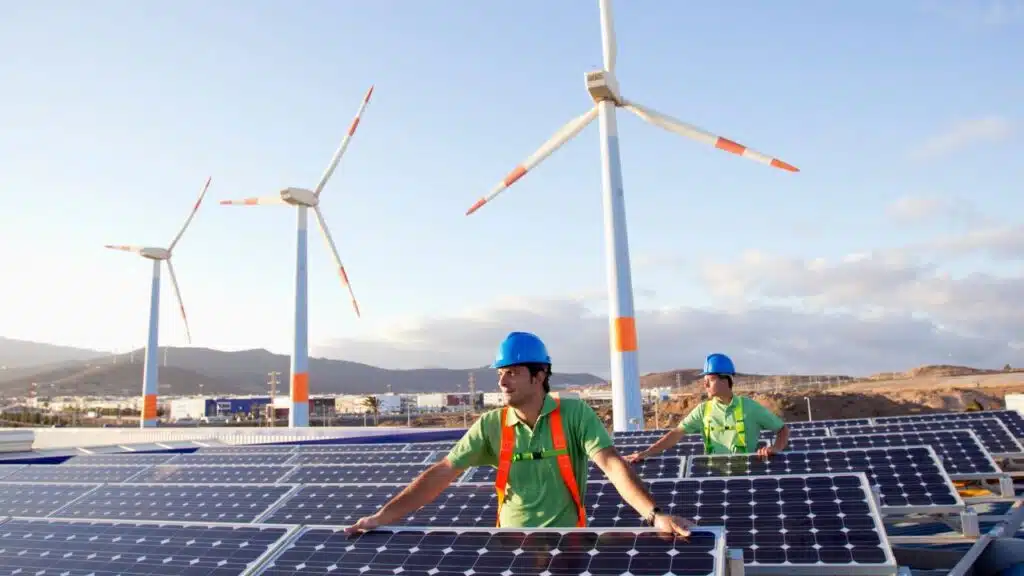
Renewable Energy Engineering is at the forefront of creating and optimizing sustainable energy systems. The program focuses on solar panel design, wind turbine mechanics, energy storage systems, and grid integration. Students learn advanced concepts in thermodynamics, power electronics, and material science.
Emerging Trends in the Field
- Floating solar farms to optimize space usage.
- Offshore wind turbines for improved energy capture.
- Advancements in battery storage for grid reliability.
Career Opportunities
Graduates work in roles such as:
- Renewable Energy Engineer: Designing energy systems for maximum efficiency.
- Energy Consultant: Advising businesses on renewable energy solutions.
- Project Manager: Leading installations of renewable systems.
Global Relevance
Countries like the U.S., Germany, and China are investing billions in renewable energy, creating robust demand for engineers in this field.
2. Environmental Science
What It Covers
Environmental Science degrees prepare students to understand the interaction between human activities and the environment. The curriculum includes:
- Climate change mitigation.
- Environmental impact assessments.
- Conservation strategies.
Fieldwork opportunities allow students to analyze real-world environmental issues, often working with renewable energy companies to evaluate the ecological effects of their projects.
Applications in Renewable Energy
Environmental scientists are crucial in ensuring renewable energy projects are environmentally friendly. They assess the environmental costs of large-scale solar farms or offshore wind projects and develop strategies to minimize their impact.
Career Opportunities
- Environmental Analyst: Evaluating renewable energy projects for regulatory compliance.
- Sustainability Officer: Implementing eco-friendly practices in organizations.
- Policy Advisor: Developing guidelines to balance renewable energy growth with environmental conservation.
Why It’s Growing
With global environmental concerns rising, the demand for professionals who can assess and mitigate ecological risks continues to expand.
3. Electrical Engineering with a Renewable Energy Focus
What It Covers
Electrical Engineering plays a pivotal role in renewable energy, emphasizing the design and management of energy systems. Specializations in this degree include:
- Smart grid technology.
- Energy storage systems such as lithium-ion and solid-state batteries.
- Integration of distributed energy resources.
Impact on Energy Transition
Electrical engineers enable the seamless integration of renewable energy into traditional grids, developing technologies to handle fluctuations in energy supply from solar and wind sources.
Career Opportunities
- Power Systems Engineer: Managing the distribution and transmission of renewable energy.
- Battery Design Specialist: Creating advanced energy storage solutions.
- Smart Grid Engineer: Modernizing electrical grids for renewable compatibility.
Why It’s Growing?
The shift to decentralized power systems and smart grids has created a demand for electrical engineers skilled in renewable applications.
4. Energy Policy and Management
What It Covers
This interdisciplinary degree bridges the gap between technology and policy. Students gain expertise in:
- Energy economics and financing.
- International energy laws and treaties.
- Project management for renewable energy initiatives.
Career Opportunities
Professionals in this field influence renewable energy adoption through roles such as:
- Policy Analyst: Crafting policies to encourage clean energy investments.
- Energy Manager: Overseeing energy efficiency in corporate or municipal settings.
- Renewable Energy Consultant: Advising on project feasibility and compliance.
Why It’s Growing
Governments globally are incentivizing renewable energy, creating a need for policy experts to navigate the regulatory landscape and manage projects effectively.
5. Mechanical Engineering with Renewable Applications
What It Covers
Mechanical engineers are integral to designing renewable energy hardware. This degree focuses on:
- Wind turbine mechanics.
- Optimization of hydropower systems.
- Design of energy-efficient heating and cooling systems.
Emerging Technologies
- Aerodynamic blade designs for wind turbines.
- Advanced materials for more efficient energy conversion.
Career Opportunities
- Design Engineer: Innovating mechanical components for renewable systems.
- Energy Systems Analyst: Enhancing the efficiency of existing technologies.
- Hydropower Engineer: Improving the performance of water-based energy systems.
Why It’s Growing
The push for more efficient and durable renewable energy systems ensures consistent demand for mechanical engineers.
6. Sustainable Agriculture and Bioenergy
What It Covers
This unique degree explores the role of agriculture in renewable energy production, focusing on biofuels, biomass, and sustainable farming. Topics include:
- Crop management for bioenergy.
- Waste-to-energy technologies.
- Soil conservation and water management.
Career Opportunities
Graduates play critical roles in:
- Bioenergy Production: Developing fuel alternatives like ethanol and biodiesel.
- Agricultural Sustainability Consulting: Advising on eco-friendly practices.
- R&D Specialist: Innovating in waste-to-energy technologies.
Why It’s Growing
As the demand for renewable energy expands, bioenergy offers a sustainable alternative to fossil fuels, driving interest in this degree.
7. Climate Science and Renewable Energy
What It Covers
Climate Science degrees emphasize understanding the climate system and its interaction with renewable energy solutions. The program includes:
- Climate modeling and simulation.
- Carbon footprint analysis.
- Renewable energy as a tool for climate mitigation.
Career Opportunities
Graduates often become:
- Climate Analysts: Assessing renewable energy’s impact on reducing emissions.
- Renewable Energy Advisors: Guiding energy companies on climate-friendly practices.
- Research Scientists: Exploring innovative uses for renewable technologies.
Why It’s Growing
With increasing attention on the role of renewables in combating climate change, this degree is gaining prominence.
Table: Growth and Salary Prospects in Renewable Energy Careers
| Degree | Median Salary (USD) | Projected Job Growth (2023–2030) | Key Industries |
| Renewable Energy Engineering | $75,000–$125,000 | 8% | Solar, Wind, Energy Storage |
| Environmental Science | $50,000–$105,000 | 5% | Environmental Agencies, NGOs, Energy Firms |
| Electrical Engineering (Renewable) | $85,000–$135,000 | 9% | Power Systems, Grid Management |
| Energy Policy and Management | $60,000–$115,000 | 7% | Government, Consulting, NGOs |
| Mechanical Engineering (Renewable) | $80,000–$120,000 | 6% | Wind, Hydropower, Solar |
| Sustainable Agriculture and Bioenergy | $45,000–$95,000 | 4% | Biofuel Production, Sustainability |
| Climate Science | $50,000–$100,000 | 6% | Research, Consultancy, Energy Firms |
Takeaways
The renewable energy sector offers a wealth of opportunities for those with the right education and passion for sustainability. These seven degrees represent some of the most promising pathways to enter this field.
Whether you aspire to design cutting-edge solar panels, influence global energy policies, or create sustainable bioenergy solutions, your skills will be vital in shaping a cleaner, greener future.
As the world continues its energy transition, the demand for knowledgeable professionals will only increase, making this an excellent time to pursue a career in renewable energy.





















