

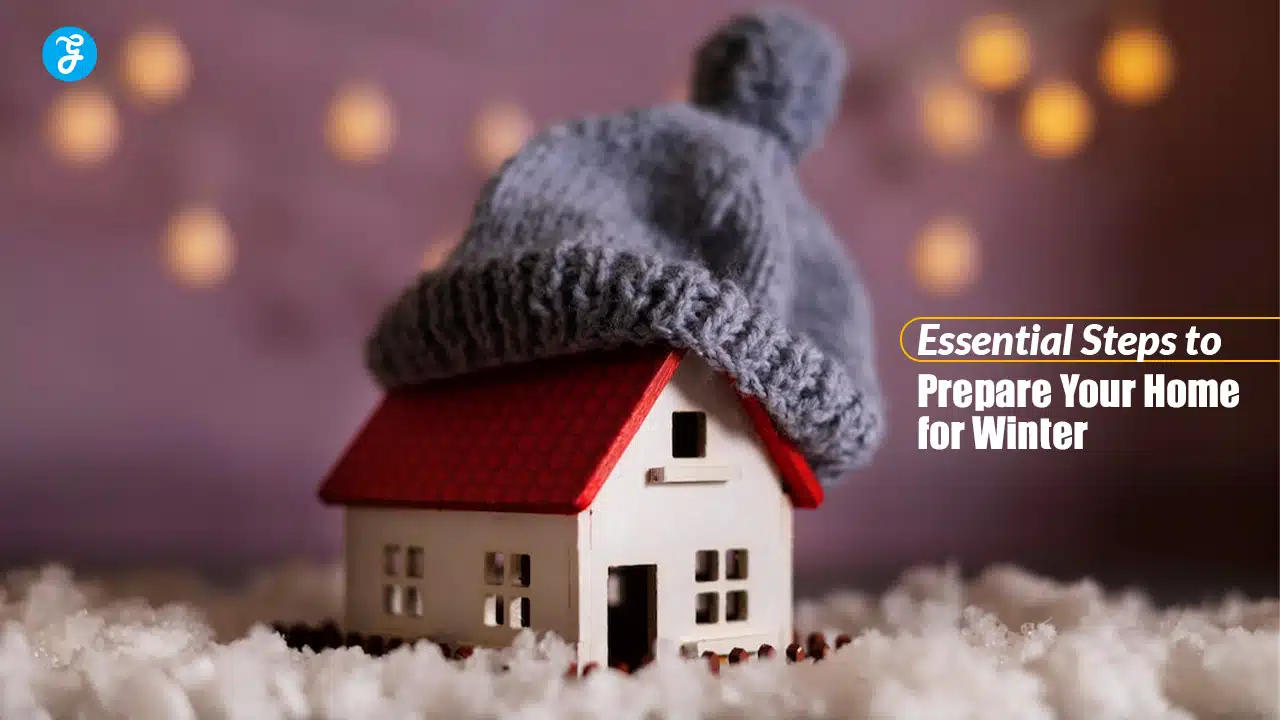
As the days grow shorter and the temperature drops, it’s time to prepare your home for the winter months ahead. Proper winter preparation can save you money, protect your property, and ensure your comfort during the cold season.
Whether you’re a homeowner or a renter, taking the necessary steps to prepare your living space can make a significant difference in energy efficiency, safety, and overall well-being. In this guide, we’ll explore 15 essential steps to help you winter-proof your home and make it cozy, warm, and secure.
15 Must-Do Steps to Winter-Proof Your Home for the Cold Season
Winter preparation is more than just cranking up the thermostat. It’s about creating a safe, efficient, and comfortable environment that can withstand the challenges of cold weather. From your roof to your basement, every part of your home needs attention to function optimally during winter.
1. Inspect and Seal Windows and Doors

Drafts can make your home chilly and increase your heating costs. Inspect all windows and doors for gaps and cracks. You can use caulk to seal any gaps around window frames and add weatherstripping to doors to prevent drafts. Consider replacing old windows with energy-efficient ones if possible, as they can greatly reduce heat loss.
Additionally, add door sweeps to the bottom of exterior doors to prevent cold air from entering. Insulated curtains or thermal window treatments are also a great way to keep the heat inside during cold winter nights.
2. Check Your Heating System
Before winter sets in, ensure your heating system is working efficiently. Schedule a professional inspection and tune-up of your furnace, boiler, or heat pump. Replace filters, clean ducts, and make sure there are no obstructions to airflow. A properly maintained heating system will work more effectively and help reduce your energy bills.
If you rely on a fireplace or wood stove, make sure it is cleaned and in good working condition. Hire a chimney sweep to clear out any creosote buildup, which could pose a fire hazard.
3. Reverse Ceiling Fans
Ceiling fans aren’t just for summer. During winter, you can reverse the direction of your ceiling fans to clockwise. This helps push warm air that has risen to the ceiling back down into the room, improving heating efficiency and keeping your living spaces more comfortable.
Most ceiling fans have a small switch that allows you to change the direction. Running the fan on low speed in this mode can help circulate warm air without creating a cooling breeze.
4. Insulate Pipes to Prevent Freezing
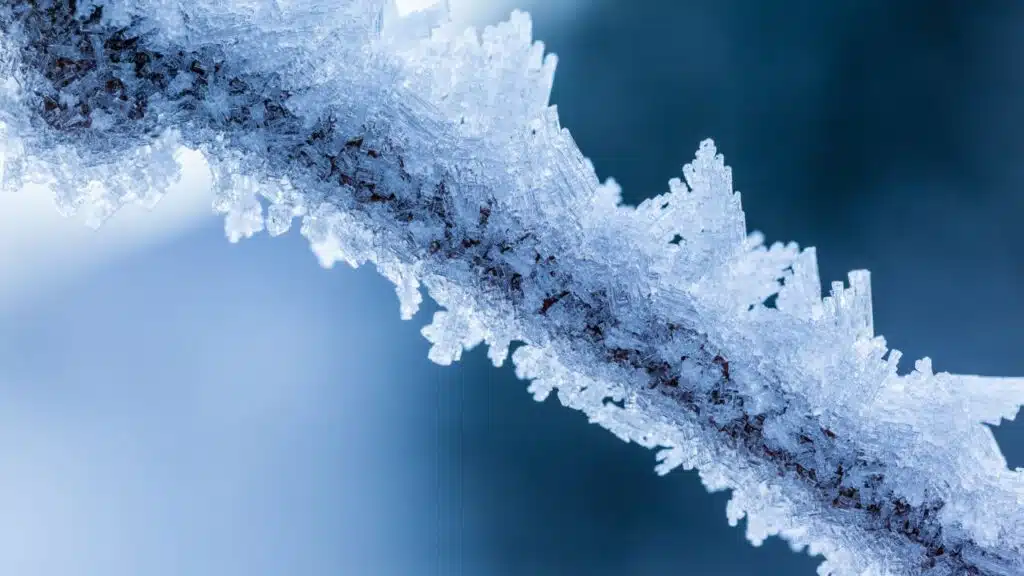
Frozen pipes can lead to costly repairs if they burst. Insulate pipes in unheated areas such as basements, attics, or crawl spaces. Use pipe sleeves or heat tape to protect vulnerable pipes, especially those located along exterior walls.
Also, keep your home’s temperature consistent, especially during extremely cold weather. If you plan to be away, leave your thermostat set to at least 55°F (12.8°C) to prevent the pipes from freezing.
5. Test Smoke and Carbon Monoxide Detectors
With increased use of heating systems, fireplaces, and space heaters during winter, the risk of fire and carbon monoxide poisoning increases. Make sure smoke detectors and carbon monoxide detectors are working properly. Replace batteries and test the alarms to ensure they’re functioning as intended.
If you don’t have carbon monoxide detectors, install them near bedrooms and fuel-burning appliances. Carbon monoxide is an odorless, colorless gas that can be deadly, making it essential to have these detectors in your home.
6. Clean Gutters and Downspouts
Clogged gutters can lead to ice dams, which may cause damage to your roof and walls. Clear leaves, twigs, and debris from your gutters and downspouts before the first snowfall. Ensure that water can flow freely away from your home’s foundation.
Consider installing gutter guards to minimize debris buildup and prevent ice dams. Make sure the downspouts direct water at least five feet away from your home to avoid foundation issues.
7. Inspect the Roof for Damage
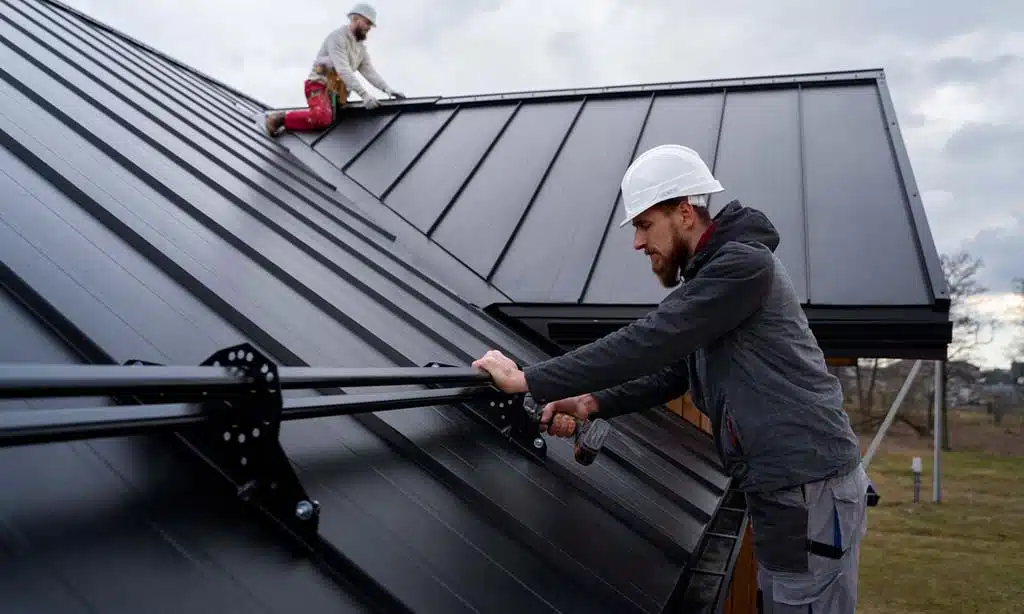
Your roof is your home’s first line of defense against winter weather. Check for missing or damaged shingles, loose flashing, or signs of wear and tear. Address any issues before winter arrives to prevent leaks and water damage.
Consider adding roof heating cables if your area is prone to heavy snow and ice buildup. These cables help melt snow, reducing the risk of ice dams and protecting your roof.
8. Drain and Store Garden Hoses
Disconnect and drain garden hoses before winter. Leaving hoses connected can cause water to freeze and expand, potentially damaging pipes and faucets. Store hoses in a garage or shed, and turn off the water supply to any outdoor faucets.
If you have an irrigation system, make sure to drain it properly to prevent any damage from freezing temperatures.
9. Protect Outdoor Furniture and Equipment
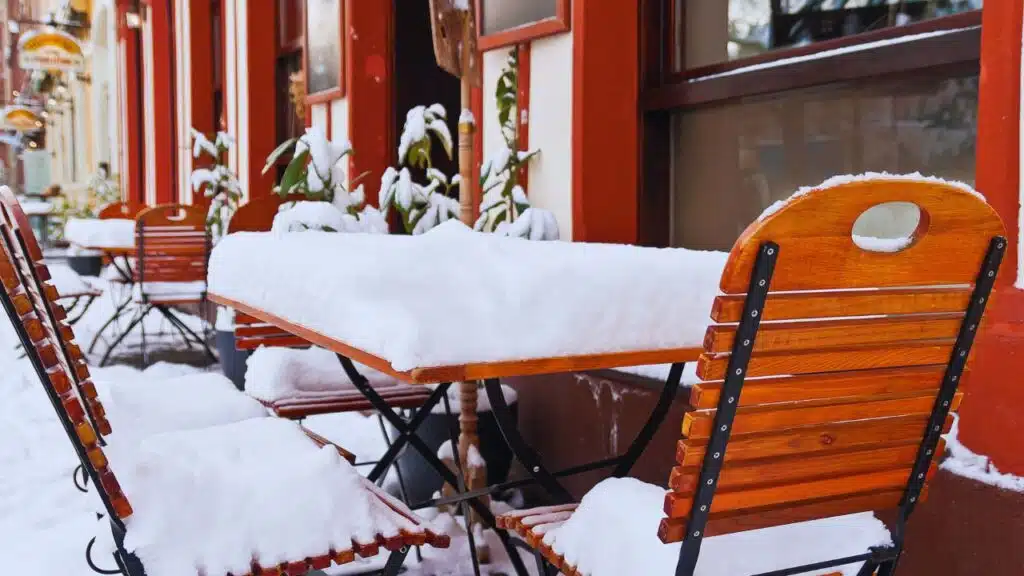
Cold temperatures and moisture can damage outdoor furniture, grills, and gardening tools. Store these items in a garage or shed, or cover them with weatherproof tarps. Make sure to clean and dry everything before storage to prevent rust and mildew.
If you have a deck, consider applying waterproof sealant to protect it from snow and ice.
10. Add Extra Insulation
Proper insulation is key to keeping your home warm and energy-efficient. Check your attic, walls, and basement for adequate insulation. Adding extra insulation in areas where it is lacking can help prevent heat loss and lower your heating bills.
You can also insulate electrical outlets and light switch plates on exterior walls with foam gaskets to reduce drafts. Adding a layer of insulation to your attic door can also help prevent warm air from escaping.
11. Install a Programmable Thermostat
A programmable thermostat allows you to set your home’s temperature based on your schedule, helping to reduce energy consumption. Lowering the temperature when you’re asleep or away can significantly cut down on heating costs without sacrificing comfort.
For added convenience, consider a smart thermostat that can be controlled remotely via your smartphone. These devices can also learn your preferences and adjust accordingly to maximize energy efficiency.
12. Trim Trees and Bushes Near Your Home
Heavy snow and ice can cause tree branches to break and damage your home or power lines. Trim any overhanging branches or bushes that are close to your house before winter arrives. This proactive step can prevent costly damage and keep your home safer during storms.
If you’re unsure about trimming large branches, consider hiring a professional arborist to do the job safely.
13. Stock Up on Winter Essentials
Prepare for winter storms by stocking up on essential supplies. This includes ice melt, snow shovels, windshield de-icer, and blankets. Make sure you have an emergency kit with flashlights, batteries, bottled water, and non-perishable food in case of power outages.
If you have a snow blower, test it to make sure it’s in good working condition. Make sure you have enough fuel on hand to last through heavy snowstorms.
14. Inspect and Seal Your Chimney
If you have a fireplace, make sure your chimney is clean and free from blockages. Hire a professional chimney sweep to remove creosote buildup, as it can be a serious fire hazard. Also, check the chimney cap for any damage and ensure that it’s securely in place to keep out animals and debris.
Consider adding a chimney balloon to prevent drafts when your fireplace is not in use. This inexpensive device helps seal off cold air from entering your home through the chimney.
15. Prepare for Icy Walkways
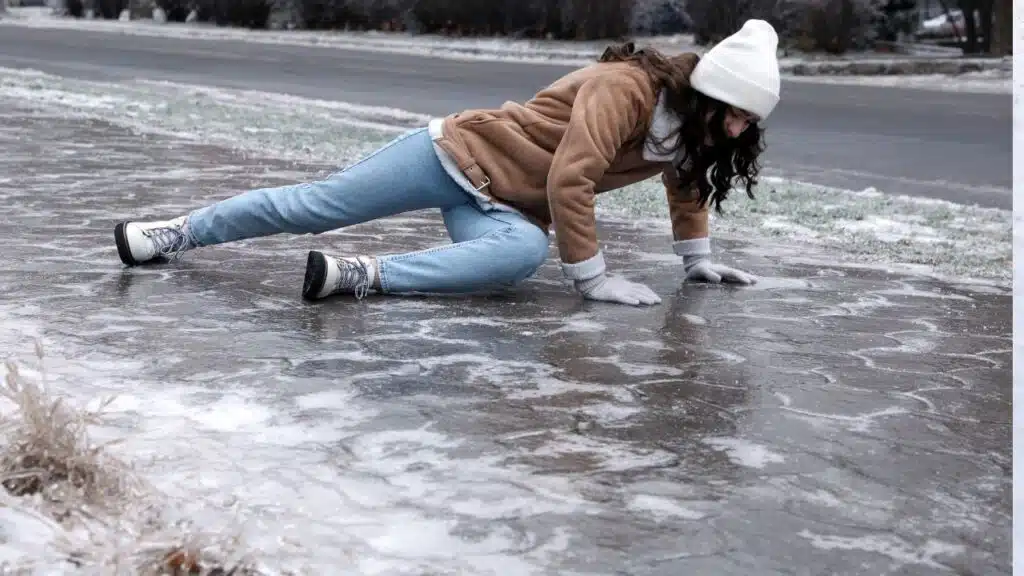
Icy walkways and driveways can be hazardous during the winter months. Keep your sidewalks and driveways clear by shoveling snow and applying ice melt. Consider using sand or kitty litter to add traction in especially slippery areas.
If you have steps leading up to your home, make sure they’re safe to use by adding non-slip treads or applying a mixture of salt and water to prevent ice buildup.
Conclusion
Preparing your home for winter is all about safeguarding your comfort, safety, and budget. By taking these 15 essential steps, you can make sure your home is ready to withstand the challenges of the cold season while also keeping energy costs under control. From sealing drafts to maintaining your heating system, each task plays a vital role in creating a warm, safe, and energy-efficient home.
The effort you put in now will pay off in reduced heating bills, a comfortable living space, and the peace of mind that comes from knowing your home is winter-ready. Stay warm, stay safe, and enjoy the cozy season ahead.





















