


As the digital world becomes increasingly interconnected, protecting personal data has never been more critical.
The General Data Protection Regulation [GDPR] was introduced by the European Union to safeguard the privacy and security of individuals’ personal data. Whether you’re a small business owner, an entrepreneur, or managing a large enterprise, ensuring your website is GDPR-compliant is not just a legal requirement; it’s a strategic move to build trust and transparency with your users.
In this article, we will take a deep dive into the 10 steps to make your website GDPR-compliant.
From auditing your data practices to ensuring your website design protects user privacy, this guide will provide you with actionable insights to navigate the complexities of GDPR and protect your business from potential fines and penalties.
Why GDPR Compliance is Essential for Your Website
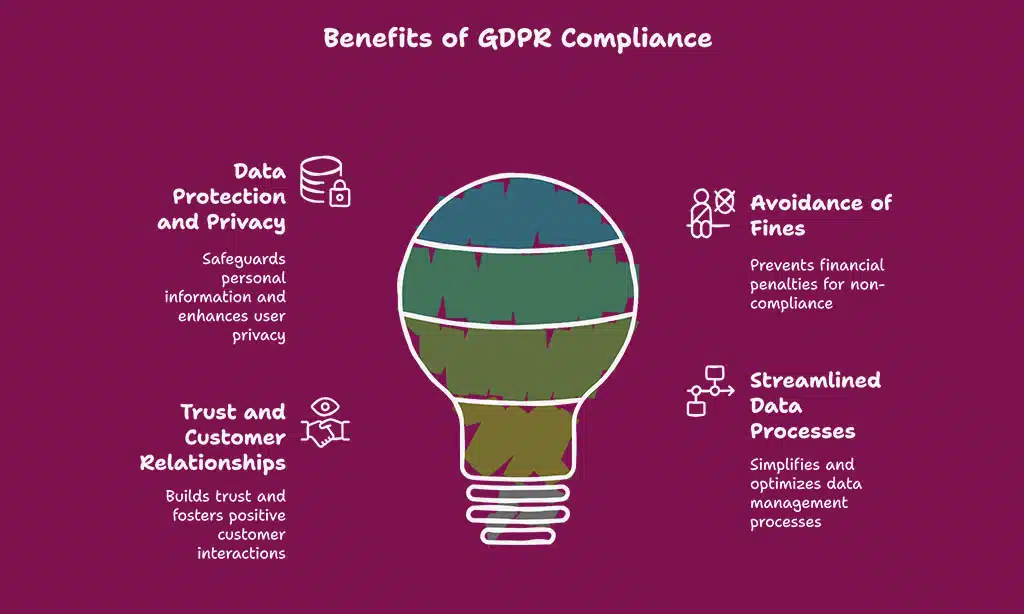
The GDPR has introduced a new paradigm for data protection. For any website collecting, storing, or processing the personal data of EU citizens, compliance is mandatory. Non-compliance could result in significant penalties: up to 20 million euros or 4% of your annual global turnover—whichever is higher. However, beyond avoiding fines, GDPR compliance builds user trust, enhances your brand reputation, and improves your overall data security posture.
Here’s what you need to understand about the 10 steps to make your website GDPR-compliant:
- Protects personal data and enhances user privacy.
- Avoids hefty fines for non-compliance.
- Builds trust and fosters positive customer relationships.
- Helps streamline and simplify data processes.
Let’s break down each of these 10 steps, ensuring your website is GDPR-compliant and positioned for success.
Step 1: Conduct a GDPR Compliance Audit
Before diving into making your website GDPR-compliant, it’s essential to perform a thorough GDPR compliance audit. This process helps identify any gaps or risks in your data handling and processing systems.
Overview
A GDPR audit involves systematically reviewing how your website collects, stores, and processes personal data. The audit will also help determine whether you’re meeting the necessary requirements for informed consent, data security, data access, and data retention. It’s important to remember that GDPR compliance is an ongoing process, not a one-time task.
Key Areas to Address
| Audit Area | Details |
| Data Inventory | Catalog all personal data collected—emails, addresses, payment info, etc. |
| Data Processing Activities | Evaluate the data flows on your website—where it goes, how it’s used. |
| Third-Party Data Sharing | Examine contracts and practices of third parties involved in data processing. |
| Data Retention | Ensure data is stored only for as long as necessary, following GDPR guidelines. |
Example: Consider a case study where an e-commerce platform reviewed its data processing activities and discovered they were retaining user data for longer than necessary. By reducing data retention periods, they not only complied with GDPR but also saved on storage costs.
Why It Matters
This audit is your first step toward building a strong foundation for GDPR compliance. It ensures that you are fully aware of the data you’re managing and where potential compliance risks might lie.
Step 2: Appoint a Data Protection Officer [DPO]
A Data Protection Officer [DPO] is an individual responsible for overseeing data protection strategy and ensuring GDPR compliance. While appointing a DPO is mandatory for public bodies and large-scale data controllers, it is a best practice for any business that processes significant amounts of personal data.
Overview
The DPO plays a pivotal role in ensuring your business follows GDPR’s data protection principles, conducts regular audits, and addresses any concerns raised by users regarding their personal data.
Key Responsibilities
| DPO Responsibility | Description |
| Monitoring Compliance | Ensure GDPR practices are continuously followed throughout your business. |
| Data Protection Impact Assessments [DPIAs] | Conduct DPIAs for risky data processing activities. |
| Liaison Role | Serve as a point of contact between your company, users, and data authorities. |
Example: A company that handles customer payment details appointed a DPO to oversee the implementation of encryption and ensure the safe handling of sensitive data. As a result, they avoided any security breaches and maintained full compliance.
Why It Matters
Appointing a DPO not only demonstrates your commitment to data protection but also ensures that your business remains up-to-date with evolving regulations and compliance requirements.
Step 3: Update Your Privacy Policy
Your privacy policy is the cornerstone of your GDPR compliance efforts. It informs users about their data rights and how you handle their personal information. According to GDPR, your privacy policy must be transparent, easy to understand, and accessible to users at all times.
Key Elements of a GDPR-Compliant Privacy Policy
| Element | Details |
| Transparency | Clearly state how, why, and for how long user data is collected. |
| User Rights | List the rights users have under GDPR, such as the right to access, rectify, or erase data. |
| Data Retention Policy | Explain how long you will retain personal data and why. |
| Third-Party Sharing | Inform users about any third parties with whom their data is shared. |
| Security Measures | Describe the measures in place to protect user data, such as encryption. |
Example: A popular mobile app updated its privacy policy to explicitly state how they collected location data for personalized recommendations. They also added a section explaining how users could delete their data upon request, resulting in higher user trust.
Why It Matters
Your privacy policy ensures transparency and allows users to make informed decisions about their data. Keeping it updated demonstrates your commitment to privacy and security.
Step 4: Obtain Explicit Consent for Data Collection
Explicit consent is one of the core principles of GDPR. Users must give their informed, unambiguous consent for their data to be processed. This means moving away from pre-ticked boxes and ensuring consent is both specific and voluntary.
Overview
GDPR mandates that consent for data processing should be:
- Informed: Users must know exactly what they are consenting to.
- Freely Given: Consent cannot be coerced or forced.
- Specific: Users must consent to specific data uses [e.g., marketing, analytics].
Best Practices for Requesting Consent
| Best Practice | Details |
| Opt-in Mechanism | Use checkboxes [unticked by default] for consent requests. |
| Clear Consent Language | Be transparent with users about what data you’re collecting and why. |
| Easy Withdrawal of Consent | Provide a simple method for users to withdraw consent at any time. |
Example: A fashion retailer implemented an opt-in consent mechanism for email marketing, offering a clear explanation of what kind of emails users would receive. This led to a 15% increase in subscription rates.
Why It Matters
Obtaining explicit consent ensures that you respect your users’ rights and avoid legal complications. It also empowers users to take control of their data.
Step 5: Implement Data Protection by Design and by Default

The concept of data protection by design and by default is integral to GDPR. This principle ensures that data protection measures are embedded into your website and business practices from the very beginning, not just as an afterthought.
Overview
By integrating privacy-enhancing features into your website’s architecture, you reduce the risk of data breaches and help ensure that personal data is processed securely.
Examples of Data Protection by Default
| Practice | Details |
| Minimal Data Collection | Only collect the data absolutely necessary for your services. |
| Data Encryption | Encrypt sensitive personal data during storage and transmission. |
| Anonymization | Whenever possible, anonymize or pseudonymize personal data to reduce privacy risks. |
Example: A healthcare app integrates encryption into all patient records and anonymizes sensitive health data before sharing with third-party researchers, ensuring both security and privacy.
Why It Matters
By building privacy and security into the design of your website or app, you reduce potential risks and demonstrate proactive commitment to data protection.
Step 6: Enable User Data Access and Control
GDPR provides users with powerful rights over their personal data, including the right to access, correct, delete, and export their data. Ensuring that users can easily exercise these rights is a critical step in making your website GDPR-compliant.
Overview
Allowing users to access, modify, or delete their data on your website should be simple and transparent.
Key User Rights to Implement
| User Right | How to Implement |
| Right to Access | Provide a portal where users can view all personal data you hold on them. |
| Right to Rectification | Allow users to update incorrect or outdated information via their account settings. |
| Right to Erasure | Make it easy for users to request the deletion of their personal data. |
| Right to Data Portability | Enable users to download their data in a structured format [e.g., CSV]. |
Example: A social media platform implemented a self-service dashboard that allows users to export their data in a readable format, enhancing their ability to exercise their rights under GDPR.
Why It Matters
Giving users control over their data increases their trust and engagement with your website. It also helps you comply with GDPR’s data subject rights requirements.
Step 7: Set Up Data Breach Notification Protocols
In the unfortunate event of a data breach, GDPR mandates that you notify both the relevant authorities and affected users within specific timeframes.
Overview
Failing to notify the appropriate parties within 72 hours of discovering a data breach can result in fines and penalties. Having a clear protocol in place is critical for quick and effective responses.
Breach Notification Steps
| Step | Details |
| Contain the Breach | Stop the breach from spreading by securing your systems immediately. |
| Notify Authorities | Inform the relevant data protection authority within 72 hours. |
| Notify Users | If the breach is high-risk, alert users and advise on protective measures. |
Example: A cloud service provider experienced a breach where user passwords were exposed. They quickly secured the system, notified the relevant authority, and informed users, advising them to change their passwords. As a result, they avoided major penalties.
Why It Matters
Proactively addressing data breaches not only ensures compliance but also strengthens your reputation as a trustworthy business.
Step 8: Ensure Data Transfers Are GDPR-Compliant
When transferring data outside the European Economic Area [EEA], GDPR requires that certain safeguards be in place to ensure that personal data remains protected.
Overview
To legally transfer data internationally, businesses must either ensure the destination country has an adequate level of data protection or use Standard Contractual Clauses (SCCs) or Binding Corporate Rules [BCRs].
Key Considerations for International Transfers
| Consideration | Details |
| Adequacy Decisions | Verify whether the country to which data is transferred has been deemed adequate by the EU. |
| Standard Contractual Clauses [SCCs] | Use these legal contracts to ensure adequate protection of personal data during cross-border transfers. |
Example: A multinational company uses SCCs to ensure data transfers between their European and US offices comply with GDPR, preventing potential issues with data protection authorities.
Why It Matters
By ensuring international data transfers are secure and compliant with GDPR, you protect both user privacy and your business from potential fines.
Step 9: Conduct Regular GDPR Training for Employees
Your employees play a crucial role in safeguarding personal data. Regular GDPR training ensures that all staff members understand their responsibilities and can contribute to compliance efforts.
Overview
Training employees on GDPR requirements helps reduce human error, one of the leading causes of data breaches.
Training Areas to Focus On
| Training Focus | Details |
| Data Protection Principles | Teach employees the core GDPR principles, such as data minimization and purpose limitation. |
| Handling User Requests | Train employees on how to handle user requests to access or delete their data. |
Example: A financial services company implemented monthly GDPR training sessions for their employees, resulting in fewer data breaches and faster responses to user data requests.
Why It Matters
Well-trained employees are key to maintaining compliance, reducing the risk of mistakes that could lead to violations.
Step 10: Review and Update Your GDPR Compliance Regularly
GDPR is not a set-and-forget regulation. As your website evolves and as new guidelines and regulations emerge, it’s essential to regularly review and update your GDPR compliance measures.
Overview
A comprehensive review should take place annually or whenever there are significant changes to your data processing activities.
Tools to Help with Regular Compliance Reviews
| Tool | Details |
| Compliance Software | Use automated GDPR compliance tools for tracking and auditing data handling practices. |
| Third-Party Auditors | Engage with GDPR consultants or auditors for regular external audits. |
Example: An e-commerce company implemented a compliance tracking tool that automated their data audits, which saved them time and ensured they remained compliant with GDPR.
Why It Matters
Regular reviews help you stay on top of GDPR requirements and reduce the risk of non-compliance as your business grows and changes.
Takeaways: Taking Action to Ensure GDPR Compliance
Ensuring your website is GDPR-compliant requires dedication, effort, and ongoing monitoring, but it is crucial for both legal protection and user trust. By following these 10 steps to make your website GDPR-compliant, you can safeguard user data, reduce the risk of fines, and create a more transparent and trustworthy relationship with your audience.
Take proactive steps today by conducting audits, updating your privacy policy, and implementing privacy protections into your website design. Continuous monitoring and staff training will ensure that you stay ahead of regulatory changes and maintain a secure, compliant business.






















