
Getting car insurance is often one of the first significant financial decisions many college students face. Balancing affordability with adequate coverage can be a daunting task, especially for students on a tight budget.
This article outlines 7 steps for college students to get affordable car insurance, offering actionable advice to help you save money while ensuring proper protection.
By understanding these steps for college students to get affordable car insurance, you’ll be well-equipped to find a policy that fits your needs.
Understanding the Basics of Car Insurance
What is Car Insurance and Why Do You Need It?
Car insurance is a contract between you and an insurance company that provides financial protection in case of accidents, theft, or damage involving your vehicle. For college students, having car insurance is not just a legal requirement but also a crucial safeguard against unexpected costs that could derail your budget. With the right policy, you can protect yourself from financial setbacks and focus on your education. Following these steps for college students to get affordable car insurance can help you secure the coverage you need without overpaying.
Factors That Affect Car Insurance Rates
Several factors influence the cost of car insurance. Understanding these can help you make informed decisions:
- Age and Driving Experience: Young and inexperienced drivers often face higher premiums due to higher risk.
- Type of Vehicle: The make, model, and year of your car significantly impact your rate—safer, economical cars cost less to insure.
- Location: Urban areas often have higher rates due to traffic density and theft risks.
- Academic Performance: Many insurers offer discounts to students with good grades, rewarding academic achievements with lower premiums.
7 Steps to Get Affordable Car Insurance

Step 1 – Compare Quotes from Multiple Providers
One of the most effective ways to find affordable car insurance is to shop around. Different providers offer varying rates and discounts, so comparing multiple quotes can help you identify the best deal. Spending time on research can save you hundreds annually.
How to Compare Quotes Effectively:
- Use online comparison tools like Zebra or NerdWallet to evaluate rates quickly.
- Check reviews to assess customer satisfaction and claim processing efficiency.
- Contact insurers directly to inquire about additional discounts.
| Provider | Pros | Cons |
| Provider A | Low rates for students | Limited coverage options |
| Provider B | Excellent customer service | Slightly higher premiums |
| Provider C | Discounts for good grades | Strict eligibility requirements |
Example Scenario: A student who compared rates using a comparison tool found a provider offering a 15% discount for good grades, saving $200 annually. This is just one example of the impact of following steps for college students to get affordable car insurance.
Step 2 – Choose the Right Coverage for Your Needs
Understanding the different types of coverage is essential to balancing cost and protection:
- Liability Coverage: Covers damages to others but not your vehicle. Ideal for students with older cars.
- Collision Coverage: Pays for your car repairs after an accident. Recommended if your car is relatively new.
- Comprehensive Coverage: Protects against theft, vandalism, and natural disasters. A must for students living in high-risk areas.
Actionable Tips for Choosing Coverage:
- Evaluate your car’s market value to determine if collision or comprehensive coverage is necessary.
- Consult with your insurance agent to understand deductibles and premiums.
| Coverage Type | What It Covers | Best For |
| Liability | Damages to others | Older cars, tight budgets |
| Collision | Repairs to your car after an accident | New or financed vehicles |
| Comprehensive | Theft, vandalism, natural disasters | High-risk areas or new cars |
Example: A college student with a used sedan saved $150 annually by opting for liability coverage only. Choosing the right coverage is one of the most crucial steps for college students to get affordable car insurance.
Step 3 – Maintain a Good Academic Record
Many insurance companies offer discounts for students who excel academically. Typically, maintaining a GPA of 3.0 or higher can qualify you for these discounts. This simple step can reduce your premium by up to 25%.
Tips to Leverage Academic Discounts:
- Submit your transcripts or report cards as proof.
- Check with your insurer about GPA requirements and renewal conditions.
- If your GPA drops, inquire about other discounts to offset potential increases.
Example: A student with a 3.8 GPA received a 20% discount, saving $300 annually on premiums. Keeping up with academics is a vital part of the steps for college students to get affordable car insurance.
Step 4 – Leverage Discounts and Special Programs
Take advantage of the numerous discounts and programs available to college students:
- Safe Driver Discounts: Rewarded for maintaining a clean driving record.
- Bundling Discounts: Combine auto insurance with renters or health insurance for better rates.
- Usage-Based Programs: “Pay-per-mile” plans can save money if you don’t drive often.
Insider Tip: Some insurers offer discounts for participating in safe-driving apps or installing telematics devices. These tools monitor your driving habits and reward cautious behavior.
| Discount Type | Details | Savings Potential |
| Good Student Discount | Maintain a GPA of 3.0 or higher | 10-25% |
| Safe Driving Program | Install telematics device to track behavior | 10-15% |
| Bundling Discount | Combine with other insurance policies | Up to 25% |
Example: A student who drove fewer than 5,000 miles annually saved $180 using a pay-per-mile insurance program. Seeking discounts is one of the easiest steps for college students to get affordable car insurance.
Step 5 – Drive a Safe and Economical Vehicle
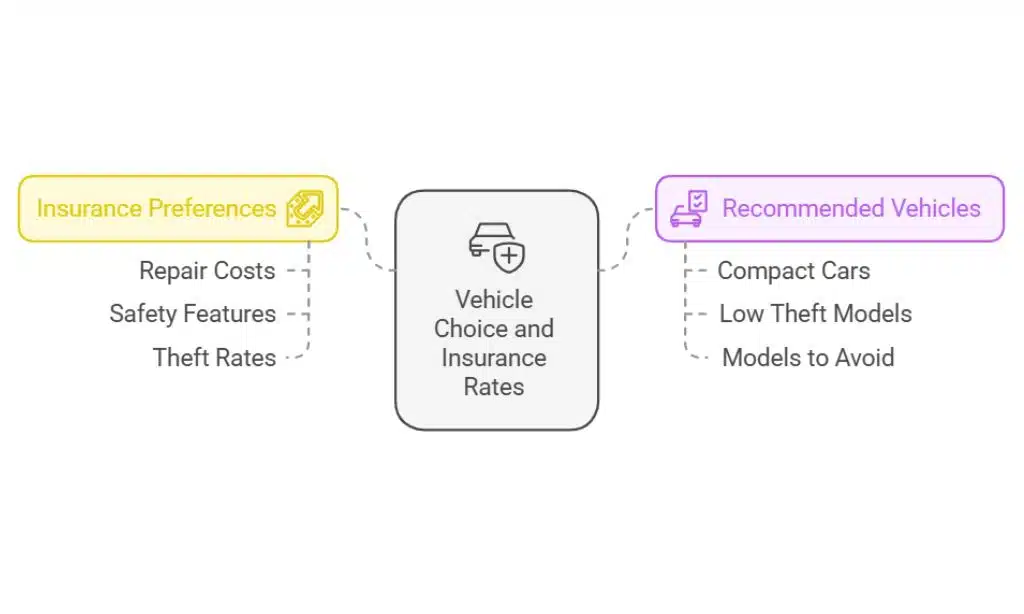
The type of car you drive significantly affects your insurance rates. Insurers prefer vehicles that are inexpensive to repair and equipped with safety features.
Recommended Vehicles for Students:
- Compact cars with high safety ratings like the Honda Civic or Toyota Corolla.
- Models with low theft rates and lower repair costs.
- Avoid luxury or sports cars, which have higher premiums due to their cost and risk factors.
| Vehicle Type | Advantages | Disadvantages |
| Compact Cars | Affordable premiums, good fuel economy | Less spacious |
| SUVs with Safety Features | High safety ratings | Higher upfront costs |
| Luxury/Sports Cars | Stylish, high performance | Expensive premiums and repairs |
Example: A student with a Toyota Corolla paid $450 less annually than a peer with a luxury sports car. Selecting the right car is an important consideration in the steps for college students to get affordable car insurance.
Step 6 – Improve Your Driving Habits
Being a cautious driver not only reduces your risk of accidents but also helps you qualify for safe driver discounts. Practicing safe driving habits can save you money in the long term.
How to Enhance Driving Habits:
- Avoid distractions such as texting while driving.
- Participate in defensive driving courses, which may qualify for discounts.
- Use telematics devices that track your driving behavior and reward safe practices.
| Habit | Benefit |
| Defensive Driving Course | 5-10% discount on premiums |
| Avoid Distracted Driving | Reduces risk of accidents and claims |
| Install Telematics Device | Rewards safe driving with discounts |
Example: A student who completed a defensive driving course reduced their premiums by $120 annually. Safe driving is a cornerstone of the steps for college students to get affordable car insurance.
Step 7 – Consider a Parent’s Policy or Family Plan
Staying on a parent’s policy is often cheaper than purchasing your own, especially for young drivers. However, this option depends on the insurer and specific circumstances.
Benefits of a Family Plan:
- Lower overall premiums due to shared risk.
- Access to family-based discounts.
Conditions to Note:
- You must live in the same household or be a full-time student.
- Parents’ driving records can affect the policy rate.
| Family Plan Benefits | Details |
| Lower Premiums | Shared risk among family members |
| Additional Discounts | Family-based or multi-car discounts |
Example: A student staying on a parent’s policy saved $500 annually compared to purchasing an individual policy. This is a highly effective option within the steps for college students to get affordable car insurance.
Additional Tips for Reducing Insurance Costs
1. Pay Premiums Annually Instead of Monthly
Paying your premiums annually can save you money by avoiding monthly installment fees. It also simplifies budgeting by consolidating your payments.
2. Raise Your Deductible to Lower Premiums
Increasing your deductible reduces your premium costs. However, ensure you can afford the deductible in case of a claim. For example, raising a deductible from $500 to $1,000 can save you up to 20% annually.
3. Regularly Review Your Policy
Life changes, such as moving to a different state or buying a new car, can impact your insurance needs. Regularly review your policy to ensure it remains cost-effective.
Takeaways
By following these 7 steps for college students to get affordable car insurance, you can secure the coverage you need without breaking the bank. From comparing quotes to leveraging discounts, these strategies empower you to make informed decisions.
Start your journey toward affordable car insurance today and enjoy peace of mind on the road.